High Times Reframes Cannabis Pain Debate Around Patient Fit
A High Times Magazine piece published Oct. 21 shifts the chronic pain question from whether cannabis works to which patients it works for.
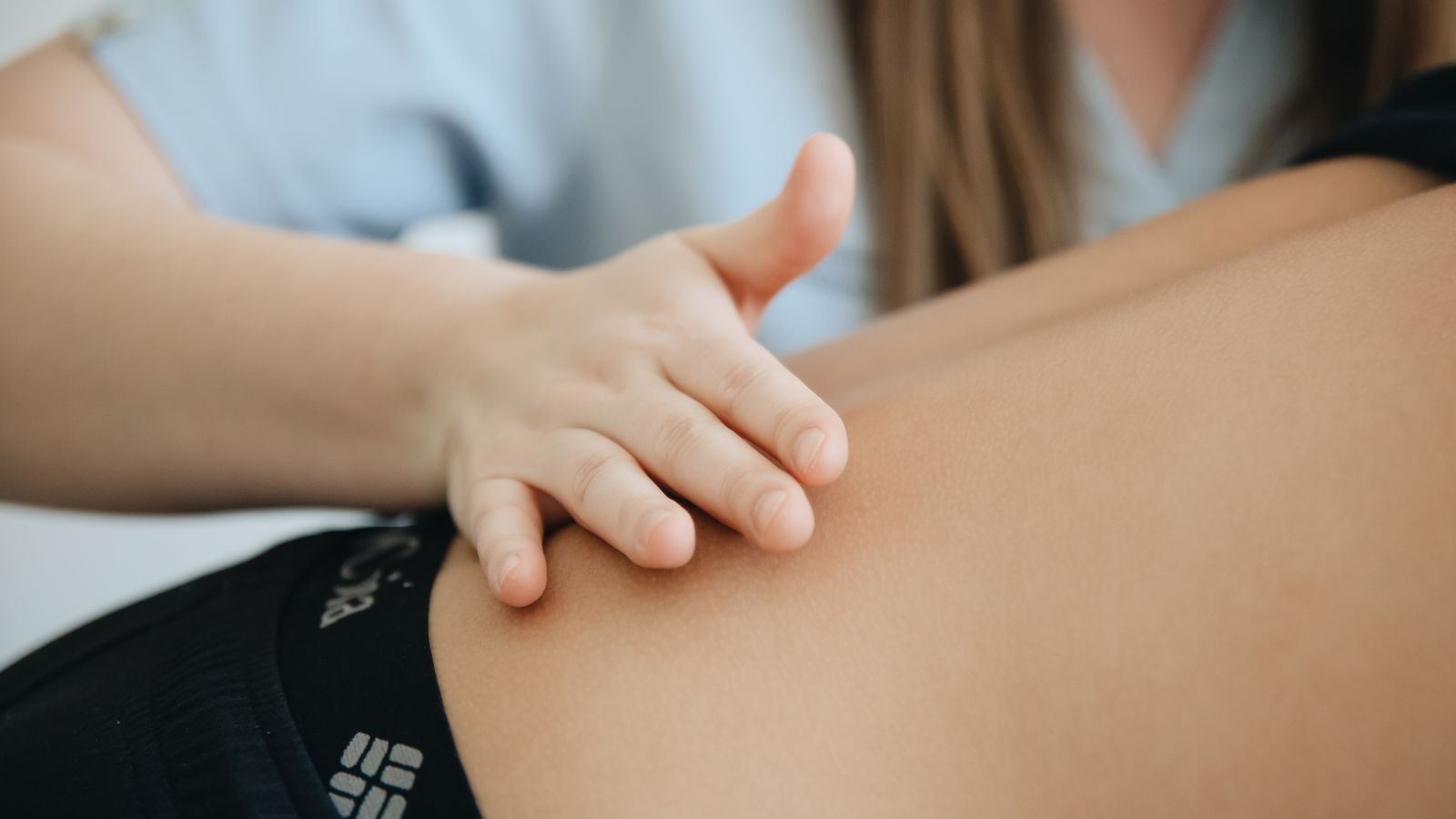
Close-up of a physiotherapist providing a back massage to a patient in a clinic.
High Times shifts the pain debate from efficacy to fit
High Times Magazine's Oct. 21 piece reframes cannabis for chronic pain as a patient-matching problem rather than a yes-or-no efficacy test.
The article, headlined "Cannabis for Chronic Pain: The Question Isn't Just Whether It Works, but for Whom," published Wednesday, Oct. 21, 2026. CannIntel reviewed the headline and framing only. We haven't independently verified any data inside the piece. This report doesn't attribute findings to it.
Still, the framing matters. Chronic pain is among the most common reasons patients cite when they enter state medical cannabis programs, so how the industry answers "for whom" shapes products and labeling, and it shapes the conversation in the exam room.
It's a notable change in tone for a category that spent a decade arguing about whether the plant works at all.
Why the 'does it work' question stalled
Population-level verdicts on cannabis and pain keep stalling because chronic pain isn't one condition.
The label covers neuropathic pain, inflammatory pain, musculoskeletal pain and more, each with different biology. Trials that pool them tend to produce muddy averages. A drug can help one subgroup meaningfully and still look unremarkable across a mixed cohort.
Products add a second layer of noise. A flower high in THC, a balanced THC and CBD tincture and a terpene-forward vape aren't interchangeable, and the role of terpenes such as myrcene is still debated among researchers.
Federal restrictions have also historically limited how researchers could source and dose cannabis. As a result, what gets studied often differs from what a patient buys at a dispensary. That's the gap.
What 'for whom' means for operators and patients
The cleanest read on "for whom" is that cannabis pain care is becoming a segmentation problem, and the companies that treat it that way will have the edge.
Any serious answer has to account for a short list of variables:
- The type and source of the pain
- The patient's THC tolerance and prior cannabis use
- The route of administration and onset time
- Coexisting conditions, including anxiety and sleep disorders
For operators, that points toward better product education, tighter labeling and staff training that goes beyond "indica for pain." Health-claim rules set by state regulators such as California's Department of Cannabis Control (DCC) constrain what brands can say. That makes patient-reported outcome data, collected properly, a more valuable asset than marketing copy.
The High Times framing implies that the next credible evidence will describe which patients respond and under what conditions, not whether cannabis helps pain in general.
For patients, the practical message is less glamorous. Trial and error under clinical guidance beats a one-size-fits-all recommendation. That has always been true.
What to watch next
The next proof points will come from stratified research and state-program outcome data, not from another headline.
Investors should treat "for whom" as a diligence question. Does a brand or MSO track outcomes by pain type? Can it show repeat-purchase patterns tied to a specific indication? Without that, pain positioning is branding.
That math is hard to argue with. A category selling to millions of chronic pain patients can't keep answering with anecdotes.
For full background on this story, see the CannIntel topic hub on cannabis for chronic pain research.
Watch whether upcoming trials and state program reports break results out by pain subtype and product profile. When they do, the "for whom" question gets an actual answer.
Sources
The cannabis newsletter you forward to your team.
Federal policy, market data, grower alerts, and the one story that matters today. Sent every weekday at 7am. Free.
No spam. Unsubscribe with one click. 21+ only.
Related from Medical

Survey of 7,913 German Patients Finds Pharmacy Cannabis Preferred
A survey of 7,913 German medicinal cannabis patients, nearly 90% with experience of both channels, points to the illegal market as a major source of stress.

ASA Announces 2026 Cannabis Safety Awards as Rescheduling Looms
Americans for Safe Access named its 2026 Cannabis Safety Awards honorees, tying the recognition to rescheduling-era debates over youth access, impaired driving and product safety.
Spain's Medical Cannabis Framework Reaches Patients, Report Says
Business of Cannabis reports Spain's medical cannabis framework is now reaching patients, but says the rollout is only the start of implementation.
More from the newsroom

New Jersey Bill Extending Hemp Drink Sales Advances
A bill to extend New Jersey hemp drink sales moved forward Oct. 22, but the public record behind the headline is thin.

Virginia Sen. L. Louise Lucas indicted in marijuana business case
The Washington Post reported the indictment of Virginia's Senate president pro tempore, a figure in state cannabis debates. The charging details were not in the initial report.
Wisconsin Governor Nominees Crowley, Tiffany Back Legalization in Debate
Democrat David Crowley and Republican Tom Tiffany both endorsed some form of marijuana legalization on the debate stage, but split on how far and how fast Wisconsin should go.