Survey of 7,913 German Patients Finds Pharmacy Cannabis Preferred
A survey of 7,913 German medicinal cannabis patients, nearly 90% with experience of both channels, points to the illegal market as a major source of stress.

A senior woman with eyeglasses reviews a medicine bottle at a pharmacy counter indoors.
What the survey found
A survey of 7,913 medicinal cannabis patients in Germany found a preference for pharmacy-supplied cannabis, with the illegal market described as a major source of stress. Cannabis Business Times reported the results on Oct. 22.
According to the report, almost 90% of respondents have experience with both the illegal market and medicinal cannabis from pharmacies. That's not a sample of curious newcomers. These are patients who have bought through both channels and can compare them.
What the published summary leaves out
The summary available to CannIntel doesn't say who ran the survey, when it was fielded, or how stress was measured. We haven't reviewed the underlying dataset. Read the findings with that gap in mind.
Four details would let readers judge the result:
- The survey sponsor and any funding ties to producers, importers, or advocacy groups
- Field dates and the recruitment method
- How "stress" was defined and scored
- Whether results were broken out by diagnosis or prescription type
Recruitment method matters most. A survey drawn from an engaged patient community can differ from the broader prescription population.
Why the dual-experience figure matters
Nearly 90% of respondents having used both channels turns a preference poll into a comparison. Most patient surveys ask about one source. This one, by the report's description, asks people who have lived with both.
A patient who has bought both ways is a better witness than a policy memo.
What drives the stress isn't broken out in the summary. Product quality, supply reliability, price, and legal exposure are all plausible, but the signal confirms none of them. Not yet.
In the survey's framing, patients who know both channels treat the illegal market as a burden rather than a convenience, and see the pharmacy as the lower-stress option.
The legal backdrop: two laws, one date
Germany split medical and adult-use cannabis into separate statutes on April 1, 2024. The Medizinal-Cannabisgesetz (MedCanG) moved medical cannabis out of the Narcotics Act. The Konsumcannabisgesetz (KCanG) legalized limited adult possession and home cultivation, plus cultivation associations, that same day.
That sequencing complicates the survey's reading. Adult-use access now exists outside the pharmacy, yet the report describes the comparison as pharmacy versus the illegal market, and the summary doesn't say whether respondents also weighed home cultivation or association supply.
The answer would change the story. A patient preferring pharmacies over street sources is expected. A patient preferring pharmacies over legal adult-use options would be a sharper finding.
What it means for pharmacies, importers, and prescribers
If the preference holds up, the competitive threat to the pharmacy channel is the illegal market's convenience and price, not patient loyalty. The signal supplies no price or availability data. That remains an inference.
For operators, three questions follow:
- Can pharmacy supply stay consistent enough to keep patients from drifting back to illicit sources?
- Does the stress finding reflect access barriers in the prescription pathway, or only fear of illegal purchasing?
- Will regulators read the result as support for the current framework or as evidence of unmet demand?
Germany's rules for medical cannabis supply, import, and prescribing have been a live issue since the MedCanG took effect. For full background on this story, see the CannIntel topic hub on the German Medical Cannabis Program.
What to watch next
The survey's value depends on methodology that hasn't yet been published in the summary. Start with the sponsor and the full questionnaire.
Next up: whether the researchers release the dataset, and whether German health officials or lawmakers cite the 7,913-patient figure in any MedCanG debate.
Sources
The cannabis newsletter you forward to your team.
Federal policy, market data, grower alerts, and the one story that matters today. Sent every weekday at 7am. Free.
No spam. Unsubscribe with one click. 21+ only.
Related from Medical

ASA Announces 2026 Cannabis Safety Awards as Rescheduling Looms
Americans for Safe Access named its 2026 Cannabis Safety Awards honorees, tying the recognition to rescheduling-era debates over youth access, impaired driving and product safety.

High Times Reframes Cannabis Pain Debate Around Patient Fit
A High Times Magazine piece published Oct. 21 shifts the chronic pain question from whether cannabis works to which patients it works for.
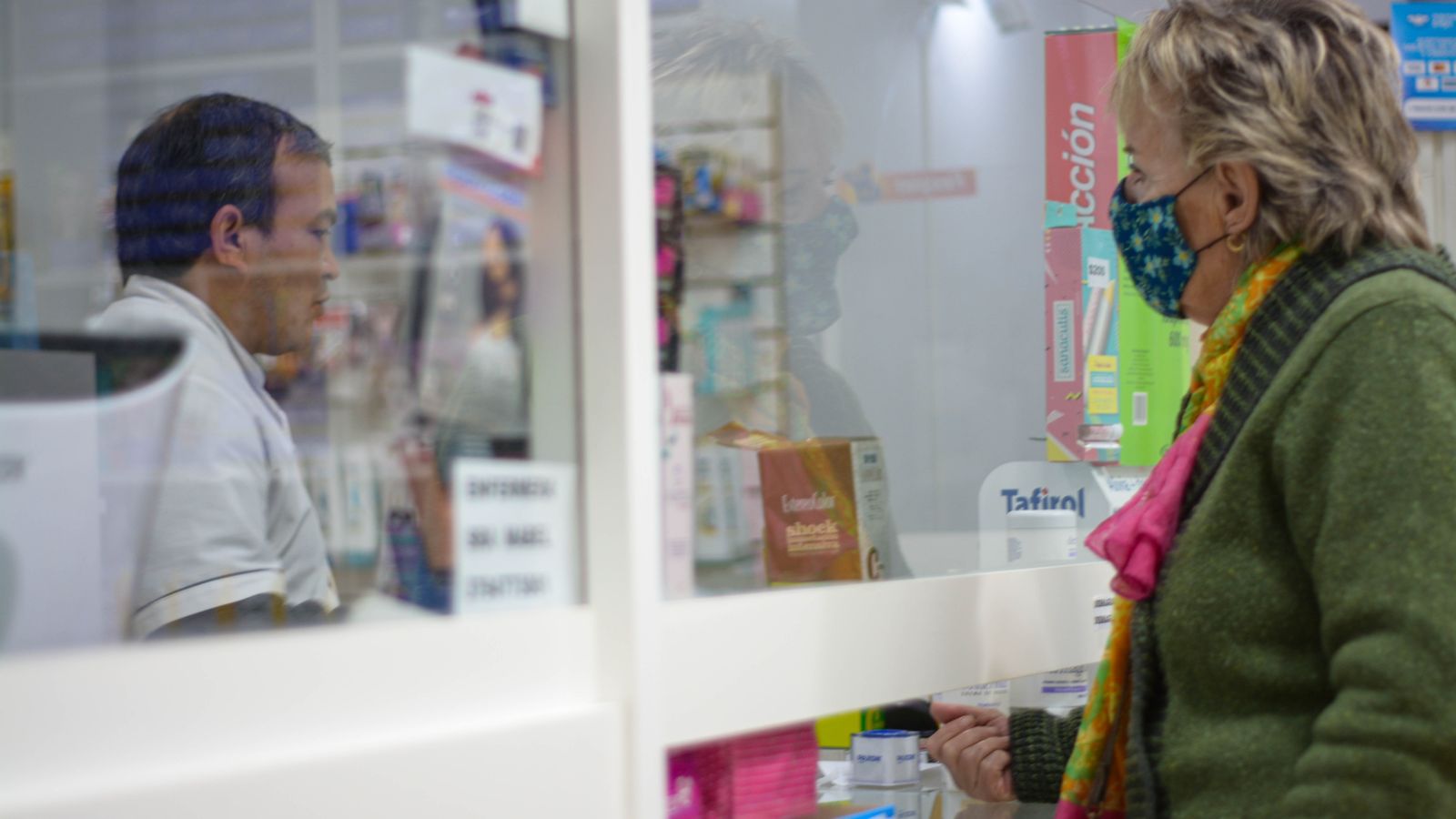
Spain's Medical Cannabis Framework Reaches Patients, Report Says
Business of Cannabis reports Spain's medical cannabis framework is now reaching patients, but says the rollout is only the start of implementation.
More from the newsroom

New Jersey Bill Extending Hemp Drink Sales Advances
A bill to extend New Jersey hemp drink sales moved forward Oct. 22, but the public record behind the headline is thin.

Virginia Sen. L. Louise Lucas indicted in marijuana business case
The Washington Post reported the indictment of Virginia's Senate president pro tempore, a figure in state cannabis debates. The charging details were not in the initial report.

Wisconsin Governor Nominees Crowley, Tiffany Back Legalization in Debate
Democrat David Crowley and Republican Tom Tiffany both endorsed some form of marijuana legalization on the debate stage, but split on how far and how fast Wisconsin should go.