Cannabis Brands Struggle to Shed Stoner Stereotypes in Marketing
Fast Company reports that consumer demographics have evolved faster than brand messaging in legal cannabis markets.
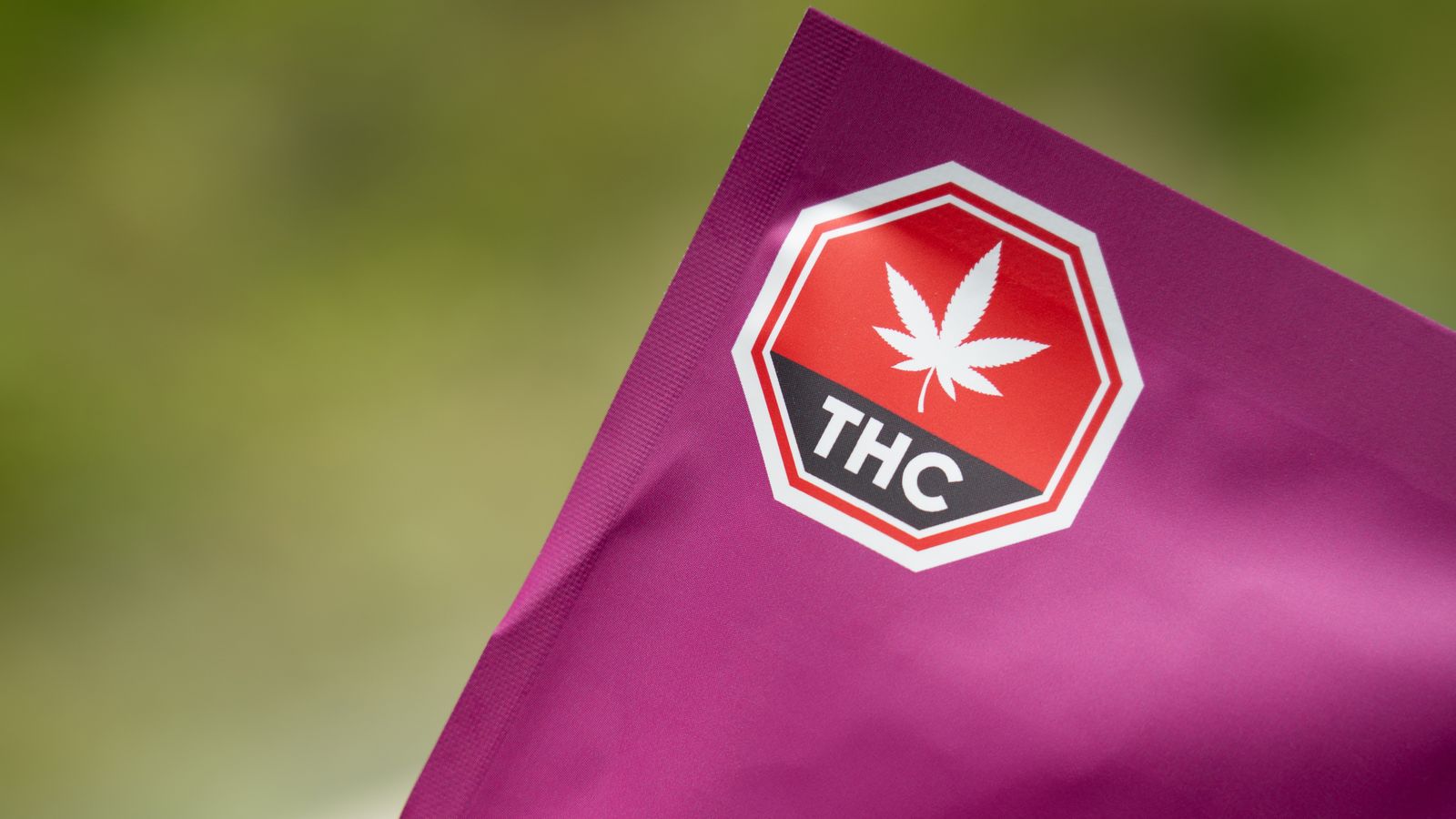
Close-up of cannabis packaging with a THC warning label on a purple background, highlighting safety and regulatory compliance.
The Demographic Shift Outpacing Brand Strategy
Legal cannabis consumers now include suburban parents, corporate executives, and retirees, yet packaging and ad creative often default to counterculture imagery from the 1970s. Fast Company's report highlights the disconnect: while industry data shows cannabis purchasers mirror the general population in age, income, and profession, brand messaging frequently targets a narrow slice of young male consumers.
The stereotype persists despite clear market signals. Women account for nearly half of cannabis purchases in mature state markets. Consumers over 50 represent the fastest-growing segment. Athletes use CBD and THC for recovery. None of these groups see themselves in tie-dye logos or Cheech & Chong references.
Brands That Got the Memo
A handful of companies have rebranded around wellness, sophistication, and everyday use—and they're capturing market share. The article points to brands that position cannabis as a wine alternative, a sleep aid, or a fitness supplement rather than a rebellion signifier.
These companies use:
- Minimalist packaging that wouldn't look out of place in a Whole Foods aisle
- Testimonials from professionals, not just musicians and artists
- Dosing guidance and effect profiles instead of vague "chill vibes" messaging
- Retail environments designed like apothecaries or boutique shops, not head shops
The payoff is measurable. Brands that dropped stoner aesthetics report higher customer retention and broader demographic reach, according to the Fast Company piece.
Why the Old Playbook Lingers
Many cannabis executives came up in the legacy market, where counterculture branding was both authentic and necessary—but that origin story now limits growth. Founders who built brands in the pre-legalization era often resist changing imagery that feels core to their identity, the article notes.
Regulatory restrictions play a role too. Advertising limits in most states push brands toward insider humor and wink-wink messaging that only resonates with existing users. When you can't advertise on major platforms or use straightforward health claims, it's tempting to fall back on subcultural signaling.
But that's a self-limiting strategy. Brands winning in 2026 treat cannabis as a consumer packaged good, not a lifestyle badge.
What Operators Should Watch
The next wave of market consolidation will favor brands that can speak to mass-market consumers without alienating core users. Fast Company's analysis suggests that companies clinging to stoner stereotypes risk becoming niche players as the market matures and competition intensifies.
Operators should audit their brand language, packaging, and retail presentation against a simple test: Would a 55-year-old suburban professional feel comfortable buying this product? If the answer's no, you're leaving money on the table.
For a deeper look at how cannabis brands are evolving their strategies, see the CannIntel topic hub on cannabis branding and marketing.
Frequently asked questions
Why do cannabis brands still use stoner stereotypes in marketing?
Many cannabis executives came from the legacy market, where counterculture branding was authentic and necessary. Advertising restrictions also push brands toward insider humor. However, this strategy limits growth as the consumer base now includes professionals, parents, and seniors who don't identify with those stereotypes.
Which demographics are driving cannabis market growth in 2026?
Women account for nearly half of cannabis purchases in mature state markets. Consumers over 50 represent the fastest-growing segment. Athletes increasingly use CBD and THC for recovery. These groups prefer wellness-focused messaging over counterculture imagery.
What marketing strategies work better than stoner stereotypes?
Successful brands use minimalist packaging, position cannabis as a wine alternative or wellness product, provide clear dosing guidance, and design retail spaces like apothecaries rather than head shops. They feature testimonials from professionals and focus on specific use cases like sleep or fitness recovery.
How can cannabis operators audit their brand messaging?
Ask whether a 55-year-old suburban professional would feel comfortable buying your product. Review packaging, ad creative, and retail presentation for outdated counterculture references. Consider whether your messaging speaks to everyday use cases rather than just lifestyle rebellion.
Sources
The cannabis newsletter you forward to your team.
Federal policy, market data, grower alerts, and the one story that matters today. Sent every weekday at 7am. Free.
No spam. Unsubscribe with one click. 21+ only.
Related from Culture

From 70-Year Sentence to $32 Receipt: One Activist's Cannabis Journey
A first-person account traces the arc from 1968 felony charges for sharing joints to walking out of a legal dispensary in 2026.

UK Employers Rethink Cannabis Testing as 'Drug Thinking' Faces Scrutiny
Personnel Today questions whether British workplaces are clinging to outdated assumptions about cannabis use and impairment.

Cannabis Safety Transparency Strengthens Legalization, Not Weakens It
Advocates argue that addressing contamination and testing gaps head-on builds consumer trust and long-term market viability.
More from the newsroom

Canopy Growth Narrows Losses but Stock Lags on Investor Skepticism
Despite operational improvements and reduced quarterly losses, Canopy Growth shares remain flat as investors question path to profitability.

House Advances Bill Mandating Federal ER Drug Testing Surveillance
Legislation requiring HHS to track marijuana and other drug testing in emergency rooms heads to floor vote this week.

Nebraska Supreme Court Declines to Revive Cannabis Ballot Challenge
State's highest court lets stand a lower-court ruling that cleared two legalization measures for November's ballot.