House Advances Bill Mandating Federal ER Drug Testing Surveillance
Legislation requiring HHS to track marijuana and other drug testing in emergency rooms heads to floor vote this week.
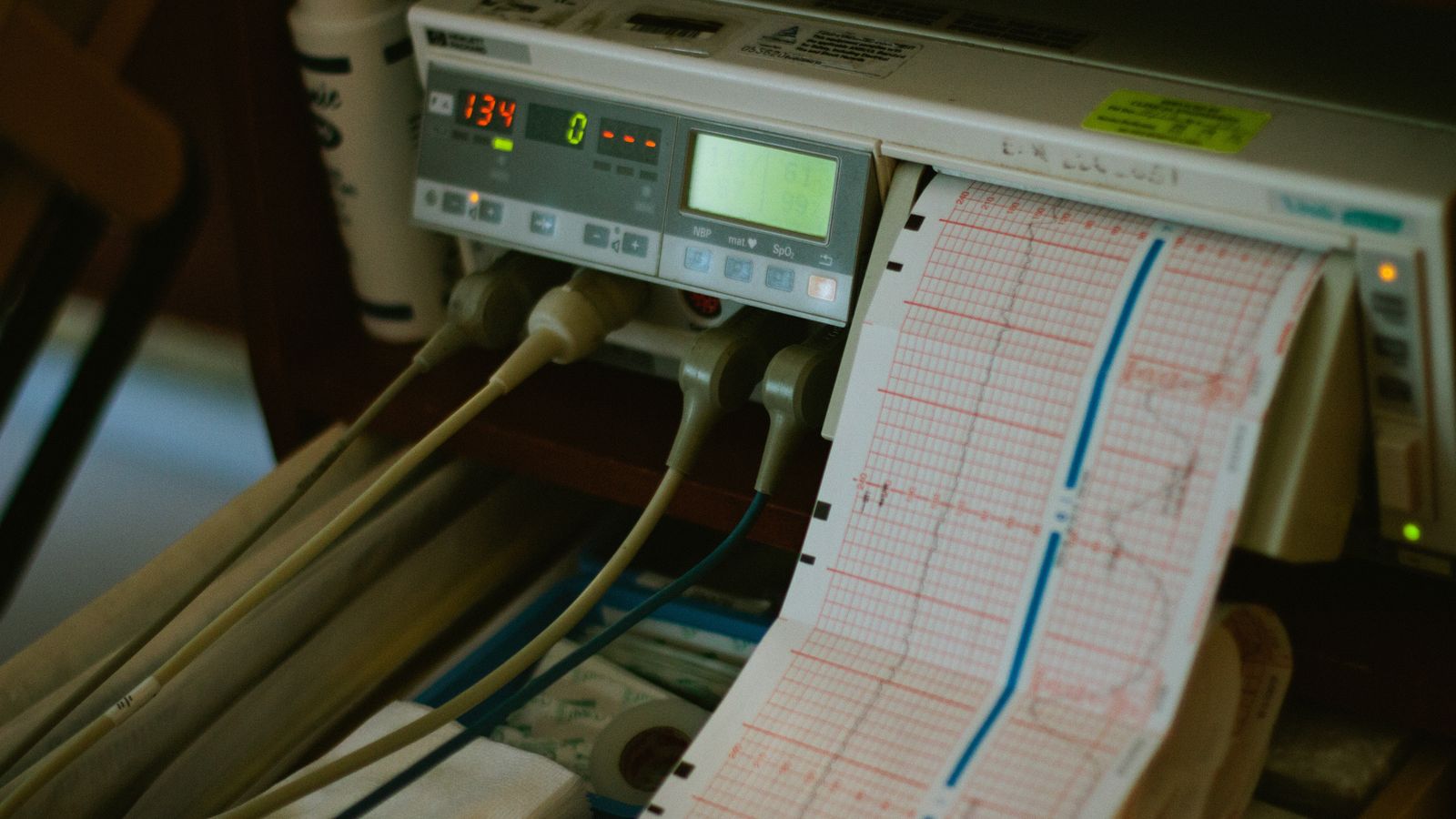
Close-up of an ECG machine displaying heart rate results in a hospital setting.
Legislative Timeline and Procedural Status
The bill advanced to the House floor following committee approval in July 2026 and is scheduled for a full chamber vote during the week of September 14, 2026. It passed the House Energy and Commerce Committee on a voice vote without recorded opposition. Floor consideration was delayed through August recess. Now it's teed up under suspension of the rules—a procedural track typically reserved for non-controversial measures requiring a two-thirds majority.
The legislation doesn't yet have a Senate companion bill. Sponsors haven't publicly indicated whether Senate introduction is planned before the end of the 119th Congress.
Scope of the Surveillance Mandate
The bill directs HHS to establish a standardized reporting framework for emergency departments that receive federal funding, covering all toxicology testing conducted on patients presenting with suspected substance involvement. Covered substances include marijuana, opioids, stimulants, benzodiazepines, and alcohol. Hospitals would be required to report testing protocols, frequency of screening, positive-test rates, and anonymized patient demographic data.
HHS would need to issue guidance within 180 days of enactment outlining reporting standards, data-security protocols, and penalties for non-compliance. The bill doesn't specify a funding authorization or enforcement mechanism beyond existing Medicaid and Medicare reimbursement levers.
Privacy and Civil Liberties Concerns
Civil liberties groups raised objections during committee markup over the absence of explicit patient-consent requirements or data-retention limits. The bill text doesn't mandate informed consent for toxicology screening. It also doesn't prohibit the sharing of aggregated data with law enforcement agencies. Privacy advocates argue the framework could enable backdoor surveillance of cannabis users in states where adult use is legal.
The American Civil Liberties Union submitted written testimony in July 2026 opposing the measure unless amended to include consent protections and a prohibition on data sharing with the Department of Justice or state prosecutors.
Industry and Medical Association Positions
The American Hospital Association endorsed the bill in a July 2026 letter, citing the need for standardized toxicology data to inform overdose-prevention strategies. Existing ER drug-testing practices vary widely by facility, the group emphasized, making it difficult to assess regional trends or allocate public-health resources effectively.
The American Medical Association hasn't taken a formal position. Cannabis trade groups, including the National Cannabis Industry Association, haven't publicly commented on the legislation as of September 14, 2026.
Implications for Cannabis Policy and Rescheduling
The bill's passage would create a federal dataset on marijuana prevalence in emergency settings at the same time DEA is reviewing cannabis scheduling under the Controlled Substances Act. DEA's ongoing rescheduling review, initiated by President Biden's October 2022 directive, has focused heavily on abuse potential and public-health risk. Both are factors that ER toxicology data could inform.
If enacted, the surveillance system would begin collecting data within one year of the bill becoming law, potentially feeding into DEA's administrative record before a final rescheduling determination is published. For context on the federal rescheduling process, see the CannIntel topic hub on federal cannabis drug testing and tracking.
State-Level Precedents and Data Gaps
At least 12 states currently operate voluntary ER drug-surveillance programs, but participation rates are low and data standards are inconsistent. Colorado's system, launched in 2014, captures toxicology results from roughly 40 percent of the state's emergency departments. California and Washington operate similar programs with participation rates below 30 percent.
Federal standardization would close those gaps but also raise questions about how state-legal cannabis activity is categorized in federal health databases. The bill doesn't distinguish between medical and adult-use cannabis or require reporting of legal status under state law.
Next Steps and Political Outlook
If the bill passes the House this week, Senate introduction and committee referral would likely occur in late September or early October 2026. The Senate Health, Education, Labor, and Pensions Committee has jurisdiction. Chairman Bernie Sanders hasn't indicated whether he'll prioritize the measure before the midterm election recess.
The bill's suspension-of-the-rules track suggests broad bipartisan support in the House. Senate passage is uncertain, though, given the chamber's crowded pre-election calendar and the absence of a Senate sponsor as of mid-September.
Frequently asked questions
What does the bill require hospitals to report?
The bill directs federally funded emergency departments to report toxicology testing protocols, screening frequency, positive-test rates for marijuana and other substances, and anonymized patient demographic data to HHS. Reporting standards would be issued by HHS within 180 days of enactment.
Does the bill require patient consent for drug testing?
No. The bill does not mandate informed consent for toxicology screening, nor does it prohibit sharing aggregated data with law enforcement. Civil liberties groups have opposed the measure on privacy grounds.
How could this affect DEA's cannabis rescheduling decision?
The surveillance system would create a federal dataset on marijuana prevalence in emergency settings, which could inform DEA's assessment of abuse potential and public-health risk under the Controlled Substances Act. Data collection would begin within one year of enactment.
Which states already track ER drug testing?
At least 12 states operate voluntary programs, including Colorado, California, and Washington. Participation rates range from 30 to 40 percent, and data standards are inconsistent. The federal bill would standardize reporting nationwide.
What is the Senate outlook for this bill?
No Senate companion bill has been introduced as of September 14, 2026. If the House passes the measure this week, Senate introduction would likely occur in late September, but passage before the midterm recess is uncertain.
Sources
The cannabis newsletter you forward to your team.
Federal policy, market data, grower alerts, and the one story that matters today. Sent every weekday at 7am. Free.
No spam. Unsubscribe with one click. 21+ only.
Related from Laws

San Francisco Releases Draft Cannabis Cafe Rules for Public Comment
City officials seek input on operational standards for on-site consumption venues authorized under AB 1775.

San Francisco Proposes Cannabis Café Rules Allowing Live Music, Food
Draft regulations would permit on-site consumption venues to serve meals and host performances, expanding California's lounge model.

Trump-Linked PAC Uses Cannabis Donations for Anti-Legalization GOP Lawmakers
A Trump-affiliated political action committee is spending marijuana industry money to support Republican candidates who voted against federal cannabis reform.
More from the newsroom

Hawaiʻi Bans Intoxicating Hemp Products Statewide
State officials ordered immediate removal of all hemp-derived THC products from retail shelves effective September 14.
House Bill Directs HHS to Track Cannabis Testing in Hospital ERs
Legislation mandates federal study of marijuana, fentanyl, and other drug screening prevalence in emergency departments nationwide.
Nebraska Supreme Court Dismisses Federal Preemption Challenge to Medical Cannabis
State's high court tosses lawsuit seeking to block medical cannabis program on procedural grounds, leaving door open for future challenge.