UK Employers Rethink Cannabis Testing as 'Drug Thinking' Faces Scrutiny
Personnel Today questions whether British workplaces are clinging to outdated assumptions about cannabis use and impairment.
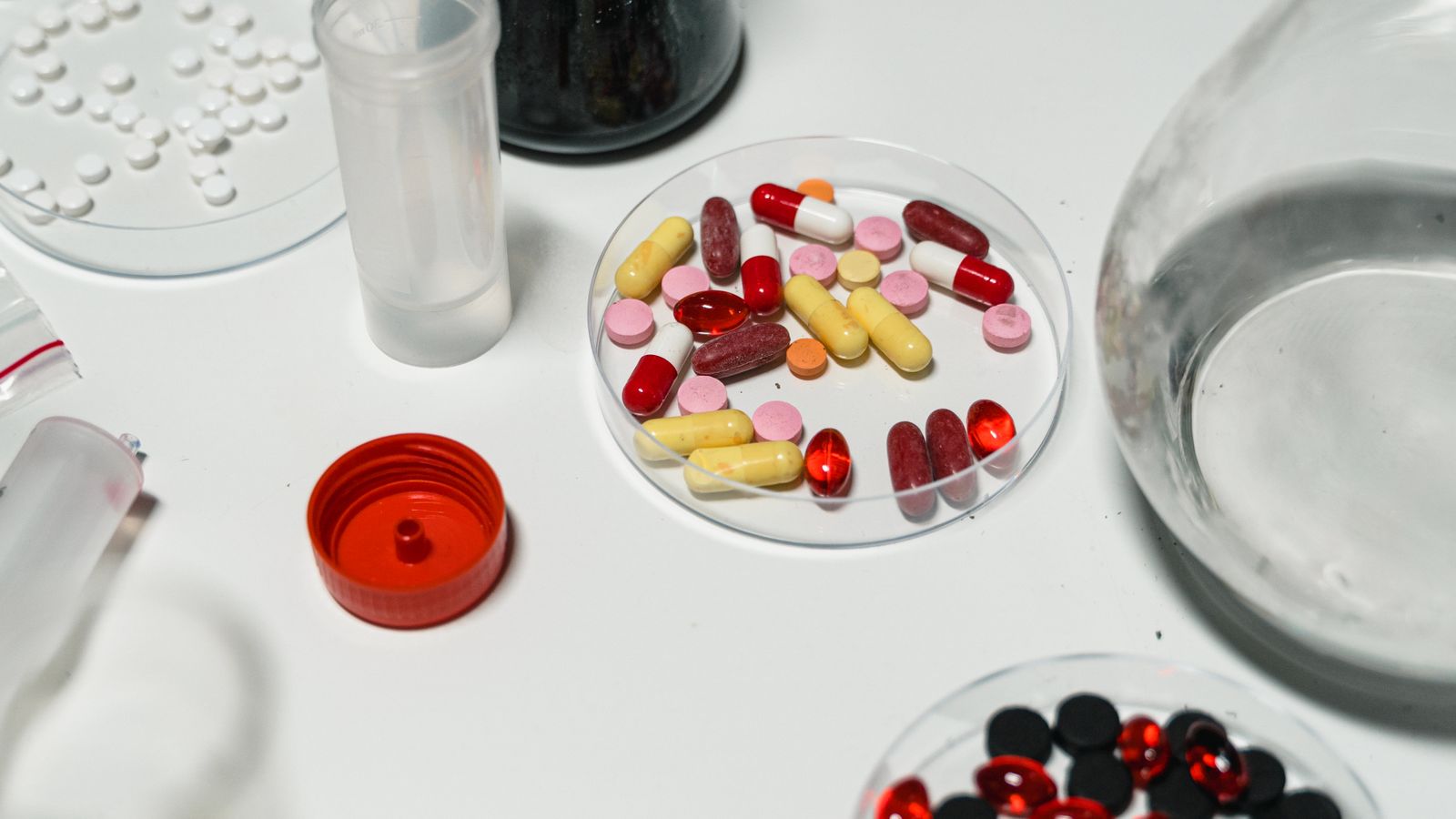
Assorted pills and capsules arranged on a lab table, emphasizing pharmacology and medicine.
The Core Argument: Outdated Frameworks Meet Modern Realities
Personnel Today's analysis argues that many UK employers still apply 'drug thinking' rooted in abstinence-only models that don't distinguish between cannabis consumed days earlier and actual workplace impairment. The piece comes as Britain's medicinal cannabis framework expands and neighboring jurisdictions—Germany, Luxembourg, Malta—move toward adult-use legalization, creating pressure on HR departments to modernize testing and discipline protocols.
The tension is sharpest for safety-sensitive roles. Traditional urinalysis detects THC metabolites for weeks after use, long past any intoxicating effect. An employee who vaped on Saturday tests positive on Monday, triggering termination even though cognitive function has returned to baseline. That's the mismatch.
Medical Cannabis Patients in the Crosshairs
UK medical cannabis prescriptions have grown 300% since 2021, yet most workplace drug policies contain no carve-out for legal patients. Personnel Today highlights cases where employees with valid prescriptions for chronic pain or PTSD face disciplinary action identical to recreational users, raising disability-discrimination questions under the Equality Act 2010.
Employment tribunals have questioned whether blanket bans can be justified when less restrictive measures—impairment testing, reasonable accommodation—exist. One tribunal ruling noted that firing a prescribed patient without assessing actual job performance 'substitutes policy for evidence.' The judges aren't buying it.
Impairment Testing vs. Presence Testing
The article spotlights a shift from metabolite detection to real-time impairment assessment, using tools like cognitive testing apps, eye-tracking devices, and oral-fluid tests that capture recent use. These methods aim to answer the question that matters: is the worker impaired now, not did they consume cannabis last week.
- Oral-fluid tests: detect THC for 12-24 hours, closer to the window of psychoactive effect
- Cognitive baselines: apps measure reaction time and decision-making against the employee's own sober performance
- Observational protocols: supervisor checklists for behavioral signs of impairment, applied equally to alcohol, fatigue, or cannabis
Construction firms and logistics operators in Germany—where adult use launches in 2027—are piloting these models to comply with works council agreements that reject blanket testing, Personnel Today notes.
The Safety-Sensitive Carve-Out Under Pressure
Even in high-risk industries, the report argues, employers must justify why a zero-tolerance policy is the least discriminatory option. For roles like forklift operation or crane work, the case is straightforward. For office-based 'safety-sensitive' designations—IT security, financial compliance—the rationale is thinner.
One HR director quoted in the piece (anonymously, a choice that weakens the sourcing) described internal debate over whether to test software engineers who handle customer data. The compromise: no random testing, but post-incident protocols if a breach occurs. That mirrors approaches in U.S. states like New York, where off-duty cannabis use is protected unless the role meets a statutory safety threshold.
European Precedents Reshaping UK Debate
Germany's Cannabis Act (CanG), effective April 2024, explicitly prohibits employment discrimination based on legal cannabis use outside working hours. Personnel Today frames this as a bellwether for UK policy, especially as British employers with German subsidiaries harmonize HR standards across borders.
Malta and Luxembourg have enacted similar protections. The EU's emerging consensus: employers can regulate intoxication at work but can't penalize lawful off-duty consumption. That principle hasn't reached UK statute, but employment lawyers interviewed for the report expect tribunal case law to drift in that direction as medical use becomes routine.
What HR Departments Are Doing Now
Forward-looking UK employers are rewriting drug policies to separate 'use' from 'impairment,' add medical-cannabis accommodations, and train managers on observable signs of intoxication rather than relying on test results alone. Personnel Today recommends:
- Policy audits: remove language that treats all positive tests as misconduct; add reasonable-accommodation clauses for prescribed patients.
- Impairment-based protocols: replace or supplement urinalysis with oral-fluid or cognitive testing for roles where real-time assessment matters.
- Manager training: teach supervisors to document performance issues (missed deadlines, safety lapses) rather than speculate about off-duty behavior.
- Legal review: consult employment counsel on Equality Act exposure when disciplining medical users.
The bottom line? Employers who cling to 1990s-era drug frameworks risk tribunal losses, talent attrition, and reputational damage as cannabis normalization accelerates. For the full policy landscape, see the CannIntel topic hub on cannabis workplace policies.
For complete background, history, and our ongoing coverage of this story:
Open the CannIntel topic hub →Frequently asked questions
Can UK employers fire medical cannabis patients who test positive?
Currently yes, but tribunals are scrutinizing whether blanket bans constitute disability discrimination under the Equality Act 2010. Employers must show the policy is a proportionate means of achieving a legitimate aim, and some judges have ruled that firing prescribed patients without assessing actual impairment fails that test.
What is the difference between impairment testing and presence testing?
Presence testing (urinalysis) detects THC metabolites for weeks after use, long past intoxication. Impairment testing (oral fluid, cognitive apps, observational checklists) measures current psychoactive effect or job performance, answering whether the employee is impaired now rather than whether they used cannabis days ago.
How does Germany's Cannabis Act affect UK employers?
Germany's CanG prohibits employment discrimination for legal off-duty cannabis use. UK firms with German subsidiaries are harmonizing policies to comply, and employment lawyers expect UK tribunals to adopt similar reasoning as medical cannabis becomes routine and European legalization spreads.
What should UK employers do to modernize cannabis policies?
Audit policies to separate use from impairment, add reasonable accommodations for medical patients, replace or supplement urinalysis with real-time impairment tools, and train managers to document performance issues rather than speculate about off-duty behavior. Consult employment counsel on Equality Act exposure.
Sources
The cannabis newsletter you forward to your team.
Federal policy, market data, grower alerts, and the one story that matters today. Sent every weekday at 7am. Free.
No spam. Unsubscribe with one click. 21+ only.
Related from Culture

Antigua Weighs Rastafari Religious Exemptions in Cannabis Framework
Caribbean nation examines sacramental-use carveouts as faith leaders press for formal protections.

From 70-Year Sentence to $32 Receipt: One Activist's Cannabis Journey
A first-person account traces the arc from 1968 felony charges for sharing joints to walking out of a legal dispensary in 2026.
Cannabis Safety Transparency Strengthens Legalization, Not Weakens It
Advocates argue that addressing contamination and testing gaps head-on builds consumer trust and long-term market viability.
More from the newsroom

Antigua & Barbuda's Cannabis Framework Marks Eight-Year Evolution
The Caribbean nation's regulatory structure has progressed from decriminalization in 2018 to a licensing regime targeting economic diversification.

San Francisco Releases Draft Cannabis Cafe Rules for Public Comment
City officials seek input on operational standards for on-site consumption venues authorized under AB 1775.

San Francisco Proposes Cannabis Café Rules Allowing Live Music, Food
Draft regulations would permit on-site consumption venues to serve meals and host performances, expanding California's lounge model.