Anheuser-Busch Heir Billy Busch Enters Missouri Cannabis Market
The beer dynasty scion is launching a cannabis venture in Missouri, drawing on family brand equity in a state where adult-use sales topped $1.1 billion in 2025.
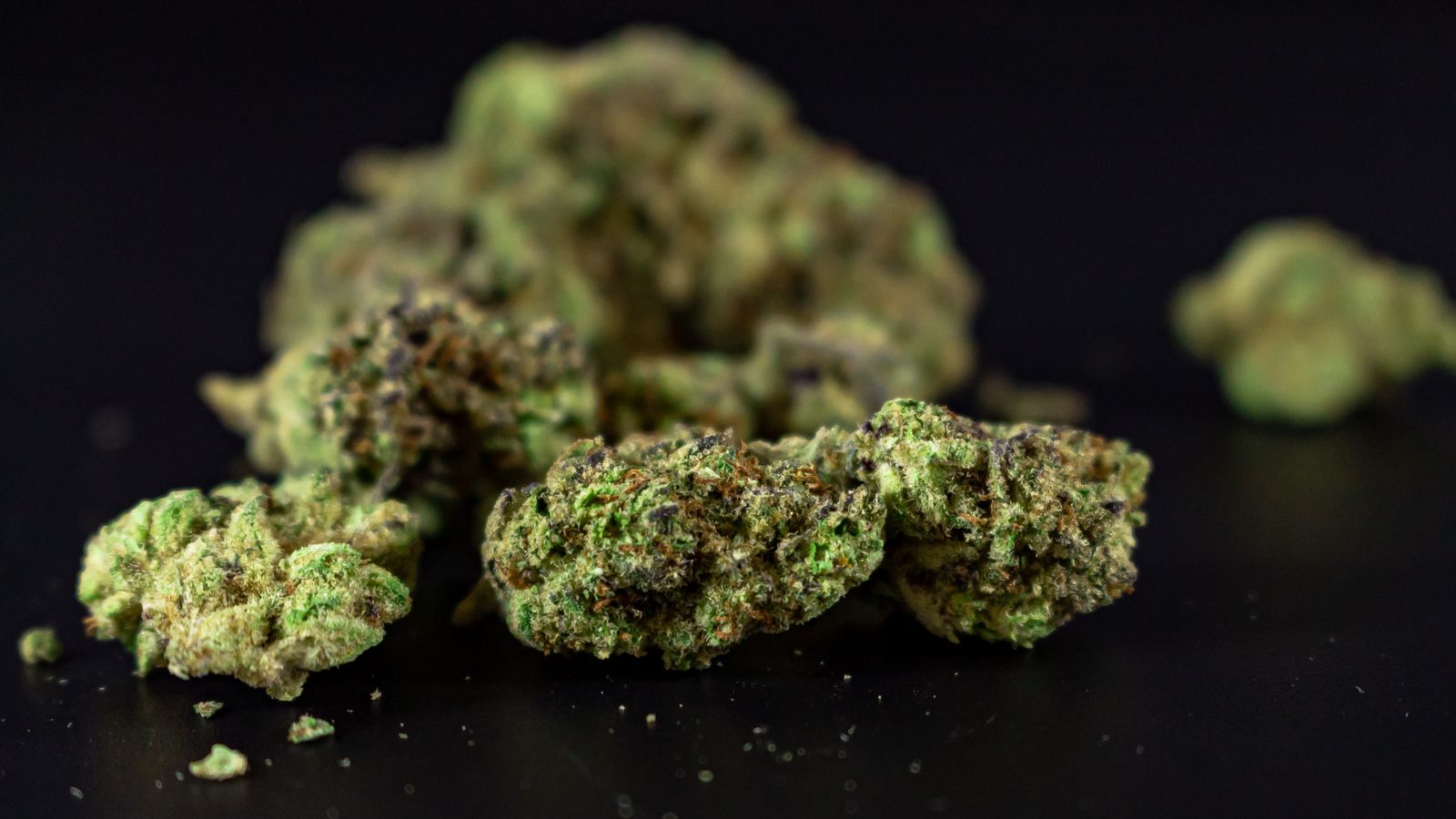
Detailed close-up of cannabis flowers, showcasing texture and color against a black backdrop.
Busch Family Legacy Meets Cannabis
Billy Busch is deploying family brand recognition and capital into a Missouri cannabis market that generated over $1.1 billion in adult-use sales in 2025. The Busch family, synonymous with Budweiser and the St. Louis brewing empire sold to InBev in 2008, has historically avoided cannabis despite the industry's growth. Busch's entry signals a generational shift among legacy beverage families viewing state-legal cannabis as a diversification play.
Missouri legalized adult-use cannabis in November 2022 via Amendment 3. Sales launched February 2023. The state's existing medical operators converted licenses, creating a head start for established MSOs like Green Thumb Industries and Verano Holdings. Busch's venture will compete in a market where 192 dispensaries served 2.1 million transactions in Q1 2026 alone, according to Missouri Department of Health and Senior Services data.
Cultivation and Retail Strategy
Busch's operation will focus on indoor cultivation and branded retail locations, with an initial footprint targeting the St. Louis metro area. The venture is structured as a privately held LLC, with Busch holding majority equity. Licensing applications were filed with the Missouri Division of Cannabis Regulation in March 2026, according to state records.
Missouri's regulatory framework caps cultivation licenses at 60 statewide, with 282 dispensary licenses issued as of June 2026. The market remains moderately competitive: the top five operators control approximately 38% of retail sales, leaving room for well-capitalized entrants. Busch's brand equity—tied to decades of Missouri sports sponsorships and regional loyalty—could translate into consumer trust, a variable that's proven decisive in crowded adult-use markets like Illinois and Michigan.
Cross-Industry Capital Flows
The Busch family's cannabis bet reflects a broader trend of alcohol and CPG executives entering state-legal markets as federal prohibition shows cracks. In 2025, Constellation Brands increased its stake in Canopy Growth to 42%, while Molson Coors launched a CBD beverage line in Colorado. Busch's move is notable for its geographic focus: Missouri isn't a coastal bellwether or a legacy medical state, but a Midwest adult-use market with 6.2 million residents and no interstate commerce.
Federal rescheduling remains stalled in 2026, with DEA hearings on the HHS recommendation to move cannabis to Schedule III ongoing. Missouri operators, including Busch, will continue to face 280E tax burdens—effective tax rates exceeding 70% for vertically integrated businesses—until Congress acts or rescheduling concludes.
Market Saturation Risks
Missouri's cannabis market is maturing faster than most states, with per-capita sales in 2025 trailing only Colorado and Nevada among adult-use programs. Monthly sales peaked at $136 million in December 2025, then declined 8% in Q1 2026 as seasonal demand normalized. Average transaction size fell from $87 in Q4 2025 to $79 in Q1 2026, signaling price compression as supply caught up with demand.
Busch enters a market where wholesale flower prices dropped 22% year-over-year in 2025, from $2,400 per pound to $1,870, according to Missouri Cannabis Trade Association data. Operators with inefficient cultivation or high overhead are consolidating: three dispensaries closed in Kansas City in Q2 2026, and two St. Louis cultivators listed assets for sale.
Brand Differentiation in a Commodity Market
Busch's advantage lies in brand storytelling, not cultivation scale. Missouri consumers skew older (median age 41) and more brand-loyal than coastal markets, per MJBizDaily's 2025 consumer survey. The Busch name carries weight in St. Louis and rural Missouri, where Anheuser-Busch employed 30,000 workers at its peak and sponsored the Cardinals, Blues, and county fairs for a century.
The risk? Cannabis consumers prioritize potency, terpene profiles, and price over legacy branding. In Michigan, celebrity-backed brands captured less than 4% market share in 2025. Busch will need to deliver on product quality—tight trim, consistent cannabinoid profiles, transparent testing—or the family name becomes a liability.
Regulatory and Tax Headwinds
Missouri's 6% adult-use excise tax is among the lowest in the U.S., but 280E remains the dominant cost driver for vertically integrated operators. Busch's LLC structure will allow pass-through taxation at the state level, but federal COGS limitations under 280E mean the operation can't deduct payroll, marketing, or rent. Effective tax rates for Missouri cultivators averaged 68% in 2025, per a survey of 14 license holders conducted by the University of Missouri Extension.
For context on Missouri's evolving regulatory landscape, see the CannIntel topic hub on Missouri cannabis. The Division of Cannabis Regulation has signaled no new cultivation licenses will be issued in 2026, cementing Busch's application as part of the final cohort before a potential moratorium.
What to Watch
Busch's license approval is expected by September 2026, with retail openings targeted for Q1 2027. The operation's success will hinge on three variables: cultivation efficiency (cost per gram harvested), retail site selection (foot traffic and local zoning), and brand activation (whether the Busch name drives trial or becomes wallpaper). Missouri's market will add an estimated 15-20 new dispensaries in 2026, making differentiation harder with each quarter.
One political variable looms. Missouri's Republican-controlled legislature has floated bills to cap THC potency and restrict marketing, though none advanced in the 2026 session. A conservative governor elected in November 2026 could shift the regulatory tone, adding compliance risk for new entrants.
Sources
The cannabis newsletter you forward to your team.
Federal policy, market data, grower alerts, and the one story that matters today. Sent every weekday at 7am. Free.
No spam. Unsubscribe with one click. 21+ only.
Related from Business

Eight Companies Apply for Industrial Cannabis Licenses in Ghana
Ghana's Narcotics Control Commission reviews cultivation applications as West African nation advances regulated hemp program.
Safe Harbor Unveils Cannabis Banking Model at ACB Conference
Financial services firm presents operational framework for state-licensed cannabis businesses at industry banking summit.

MSOS ETF Could See Upside From 280E Relief, Analyst Says Hold
Seeking Alpha analyst cites tax-reform potential but recommends investors wait on multi-state operator ETF.
More from the newsroom

Ghana Government Weighs Approval of Industrial Hemp Production
Regulatory framework under review as West African nation considers entry into global hemp market.
Rhode Island blocks local opt-outs for marijuana retail in 2027
State law will prohibit municipalities from banning licensed cannabis shops starting January 1, 2027.

California Seizes $104 Million in Illegal Cannabis in Multi-County Bust
Coordinated enforcement across multiple California counties nets over $104 million in illicit product in one of the state's largest-ever cannabis seizures.