Rhode Island blocks local opt-outs for marijuana retail in 2027
State law will prohibit municipalities from banning licensed cannabis shops starting January 1, 2027.
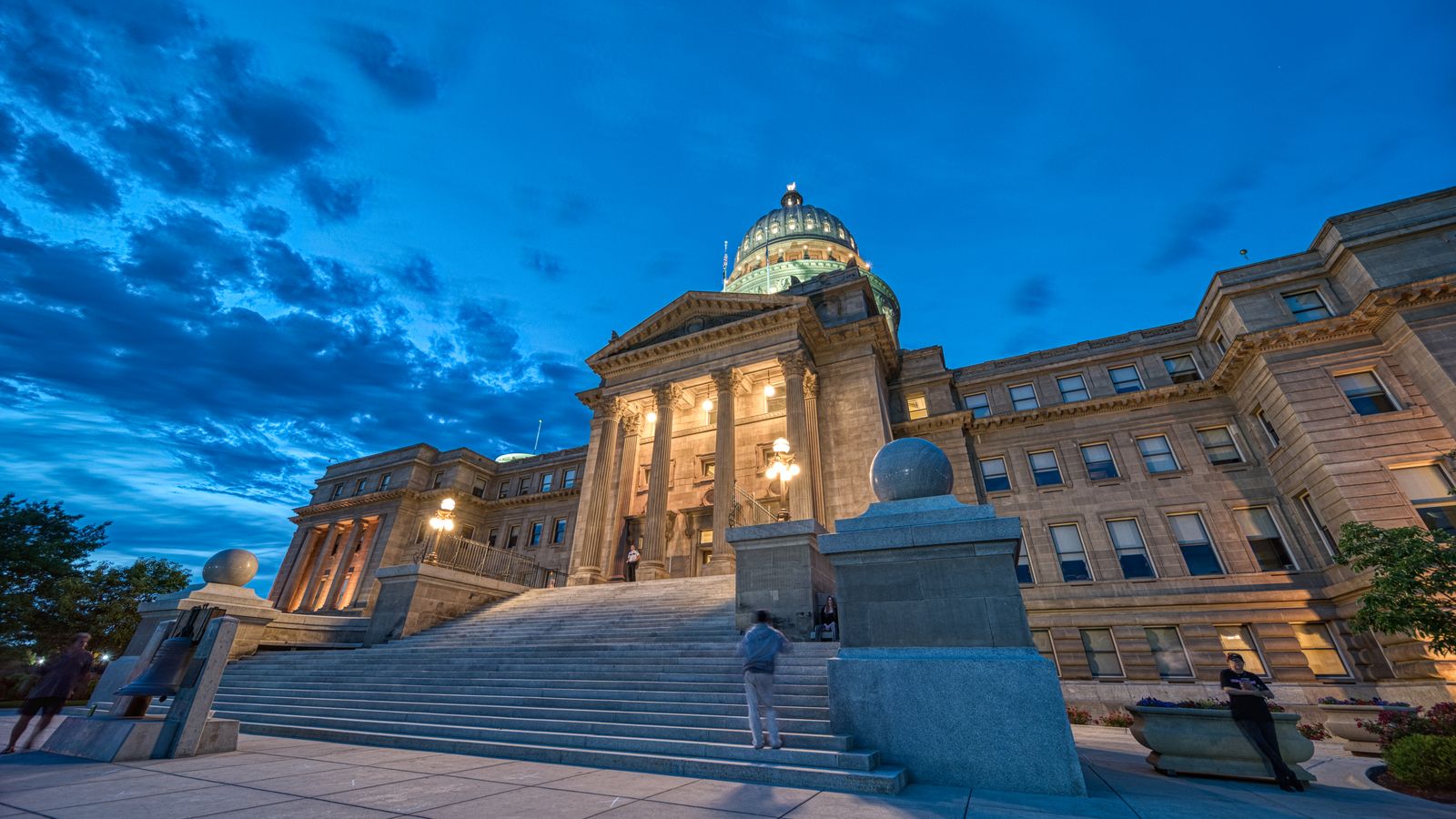
Exterior of historic classic palace with dome and decorative pillars near spacious staircase at dark peaceful night
Five-year local control window closes at year-end
The Rhode Island Cannabis Act, enacted in May 2022, granted municipalities a five-year window to prohibit retail marijuana establishments through local ordinance, a period that expires December 31, 2026. After that date, cities and towns may regulate zoning, hours of operation, and density of cannabis retailers, but can't ban them outright. The law applies to all license classes authorized by the state Cannabis Control Commission, including cultivators, manufacturers, and testing facilities, though municipalities retain broader authority over cultivation sites.
The General Assembly structured the transition to allow communities time to establish local regulations while ensuring statewide access to legal cannabis. Representative Scott Slater, who sponsored the 2022 legislation, said the sunset provision was intended to prevent a patchwork of dry towns that would undermine the regulated market. Both chambers passed the provision by veto-proof margins.
Current municipal bans and their expiration
At least 14 Rhode Island municipalities enacted temporary bans or moratoria on retail marijuana establishments between 2022 and 2024, including Smithfield, Barrington, East Greenwich, and Jamestown. Those ordinances become unenforceable on January 1, 2027. Towns that passed bans did so primarily through town council votes; none held voter referendums on the question. Smithfield's ban, adopted in June 2022, cited concerns over proximity to schools and residential neighborhoods.
As of June 2026, the Cannabis Control Commission has issued 33 retail licenses statewide. Twenty-two stores are operational. Most are concentrated in Providence, Warwick, and Pawtucket, while communities that enacted bans saw no licensed retail activity during the transition period, though residents could purchase from shops in neighboring towns or through delivery services licensed under the state's medical marijuana program.
Zoning authority remains with local governments
After the opt-out window closes, municipalities retain full zoning authority to regulate the location, density, and operating parameters of cannabis retailers. Towns may impose buffer zones from schools, parks, and residential areas. They can set caps on the number of licenses within municipal boundaries. They can restrict hours of operation. The Cannabis Act requires retailers to comply with local zoning ordinances in addition to state licensing requirements.
Several municipalities have already drafted zoning frameworks in anticipation of the 2027 deadline. Smithfield's planning board discussed a proposed ordinance in May 2026 that would limit retail marijuana establishments to industrial zones and require 1,000-foot buffers from schools and daycare centers. East Greenwich's town council tabled a similar proposal in April, citing uncertainty over state guidance on delivery-only licenses. The Cannabis Control Commission has issued advisory bulletins on zoning best practices but doesn't mandate specific local rules.
Enforcement and compliance after January 2027
The Cannabis Control Commission will enforce the statewide prohibition on local bans starting January 1, 2027, and may revoke or suspend licenses if municipalities attempt to block operations through non-zoning mechanisms. Commission regulations specify that any local action with the practical effect of prohibiting a licensed retailer—such as denying utility hookups, refusing occupancy permits, or imposing prohibitive fees—constitutes an illegal ban subject to state preemption. Retailers facing such barriers may file complaints with the commission, which has authority to order municipalities to comply.
The state attorney general's office hasn't issued formal guidance on enforcement mechanisms, but the Cannabis Act includes a private right of action allowing licensees to sue municipalities in Superior Court for injunctive relief. No such lawsuits have been filed to date. For full background on this story, see the CannIntel topic hub on Rhode Island Cannabis Rollout.
The next regulatory milestone is the Cannabis Control Commission's September 2026 rulemaking on social consumption licenses, which may face similar local-control questions. Three public hearings are scheduled for August.
Frequently asked questions
Can Rhode Island towns still ban marijuana shops after 2027?
No. Effective January 1, 2027, municipalities cannot prohibit licensed cannabis retailers. The five-year local opt-out window in the Rhode Island Cannabis Act expires December 31, 2026. Towns retain zoning authority but cannot enact outright bans.
Which Rhode Island towns currently ban marijuana retailers?
At least 14 municipalities enacted bans or moratoria between 2022 and 2024, including Smithfield, Barrington, East Greenwich, and Jamestown. All such ordinances become unenforceable on January 1, 2027, under the sunset provision in state law.
What zoning powers do Rhode Island towns keep over cannabis shops?
Municipalities retain full authority to regulate location, density, buffer zones, and operating hours through zoning ordinances. Towns may limit retailers to commercial or industrial zones and impose distance requirements from schools and residential areas, but cannot ban them outright.
How will Rhode Island enforce the ban on local opt-outs?
The Cannabis Control Commission may revoke or suspend licenses if municipalities block operations through non-zoning mechanisms. Licensees may file complaints with the commission or sue towns in Superior Court for injunctive relief under the private right of action in the Cannabis Act.
How many marijuana retailers operate in Rhode Island as of 2026?
The Cannabis Control Commission issued 33 retail licenses statewide as of June 2026, with 22 stores operational. Most are located in Providence, Warwick, and Pawtucket. No licensed retailers operate in towns that enacted temporary bans during the transition period.
Sources
The cannabis newsletter you forward to your team.
Federal policy, market data, grower alerts, and the one story that matters today. Sent every weekday at 7am. Free.
No spam. Unsubscribe with one click. 21+ only.
Related from Laws

TSA Bars Medical Marijuana on Georgia Flights Despite State Law
Federal aviation rules override Georgia's medical program, leaving patients at legal risk when flying.

German Lawmakers Reject Medical Cannabis Insurance Coverage Expansion
Bundestag committee votes down proposal to broaden statutory health insurance reimbursement for cannabis prescriptions.

South Korean Lawmaker Introduces Medical Cannabis Production Bill
Legislation would permit domestic cultivation and manufacture of cannabis-derived medicines for the first time in South Korea.
More from the newsroom

Courts Rule Cannabis Companies Face Liability for Capital-Raising Violations
Recent rulings hold cannabis operators accountable for securities and lending compliance failures during fundraising and deployment.

OMB Proposes Cannabis Industry Classification in NAICS 2027 Update
Federal statistical framework would recognize cannabis as distinct economic sector for first time.

MSOs Set for $1B in Tax Refunds, $2B Annual Savings From Rescheduling
Cannabis rescheduling triggers retroactive 280E relief and recurring tax savings that reshape MSO profitability.