Safe Harbor Unveils Cannabis Banking Model at ACB Conference
Financial services firm presents operational framework for state-licensed cannabis businesses at industry banking summit.
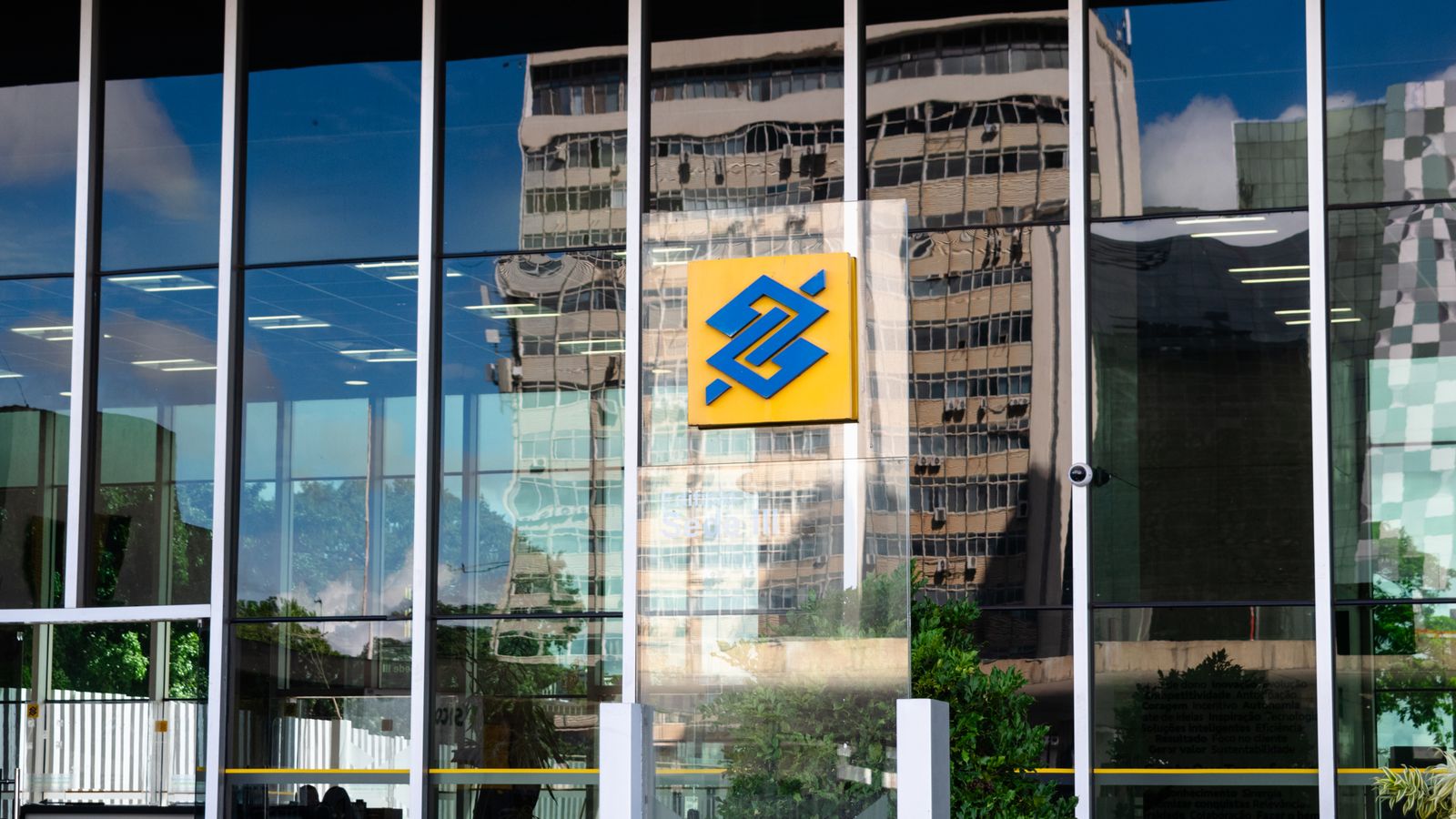
Modern building exterior in Brasília, Brazil, featuring reflective glass and iconic Banco logo.
Safe Harbor Details Compliance-First Account Structure
Safe Harbor's model centers on enhanced due diligence protocols that exceed standard Bank Secrecy Act requirements for cannabis clients. The firm's presentation outlined a three-tier account structure: tier-one accounts for cultivation and manufacturing operations with quarterly on-site audits, tier-two accounts for retail dispensaries with monthly transaction reviews, and tier-three accounts for ancillary service providers subject to standard commercial banking oversight.
Each cannabis account undergoes initial compliance screening that includes state license verification, ownership background checks, and cash-flow modeling to detect potential diversion. Safe Harbor maintains a dedicated compliance team that files Suspicious Activity Reports (SARs) for all cannabis accounts under FinCEN's 2014 guidance, regardless of transaction flags.
Account opening timelines average 45 to 60 days. That's compared to 7 to 14 days for non-cannabis commercial accounts. Safe Harbor attributes the delay to manual review processes required under its risk-management framework.
Fee Structure Reflects Elevated Compliance Costs
Safe Harbor charges cannabis clients monthly service fees ranging from $1,200 to $3,500, depending on account tier and transaction volume. The fees cover compliance monitoring, SAR filing, and armored-car coordination for cash deposits. Standard commercial accounts at Safe Harbor carry monthly fees of $150 to $400.
The pricing reflects the operational reality that cannabis banking requires three to five times the compliance labor of conventional commercial accounts.
Safe Harbor's model also includes per-transaction fees for cash deposits exceeding $10,000, a threshold designed to discourage structuring while accommodating the cash-intensive nature of state-legal cannabis retail. The firm partners with Loomis and Garda for armored transport, passing those costs through to clients at cost-plus-10-percent.
Market Positioning Amid SAFE Banking Act Uncertainty
Safe Harbor's public presentation of its banking model signals confidence in demand despite the failure of the SAFE Banking Act to advance in the 118th Congress. The firm operates in 12 states where cannabis is legal for adult use, serving approximately 400 cannabis business accounts as of Q2 2026, according to conference materials.
The absence of federal safe-harbor legislation leaves banks exposed to potential money-laundering charges under 18 U.S.C. § 1956, even when serving state-compliant operators. Safe Harbor mitigates this risk through strict adherence to FinCEN guidance and state regulatory coordination, but the legal uncertainty constrains scale. The firm's 400-account client base represents less than 2 percent of the estimated 15,000 active state-licensed cannabis businesses nationwide.
Industry observers note that Safe Harbor's willingness to detail its operational framework publicly may reflect an effort to attract institutional capital or position for acquisition as larger regional banks weigh entry into cannabis banking. For a full overview of the federal and state banking landscape, see the CannIntel topic hub on Cannabis Banking Solutions.
The next inflection point: whether the 119th Congress takes up cannabis banking reform in 2027, and whether Safe Harbor's compliance-heavy model becomes the industry standard or a transitional framework.
Frequently asked questions
Why does Safe Harbor charge higher fees for cannabis banking?
Safe Harbor's cannabis accounts require enhanced due diligence, quarterly on-site audits, monthly transaction reviews, and Suspicious Activity Report filings under FinCEN guidance. These compliance obligations demand three to five times the labor of standard commercial accounts, driving monthly fees of $1,200 to $3,500 versus $150 to $400 for non-cannabis clients.
What is Safe Harbor's three-tier account structure?
Tier-one accounts serve cultivation and manufacturing operations with quarterly on-site audits. Tier-two accounts serve retail dispensaries with monthly transaction reviews. Tier-three accounts serve ancillary service providers under standard commercial banking oversight. Each tier has distinct compliance requirements and fee schedules.
How many cannabis businesses does Safe Harbor serve?
Safe Harbor serves approximately 400 cannabis business accounts across 12 adult-use states as of Q2 2026. This represents less than 2 percent of the estimated 15,000 active state-licensed cannabis businesses nationwide, reflecting the limited availability of banking services in the sector.
Does Safe Harbor's model comply with federal law?
Safe Harbor operates under FinCEN's 2014 guidance for cannabis banking, filing SARs for all cannabis accounts and conducting enhanced due diligence. However, cannabis remains a Schedule I controlled substance, and banks serving the industry face potential money-laundering exposure under 18 U.S.C. § 1956 absent federal safe-harbor legislation.
Sources
The cannabis newsletter you forward to your team.
Federal policy, market data, grower alerts, and the one story that matters today. Sent every weekday at 7am. Free.
No spam. Unsubscribe with one click. 21+ only.
Related from Business

Eight Companies Apply for Industrial Cannabis Licenses in Ghana
Ghana's Narcotics Control Commission reviews cultivation applications as West African nation advances regulated hemp program.

MSOS ETF Could See Upside From 280E Relief, Analyst Says Hold
Seeking Alpha analyst cites tax-reform potential but recommends investors wait on multi-state operator ETF.
Anheuser-Busch Heir Billy Busch Enters Missouri Cannabis Market
The beer dynasty scion is launching a cannabis venture in Missouri, drawing on family brand equity in a state where adult-use sales topped $1.1 billion in 2025.
More from the newsroom

Anti-Cannabis Measure Qualifies for Massachusetts Ballot
A citizen-led initiative to roll back parts of the state's adult-use program has secured enough signatures to appear before voters in November 2026.

Ghana Government Weighs Approval of Industrial Hemp Production
Regulatory framework under review as West African nation considers entry into global hemp market.
Rhode Island blocks local opt-outs for marijuana retail in 2027
State law will prohibit municipalities from banning licensed cannabis shops starting January 1, 2027.