Hong Kong Customs Seizes Record HK$125M Marijuana Shipment, Arrests Three
The maritime seizure marks Hong Kong's largest cannabis bust by value, underscoring persistent smuggling despite the city's zero-tolerance stance.
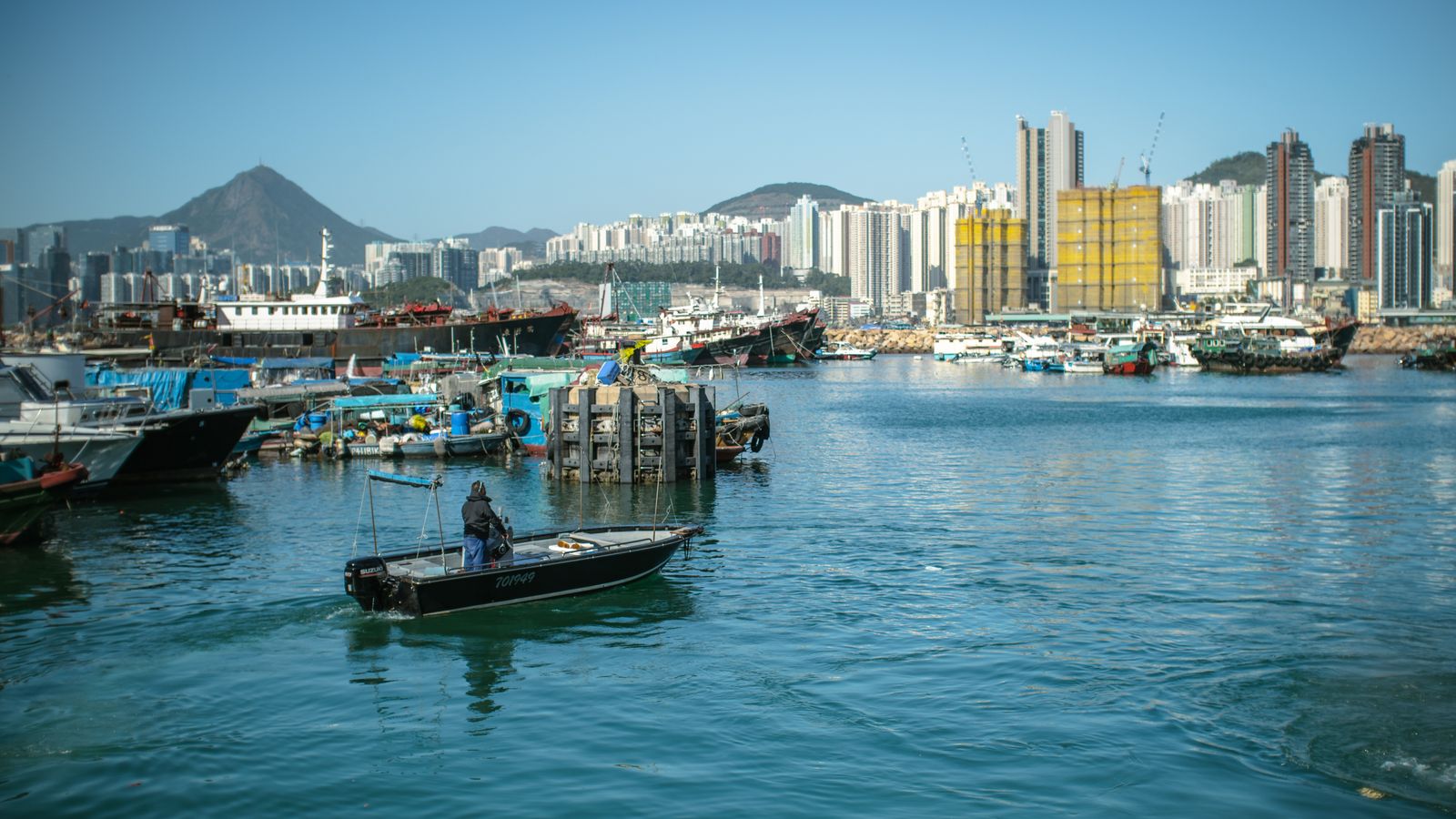
A bustling Hong Kong harbor scene featuring boats, skyscrapers, and clear blue skies.
Record Seizure Reflects Maritime Smuggling Shift
Hong Kong Customs intercepted approximately 500 kilograms of cannabis flower valued at HK$125 million in a single maritime shipment, the largest single-operation seizure in the territory's enforcement history. The operation, conducted September 18, targeted a sea-freight container that had bypassed air-cargo screening protocols increasingly scrutinized by authorities since 2024.
Three arrested individuals—two men and one woman aged 28 to 45—face trafficking charges under Hong Kong's Dangerous Drugs Ordinance, which carries a maximum penalty of life imprisonment and a HK$5 million fine for commercial-scale trafficking. Customs officials didn't disclose the shipment's origin port or details on the intended distribution network.
Hong Kong's Zero-Tolerance Cannabis Regime
Hong Kong maintains absolute prohibition on cannabis possession, sale, and cultivation, with no medical or industrial hemp exceptions. The territory's Dangerous Drugs Ordinance classifies all cannabis and cannabis-derived products—including CBD isolates and THCA concentrates—as Schedule 1 controlled substances, regardless of delta-9 THC content.
This contrasts sharply with jurisdictions like Thailand, which decriminalized cannabis in 2022 before partially reversing course in 2024. Mainland China permits industrial hemp cultivation under strict THC thresholds. Hong Kong's enforcement posture hasn't shifted despite regional policy experimentation.
Enforcement Pattern: From Air to Sea
The maritime route marks a tactical shift. Between 2023 and 2025, Hong Kong Customs reported 87% of cannabis seizures originated from air-cargo parcels, primarily from North America and Europe. Sea-freight seizures? Less than 10% of total volume. But they represented larger individual shipments.
Customs officials attributed the shift to enhanced X-ray screening and canine detection at Hong Kong International Airport, which processed over 4.5 million tonnes of air cargo in 2025. Maritime container traffic—exceeding 18 million TEUs annually—presents a broader surface area for smuggling despite port-side inspections.
Market Dynamics and Pricing
The HK$125 million valuation translates to approximately HK$250,000 per kilogram, or US$32,000 per kilogram, reflecting Hong Kong's illicit market premium. Wholesale cannabis prices in legal North American markets range from US$800 to US$1,500 per kilogram, suggesting a 20-to-40x markup driven by prohibition scarcity and enforcement risk.
Hong Kong's cannabis market remains entirely underground. No licensed dispensaries. No cultivation facilities. Demand is driven by expatriate populations and younger demographics, according to enforcement patterns, though Customs doesn't publish consumption prevalence data.
Regional Enforcement Context
Hong Kong's aggressive stance contrasts with evolving policies across Asia. Thailand's 2022 decriminalization sparked a regional cultivation boom before the government imposed new restrictions in 2024 limiting THC content in consumer products. South Korea permits medical cannabis under narrow conditions, while Japan maintains strict prohibition but allows CBD isolates derived from mature cannabis stalks and seeds.
Mainland China permits industrial hemp cultivation in Yunnan and Heilongjiang provinces under 0.3% delta-9 THC limits, but prohibits flower sales and extracts. Hong Kong's legal framework doesn't recognize these distinctions—any cannabis material, regardless of cannabinoid profile or industrial designation, triggers criminal liability.
What to Watch
Expect Hong Kong Customs to intensify sea-freight inspections following this record bust, particularly for containers originating from cannabis-legal jurisdictions. The three arrested individuals face prosecution timelines extending 12 to 18 months, with sentencing precedents in commercial-scale cases typically resulting in 8 to 15 years imprisonment.
For full background on Hong Kong's enforcement approach and regional cannabis policy divergence, see the CannIntel topic hub on Hong Kong Cannabis Enforcement. While neighboring jurisdictions experiment with regulated frameworks, Hong Kong shows no indication of policy reconsideration. We'll be watching whether this maritime seizure triggers expanded container inspection protocols at Hong Kong's ports—and whether smugglers adapt again.
Frequently asked questions
What is the maximum penalty for cannabis trafficking in Hong Kong?
Life imprisonment and a HK$5 million fine under the Dangerous Drugs Ordinance. Commercial-scale trafficking cases typically result in 8 to 15 years imprisonment based on sentencing precedents.
Does Hong Kong allow medical cannabis or CBD products?
No. Hong Kong's Dangerous Drugs Ordinance classifies all cannabis and cannabis-derived products as Schedule 1 controlled substances, including CBD isolates and THCA concentrates, regardless of THC content.
Why are smugglers shifting from air to sea freight?
Enhanced X-ray screening and canine detection at Hong Kong International Airport have increased air-cargo interdiction rates. Sea-freight routes present larger volume opportunities despite port-side inspections.
How does Hong Kong's policy compare to mainland China's?
Mainland China permits industrial hemp cultivation under 0.3% delta-9 THC limits in designated provinces but prohibits flower sales. Hong Kong recognizes no such distinction and criminalizes all cannabis material.
Sources
The cannabis newsletter you forward to your team.
Federal policy, market data, grower alerts, and the one story that matters today. Sent every weekday at 7am. Free.
No spam. Unsubscribe with one click. 21+ only.
Related from News

Toronto man acquitted in choking attack after cannabis-psychosis defense
Ontario court accepts psychiatric testimony that defendant experienced cannabis-induced psychosis or sleepwalking during assault on child.

ACT Police Launch Largest-Ever Cannabis Grow House Crackdown
Australian Capital Territory authorities executed coordinated raids targeting illegal cultivation operations across Canberra region.

Maine warns patients about contaminated Deep Sea cannabis concentrate
State regulators issued a public health alert after lab tests detected pesticide residues in a medical concentrate product.
More from the newsroom

Texas Cannabis Companies File Competing Lawsuits Over THC Sales Rights
Hemp and medical marijuana operators clash in court over who can legally sell THC products under state law.
New York Cannabis Faces Enforcement Wave as Legal Market Matures
A week of cultural milestones, regulatory enforcement, and commercial expansion signals the state's adult-use market entering a new operational phase.

TerrAscend Acquires Hunterdon County Dispensary in New Jersey
Multi-state operator expands New Jersey footprint with purchase of dispensary in rural market west of Newark metro.