Maine warns patients about contaminated Deep Sea cannabis concentrate
State regulators issued a public health alert after lab tests detected pesticide residues in a medical concentrate product.

Detailed view of a cannabis bud held by tweezers under a light, emphasizing texture and trichomes.
State Issues Immediate Recall for Deep Sea Concentrate Line
Maine's Office of Cannabis Policy directed medical dispensaries to pull all Deep Sea concentrate inventory from shelves after myclobutanil residues tested above the state's 0.1 ppm action level. The contaminated batch, identified by lot numbers beginning with DS-092026, was distributed to at least 12 licensed medical dispensaries across Cumberland, York, and Penobscot counties between September 10 and September 17.
Myclobutanil is a systemic fungicide banned in cannabis cultivation under Maine's adult-use and medical rules. When heated, the compound converts to hydrogen cyanide—a known respiratory toxin. State regulators didn't disclose which cultivator supplied the raw material or whether the contamination occurred during cultivation or post-harvest processing.
Patients who purchased Deep Sea products in the past two weeks should check packaging for the DS-092026 lot prefix. Return unused portions to your dispensary for a full refund, according to the alert.
Testing Gap Exposes Vulnerability in Medical Supply Chain
The contamination slipped through Maine's compliance testing system because the state doesn't mandate pesticide screening for all medical cannabis products—only for adult-use inventory sold through recreational retailers. Medical dispensaries operate under a separate regulatory framework that allows voluntary testing protocols, a gap patient advocates have flagged since the state launched its adult-use market in 2020.
The two-tier testing standard creates a safety blind spot for the patients who need the cleanest product the most.
Maine's adult-use rules require full-panel pesticide, heavy metal, and microbial testing for all concentrate products before retail sale. No such blanket requirement exists for medical products unless a dispensary opts into third-party certification. The Deep Sea batch was flagged only after a dispensary in Portland submitted a voluntary sample to a licensed testing laboratory.
For full background on this issue, see the CannIntel topic hub on cannabis product contamination.
What Patients and Dispensaries Should Do Next
The Office of Cannabis Policy directed all licensed medical dispensaries to quarantine Deep Sea inventory and submit batch records to state investigators by September 25. Patients experiencing respiratory symptoms, nausea, or headaches after using Deep Sea concentrates should contact their healthcare provider and file an adverse event report with the state.
Maine regulators haven't yet disclosed whether criminal or administrative penalties will be pursued against the cultivator or manufacturer responsible for the contaminated batch. The state's cannabis enforcement division can levy fines up to $10,000 per violation. It can also suspend or revoke licenses for repeat offenders.
The next signal: whether Maine lawmakers will move to harmonize medical and adult-use testing standards when the legislature reconvenes in January 2027. Patient advocacy groups are already drafting bill language to close the gap.
For complete background, history, and our ongoing coverage of this story:
Open the CannIntel topic hub →Frequently asked questions
What pesticide was found in the Deep Sea cannabis concentrate?
Myclobutanil, a systemic fungicide banned in cannabis cultivation. When heated, it converts to hydrogen cyanide, a respiratory toxin. Maine's action level for myclobutanil is 0.1 parts per million; the contaminated batch exceeded that threshold.
Why wasn't this contamination caught before the product reached patients?
Maine doesn't require pesticide testing for medical cannabis products. Only adult-use inventory must pass full-panel testing before retail sale. The contaminated batch was flagged only after a Portland dispensary submitted a voluntary sample to a licensed lab.
How can patients tell if they purchased a contaminated Deep Sea product?
Check the product packaging for lot numbers beginning with DS-092026. The contaminated batch was distributed between September 10 and September 17, 2026. Patients with matching lot numbers should return products to their dispensary for a full refund.
What symptoms should patients watch for after using contaminated concentrates?
Respiratory symptoms, nausea, headaches, or dizziness. Patients experiencing these symptoms should contact their healthcare provider and file an adverse event report with Maine's Office of Cannabis Policy.
Will Maine change its testing rules for medical cannabis after this incident?
Patient advocacy groups are drafting legislation to harmonize medical and adult-use testing standards. The bill is expected to be introduced when Maine's legislature reconvenes in January 2027. The outcome will depend on industry pushback and patient testimony.
Sources
The cannabis newsletter you forward to your team.
Federal policy, market data, grower alerts, and the one story that matters today. Sent every weekday at 7am. Free.
No spam. Unsubscribe with one click. 21+ only.
Related from News

Toronto man acquitted in choking attack after cannabis-psychosis defense
Ontario court accepts psychiatric testimony that defendant experienced cannabis-induced psychosis or sleepwalking during assault on child.
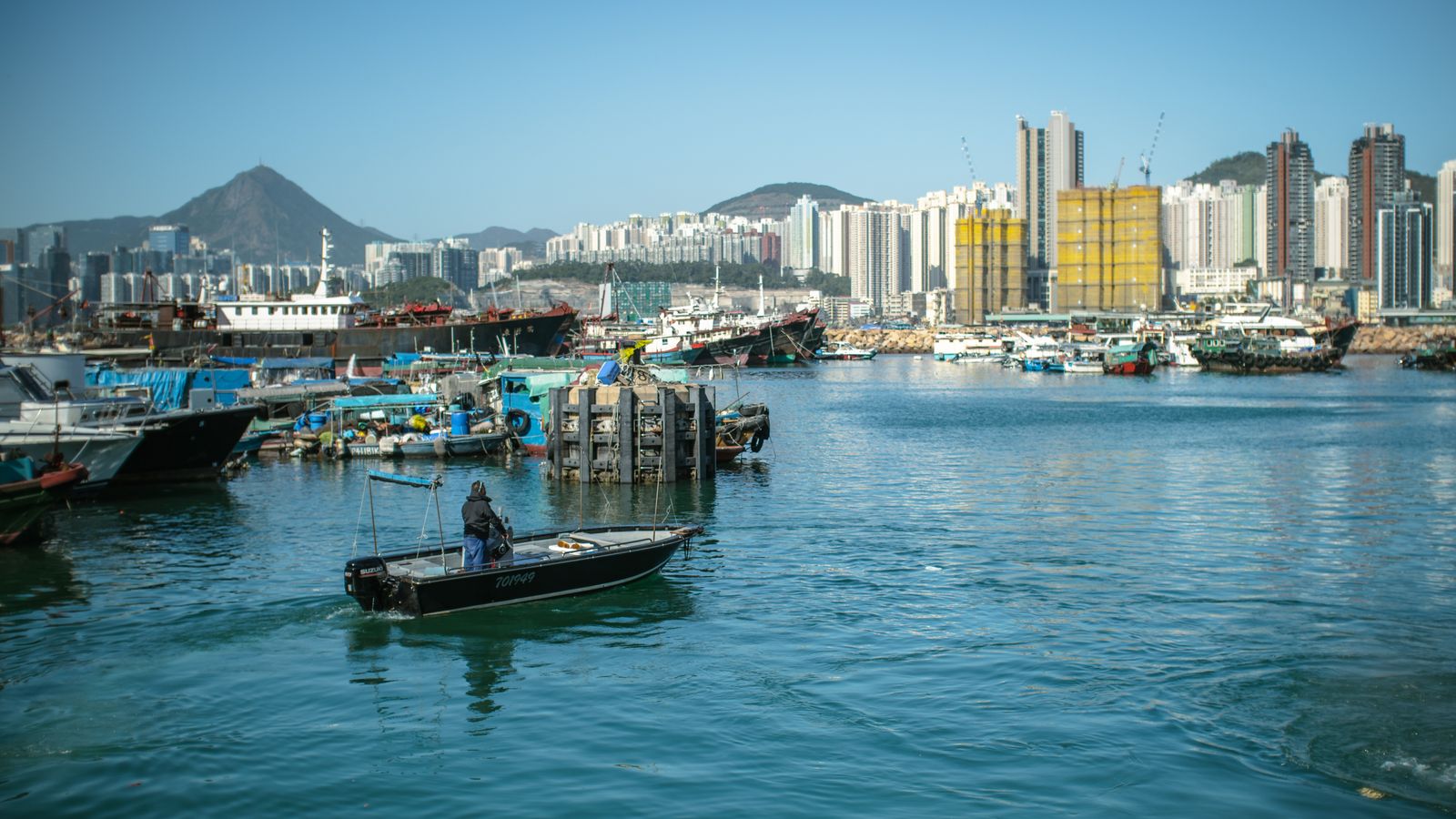
Hong Kong Customs Seizes Record HK$125M Marijuana Shipment, Arrests Three
The maritime seizure marks Hong Kong's largest cannabis bust by value, underscoring persistent smuggling despite the city's zero-tolerance stance.

ACT Police Launch Largest-Ever Cannabis Grow House Crackdown
Australian Capital Territory authorities executed coordinated raids targeting illegal cultivation operations across Canberra region.
More from the newsroom

New York Cannabis Faces Enforcement Wave as Legal Market Matures
A week of cultural milestones, regulatory enforcement, and commercial expansion signals the state's adult-use market entering a new operational phase.

TerrAscend Acquires Hunterdon County Dispensary in New Jersey
Multi-state operator expands New Jersey footprint with purchase of dispensary in rural market west of Newark metro.

Mendocino Cannabis Raids Show Different Agencies Leading Enforcement
Two separate operations this week highlight the fractured enforcement landscape in California's cannabis country.