New Study Links Cannabis to Sudden Panic, StudyFinds Reports
StudyFinds reported Oct. 11 that new research shows cannabis can trigger sudden panic in a calm brain. The underlying paper is not yet verified.
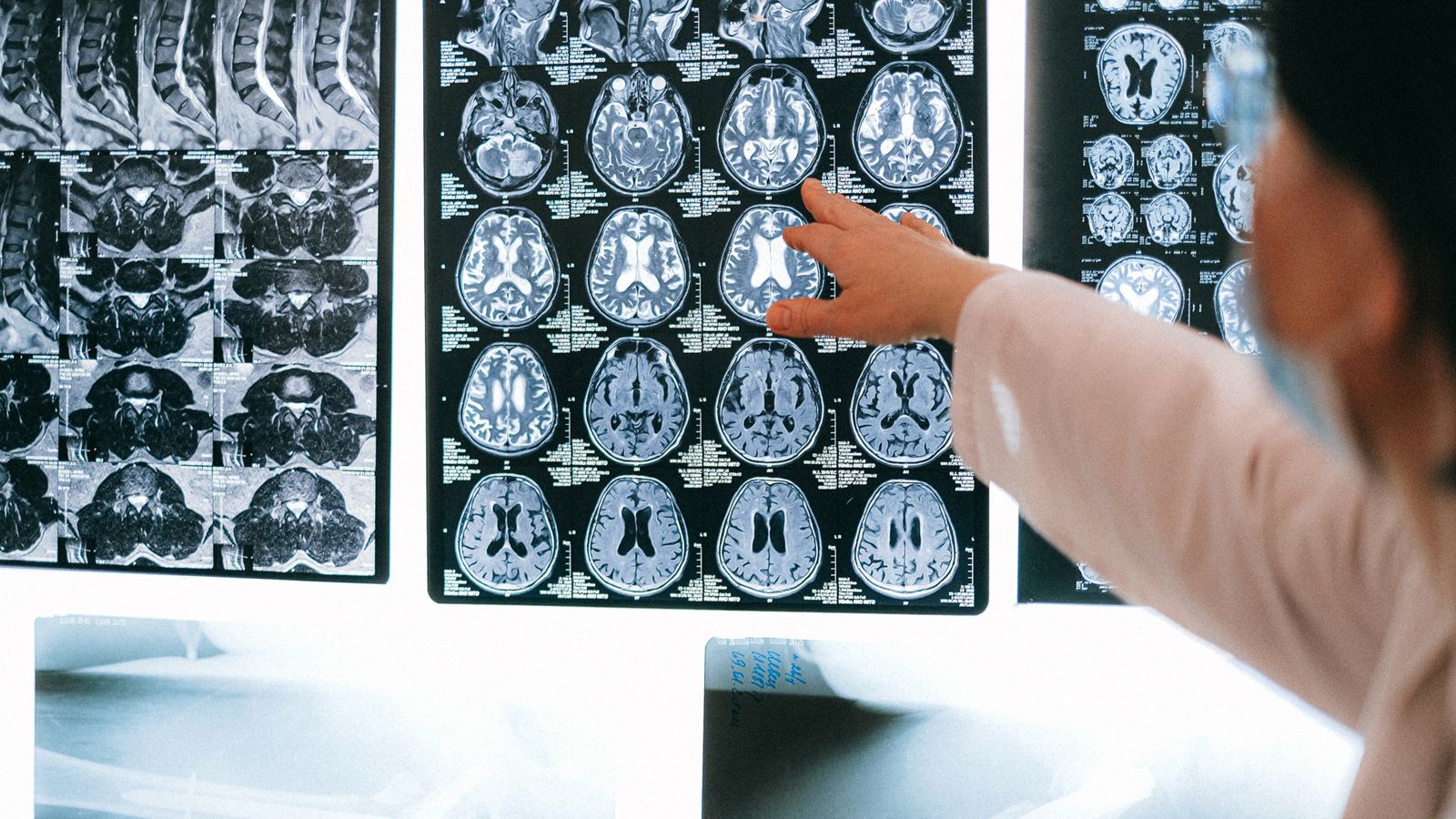
Radiologist pointing at brain MRI scans showing detailed medical examination.
What StudyFinds reported, and what remains unverified
StudyFinds published a report on Oct. 11, 2026, saying new research shows cannabis can push a calm brain into sudden panic.
That's the full verified record. The signal CannIntel received carries a headline, a date and a publisher. No journal, no author list, no sample size, no THC dose, no definition of how researchers measured "panic."
So we won't guess. We can't say whether the work involved human volunteers, animal models or brain imaging, and we won't borrow numbers from similar studies to fill the gap. Until the paper is in hand, treat the headline as a pointer to research, not a finding that has cleared our review.
Not yet a verdict.
Why a calm-to-panic flip is biologically plausible
THC acts on the same brain circuits that regulate fear, which is why a panic response at the wrong dose fits existing pharmacology.
At CB1 receptors, which are densely expressed in regions tied to threat processing, including the amygdala, THC is a partial agonist. The clinical literature has long described a biphasic pattern for THC, with relief at lower doses for some people and heightened anxiety at higher ones. That's background, not a result drawn from the StudyFinds report.
CBD complicates the picture. It doesn't bind CB1 the way THC does, and it's often discussed as a modulator of THC's effects, though the evidence on how reliably it softens a panic response is mixed.
Language matters here. It's where Latin American clinicians are often more precise than English-language headlines. Spanish separates ansiedad from ataque de pánico; Portuguese separates ansiedade from crise de pânico. English tends to collapse a sustained worry state and an abrupt, physiologically intense episode into one word, and the distinction decides whether a study is about chronic symptom relief or an acute adverse event.
A headline promising a simple switch deserves skepticism (dose, tolerance, route of administration and setting all shape outcomes). That's an editorial read, not a criticism of the research we haven't seen.
For full background on this story, see the CannIntel topic hub on cannabis, anxiety and panic research.
What it means for Latin American medical markets and U.S. buyers
Any peer-reviewed evidence that cannabis can provoke panic will land first on the dosing, labeling and prescribing rules that govern regulated medical programs.
Latin America's frameworks lean on physician oversight. Uruguay regulated the full cannabis market under Law 19.172 of 2013. Colombia opened its medical and scientific cannabis framework under Law 1787 of 2016, and its licensed producers have built export-oriented businesses. In Brazil, the health regulator ANVISA governs access to cannabis-based products through RDC 327/2019, which sets a pathway for manufacture and sale under prescription.
Those regimes depend on clinicians choosing THC-to-CBD ratios and starting doses for patients, many of whom are treated for anxiety, pain or sleep. A credible panic signal would push regulators and prescribers toward conservative titration and clearer adverse-event language. Producers would feel it in product labeling and in the clinical data they're asked to supply.
The U.S. link is indirect. Federal law doesn't permit commercial marijuana imports, so the near-term connection runs through research findings, product standards and the safety framing that travels with export-oriented producers into American debates, not through shipments.
When the paper surfaces, these are the details that will tell operators and patients whether it changes anything:
- The THC dose and route of administration tested
- Whether participants were cannabis-naive or regular users
- Whether CBD was present, and at what ratio
- How panic was measured, and against what control
The next signal: the peer-reviewed paper behind the headline. CannIntel will update this story once we confirm the journal, authors, dose range and study population.
Sources
The cannabis newsletter you forward to your team.
Federal policy, market data, grower alerts, and the one story that matters today. Sent every weekday at 7am. Free.
No spam. Unsubscribe with one click. 21+ only.
Related from Medical
Report Says CBD Study Cut Alzheimer's Damage; Details Unverified
The Marijuana Herald reported a study linking CBD to better memory and less Alzheimer's-related brain damage, but the underlying research hasn't been identified.
Trial Reports THC-CBD-Terpene Blend Cut Morphine Use Nearly 50%
A clinical trial of a THC, CBD and terpene formulation reported a near-50% drop in morphine use among acute nerve pain patients.

Study: CBG Cut Blood Pressure 18% in Rats, Slowed Human Blood Clotting
A preclinical study reported by The Marijuana Herald links the minor cannabinoid to cardiovascular effects, but the data comes from rats and lab blood samples, not patients.
More from the newsroom
Robbinsville Council Hears Four Dispensary Applicants' Pitches
Four dispensary applicants pitched Robbinsville's council, TAPinto reported, shifting a New Jersey retail contest from state paperwork to a local beauty pageant.

Goldberg Loses Bid to Oust Cannabis Appointee, Now Defends Office
Massachusetts Treasurer Deb Goldberg lost a yearslong effort to remove her Cannabis Control Commission appointee, and the fallout now shadows her own campaign.

Illinois Report Shows Cannabis Volume Up, Revenue and Taxes Down
A new state report shows Illinois customers bought more cannabis at lower prices, a mix that cut sales revenue and tax collections.