Maryland Cannabis Administration Issues Hemp Sales Guidance Ahead of Federal Redefinition
Maryland regulators told retailers how to handle hemp-derived products before the federal definition of hemp changes, a preview of the compliance work facing every state.
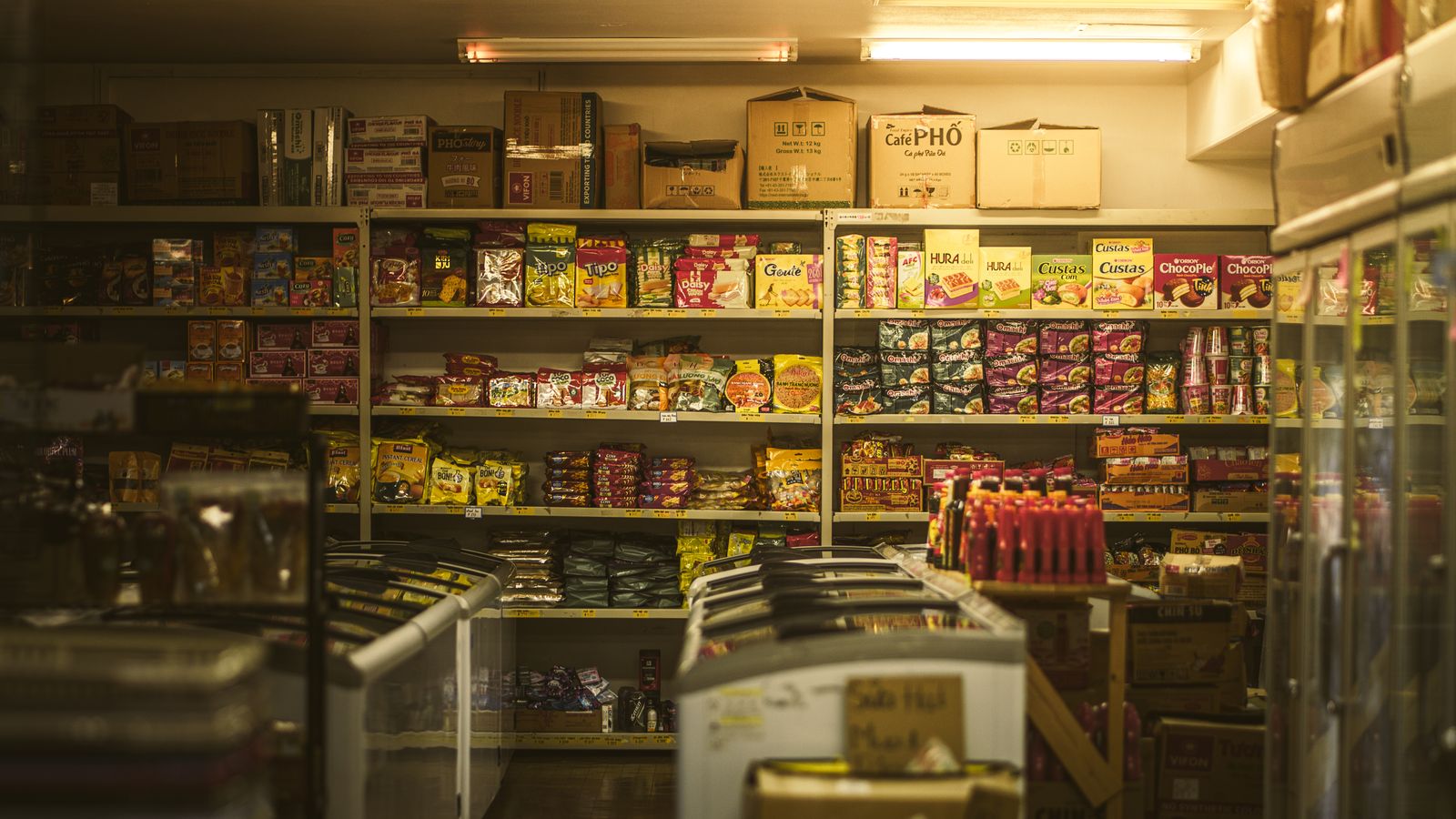
Shelf packed with diverse Asian snacks and groceries in an inviting store setting.
Maryland moves before the federal rules land
The Maryland Cannabis Administration published hemp sales guidance on or around Nov. 21, 2026, positioning state-licensed and unlicensed retailers for a change in the federal definition of hemp.
Outlaw Report first reported the guidance, covering it under the headline "Maryland Cannabis Administration Issues Hemp Sales Guidance Ahead of Federal Redefinition." CannIntel hasn't independently reviewed the full text of the document, so the details below are limited to what the headline and signal confirm.
Timing is the story. Regulators rarely issue guidance early unless they expect enforcement questions to arrive faster than statute does.
What the federal redefinition means for Maryland retailers
The federal redefinition targets the gap that let intoxicating hemp-derived products, including delta-8 THC and THCA flower, sell outside state cannabis programs.
That gap traces to the 2018 Farm Bill, which defined hemp as cannabis with no more than 0.3 percent delta-9 THC by dry weight. Manufacturers built a large market on that language, converting hemp-derived CBD into psychoactive compounds. For background on how that market took shape, see the CannIntel topic hub on the federal hemp loophole.
A narrower federal definition would reclassify many of those products overnight. Retailers holding inventory would have to decide whether to sell through, return, or destroy it.
Why Maryland's position is unusually exposed
Maryland runs a regulated adult-use market alongside a hemp sector, so any federal change lands on two overlapping compliance regimes at once.
Adult-use sales began in Maryland in July 2023, and the state folded its medical and adult-use oversight under the Maryland Cannabis Administration. Licensed dispensaries pay for testing, tracking, and a tax the hemp shelf doesn't carry, while hemp sellers have competed against them without those costs.
That's the structural tension behind most state hemp crackdowns. Licensed operators lobby for enforcement because the unlicensed shelf undercuts their pricing. The cleanest read on Maryland's guidance is that it's an enforcement-readiness move as much as a consumer-safety one.
What operators should do now
Hemp retailers and licensed dispensaries should audit inventory against likely post-redefinition thresholds before any federal effective date arrives.
The practical steps are narrow:
- Separate products by cannabinoid type and testing documentation.
- Confirm certificates of analysis show total THC, not just delta-9.
- Identify stock that would fail a stricter definition and plan its exit.
Operators who wait for final federal text will be working against a clock. Product that can't legally be sold doesn't age well on a balance sheet.
Licensed cannabis operators face a different question. If hemp-derived intoxicants leave store shelves, some of that demand should migrate to regulated dispensaries. How much is anyone's guess, and nobody has the data to model it yet.
The national pattern Maryland fits into
Maryland joins a growing list of states writing their own hemp rules rather than waiting for Congress and federal agencies to settle the definition.
State regulators have spent the past two years tightening age limits, packaging rules, and potency caps on hemp products. Federal action has been slower and less predictable, which is exactly why guidance like Maryland's matters: it tells the market what one regulator will tolerate during the gap between a federal decision and its effective date.
It also sets a template. Expect other state agencies to cite early movers when they draft their own notices.
For multistate operators and hemp brands, that means a patchwork rather than a single compliance target. Not a clean transition.
Watch next for whether the Maryland Cannabis Administration pairs this guidance with enforcement action against retailers, and whether neighboring states issue comparable notices before the federal effective date is fixed.
For complete background, history, and our ongoing coverage of this story:
Open the CannIntel topic hub →Frequently asked questions
What did the Maryland Cannabis Administration issue?
The agency issued hemp sales guidance ahead of a federal redefinition of hemp, according to Outlaw Report. The guidance is meant to prepare retailers for changes to which hemp-derived products can be sold. CannIntel has not reviewed the full document.
Why is the federal definition of hemp changing?
The 2018 Farm Bill defined hemp as cannabis with no more than 0.3 percent delta-9 THC by dry weight. That language allowed intoxicating hemp-derived products like delta-8 THC to be sold widely. A federal redefinition aims to close that gap.
How does this affect Maryland dispensaries?
Licensed dispensaries bear testing, tracking, and tax costs that hemp retailers have avoided. Tighter hemp rules could shift some consumer demand toward regulated dispensaries, though the size of that shift is unknown.
What should hemp retailers do now?
Retailers should audit inventory by cannabinoid type, confirm certificates of analysis report total THC, and identify products that could fail a stricter federal definition so they can plan sell-through or removal.
Sources
The cannabis newsletter you forward to your team.
Federal policy, market data, grower alerts, and the one story that matters today. Sent every weekday at 7am. Free.
No spam. Unsubscribe with one click. 21+ only.
Related from Laws

New Mexico Moves to Ease Medical Psilocybin Rules After Pushback
State officials are loosening draft medical psilocybin regulations after stakeholder objections, a signal that the program's operating rules are still being negotiated.
Marijuana Possession Made Up 1 in 4 U.S. Drug Arrests in 2025
A report circulating Saturday says possession charges still account for roughly a quarter of all drug arrests, years into the legalization wave and with federal rescheduling unresolved.

Kansas House Democrat sets cannabis legalization goals after election
A Kansas House Democrat laid out a legalization agenda after general election wins, but the signal supplies no bill text, vote counts or tax design.
More from the newsroom

Why Police Are Breaking With Marijuana Prohibition
A Hype Magazine piece on cops souring on cannabis prohibition fits a long-running trend; the operational logic behind it is the real story.
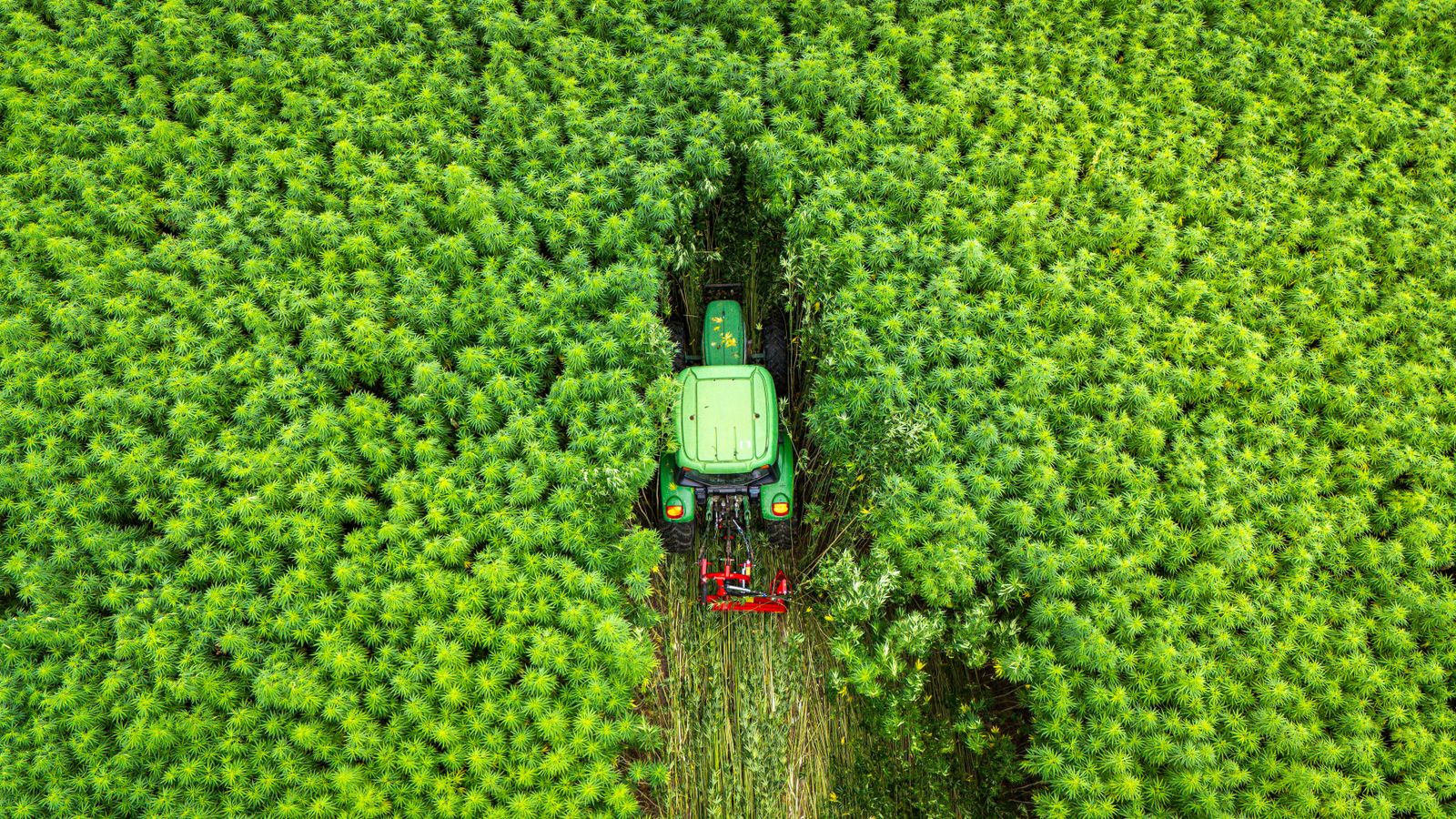
Wisconsin Lawmakers Say Legalization Can Save State Hemp Industry
Lawmakers argue a regulated adult-use market would give Wisconsin hemp businesses a legal lifeline as federal hemp policy shifts underneath them.

ConBud Yankee Stadium Opens in the Bronx Under New York's CAURD Program
A dispensary near Yankee Stadium puts New York's justice-involved licensing model back under scrutiny, in a borough that carried a disproportionate share of the state's old marijuana arrests.