Marijuana Possession Made Up 1 in 4 U.S. Drug Arrests in 2025
A report circulating Saturday says possession charges still account for roughly a quarter of all drug arrests, years into the legalization wave and with federal rescheduling unresolved.
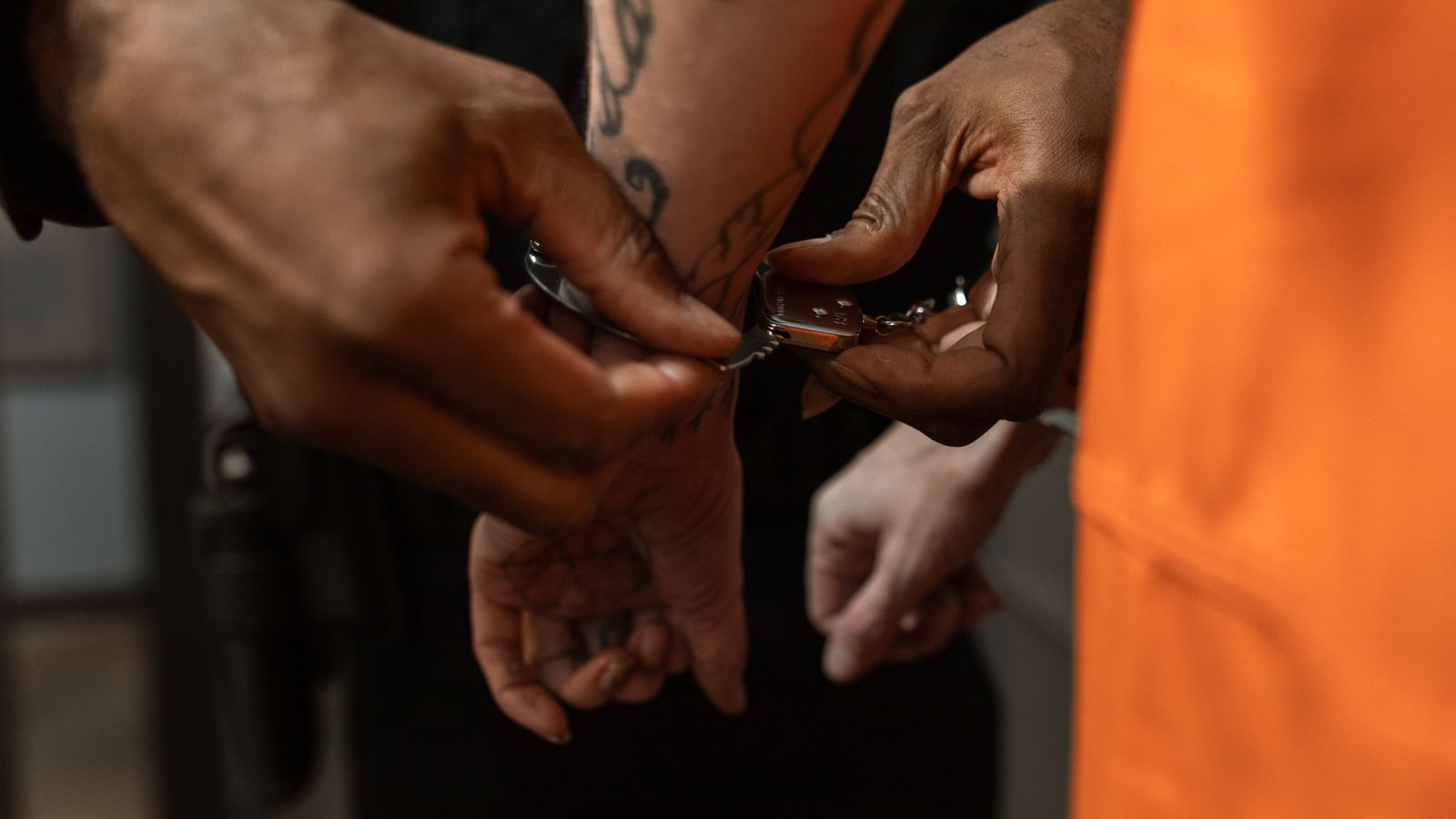
A close-up image showing a person's tattooed arm being handcuffed, symbolizing law enforcement and justice.
The headline number: one in four drug arrests
Marijuana possession accounted for roughly 25 percent of all drug arrests in the United States in 2025, according to a report published Nov. 21, 2026 by stupidDOPE.
The report frames the share as evidence that cannabis enforcement persists despite two-thirds of states having legalized some form of adult or medical use. CannIntel couldn't independently review the underlying dataset in time for publication, so the signal we have carries the headline figure but not the methodology.
That gap matters. Arrest tallies depend heavily on which agencies report and how offenses are categorized.
What the signal does and doesn't establish
The report supplies a share of drug arrests, not an absolute count, a state-by-state breakdown, or a named data custodian.
Arrest statistics in the United States typically trace back to law enforcement reporting programs run through the Department of Justice, and participation by local agencies has been uneven. Readers should treat a single national ratio with caution until the source tables are public.
That's no small caveat. A quarter of drug arrests could reflect a large raw number or a shrinking denominator, and the two tell very different stories.
Why possession arrests persist in a legalization era
Legal status varies by jurisdiction, and possession remains a criminal offense in states without adult-use programs and in cases involving federal land, quantity limits, or underage defendants.
Possession also stays chargeable where it falls outside licensed-market rules, such as amounts above personal-use caps or public consumption. In prohibition states, including much of the South, a possession stop is still one of the cheapest arrests an officer can make.
Statutes alone don't set the totals; enforcement patterns do. Policing priorities differ block by block, and so do arrest numbers.
The federal backdrop: rescheduling still unresolved
Marijuana remains a Schedule I controlled substance under the Controlled Substances Act, and the DEA's rescheduling process has not produced a final rule moving it to Schedule III.
That status keeps federal possession law intact even where state markets operate. It also sustains the 280E tax penalty that squeezes licensed operators. That's a separate pressure point from criminal enforcement, but the same classification drives both.
For full background on enforcement data and how arrest figures are compiled, see the CannIntel topic hub on marijuana arrest statistics.
What it means for operators and the licensed market
Continued possession arrests reinforce the pricing gap between licensed and illicit supply, and they feed the political case for faster decriminalization in holdout states.
Operators in states such as California, Colorado, and Illinois compete against unlicensed product regardless of arrest trends. Enforcement against consumers does little to shrink that market and may push buyers toward cheaper channels.
Anyone who tracks policing data won't be surprised by this number. Still, it's a useful rebuttal to the argument that legalization has already settled the criminal-justice question.
What to watch next
The next hard data points are the full source tables behind the 2025 figure and any congressional or DEA movement on rescheduling.
Reporters and policy analysts should look for the originating dataset, the share of arrests tied to simple possession versus distribution, and the racial breakdown that has historically accompanied these statistics. Any of those would let the one-in-four figure be tested rather than repeated.
Until then, the number is a signal, not a settled finding. CannIntel will update this story when the underlying data is published.
Sources
The cannabis newsletter you forward to your team.
Federal policy, market data, grower alerts, and the one story that matters today. Sent every weekday at 7am. Free.
No spam. Unsubscribe with one click. 21+ only.
Related from Laws

New Mexico Moves to Ease Medical Psilocybin Rules After Pushback
State officials are loosening draft medical psilocybin regulations after stakeholder objections, a signal that the program's operating rules are still being negotiated.

Kansas House Democrat sets cannabis legalization goals after election
A Kansas House Democrat laid out a legalization agenda after general election wins, but the signal supplies no bill text, vote counts or tax design.

Why Police Are Breaking With Marijuana Prohibition
A Hype Magazine piece on cops souring on cannabis prohibition fits a long-running trend; the operational logic behind it is the real story.
More from the newsroom

Wisconsin Lawmakers Say Legalization Can Save State Hemp Industry
Lawmakers argue a regulated adult-use market would give Wisconsin hemp businesses a legal lifeline as federal hemp policy shifts underneath them.

ConBud Yankee Stadium Opens in the Bronx Under New York's CAURD Program
A dispensary near Yankee Stadium puts New York's justice-involved licensing model back under scrutiny, in a borough that carried a disproportionate share of the state's old marijuana arrests.

Globe and Mail op-ed urges Canada-Europe push on illicit cannabis
An opinion piece in The Globe and Mail argues Canada's illegal cannabis problem has crossed the Atlantic and calls for joint enforcement, but the signal supplies no data to test that claim.