Nauni University Launches Cannabis Research Lab for Himachal Pradesh
The new facility will support the state's Green to Gold initiative by studying industrial hemp cultivation and cannabinoid extraction.

A scientist conducts an experiment indoors, transferring green liquid between test tubes.
New Research Infrastructure Targets Industrial Hemp
The Nauni facility represents Himachal Pradesh's first state-funded cannabis research center equipped for cannabinoid analysis and agronomic trials. Dr. YS Parmar University of Horticulture and Forestry established the lab to support farmers transitioning from traditional crops to industrial hemp, which the state legalized for cultivation in 2024 under India's revised Narcotic Drugs and Psychotropic Substances Act framework.
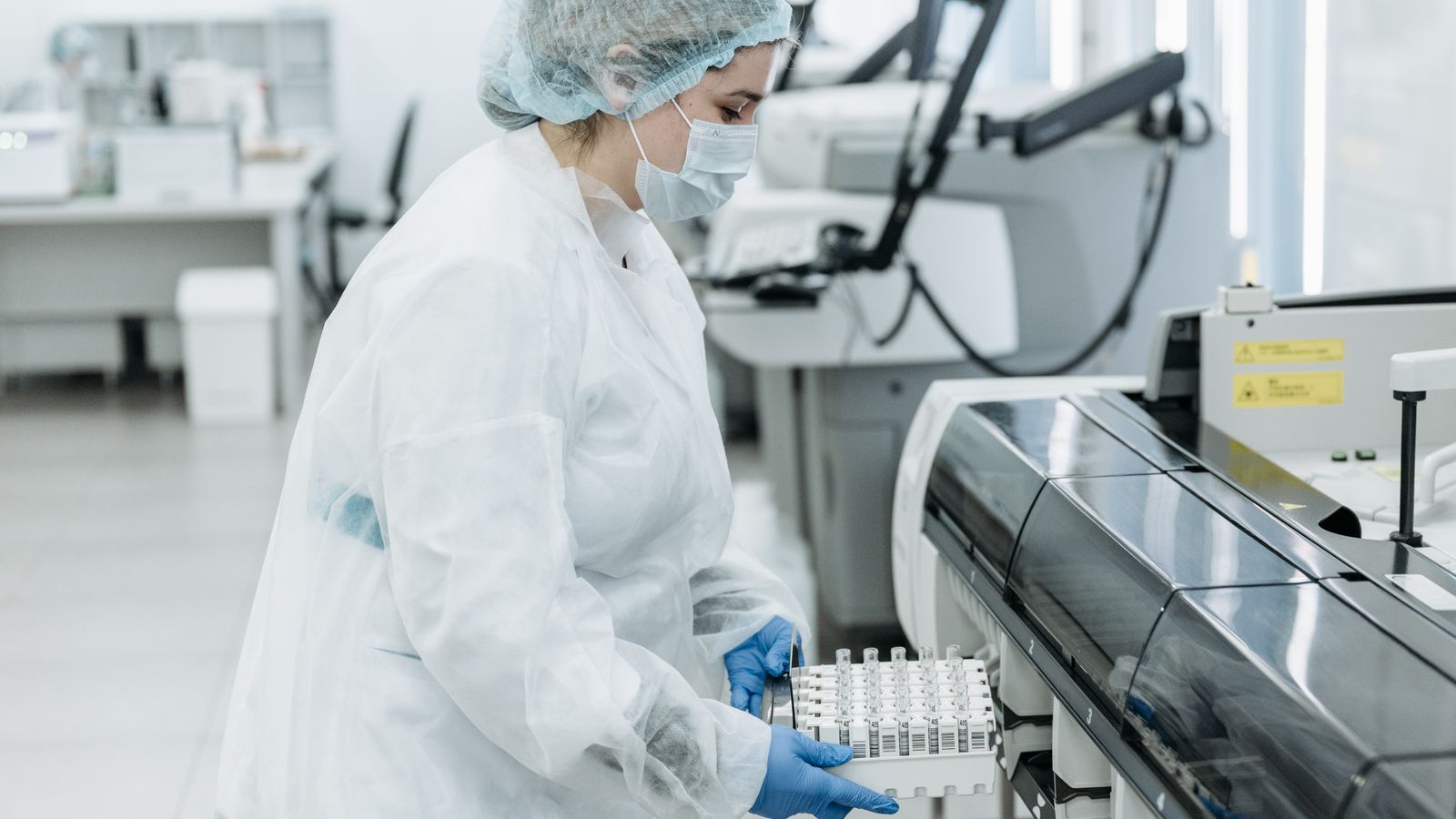
The lab houses chromatography equipment for cannabinoid quantification, controlled-environment growth chambers, and soil science stations. University officials said the infrastructure will enable multi-season trials on fiber and seed cultivars adapted to elevations between 1,200 and 2,400 meters.
Green to Gold Initiative Drives Research Mandate
Himachal Pradesh's Green to Gold program aims to replace low-margin cereal crops with high-value horticulture and industrial hemp across 15,000 hectares by 2028. The state government allocated Rs 42 crore (approximately $5 million USD) to the initiative in its 2026 budget, with Rs 8 crore earmarked for research and extension services.
Industrial hemp fits the economic model. Fiber sells for Rs 25-35 per kilogram, and seed commands Rs 80-120 per kilogram, compared to wheat at Rs 20 per kilogram. The state's cool nights and moderate summers mirror growing conditions in European hemp regions like France's Champagne-Ardenne.
The economics are straightforward: hemp generates three times the gross revenue per hectare compared to wheat, with lower water requirements and a shorter growing cycle.
Research Focus: Genetics and Extraction Protocols
The lab's initial work will evaluate 12 fiber and seed cultivars for THC compliance, yield stability, and disease resistance under Himalayan conditions. India's legal threshold for industrial hemp is 0.3 percent THC by dry weight, identical to the U.S. standard. Nauni researchers will conduct two growing seasons of field trials in Solan and Mandi districts starting in March 2027.
A secondary research track will develop low-cost cannabinoid extraction methods for CBD isolate and broad-spectrum oils. Current extraction infrastructure in India is concentrated in Gujarat and Maharashtra, creating a supply-chain gap for Himalayan growers. The university's partnering with the Council of Scientific and Industrial Research to prototype solvent-free extraction techniques scalable to small cooperatives.
Regulatory Environment Remains Restrictive
Himachal Pradesh issues industrial hemp cultivation licenses only to registered farmer cooperatives with minimum landholdings of 5 hectares, a barrier that excludes most smallholders. The state's Drug Control Department has approved 17 licenses since 2024, covering 340 hectares in total. Licensing requires biometric registration, GPS mapping of fields, and quarterly inspections.
India doesn't permit domestic sale of hemp-derived CBD for human consumption. All CBD extract must be exported or used in approved research. This limits the addressable market for Himachal growers to fiber, seed, and export-grade isolate. The Ministry of Agriculture is reviewing a proposal to allow domestic CBD sales in Ayurvedic formulations, but no timeline's been set.
Academic Capacity and Industry Partnerships
Nauni University will train 60 graduate students in cannabis agronomy and phytochemistry over the next three years, according to the institution's research dean. The program includes a mandatory internship with licensed cultivators or processing facilities. University officials have signed memoranda of understanding with two European hemp seed companies to trial proprietary genetics under Indian conditions.
Private-sector interest is building. HempTech India, a Bengaluru-based processor, committed Rs 1.2 crore to co-fund extraction research in exchange for first-right licensing on any patentable methods. The company operates a 50-ton-per-year fiber processing line in Karnataka and is scouting sites in Himachal for a second facility.
What Comes Next for Himachal's Hemp Sector
The first peer-reviewed data from Nauni's field trials is expected in late 2027, with cultivar recommendations for commercial release by 2028. State officials are watching cannabinoid stability across elevation gradients and monsoon timing. If trials confirm consistent THC compliance and competitive yields, Himachal could position itself as India's primary source of cold-climate hemp genetics.
The larger policy variable? Federal movement on CBD. Without domestic demand, Himachal's hemp economy remains tethered to fiber and export channels. The state's bet is that research infrastructure built now will capture value when regulations eventually open.
Sources
The cannabis newsletter you forward to your team.
Federal policy, market data, grower alerts, and the one story that matters today. Sent every weekday at 7am. Free.
No spam. Unsubscribe with one click. 21+ only.
Related from Grow

Nepal Urged to Document Cannabis Landraces Before Policy Shift
Opinion piece calls for genetic preservation effort as government weighs legalization framework.

Delta BC Cannabis Growers Advance Expansion Plans in Mid-2026
Multiple cultivation operators in Delta, British Columbia signal facility buildouts and licensing activity as regional production capacity grows.

Arizona Cultivator Launches Aeroponic Cannabis System
An Arizona cannabis company has deployed aeroponic cultivation technology, marking a rare commercial application of the soil-free growing method in the state's medical market.
More from the newsroom

Pennsylvania Budget Signed Without Adult-Use Cannabis Provisions
Governor Josh Shapiro signed Pennsylvania's fiscal 2026-27 budget after weekend legislative sessions, but adult-use legalization language was stripped from the final package.
Avecho Launches World's Largest CBD Insomnia Trial in Australia
Perth biotech's 200-patient Phase 3 study could secure exclusive Australian regulatory pathway for CBD sleep therapy.

Trulieve Expands NYSE Presence as MSO Seeks Broader Investor Access
The Florida-based operator is leveraging its existing NYSE listing to attract institutional capital ahead of federal reform.