Arizona Cultivator Launches Aeroponic Cannabis System
An Arizona cannabis company has deployed aeroponic cultivation technology, marking a rare commercial application of the soil-free growing method in the state's medical market.

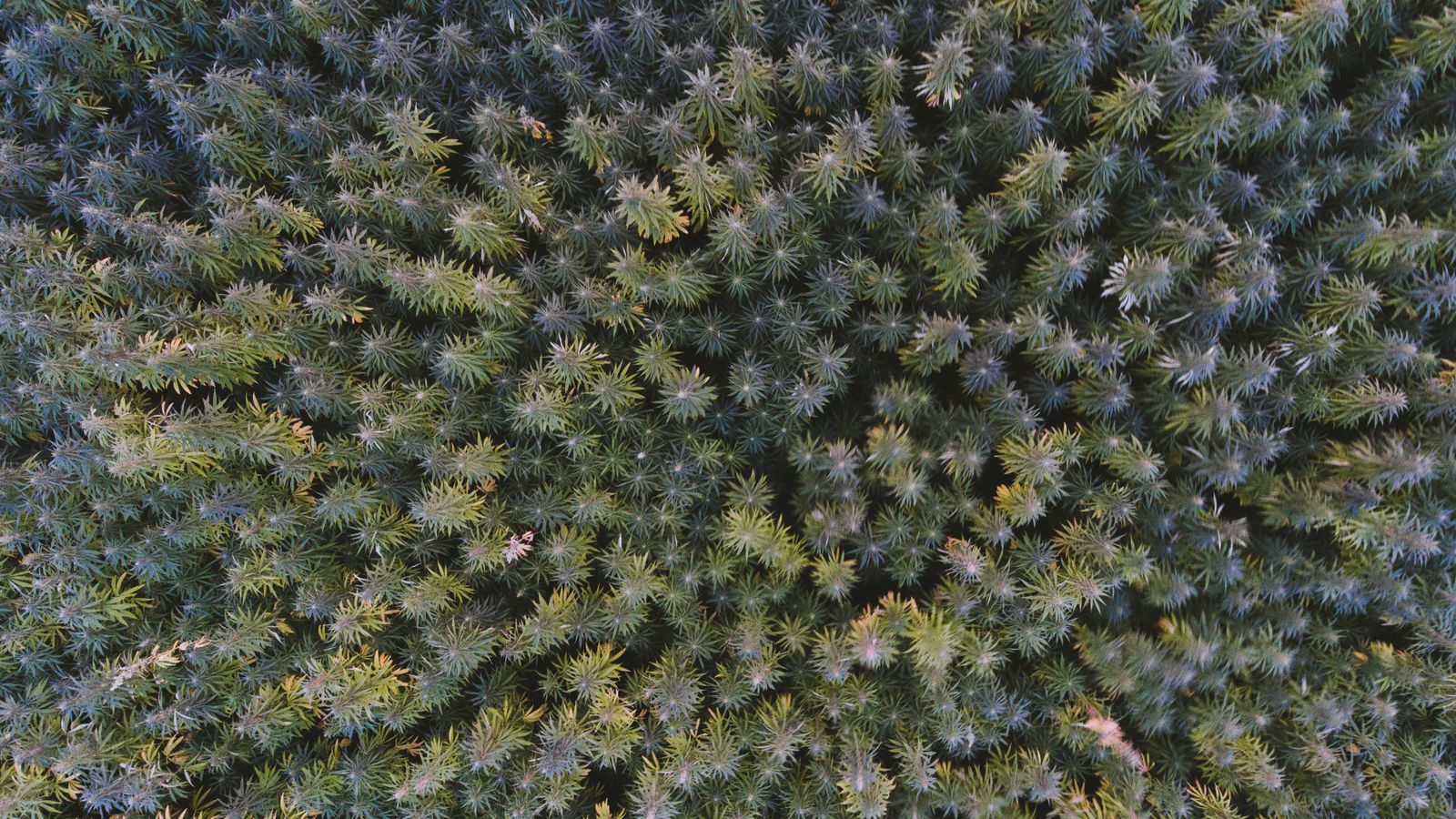
Detailed view of a cannabis plant flowering in an indoor greenhouse.
System Design and Operational Parameters
The Arizona operation uses high-pressure aeroponic misters that atomize nutrient solution into droplets between 5 and 50 microns. This particle size allows roots to absorb oxygen and nutrients simultaneously, a key advantage over hydroponic systems where roots remain submerged. The cultivator hasn't disclosed the exact strain lineup, but aeroponic systems are particularly well-suited to terpene-dense cultivars like Zkittlez, Gelato, and other dessert-profile varieties that benefit from enhanced oxygen availability during the flowering phase.
Key technical specifications include:
- Misting cycles every 3-5 minutes during vegetative growth
- Root-zone pH maintained between 5.5 and 6.0
- Electrical conductivity (EC) levels adjusted per growth stage, typically 1.2-1.8 mS/cm
- Ambient root-zone temperature held at 65-70°F to prevent pythium and root rot
These parameters are tighter than soil or coco-coir tolerances. Miss one misting cycle? Roots can stress within 15 minutes.
Yield and Cannabinoid Profile Expectations
Aeroponic cultivation can reduce vegetative time by 10-15% and increase cannabinoid yields by 15-25% per square foot compared to soil grows, according to peer-reviewed studies in controlled-environment agriculture. The Arizona cultivator hasn't released harvest data, but early-stage aeroponic trials in Colorado and Oregon have documented THC concentrations exceeding 28% in strains like Wedding Cake and Runtz when grown aeroponically versus 24-26% in soil.
Terpene retention is the more compelling metric. Myrcene, limonene, and caryophyllene levels in aeroponic flower have tested 8-12% higher in post-harvest gas chromatography analysis, likely due to reduced root stress and improved nutrient uptake efficiency. This matters for premium-tier retail pricing in Arizona's competitive adult-use market, where top-shelf eighths retail for $45-$60 before tax.
Capital and Operating Cost Realities
Aeroponic systems require 40-60% higher upfront capital than traditional hydroponic setups, with commercial-scale installations ranging from $150,000 to $400,000 for a 5,000-square-foot canopy. High-pressure pumps, precision misters, and redundant backup systems drive the cost premium. Operating expenses also run higher: electricity consumption for pumps and climate control can add $0.30-$0.50 per gram to production costs.
Water efficiency is the offsetting factor. Aeroponic systems use 70-90% less water than soil cultivation, a critical advantage in Arizona's arid climate where municipal water costs are rising. The cultivator hasn't disclosed water-use metrics, but industry benchmarks suggest aeroponic operations can produce one pound of dried flower using 10-15 gallons of water, compared to 60-80 gallons for soil grows.
Risk Profile and Failure Modes
Aeroponic systems are unforgiving: a single pump failure or clogged mister can kill an entire crop within hours. Root exposure to air means there's no soil or water buffer to sustain plants during equipment downtime. Arizona's summer heat compounds the risk. Ambient temperatures above 100°F can cause root-zone temps to spike unless HVAC systems are oversized.
Best-practice aeroponic facilities install dual-pump systems, battery backups, and real-time monitoring with SMS alerts for pressure drops or EC drift. The cultivator hasn't disclosed its redundancy protocols. Insurance carriers typically require these safeguards before underwriting aeroponic operations.
Regulatory and Compliance Considerations in Arizona
Arizona's Department of Health Services doesn't regulate cultivation methodology, but the state's seed-to-sale tracking system requires real-time canopy counts and waste reporting. Aeroponic systems can complicate compliance because plants are often grown in vertical stacks or rotating carousels, making manual canopy audits more labor-intensive than traditional bench layouts.
Waste disposal is another variable. Aeroponic systems generate less plant waste—no soil, no coco runoff—but nutrient solution must be treated as hazardous waste if it contains synthetic fertilizers or pesticides. Most aeroponic operators recirculate and filter nutrient solution to reduce disposal volume. The Arizona cultivator hasn't disclosed its waste-handling protocols.
For operators working through Arizona's evolving regulatory requirements, see the CannIntel topic hub on aeroponic cannabis cultivation for compliance updates and technical benchmarks.
Market Positioning and Consumer Perception
Aeroponic-grown cannabis can command a 10-15% retail price premium if marketed correctly, but consumer awareness of cultivation methods remains low in Arizona. The cultivator will need to educate budtenders and invest in point-of-sale materials that explain the terpene and potency advantages of aeroponic flower. Strains like Zkittlez, Gelato, and Wedding Cake are already popular in Arizona dispensaries. They're logical candidates for aeroponic branding because their terpene profiles—high limonene and caryophyllene—benefit most from the oxygen-rich root environment.
The next signal to watch: third-party lab results showing side-by-side cannabinoid and terpene panels for aeroponic versus soil-grown flower from the same genetic stock. Those data points will determine whether Arizona consumers pay the premium.
Sources
The cannabis newsletter you forward to your team.
Federal policy, market data, grower alerts, and the one story that matters today. Sent every weekday at 7am. Free.
No spam. Unsubscribe with one click. 21+ only.
Related from Grow

Nepal Urged to Document Cannabis Landraces Before Policy Shift
Opinion piece calls for genetic preservation effort as government weighs legalization framework.

Nauni University Launches Cannabis Research Lab for Himachal Pradesh
The new facility will support the state's Green to Gold initiative by studying industrial hemp cultivation and cannabinoid extraction.

Delta BC Cannabis Growers Advance Expansion Plans in Mid-2026
Multiple cultivation operators in Delta, British Columbia signal facility buildouts and licensing activity as regional production capacity grows.
More from the newsroom
Former Trump Official Pushes Hemp THC Ban in New Policy Brief
A former Trump administration drug policy adviser is calling for federal action to close the hemp THC loophole created by the 2018 Farm Bill.

Pennsylvania Budget Signed Without Adult-Use Cannabis Provisions
Governor Josh Shapiro signed Pennsylvania's fiscal 2026-27 budget after weekend legislative sessions, but adult-use legalization language was stripped from the final package.

Avecho Launches World's Largest CBD Insomnia Trial in Australia
Perth biotech's 200-patient Phase 3 study could secure exclusive Australian regulatory pathway for CBD sleep therapy.