GreenState Reports California Outdoor Farmers' Success Formula
GreenState published a profile of California outdoor growers' success on Oct. 12, mid-harvest. We separate what's confirmed from the agronomy that likely drives results.
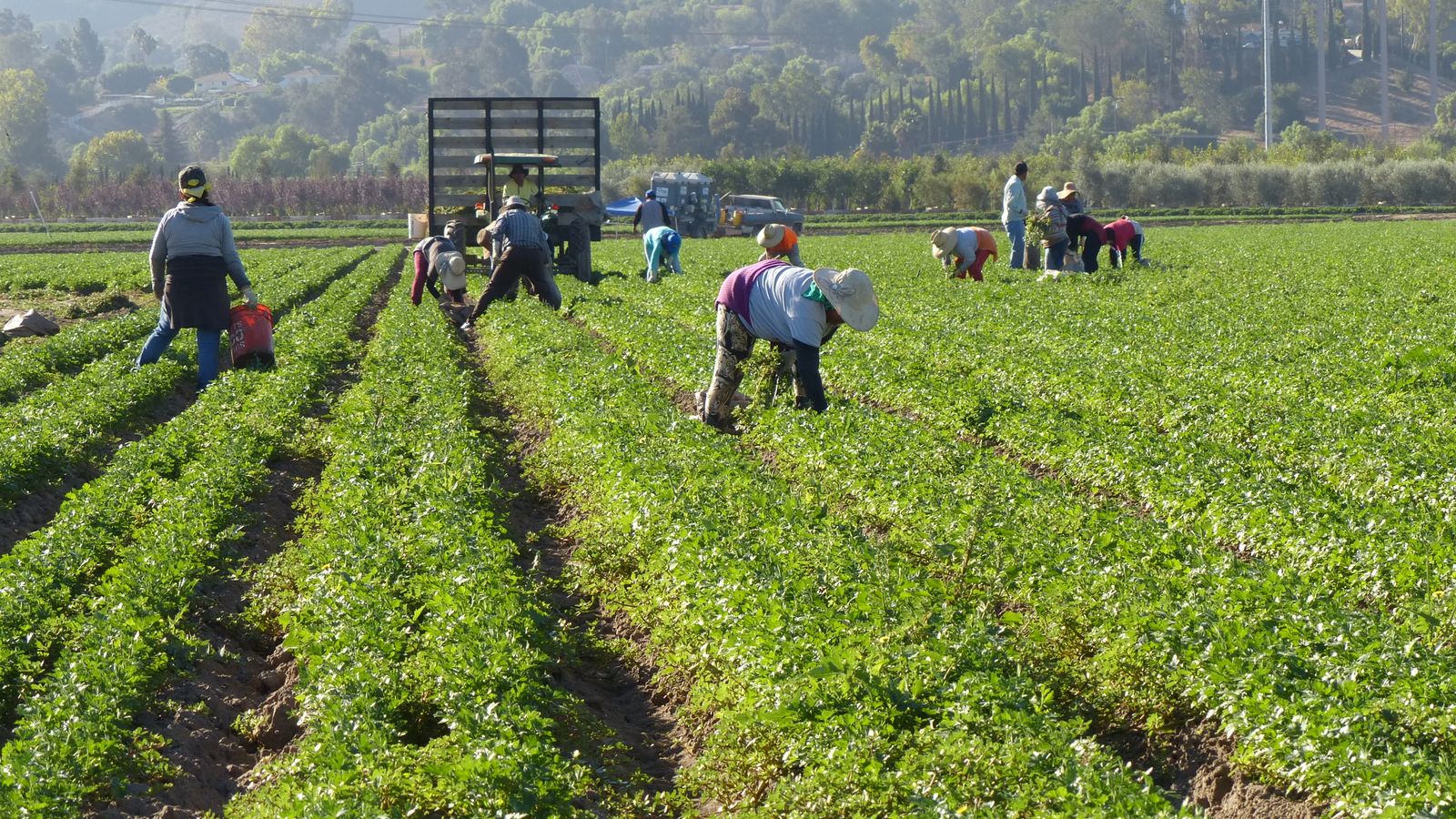
Farm workers harvesting in a lush field in Somis, California, under a bright morning sun.
What the GreenState report establishes, and what it leaves open
GreenState's Oct. 12 report presents California outdoor success as a repeatable lesson, but the feed we reviewed carries only the headline, not the farmers' specific method.Here's the verified part. GreenState, the cannabis vertical of the Colorado-based Denver Post's parent network, ran a piece headlined "California outdoor cannabis farmers share secret to success." It surfaced in a Google News feed Monday, Oct. 12, 2026.
Now the gaps. The payload doesn't include the article text, the farms involved, the counties, the cultivars, or any figures. We won't guess at the "secret." Anyone who tells you what it is from the headline alone is inventing it.
That gap matters for a strains desk. A cultivation claim without a cultivar, a lab panel or a harvest window is a slogan. A claim with those three things is data.
So this piece does something narrower. It lays out the variables that decide outdoor outcomes in California, using standard agronomy, and shows how to test any "secret" against them. Treat the framework below as CannIntel analysis, not as a summary of GreenState's reporting.
The five variables that decide an outdoor California harvest
Outdoor results come down to genetics, light and heat management, harvest timing, rain and mold exposure, and curing, and any claimed secret should map onto one of them.Start with timing, because October is when it all gets judged. Cannabis is a short-day plant. Flowering is triggered as nights lengthen, so outdoor flower in the northern hemisphere typically finishes between late September and November, depending on the cultivar and site. Growers don't get to pick the calendar. They pick the cultivar that fits it.
That's the first lever:
- Genetics matched to the site. A cultivar that finishes in early October in a dry, warm inland valley can be a liability on a foggy coastal ridge where botrytis (bud rot) moves in with the first autumn rain. Breeders and growers talk about finishing windows the way vintners talk about hang time.
- Phenotype selection. Seed-grown populations vary. Two plants from the same pack of an F2 cross can differ in structure, flowering time and terpene expression. Outdoor operators who run clonal cuts get consistency. Those who run seed hunt for outliers.
- Light and heat. Full sun is free, but sustained heat volatilizes monoterpenes before harvest. Canopy management, row orientation and elevation shape the final aroma profile.
- Water and soil. Dry-farming and living-soil programs are common talking points among California outdoor growers. Whether they improve outcomes depends on the site, and the evidence is mostly anecdotal.
- Drying and curing. A field can grow excellent flower and a bad dry room can ruin it. Slow, cool drying preserves terpenes. Fast, hot drying strips them.
Terpene content is where outdoor flower gets judged on the lab sheet. Total terpene levels in well-handled flower commonly land somewhere around 1 to 3 percent by weight, with myrcene, limonene and beta-caryophyllene frequently leading the profile. Those are general ranges, not figures from GreenState's report.
THCA tells a different story. Potency is largely a genetics-and-maturity outcome, and outdoor flower often tests below top-shelf indoor. That gap is narrower than the old stereotype suggests, but it's real in many retail menus.
The cultivar question matters here. Classics like Northern Lights have long been associated with outdoor-friendly structure and earlier finishing. Dessert-profile cultivars like Wedding Cake tend to be fussier, with dense flowers that raise mold risk in wet autumns. That's a general pattern, not a rule, and phenotypes within a single cultivar name vary widely.
Not every grower will agree on a single formula. And that's the point.
Why the economics make outdoor technique a survival question
Outdoor growers compete on cost per pound and on provenance, so any repeatable technique that cuts losses or lifts quality has direct financial value under California's tax and price pressure.Outdoor cultivation's core advantage is cost, since sunlight replaces the lighting and HVAC loads that dominate indoor operating budgets, and that advantage has mattered more as California wholesale pricing has stayed under pressure in recent years.
Taxes compound the squeeze. Federal Section 280E bars licensed cannabis businesses from deducting ordinary operating expenses, which hits thin-margin farms hard. A farm that loses a crop to mold in a bad October has no tax cushion to fall back on.
Regulation shapes the picture too. Cultivation licenses in California come through the Department of Cannabis Control (DCC), and the state's outdoor-focused growers have pushed for recognition of where and how their product is grown. Regions like Humboldt, Mendocino and Trinity counties, the Emerald Triangle, built reputations on exactly that.
Whatever GreenState's farmers describe, here's how to pressure-test it:
- Ask for the cultivar and the cut. Is it a named clone, a seed line, or a filial generation like F2 or F3? Without it, the result isn't replicable.
- Ask for the lab panel. Total THC, THCA, total terpenes and the top three terpenes by percent, from a licensed lab, tied to a specific batch.
- Ask for the loss rate. A technique that raises quality but loses a fifth of the crop to rot isn't a secret worth sharing.
- Ask about post-harvest. Drying temperature, humidity, and cure time often explain more of the sensory difference than anything that happens in the field.
That's a hard standard. It's also the right one.
The retail side is shifting as well. Buyers increasingly ask where flower was grown and under what conditions, and sun-grown positioning is now a marketing category, not just a growing method. A named technique that holds up under lab scrutiny can carry a premium. One that doesn't is just a story.
For full background on this story, see the CannIntel topic hub on California outdoor cannabis cultivation.
The next signal to watch: the full GreenState text, and whether the farmers it profiles publish batch-level lab data. Harvest season ends within weeks, and that's when the claims either show up on a certificate of analysis or don't.
Frequently asked questions
What is the secret to success GreenState reported for California outdoor cannabis farmers?
The available feed carries only GreenState's headline, not the article text, so CannIntel can't say what the farmers named. We haven't guessed at it. Readers should consult GreenState's full report for the specific practice.
When is outdoor cannabis harvested in California?
Outdoor flower in the northern hemisphere typically finishes between late September and November. Cannabis flowers as nights lengthen, so exact timing depends on the cultivar, elevation and local climate.
Why does rain matter for outdoor cannabis?
Autumn rain and humidity raise the risk of botrytis, or bud rot, especially in dense flowers. Growers choose cultivars that finish before the wet season, and they manage airflow and canopy to cut that risk.
Which terpenes are common in outdoor California flower?
Myrcene, limonene and beta-caryophyllene frequently lead terpene profiles across cannabis generally. Actual levels vary by cultivar, phenotype, heat exposure and drying method, so batch-level lab results are the reliable guide.
How does 280E affect outdoor cannabis farms?
Section 280E of the federal tax code bars licensed cannabis businesses from deducting ordinary operating expenses. That squeezes margins for thin-margin farms, so a lost crop or a weak harvest hits finances harder.
Sources
The cannabis newsletter you forward to your team.
Federal policy, market data, grower alerts, and the one story that matters today. Sent every weekday at 7am. Free.
No spam. Unsubscribe with one click. 21+ only.
Related from Grow
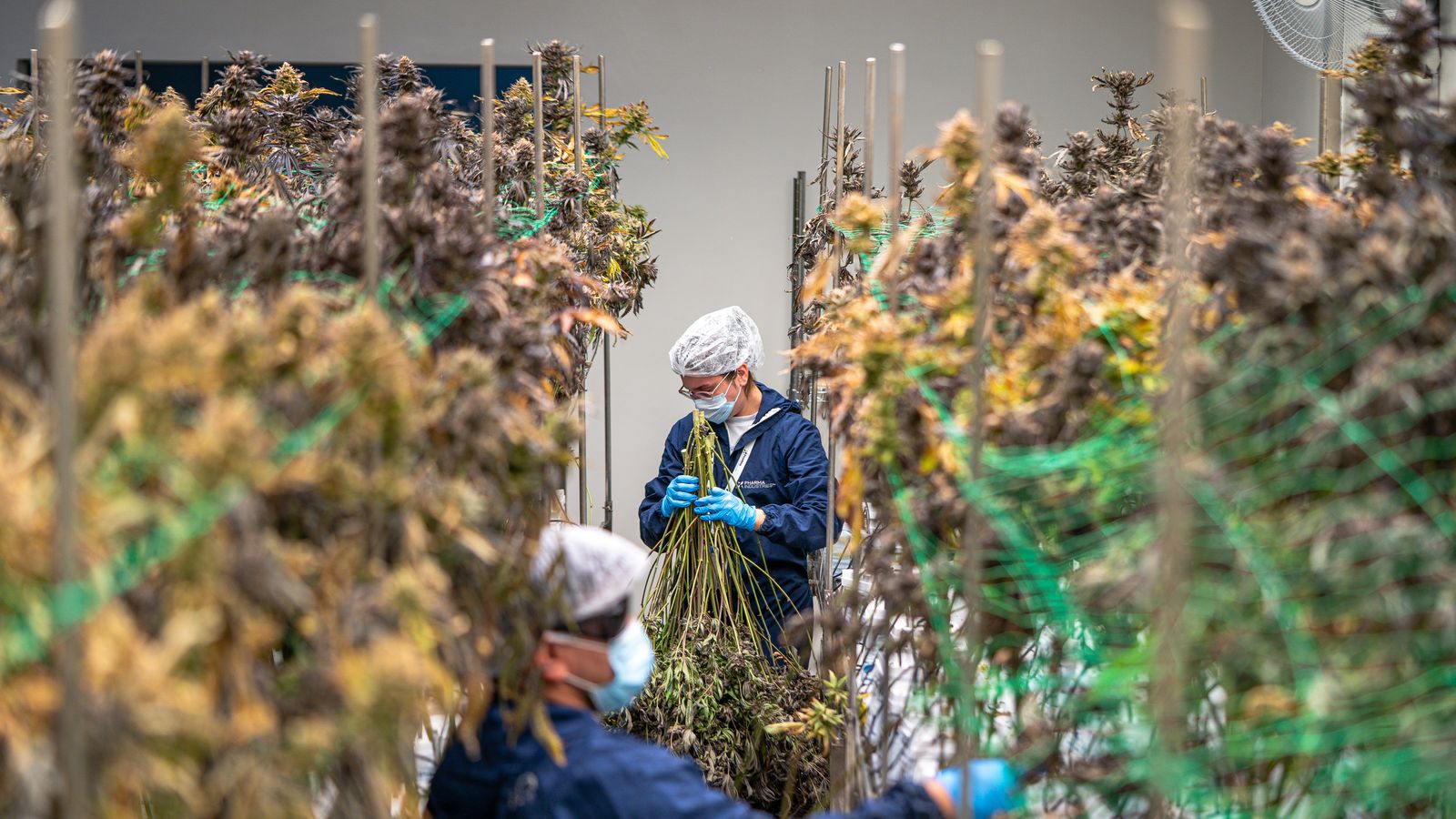
High Times Profiles Brute's Roots' Slow Pheno Bet in South Jersey
High Times Magazine profiled Brute's Roots on Oct. 12, framing the South Jersey operation's strategy around patience and phenotype selection.

High Times Profiles Edun's Korean Natural Farming Grow in Colorado
High Times Magazine's Oct. 9 profile of Edun puts Korean Natural Farming and living soil in a Colorado grow, but the claims still need lab-level proof.
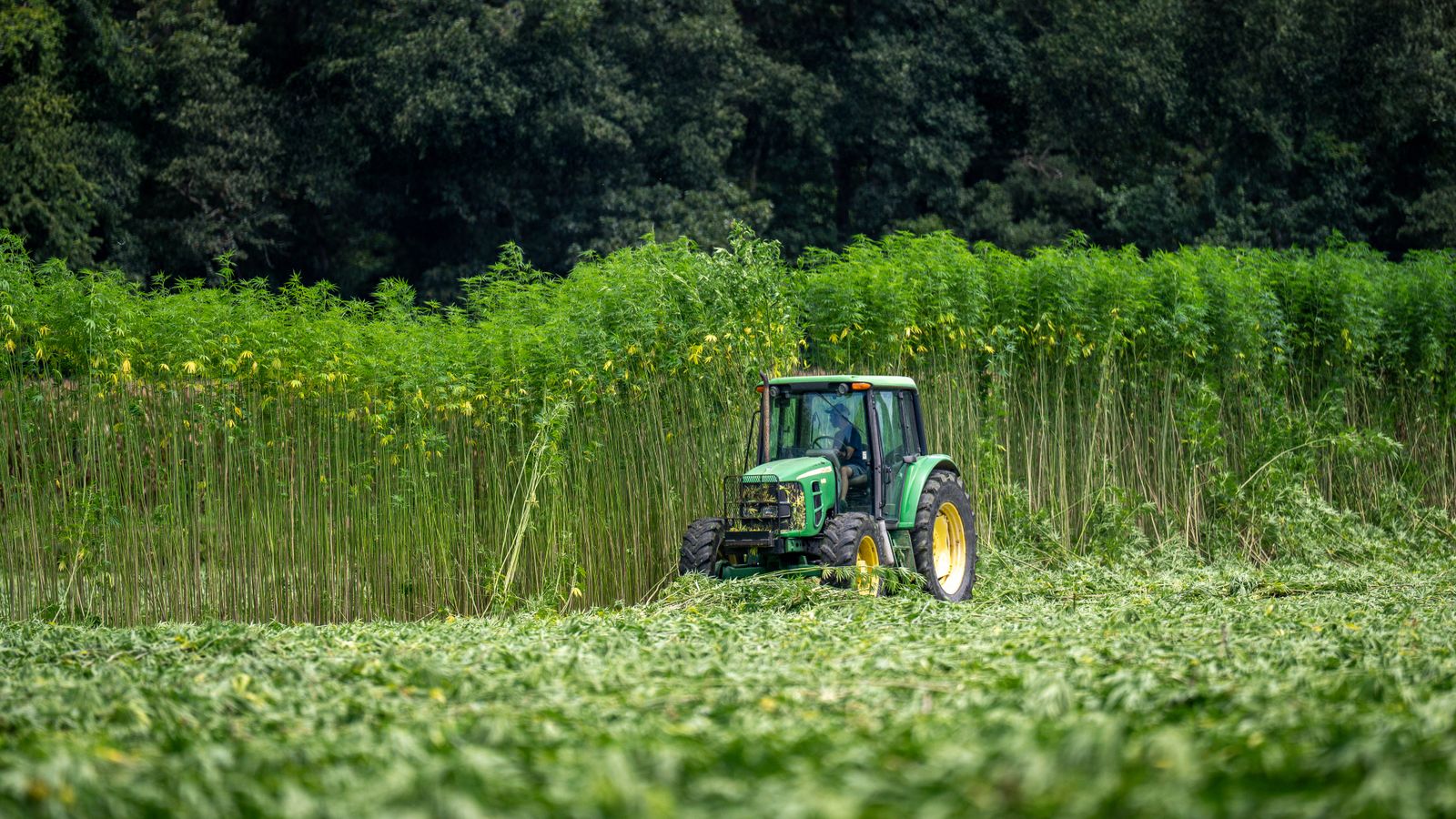
California Outdoor Farmers Start Harvest of Up to 22M Wet Pounds
Fair weather and ample licensed plant counts point to a huge October crop, but soft prices are squeezing outdoor grower margins before the first sale.
More from the newsroom

Idaho Sets Nov. 3 Vote on Legislature's Sole Power to Legalize Marijuana
A ballot question would decide whether only lawmakers, not voters, can legalize marijuana in Idaho, a state with no adult-use or medical market.

Wholesaler Settles for $2M Over Illegal THC Product Sales
A wholesaler agreed to a $2 million settlement over illegal THC products, but the public record is thin on who, where and what was sold.

Illinois Cannabis Use Rises While State Tax Revenue Dips
The Chicago Sun-Times reported Oct. 12 that Illinois consumption is climbing as cannabis tax collections slip, a split with consequences for state budgets and operators.