High Times Profiles Brute's Roots' Slow Pheno Bet in South Jersey
High Times Magazine profiled Brute's Roots on Oct. 12, framing the South Jersey operation's strategy around patience and phenotype selection.
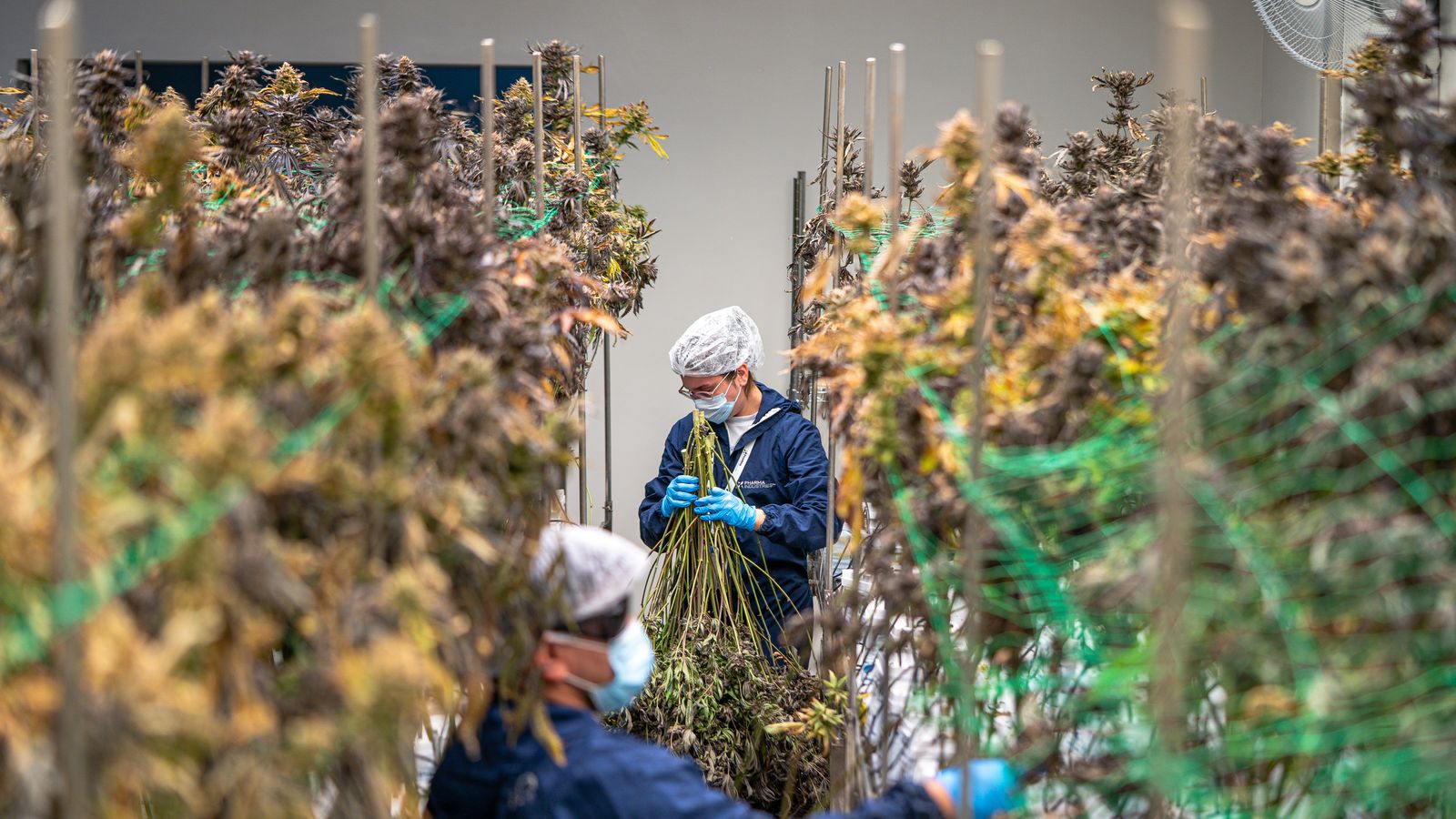
Workers in protective gear handling cannabis plants in an indoor facility.
What High Times reported
High Times framed Brute's Roots' strategy around three things: patience, phenotypes and a South Jersey footprint.
That's what the Oct. 12 headline tells us, but our signal captured only the headline and publication, not the article text, so we won't guess at canopy size, license tier or genetics. Those details belong to High Times' reporting. Read the full profile there.
What we can do is read the bet.
Why a pheno-hunt is slow money
A phenotype-first strategy trades speed to market for a product competitors can't easily copy.
Hunting a pheno means popping a lot of seeds of a cultivar and finding the one plant worth keeping. Most won't make it. Dudding is the cost of doing business.
The math is front-loaded. Every slot used for a hunt is a slot not producing sellable flower. What kills you is carrying that space while rent, power and labor keep running.
A keeper has to clear a real bar:
- Vigor and structure under your own lights, not someone else's
- Terpene and cannabinoid expression that survives drying and cure
- Consistency from run to run, not one lucky harvest
- Bag appeal a buyer recognizes and re-orders
Why South Jersey is in the headline
Naming the region suggests location is part of the pitch, though the signal doesn't say how.
New Jersey's adult-use market is regulated by the Cannabis Regulatory Commission (CRC). Brute's Roots is pitching craft inside that framework. Why South Jersey specifically isn't spelled out in what we have, and we're not going to invent a reason.
Here's the read. Craft brands live or die on whether a buyer asks for a specific cut by name. A patience strategy only works if the market rewards that loyalty. That's the whole wager.
What to watch next
The test for a patience strategy is whether keepers reach shelves on a schedule the business can survive.
Four markers will tell the story:
- Retail launch timing for any selected cultivars
- Whether named cuts repeat across batches
- Wholesale terms with New Jersey dispensaries
- Any CRC rule changes that touch cultivation or licensing
For full background, see the CannIntel topic hub on New Jersey craft cannabis cultivation.
The next signal: the first batch of keepers hitting New Jersey shelves, and whether repeat orders follow.
Sources
The cannabis newsletter you forward to your team.
Federal policy, market data, grower alerts, and the one story that matters today. Sent every weekday at 7am. Free.
No spam. Unsubscribe with one click. 21+ only.
Related from Grow
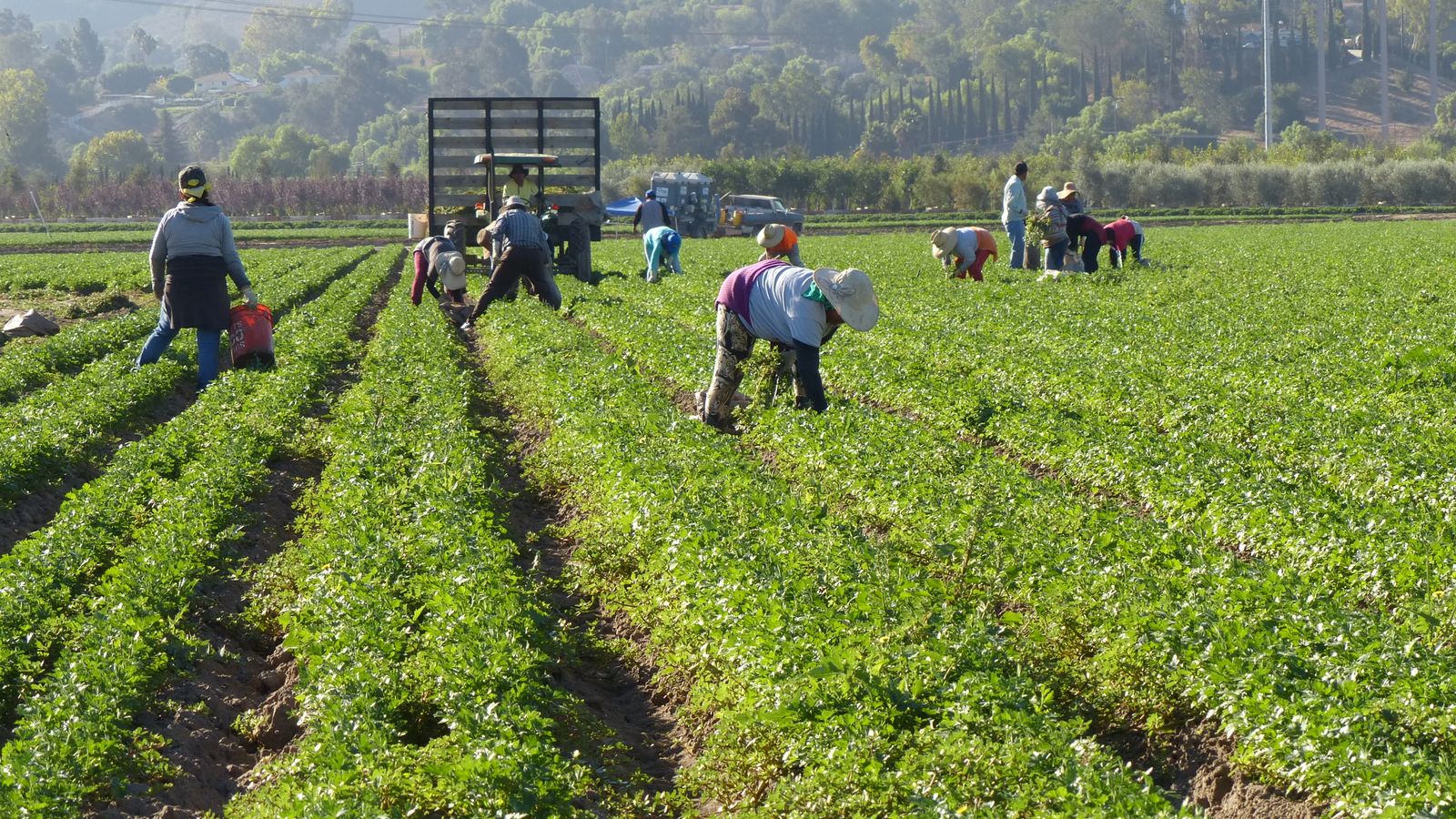
GreenState Reports California Outdoor Farmers' Success Formula
GreenState published a profile of California outdoor growers' success on Oct. 12, mid-harvest. We separate what's confirmed from the agronomy that likely drives results.

High Times Profiles Edun's Korean Natural Farming Grow in Colorado
High Times Magazine's Oct. 9 profile of Edun puts Korean Natural Farming and living soil in a Colorado grow, but the claims still need lab-level proof.
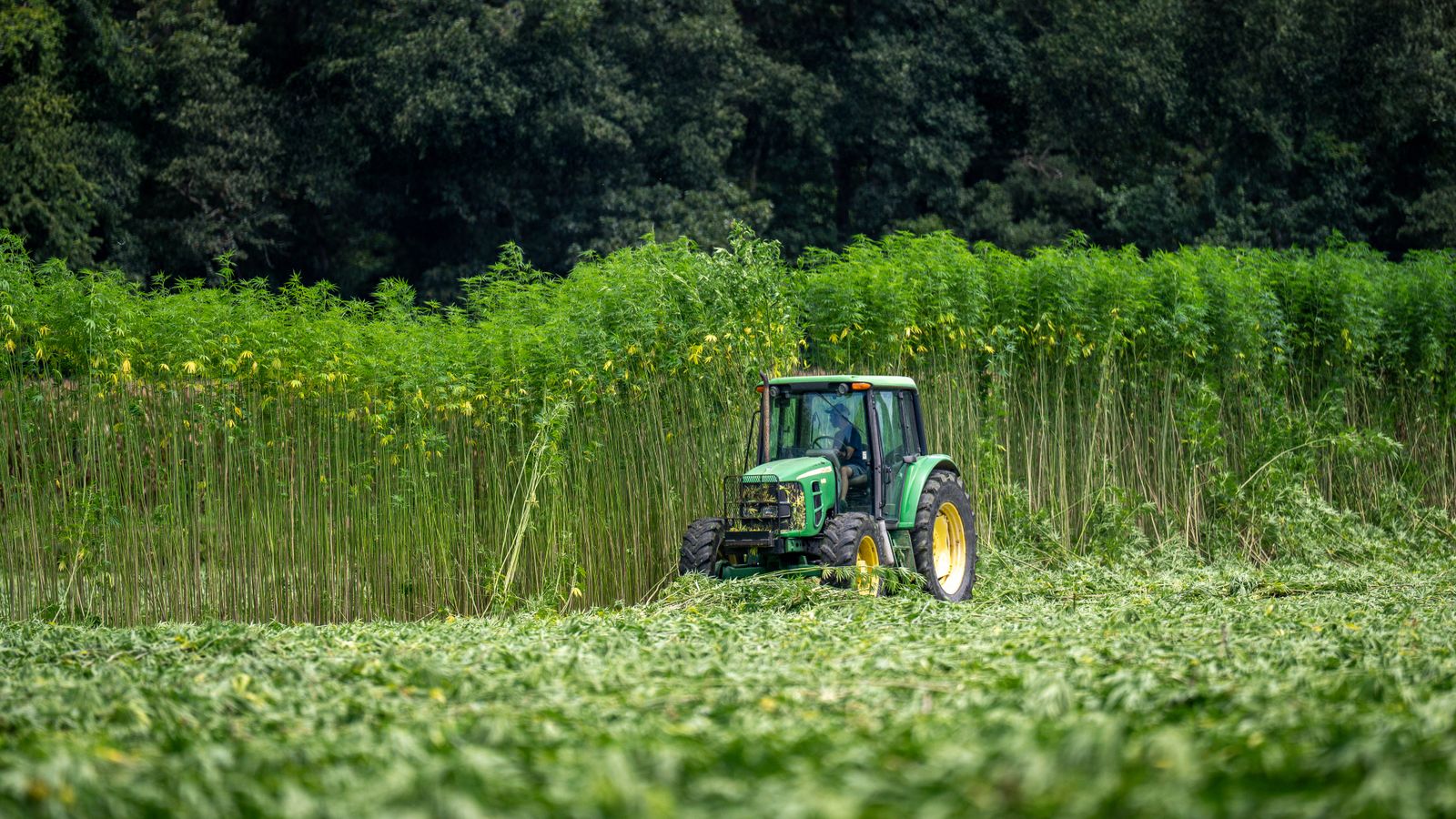
California Outdoor Farmers Start Harvest of Up to 22M Wet Pounds
Fair weather and ample licensed plant counts point to a huge October crop, but soft prices are squeezing outdoor grower margins before the first sale.
More from the newsroom

Idaho Sets Nov. 3 Vote on Legislature's Sole Power to Legalize Marijuana
A ballot question would decide whether only lawmakers, not voters, can legalize marijuana in Idaho, a state with no adult-use or medical market.

Wholesaler Settles for $2M Over Illegal THC Product Sales
A wholesaler agreed to a $2 million settlement over illegal THC products, but the public record is thin on who, where and what was sold.

Illinois Cannabis Use Rises While State Tax Revenue Dips
The Chicago Sun-Times reported Oct. 12 that Illinois consumption is climbing as cannabis tax collections slip, a split with consequences for state budgets and operators.