High Times Profiles Edun's Korean Natural Farming Grow in Colorado
High Times Magazine's Oct. 9 profile of Edun puts Korean Natural Farming and living soil in a Colorado grow, but the claims still need lab-level proof.

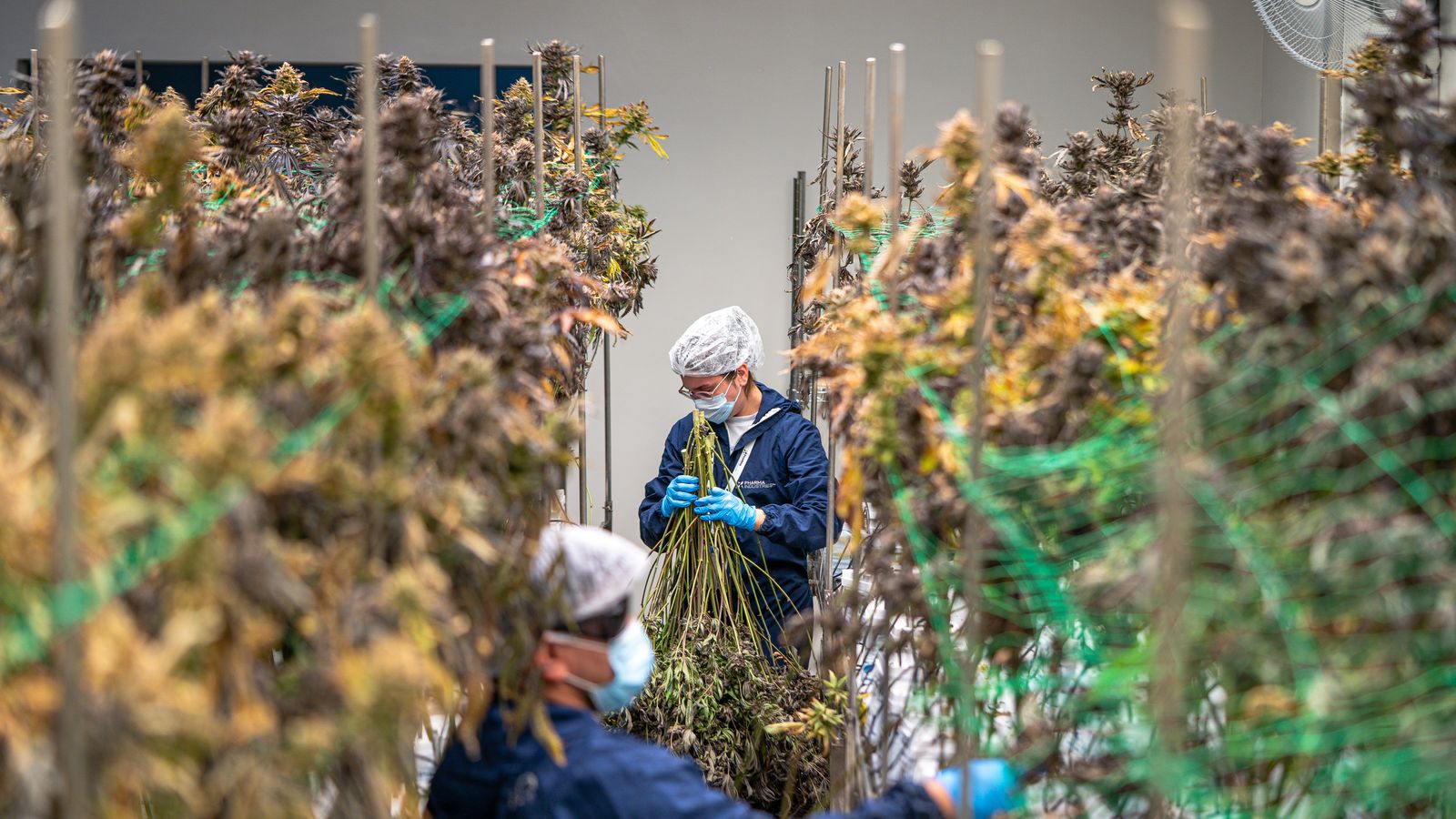
Detailed view of a cannabis plant flowering in an indoor greenhouse.
What High Times published, and what we could verify
High Times Magazine published a profile on Oct. 9, 2026 linking a Colorado operation called Edun to Korean Natural Farming and living-soil cultivation. The piece is titled "Inside Edun: Korean Natural Farming and Living Soil Cannabis in Colorado."
Here's our methodology disclosure, because a reviews desk owes you one. Test rig: none. Sample size: one document, and we saw only its headline, date and outlet metadata in a syndicated feed. We didn't visit the facility, haven't seen a certificate of analysis, and ran no soil assays. No controls, no comparison grow.
That makes this a map of the claim, not a review of the flower. The headline doesn't give Edun's canopy size, genetics, ownership or yields, so we won't guess at them.
What Korean Natural Farming and living soil mean in practice
Korean Natural Farming, developed by Cho Han-kyu, builds fertility from homemade fermented and microbial inputs, and it pairs naturally with no-till living soil. The standard toolkit includes indigenous microorganisms (IMO) collected from local ground, fermented plant juice, fish amino acid, lactic acid bacteria serum and oriental herbal nutrient. Those are the method's general components. We haven't seen Edun's specific recipe.
Living soil is the other half. Growers reuse beds across cycles, amend with compost and cover crops, and rely on microbial communities, including mycorrhizae, to cycle nutrients instead of feeding the plant bottled salts. The pitch is lower input spend and less runoff. Growers often say it also brings richer terpene expression, including compounds like myrcene.
That last claim is the shakiest. It's common in grower circles, and we treat it as a hypothesis until someone publishes matched-batch lab data.
A living-soil claim is only as strong as the paperwork behind it: input logs, soil assays and lab results across more than one harvest.
Not yet. That's where the evidence stands for most craft cultivation claims, Edun's included, at least from what we can see.
Why Colorado is a fair test, and what to ask Edun
Colorado's mature, Marijuana Enforcement Division-regulated market, open to adult-use sales since 2014, rewards operators who can cut costs without losing potency, which makes input claims testable. After more than a decade of competition, a grower can't hide behind novelty for long. Section 280E, wherever it still applies, limits deductions for plant-touching businesses to cost of goods sold, so every dollar of input savings counts twice.
So the questions are concrete. What does per-gram input cost look like against a conventional salt-based run? What are THCA and total terpene numbers on batch-level COAs across several harvests, not one showpiece cycle? How does the operation manage pathogen pressure when beds are reused, and how does it handle compliance testing on a fermented-input program?
Marketing a grow method is easy. Proving it takes spreadsheets. If Edun can publish that data, the profile becomes a case study instead of a brand story.
For full background on the method and its evidence base, see the CannIntel topic hub on living soil cannabis cultivation.
Verdict: an interesting method with an unverified result. The next signal to watch is whether Edun releases batch-level COAs and input-cost figures from its next harvest, and whether other Colorado growers publish side-by-side comparisons.
Frequently asked questions
What is Korean Natural Farming in cannabis cultivation?
Korean Natural Farming, developed by Cho Han-kyu, uses homemade fermented and microbial inputs such as indigenous microorganisms, fermented plant juice and fish amino acid to build soil fertility. Cannabis growers often pair it with no-till living soil as an alternative to bottled mineral nutrients.
What is Edun?
Edun is a Colorado cannabis operation profiled by High Times Magazine on Oct. 9, 2026 for using Korean Natural Farming and living soil. CannIntel has verified only the profile's headline and has not independently confirmed details about its facility, size or output.
Does living soil cannabis have higher terpenes?
Many growers say so, but the claim is not settled by controlled evidence CannIntel can cite. Verifying it would require matched-batch lab results comparing living-soil and conventional grows under the same genetics, lighting and environment.
Did CannIntel test Edun's cannabis?
No. CannIntel did not visit Edun, test its flower, or review certificates of analysis. This article covers the High Times headline and the method it describes, and discloses that limit up front.
Sources
The cannabis newsletter you forward to your team.
Federal policy, market data, grower alerts, and the one story that matters today. Sent every weekday at 7am. Free.
No spam. Unsubscribe with one click. 21+ only.
Related from Grow
High Times Profiles Brute's Roots' Slow Pheno Bet in South Jersey
High Times Magazine profiled Brute's Roots on Oct. 12, framing the South Jersey operation's strategy around patience and phenotype selection.
GreenState Reports California Outdoor Farmers' Success Formula
GreenState published a profile of California outdoor growers' success on Oct. 12, mid-harvest. We separate what's confirmed from the agronomy that likely drives results.
California Outdoor Farmers Start Harvest of Up to 22M Wet Pounds
Fair weather and ample licensed plant counts point to a huge October crop, but soft prices are squeezing outdoor grower margins before the first sale.
More from the newsroom

Idaho Sets Nov. 3 Vote on Legislature's Sole Power to Legalize Marijuana
A ballot question would decide whether only lawmakers, not voters, can legalize marijuana in Idaho, a state with no adult-use or medical market.

Wholesaler Settles for $2M Over Illegal THC Product Sales
A wholesaler agreed to a $2 million settlement over illegal THC products, but the public record is thin on who, where and what was sold.

Illinois Cannabis Use Rises While State Tax Revenue Dips
The Chicago Sun-Times reported Oct. 12 that Illinois consumption is climbing as cannabis tax collections slip, a split with consequences for state budgets and operators.