Brazil Cannabis Import Approvals Soar as CBD Market Expands
Import authorizations for cannabis-based medicines in Brazil surged in 2026, reflecting accelerating patient access and regulatory momentum in Latin America's largest medical market.

High-quality image featuring cannabis oil, seeds, leaves, and capsules on a dark background.
Import Authorization Volume Hits New High
Brazil's national health surveillance agency ANVISA processed more than 120,000 individual import authorizations for cannabis-based medicines through August 2026, up from approximately 85,000 for all of 2025. The acceleration represents a 41% year-over-year increase and the fastest growth rate since the country's medical cannabis program launched over a decade ago.
Most authorizations covered CBD-dominant oils and tinctures prescribed for epilepsy, chronic pain, and anxiety disorders. THC-containing products remain a smaller share but are growing, particularly for oncology and palliative care.
ANVISA Streamlines Patient Access Pathway
Regulatory changes implemented in late 2025 cut average approval times from 15 days to under 72 hours for repeat patients. ANVISA also expanded the list of pre-approved international suppliers, reducing documentation burdens for physicians and patients navigating the autorização sanitária process.
The reforms followed sustained advocacy from patient groups and medical societies. Brazil doesn't yet permit domestic cultivation for commercial sale, so all legal medical cannabis is imported—primarily from Uruguay, Colombia, and Canada.
Patient Demographics Shift as Access Widens
Early adopters were concentrated in São Paulo and Rio de Janeiro, but 2026 data shows accelerating uptake in the Northeast and Center-West regions. Goiás, Bahia, and Pernambuco each saw authorization volumes triple compared to 2024 baselines.
Pediatric epilepsy remains the dominant indication. Adult chronic pain and mental health prescriptions now account for over 40% of new authorizations, though, signaling that cannabis medicine is moving beyond niche neurological use cases into mainstream symptom management.
Domestic Cultivation Debate Intensifies
Brazil's Congress is weighing legislation that would permit domestic cultivation and manufacturing of cannabis medicines, a move that could reduce costs and eliminate import dependency. Proponents argue that local production would lower patient out-of-pocket expenses—currently ranging from R$500 to R$2,000 per month—and create agricultural jobs in rural states.
If approved, domestic cultivation could cut patient costs by half and position Brazil as a regional exporter, but the bill faces opposition from conservative lawmakers and federal law enforcement agencies.
The bill has cleared committee review. It lacks a floor vote date. Political observers expect a vote in Q4 2026 or early 2027.
Price Pressure and Insurance Coverage Gaps
Despite surging demand, fewer than 5% of Brazilian patients receive insurance reimbursement for cannabis medicines. Most private health plans classify cannabis products as experimental, leaving patients to cover the full cost. Public health system coverage remains virtually nonexistent outside of a handful of state-level pilot programs.
Advocacy groups are pushing ANVISA and the Ministry of Health to issue clinical guidelines that would compel insurers to cover evidence-backed indications such as refractory epilepsy and chemotherapy-induced nausea.
Regional Supply Chains Tighten
Brazil's import growth is straining supply from Uruguay and Colombia, the two largest South American exporters. Uruguayan producers reported allocation delays in Q2 2026 as Brazilian orders outpaced harvest forecasts. Colombian exporters have expanded acreage but face their own regulatory bottlenecks around export permitting.
Some Brazilian importers are diversifying to Canadian and European suppliers, though longer shipping routes increase costs and complicate cold-chain logistics for temperature-sensitive formulations.
What Comes Next for Brazil's Medical Market
ANVISA is expected to release updated good manufacturing practice (GMP) standards for cannabis products by year-end, a prerequisite for any future domestic production framework. Industry observers are also watching for potential rescheduling of cannabis under Brazil's controlled substances list, which would simplify research and clinical trial pathways.
For background on Brazil's evolving cannabis policy, see the CannIntel topic hub on Brazil's cannabis market. The next major policy signal: congressional floor action on the domestic cultivation bill, likely in Q4 2026.
Sources
The cannabis newsletter you forward to your team.
Federal policy, market data, grower alerts, and the one story that matters today. Sent every weekday at 7am. Free.
No spam. Unsubscribe with one click. 21+ only.
Related from Business
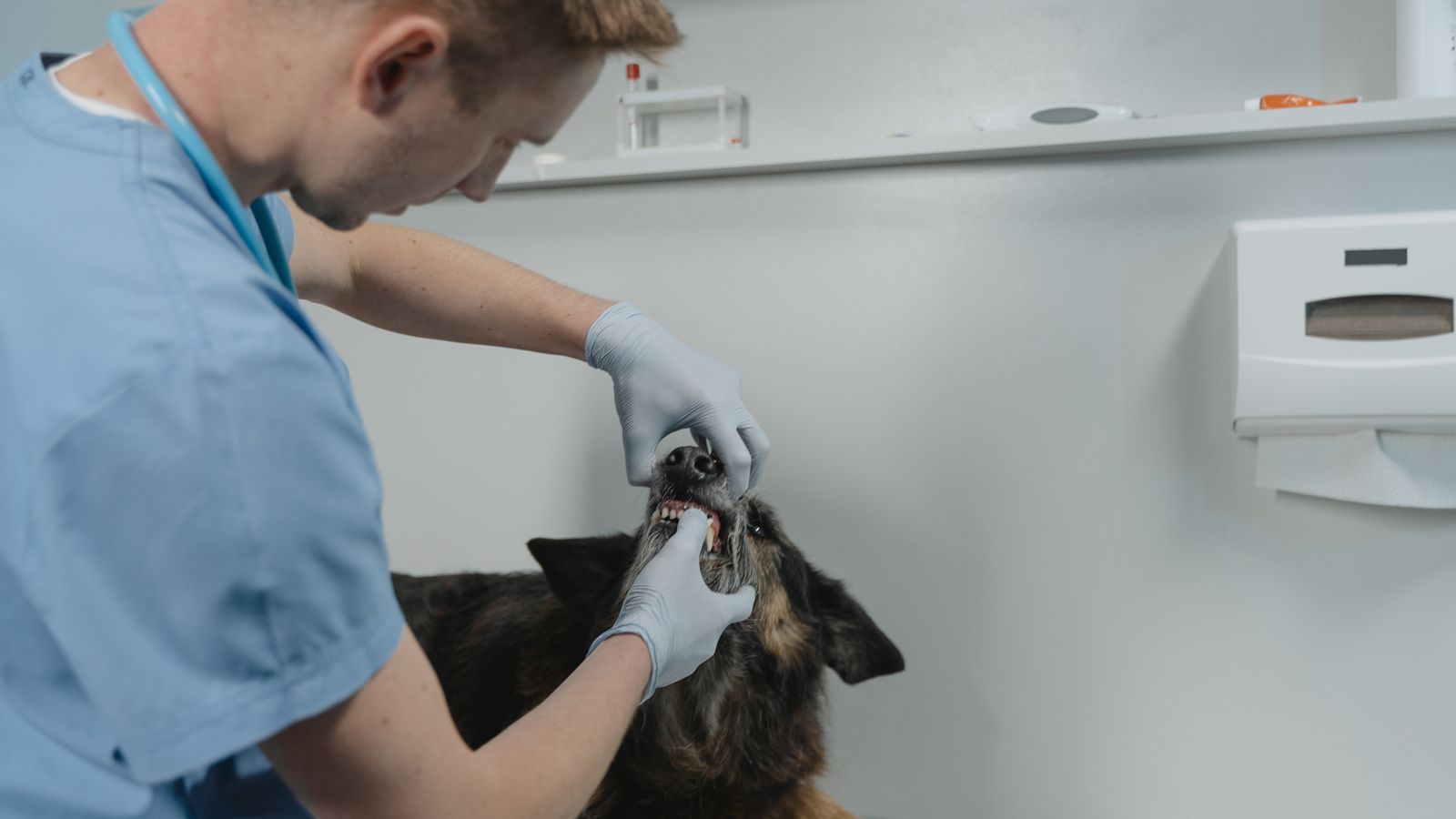
Endovia Pursues FDA Veterinary Approval for Cannabinoid Drug Targeting Dogs
The cannabis company is betting on canine cancer and chronic pain treatments to unlock FDA approval in the companion-animal market.

Canopy Growth Launches Two New Cannabis Formats in Australia
The Canadian MSO debuts flower and oil products through its Spectrum Therapeutics brand in the Australian medical market.

Grown Rogue Launches Cannabis Cultivation Operations in Minnesota
Oregon-based MSO enters Minnesota's adult-use market with new cultivation facility as state transitions from medical-only program.
More from the newsroom

Cayman Islands Cannabis Advocates Push Legalization in Parliament
Reform campaigners presented decriminalization arguments to Cayman lawmakers as the British territory weighs cannabis policy changes.

GOP Majority Leader Calls Marijuana 'Gateway Drug' Amid Trump Rescheduling
House Majority Leader reaffirms opposition to cannabis reform as DEA moves toward Schedule III reclassification.

One in Five U.S. Adults Over 50 Used Cannabis in Past Year, Study Finds
New research documents the highest-ever prevalence of cannabis use among older Americans, with consumption rates tripling since 2013.