Endovia Pursues FDA Veterinary Approval for Cannabinoid Drug Targeting Dogs
The cannabis company is betting on canine cancer and chronic pain treatments to unlock FDA approval in the companion-animal market.
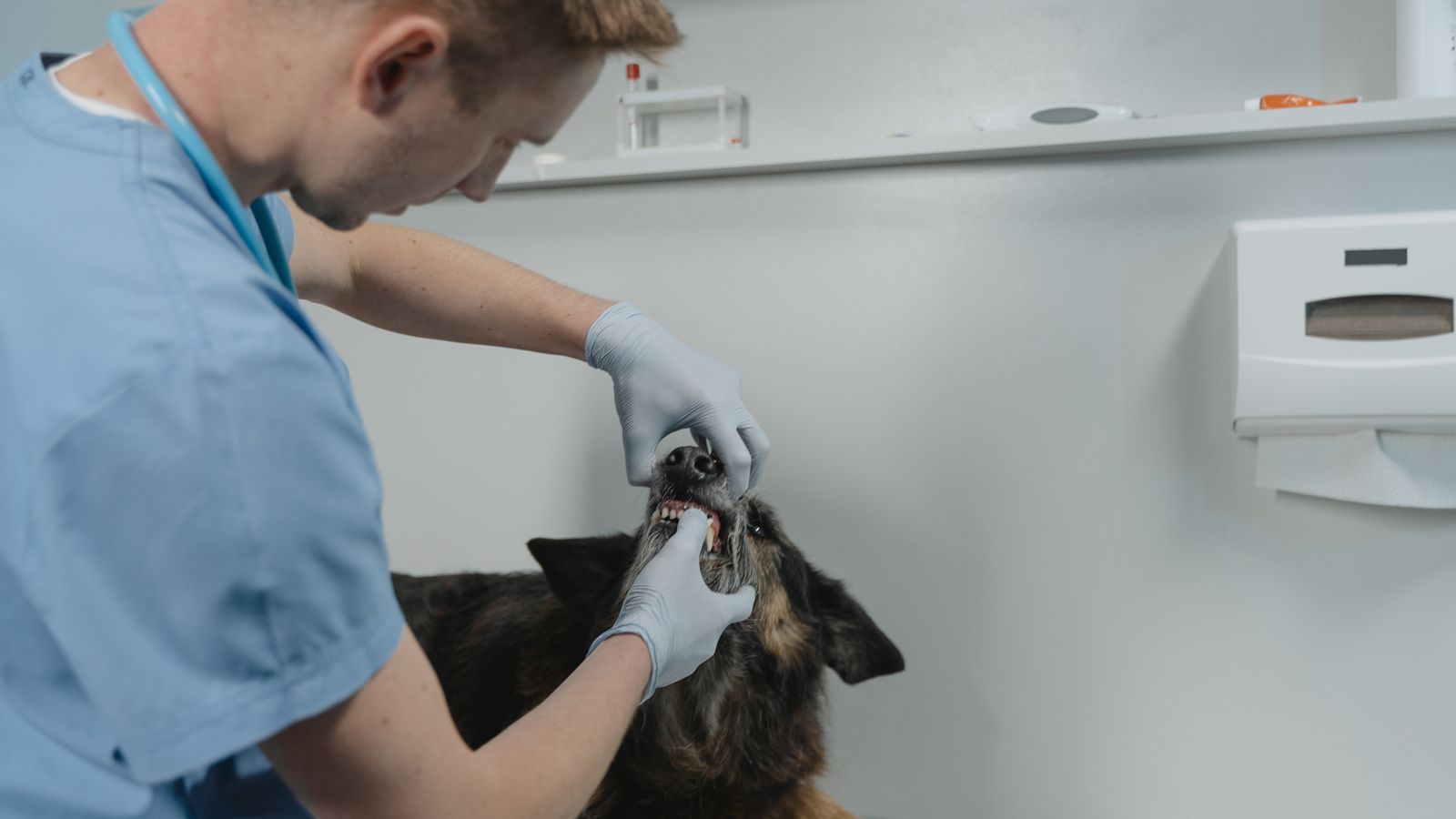
A veterinarian examines a dog's teeth, showcasing pet healthcare and dental check-up in a clinic setting.
Veterinary Route Offers Faster Path to FDA Approval
Endovia is betting that veterinary cannabinoid drugs face lower regulatory hurdles than human pharmaceuticals, a thesis that could accelerate its path to FDA approval. The FDA's Center for Veterinary Medicine (CVM) operates under a distinct regulatory framework from the Center for Drug Evaluation and Research (CDER), which governs human drugs. No cannabinoid drug has yet secured veterinary approval. But the CVM pathway requires fewer clinical trial phases and smaller patient populations to demonstrate safety and efficacy.
The companion-animal market represents a $30 billion annual spend in the United States, with cancer and chronic pain among the top treatment categories. Endovia's strategy mirrors moves by other pharmaceutical companies that have used veterinary approvals as proof-of-concept platforms before pursuing human indications.
Canine Cancer and Pain: A $2 Billion Addressable Market
Cancer affects approximately 6 million dogs annually in the U.S., and chronic pain management represents a recurring revenue opportunity in the companion-animal segment. According to veterinary pharmaceutical industry data, the market for canine oncology and pain drugs exceeds $2 billion. Existing treatments include NSAIDs, opioids, and chemotherapy protocols, but cannabinoid drugs could offer differentiated mechanisms of action with potentially fewer side effects.
Here's the bull case: If Endovia's drug demonstrates efficacy in canine trials, it establishes a clinical foundation that could de-risk future human trials for similar indications. The bear case? Veterinary drug pricing is constrained by out-of-pocket consumer spending, and reimbursement mechanisms are limited compared to human health insurance, which could cap revenue upside even with approval.
Regulatory Timeline and Clinical Development Costs
Veterinary drug approvals typically require 3-5 years from investigational new animal drug (INAD) filing to conditional approval, compared to 8-12 years for human drugs. Endovia hasn't disclosed its current development stage, but the CVM pathway involves fewer regulatory checkpoints. Clinical trials for veterinary drugs can be conducted with as few as 100-200 animals across multiple sites, compared to thousands of patients required for Phase III human trials.
Development costs for veterinary drugs range from $10 million to $50 million. That's a fraction of the $500 million-plus required for human pharmaceuticals. This capital efficiency makes the veterinary route attractive for smaller biotech firms seeking to prove cannabinoid drug viability without dilutive financing rounds.
Competitive Landscape and IP Positioning
Endovia enters a competitive field where several companies are exploring cannabinoid veterinary applications, but none has yet secured FDA approval. ElleVet Sciences and Canopy Animal Health have launched hemp-derived CBD products under the FDA's enforcement discretion policy. These aren't FDA-approved drugs. They lack the clinical validation and marketing exclusivity that come with formal approval.
Patent protection will be critical. Endovia's ability to secure composition-of-matter or method-of-use patents for its cannabinoid formulation will determine whether it can defend market share post-approval. The FDA grants up to five years of data exclusivity for new animal drugs, providing a runway to establish brand dominance before generic competition arrives.
Investor Implications and Path to Human Indications
If Endovia achieves veterinary approval, the company could use the clinical data as a springboard for human trials, a strategy that has precedent in other therapeutic areas. Rimadyl, a canine NSAID, provided safety data that informed human drug development for similar compounds. For cannabinoid drugs, veterinary approval would represent the first FDA validation of a cannabis-derived pharmaceutical outside of Epidiolex, GW Pharmaceuticals' epilepsy drug approved in 2018.
The capital-markets angle: Veterinary approval could unlock non-dilutive financing through revenue generation, allowing Endovia to fund human trials without additional equity raises. Comparable veterinary pharmaceutical companies trade at 3-5x revenue multiples, but cannabinoid drugs could command a premium given the novelty and broader platform potential. For full background on this story, see the CannIntel topic hub on FDA Cannabinoid Drug Approval.
What to Watch
The next signal: Endovia's INAD filing date and the scope of its clinical trial protocol. Investors should also monitor CVM guidance updates on cannabinoid drugs, as regulatory clarity could accelerate timelines across the sector. The veterinary route is a calculated bet. But it's one that could redefine how cannabinoid pharmaceuticals reach market.
Frequently asked questions
Why is Endovia pursuing veterinary approval instead of human drug approval?
Veterinary drug approvals require fewer clinical trial phases, smaller patient populations, and 3-5 years versus 8-12 years for human drugs. Development costs range from $10-50 million compared to $500 million-plus for human pharmaceuticals, making it a capital-efficient pathway to FDA validation.
What is the market size for cannabinoid drugs in companion animals?
The U.S. companion-animal market is $30 billion annually, with canine cancer and chronic pain drugs representing over $2 billion. Approximately 6 million dogs are diagnosed with cancer each year, creating a substantial addressable market for novel treatments.
Has the FDA approved any cannabinoid drugs for veterinary use?
No cannabinoid drug has yet received FDA veterinary approval. Existing hemp-derived CBD products for pets operate under the FDA's enforcement discretion policy but lack formal approval, clinical validation, and the marketing exclusivity that comes with FDA authorization.
How could veterinary approval help Endovia pursue human drug indications?
Veterinary clinical data can inform human drug development by demonstrating safety and efficacy in a mammalian model. FDA veterinary approval would also generate revenue to fund human trials without dilutive equity financing, a strategy used successfully in other therapeutic areas.
What are the risks of the veterinary drug strategy?
Veterinary drug pricing is constrained by out-of-pocket consumer spending with limited reimbursement mechanisms, which could cap revenue even with approval. Additionally, without strong patent protection, generic competition could erode market share after the five-year data exclusivity period expires.
Sources
The cannabis newsletter you forward to your team.
Federal policy, market data, grower alerts, and the one story that matters today. Sent every weekday at 7am. Free.
No spam. Unsubscribe with one click. 21+ only.
Related from Business

Federal Report Shows Banks Still Reject Cannabis Clients Despite SAFER
New federal data reveals persistent banking access gaps for marijuana businesses even as legislative momentum stalls.

Canopy Growth Launches Two New Cannabis Formats in Australia
The Canadian MSO debuts flower and oil products through its Spectrum Therapeutics brand in the Australian medical market.

Grown Rogue Launches Cannabis Cultivation Operations in Minnesota
Oregon-based MSO enters Minnesota's adult-use market with new cultivation facility as state transitions from medical-only program.
More from the newsroom

Nebraska Supreme Court Upholds Cannabis Legalization Ballot Measures
State's highest court clears the way for November vote on medical and recreational cannabis after rejecting challenge.

Cayman Islands Cannabis Advocates Push Legalization in Parliament
Reform campaigners presented decriminalization arguments to Cayman lawmakers as the British territory weighs cannabis policy changes.

GOP Majority Leader Calls Marijuana 'Gateway Drug' Amid Trump Rescheduling
House Majority Leader reaffirms opposition to cannabis reform as DEA moves toward Schedule III reclassification.