One in Five U.S. Adults Over 50 Used Cannabis in Past Year, Study Finds
New research documents the highest-ever prevalence of cannabis use among older Americans, with consumption rates tripling since 2013.
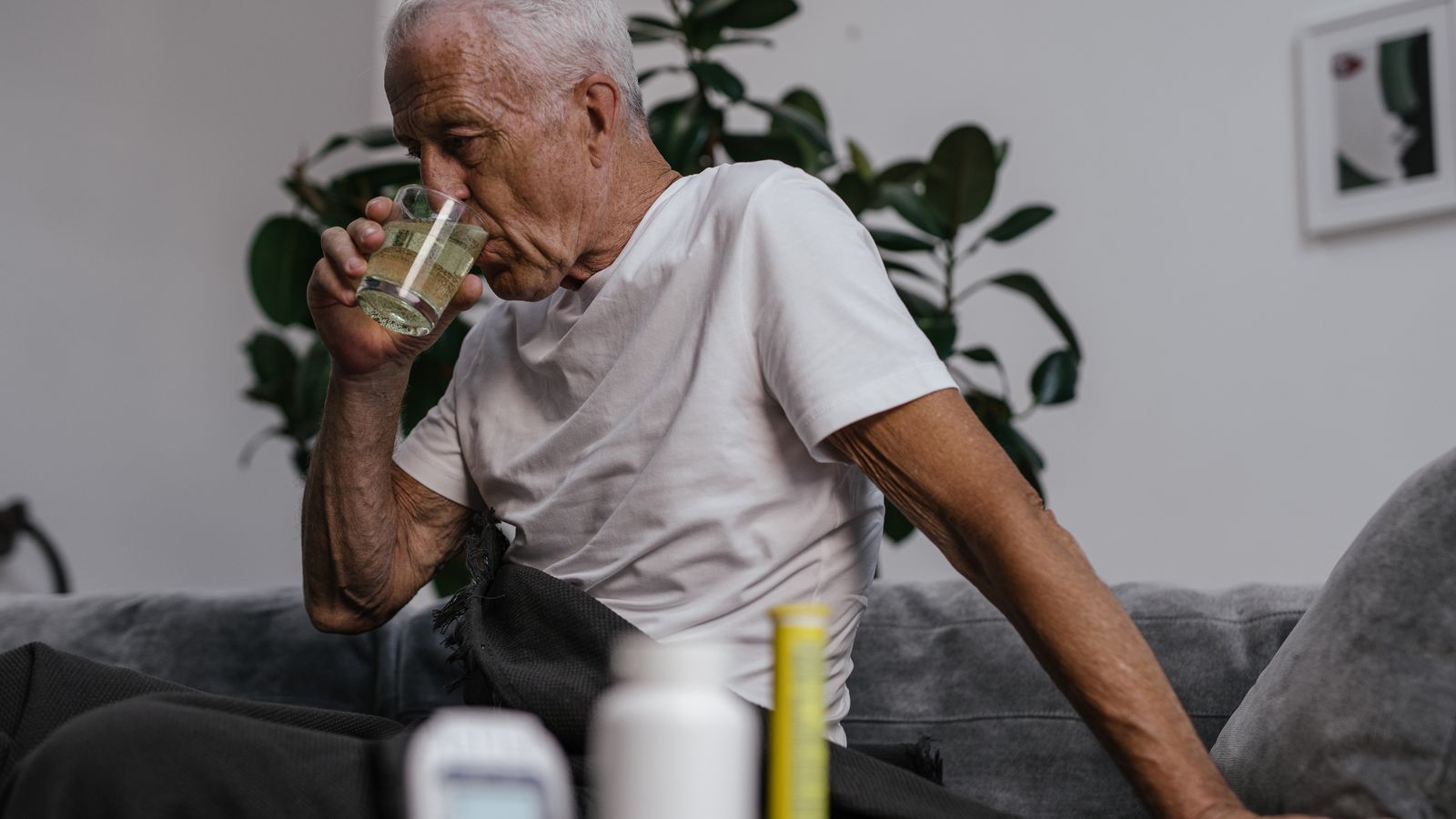
Senior man in white shirt drinking medicine indoors. Health and wellness lifestyle.
Cannabis Use Among Seniors Reaches Record High
Cannabis consumption among Americans over 50 reached 21.2% in the 12-month measurement period ending 2025, up from 7.1% in 2013. The findings, drawn from National Survey on Drug Use and Health (NSDUH) data spanning 2013 through 2025, document a 198% increase in past-year prevalence among the 50-and-older cohort. Researchers tracked responses from approximately 84,000 adults in the target age range across the measurement window.
The steepest growth hit the 50-64 age bracket. Past-year use climbed to 24.7% in 2025 from 9.3% in 2013. Among adults 65 and older, prevalence rose to 16.8% from 4.2% over the same period. Both cohorts showed consistent year-over-year increases. No plateau effect observed through the final measurement year.
Daily or near-daily use—defined as consumption on 20 or more days in the past month—also accelerated. Among past-year users over 50, 32.1% said they consumed cannabis daily or near-daily in 2025, compared to 18.4% in 2013. That translates to approximately 6.8% of all adults over 50 engaging in high-frequency cannabis use, a rate that exceeds daily alcohol consumption in the same demographic.
Medical Access and State Legalization Drive Adoption
Expanded medical cannabis access and shifting social norms around cannabis use in older populations account for most of the surge. As of September 2026, 38 states and the District of Columbia have enacted medical cannabis statutes, with 24 states permitting adult-use sales. Researchers note a strong correlation between state-level legalization timelines and uptake rates among seniors, particularly in states that enacted medical programs before 2016.
Older adults cite pain management, sleep disorders, and anxiety as the most common motivations for cannabis use. A 2024 AARP survey referenced in the study found that 72% of adults over 50 who use cannabis do so for a medical condition, compared to 48% of users aged 21-49. Arthritis, neuropathy, and insomnia rank as the top three conditions for which seniors report using cannabis therapeutically.
The data suggest that older adults are increasingly treating cannabis as a pharmaceutical substitute rather than a recreational product, with implications for prescribing patterns and drug interaction screening.
A gap in provider education complicates the picture. Fewer than 30% of primary care physicians report receiving training on cannabis pharmacology or drug interactions, despite the fact that adults over 65 take an average of 4.5 prescription medications daily. The potential for interactions between cannabis and anticoagulants, sedatives, and cardiovascular drugs remains underexplored in clinical literature.
Demographic and Geographic Patterns in Senior Use
Cannabis use among older adults varies significantly by geography, income, and education level. Highest prevalence rates cluster in Western states with mature legal markets: Colorado (31.2% of adults over 50), Oregon (29.8%), and California (28.1%). Southern states with medical-only or no legal access programs report the lowest rates, ranging from 8.4% in Alabama to 11.7% in Tennessee.
Key demographic findings include:
- Income: Adults over 50 with household incomes above $75,000 report past-year use rates of 25.3%, compared to 16.9% for those earning under $30,000.
- Education: College graduates over 50 show a 27.1% past-year prevalence, versus 18.2% for those with a high school diploma or less.
- Gender: Men over 50 report slightly higher use (22.6%) than women (19.9%), a smaller gap than in younger cohorts.
- Race/Ethnicity: Non-Hispanic white adults over 50 lead at 23.4%, followed by Hispanic adults at 18.7% and Black adults at 17.3%.
Consumption methods have shifted. Edibles and tinctures account for 48% of consumption occasions among adults over 65, compared to 22% for smoked flower. Vaporizers and topicals make up the remainder, with traditional smoking declining as the dominant method in older cohorts.
Policy and Clinical Implications
Federal rescheduling proceedings for cannabis under the Controlled Substances Act remain stalled in administrative review. The Drug Enforcement Administration's proposed rule to move cannabis from Schedule I to Schedule III, published in May 2024, has drawn more than 43,000 public comments but hasn't advanced to a final rule. Rescheduling wouldn't legalize cannabis federally but would remove research barriers and allow medical deductions under Internal Revenue Code Section 280E.
For context on the federal rescheduling process and its implications for medical research, see the CannIntel topic hub on senior cannabis use.
State medical cannabis programs have responded unevenly to the aging user base. Only 12 states include age-specific dosing guidance or senior-focused educational materials in their medical cannabis frameworks. Florida, Pennsylvania, and Illinois have launched pilot programs pairing cannabis recommendations with geriatric pharmacology consults, but uptake remains limited.
Authors recommend four policy interventions: mandatory continuing medical education on cannabis for geriatric care providers, standardized drug-interaction screening protocols, age-adjusted dosing guidelines for edibles and tinctures, and longitudinal research on cannabis use and cognitive health in older adults. None of these recommendations have been codified in state or federal law as of September 2026.
We'll be watching for the DEA's final rescheduling decision and state-level responses to the growing senior cannabis population through year-end 2026.
For complete background, history, and our ongoing coverage of this story:
Open the CannIntel topic hub →Frequently asked questions
What percentage of older adults use cannabis daily?
Approximately 6.8% of all U.S. adults over 50 engage in daily or near-daily cannabis use, defined as consumption on 20 or more days per month. Among past-year users over 50, that figure rises to 32.1%, more than double the 2013 rate of 18.4%.
Why are older adults using cannabis at higher rates?
Older adults cite pain management, sleep disorders, and anxiety as primary motivations. Expanded state medical cannabis access, shifting social norms, and dissatisfaction with opioid-based pain treatments have driven adoption. 72% of seniors who use cannabis report doing so for a medical condition.
Which states have the highest senior cannabis use rates?
Colorado leads at 31.2% of adults over 50, followed by Oregon at 29.8% and California at 28.1%. Western states with mature adult-use and medical programs consistently show the highest prevalence, while Southern states with limited or no legal access report rates below 12%.
What are the drug interaction risks for seniors using cannabis?
Cannabis can interact with anticoagulants, sedatives, and cardiovascular medications commonly prescribed to older adults. Adults over 65 take an average of 4.5 prescription drugs daily, yet fewer than 30% of primary care physicians have received training on cannabis pharmacology or interaction screening.
How do seniors prefer to consume cannabis?
Edibles and tinctures account for 48% of consumption occasions among adults 65 and older, with vaporizers and topicals making up most of the remainder. Smoked flower has declined as the dominant method in older cohorts, driven by respiratory health concerns and preference for precise dosing.
Sources
The cannabis newsletter you forward to your team.
Federal policy, market data, grower alerts, and the one story that matters today. Sent every weekday at 7am. Free.
No spam. Unsubscribe with one click. 21+ only.
Related from Medical
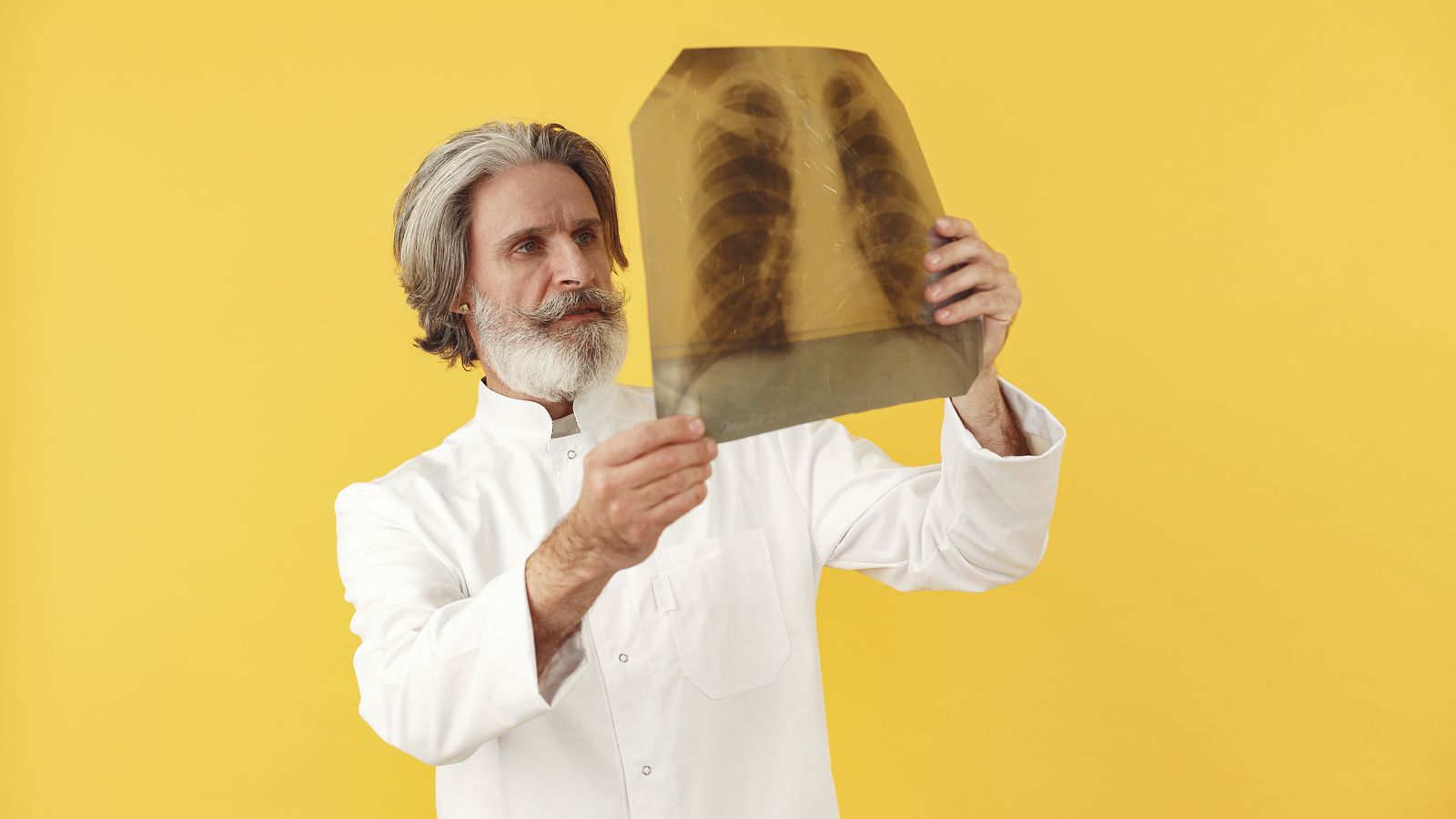
Cannabis Smoke and Lung Cancer Link Remains Unresolved in New Review
American Council on Science and Health analysis finds conflicting epidemiological data despite biological plausibility.
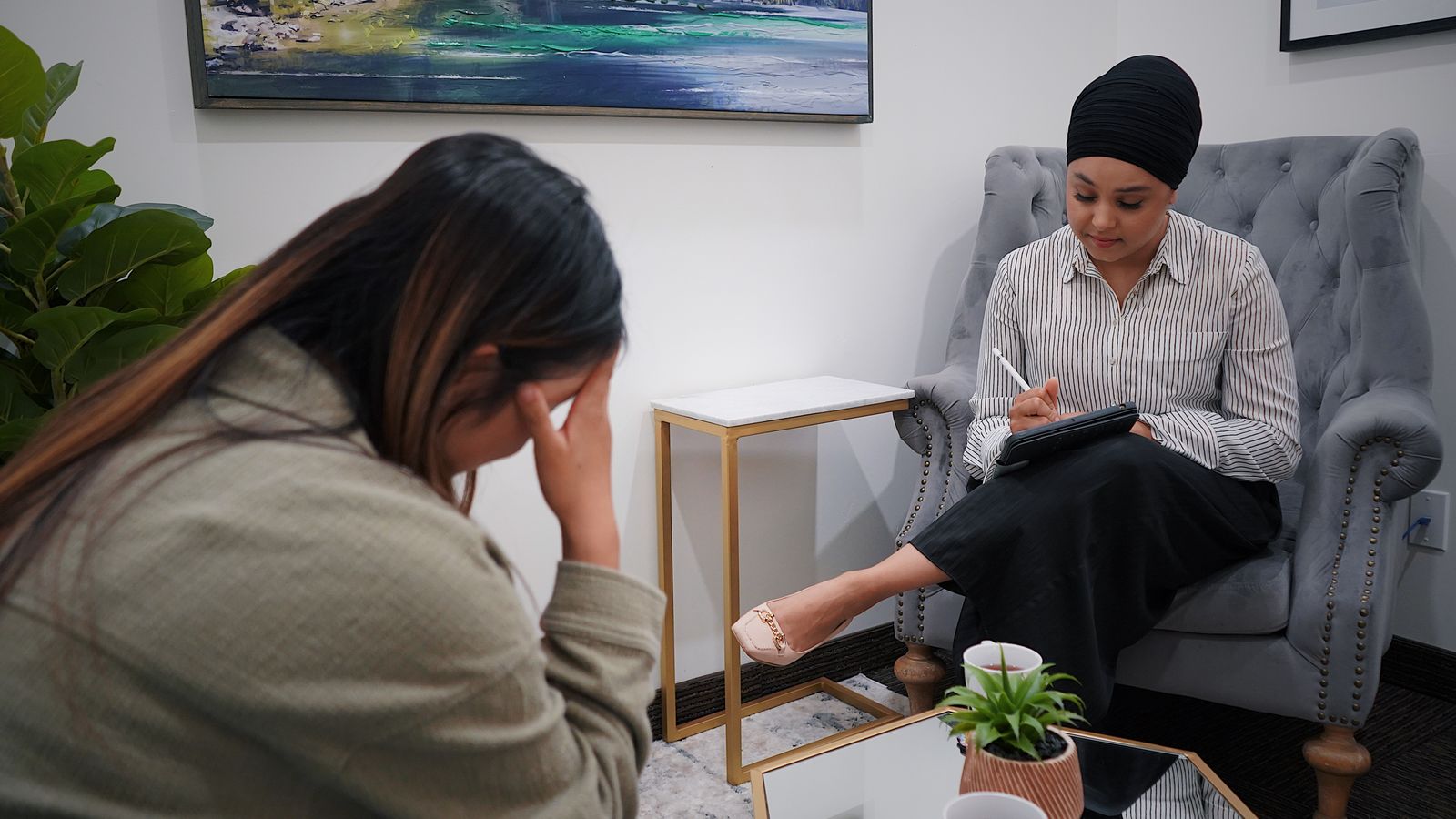
Cannabis Use Disorder Rates Rise Sharply, Experts Reject Prohibition
New data shows escalating disorder rates, but researchers say harm reduction beats criminalization.

Medical Cannabis Integration Improves Dental Patient Outcomes, Study Finds
New research shows cannabis-based interventions can reduce pain and anxiety during dental procedures.
More from the newsroom

Federal Report Shows Banks Still Reject Cannabis Clients Despite SAFER
New federal data reveals persistent banking access gaps for marijuana businesses even as legislative momentum stalls.

Nebraska Supreme Court Upholds Cannabis Legalization Ballot Measures
State's highest court clears the way for November vote on medical and recreational cannabis after rejecting challenge.
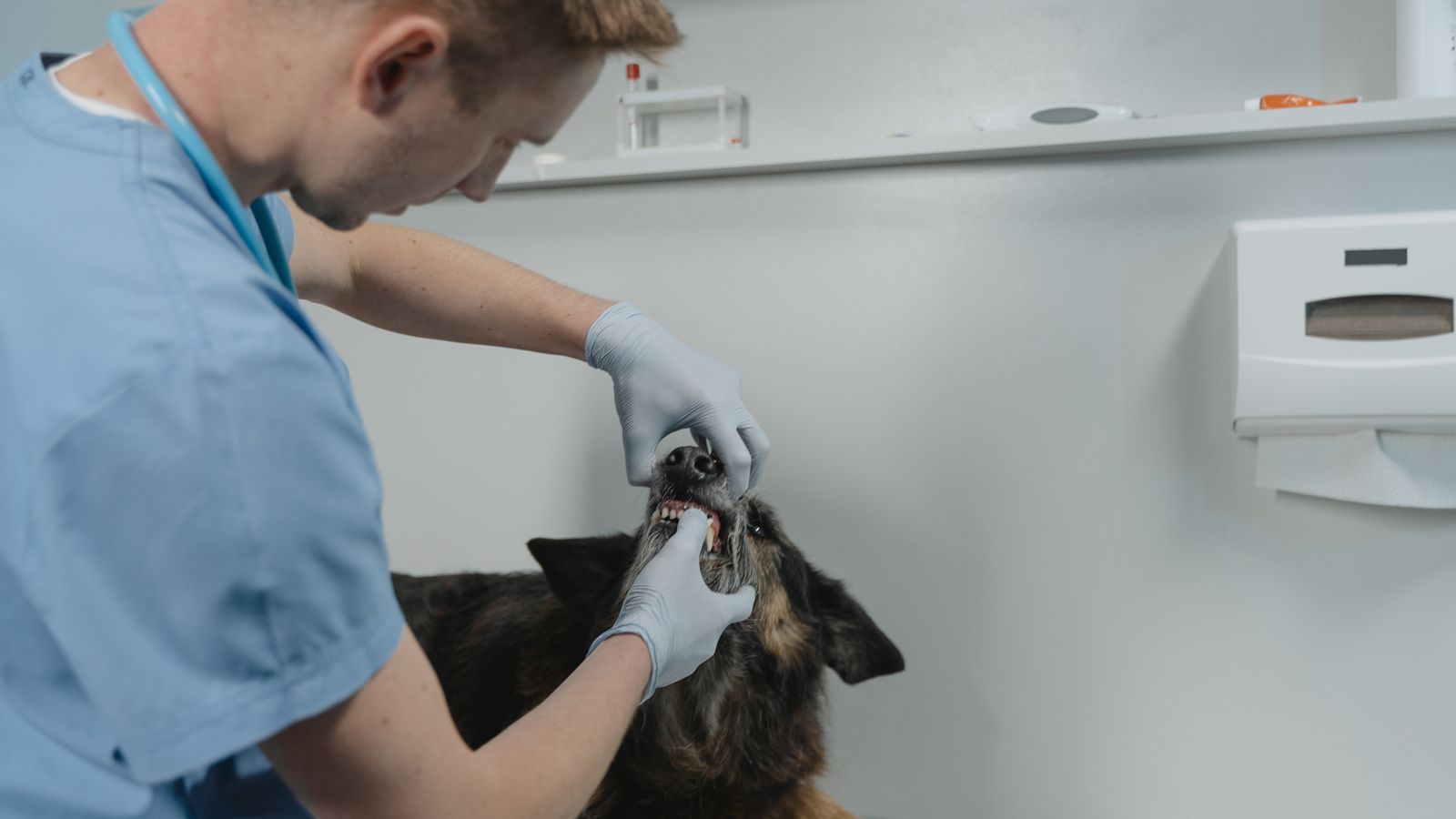
Endovia Pursues FDA Veterinary Approval for Cannabinoid Drug Targeting Dogs
The cannabis company is betting on canine cancer and chronic pain treatments to unlock FDA approval in the companion-animal market.