GOP Majority Leader Calls Marijuana 'Gateway Drug' Amid Trump Rescheduling
House Majority Leader reaffirms opposition to cannabis reform as DEA moves toward Schedule III reclassification.

Historic view of the United States Capitol under a blue sky, showcasing iconic architecture.
Congressional Leadership Rejects Rescheduling Science
The House Majority Leader's statement contradicts decades of research and creates a direct conflict with the Trump administration's ongoing rescheduling effort. The Republican leader didn't cite specific studies supporting the gateway-drug claim, a theory that federal health agencies including the National Institute on Drug Abuse have repeatedly qualified or rejected in peer-reviewed literature. The statement comes as the DEA finalizes a Notice of Proposed Rulemaking (NPRM) to reclassify cannabis to Schedule III. President Trump initiated that process in early 2026.
The gateway-drug framing has historically been used to oppose state-level legalization and federal decriminalization. No major medical association currently endorses the gateway hypothesis as settled science. Timing suggests a coordinated messaging effort within the House Republican caucus to preempt the DEA's administrative action.
DEA Rescheduling Timeline Unaffected by Congressional Statements
The DEA rescheduling process operates independently of congressional opinion and remains on track for a final rule by late 2026 or early 2027. The agency published its NPRM in July 2026 following a Department of Health and Human Services (HHS) recommendation to reschedule cannabis based on a five-factor analysis required by the Controlled Substances Act. Public comment closed in August. The DEA is now reviewing more than 43,000 submissions.
Schedule III classification wouldn't legalize cannabis federally, but it would remove certain research barriers and eliminate the Section 280E tax penalty that currently prohibits state-licensed cannabis businesses from deducting ordinary business expenses. Multi-state operators have estimated 280E repeal could increase effective tax rates from 70% to standard corporate rates near 21%, unlocking billions in working capital. For full background on this story, see the CannIntel topic hub on federal rescheduling.
Intra-Party Divide on Cannabis Policy Widens
The Majority Leader's comments expose a deepening split between Trump-aligned Republicans who support rescheduling and traditional GOP lawmakers who oppose any liberalization. President Trump has publicly endorsed the HHS recommendation. He's directed the DEA to expedite the process, framing rescheduling as a states'-rights and economic-growth issue. At least a dozen House Republicans from states with adult-use programs have declined to echo the gateway-drug language, and two have co-sponsored the STATES Act, which would federally recognize state cannabis laws.
The Majority Leader's position is increasingly isolated within a party whose base voters support legalization at rates exceeding 50% in recent polling.
That fracture complicates any future legislative effort to block or reverse administrative rescheduling. Congress retains authority to amend the Controlled Substances Act, but a standalone bill to override the DEA would require 60 Senate votes and face a likely Trump veto.
State Programs and Industry Await Final Federal Action
Operators in 38 medical and 24 adult-use states are monitoring the congressional response for signals on banking and interstate commerce reform, neither of which rescheduling directly addresses. The SAFER Banking Act, which would protect financial institutions serving state-licensed cannabis businesses, remains stalled in the House despite bipartisan Senate passage in 2025. Leadership opposition to any cannabis measure—administrative or legislative—reduces the likelihood of a floor vote on banking before the 2026 midterm elections.
Industry groups including the National Cannabis Industry Association have urged the DEA to finalize the rule before the end of the current administration's term. If the rule is published in the Federal Register before January 2027, a future administration would face procedural hurdles to reverse it under the Administrative Procedure Act.
For complete background, history, and our ongoing coverage of this story:
Open the CannIntel topic hub →Sources
The cannabis newsletter you forward to your team.
Federal policy, market data, grower alerts, and the one story that matters today. Sent every weekday at 7am. Free.
No spam. Unsubscribe with one click. 21+ only.
Related from Laws

Nebraska Supreme Court Upholds Cannabis Legalization Ballot Measures
State's highest court clears the way for November vote on medical and recreational cannabis after rejecting challenge.

Cayman Islands Cannabis Advocates Push Legalization in Parliament
Reform campaigners presented decriminalization arguments to Cayman lawmakers as the British territory weighs cannabis policy changes.

California ABC Finds 99% Compliance in 23,667 Hemp, Kratom Inspections
State regulators removed 7,403 products across 158 violations during site visits to alcohol-licensed retailers.
More from the newsroom
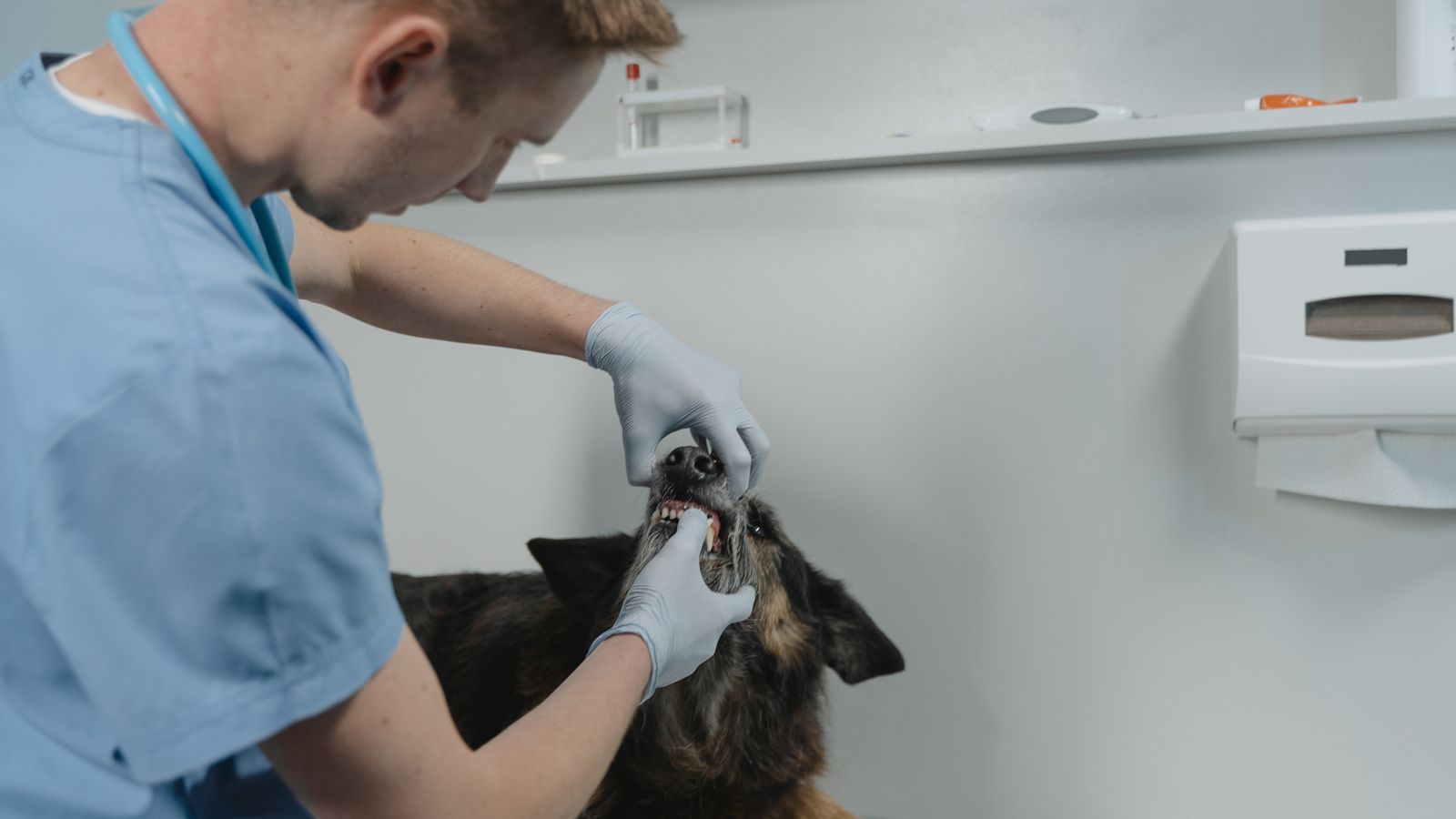
Endovia Pursues FDA Veterinary Approval for Cannabinoid Drug Targeting Dogs
The cannabis company is betting on canine cancer and chronic pain treatments to unlock FDA approval in the companion-animal market.

Canopy Growth Launches Two New Cannabis Formats in Australia
The Canadian MSO debuts flower and oil products through its Spectrum Therapeutics brand in the Australian medical market.

Grown Rogue Launches Cannabis Cultivation Operations in Minnesota
Oregon-based MSO enters Minnesota's adult-use market with new cultivation facility as state transitions from medical-only program.