Intoxicating Hemp Regulation: State-by-State Rules and Compliance Guide
Intoxicating hemp products containing delta-8 THC, delta-10 THC, and other psychoactive cannabinoids derived from hemp exist in a complex regulatory gray area. While federally legal under the 2018 Farm Bill's definition of hemp as cannabis with less than 0.3% delta-9 THC by dry weight, states are rapidly implementing their own restrictions. This hub tracks evolving state regulations, potency limits, age restrictions, testing requirements, and the ongoing debate over whether intoxicating hemp should be regulated like marijuana or remain in the unregulated hemp market.
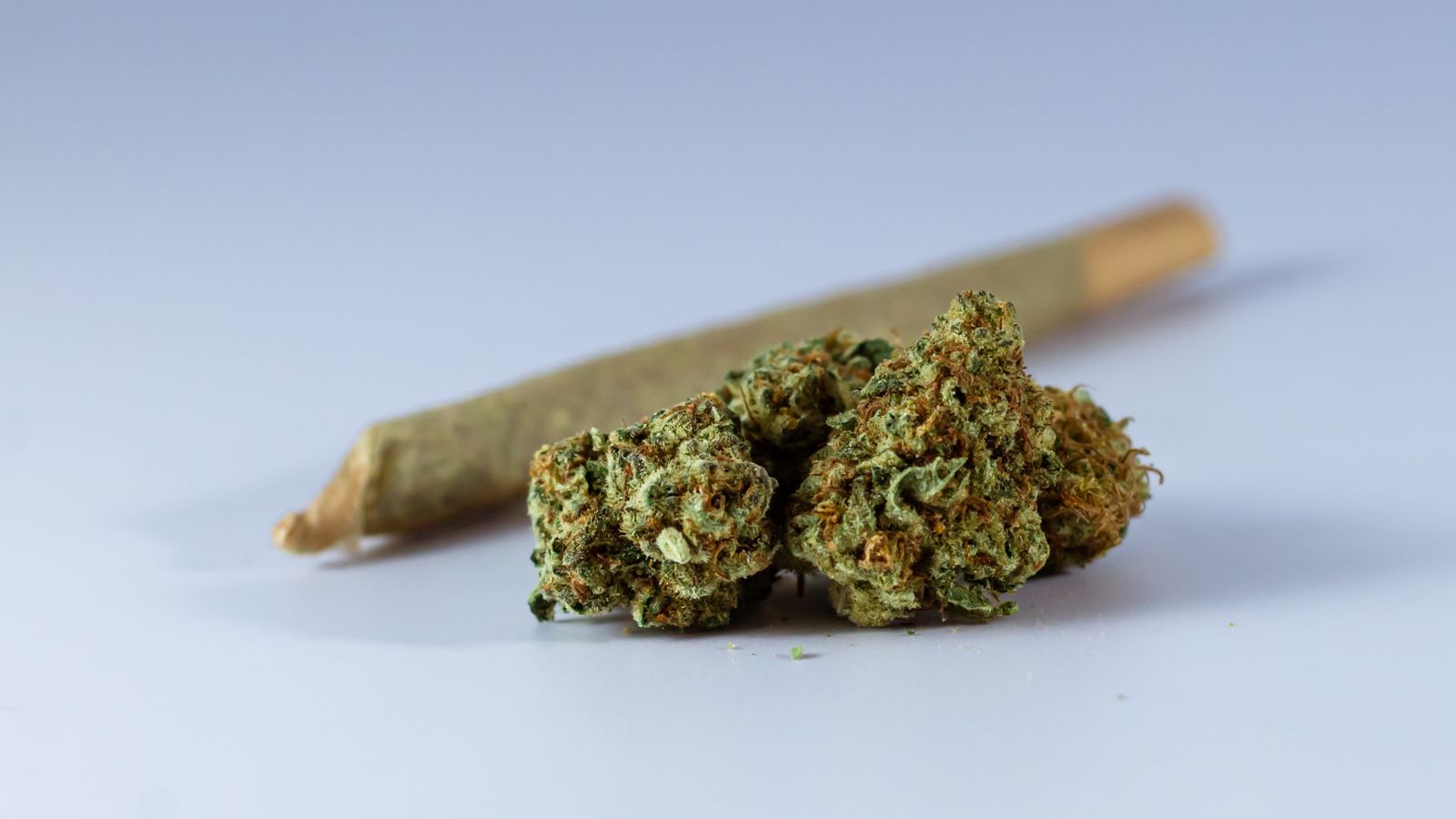
Executive Summary
Missouri will fold intoxicating hemp products into its state-licensed marijuana market starting November 12, 2026, closing a regulatory loophole that allowed delta-8 THC, THCA flower, and other hemp-derived intoxicants to be sold in gas stations and smoke shops without state oversight. Under the new rule, any hemp product containing more than 0.4 milligrams of total THC per container will be reclassified as marijuana, requiring sale exclusively through Missouri's licensed dispensaries and cultivation in state-approved facilities. The move positions Missouri as the latest state to confront a nationwide regulatory challenge: the explosion of psychoactive hemp products following the 2018 Farm Bill's legalization of hemp. This shift affects hundreds of Missouri retailers currently selling intoxicating hemp outside the regulated cannabis system, redirects millions of dollars in consumer spending into the taxed marijuana market, and sets a precedent other states are watching closely as they grapple with similar gray-market hemp issues.Why This Matters
Missouri's regulatory consolidation affects approximately 2,000 licensed marijuana dispensaries, an estimated 5,000-7,000 unlicensed hemp retailers, and hundreds of thousands of consumers who have relied on accessible intoxicating hemp products since 2018. The financial stakes are substantial. Missouri's regulated marijuana market generated $1.2 billion in sales during 2025, according to the state Department of Health and Senior Services, while industry analysts estimate the unregulated intoxicating hemp sector captured an additional $200-300 million in annual revenue. By requiring intoxicating hemp to flow through licensed channels, Missouri stands to increase tax collections by an estimated $15-25 million annually through the state's 6% marijuana sales tax. For patients and consumers, the change creates both winners and losers. Medical marijuana cardholders and adult-use customers gain assurance that intoxicating products undergo state testing for potency, pesticides, and contaminants—protections absent in the unregulated hemp market. However, consumers who relied on lower-priced hemp alternatives at convenience stores and online retailers will face higher prices and reduced access, as Missouri's 192 licensed dispensaries cannot match the geographic distribution of thousands of hemp outlets. Licensed marijuana operators, who have invested millions in compliance infrastructure, view the regulation as overdue market correction. Unlicensed hemp retailers face a stark choice: exit the intoxicating hemp business entirely, partner with licensed operators, or pursue costly state licensure. Hemp farmers cultivating high-THCA strains for the intoxicating market must either obtain cultivation licenses or pivot to compliant low-THC industrial hemp. The regulatory model Missouri adopts will influence policy debates in at least 15 other states currently wrestling with intoxicating hemp oversight, making this a bellwether moment for the national cannabis industry.Background and History: From Farm Bill to Regulatory Crossroads
The intoxicating hemp phenomenon traces directly to the Agriculture Improvement Act of 2018, which removed hemp from the Controlled Substances Act and defined it as cannabis containing no more than 0.3% delta-9 THC on a dry-weight basis.The 2018 Farm Bill Opens the Door (December 2018)
When President Donald Trump signed the 2018 Farm Bill into law on December 20, 2018, Congress intended to revive American hemp agriculture for fiber, grain, and CBD extraction. The legislation amended the Agricultural Marketing Act of 1946 and removed hemp from Schedule I of the Controlled Substances Act under 21 U.S.C. § 812, creating a federal definition: cannabis and cannabis derivatives containing no more than 0.3% delta-9 tetrahydrocannabinol on a dry-weight basis. The law tasked the U.S. Department of Agriculture with developing regulations for hemp cultivation and authorized states to submit their own regulatory plans. Critically, the Farm Bill was silent on intoxicating cannabinoids other than delta-9 THC and did not address finished products, only agricultural production.Delta-8 THC Emerges (2019-2020)
Within months, chemists and entrepreneurs identified a lucrative loophole. While delta-9 THC remained restricted, the Farm Bill did not explicitly prohibit delta-8 THC, a psychoactive cannabinoid that occurs naturally in cannabis in trace amounts but can be synthesized from CBD through chemical isomerization. By early 2020, delta-8 products—gummies, vapes, tinctures—began appearing in hemp shops, gas stations, and online retailers across the United States. The Drug Enforcement Administration attempted to address the issue in its August 2020 Interim Final Rule implementing the Farm Bill, stating that "all synthetically derived tetrahydrocannabinols remain schedule I controlled substances" under 21 U.S.C. § 812(c). However, the DEA did not enforce this interpretation against delta-8 products, and the market exploded. Industry estimates suggest delta-8 sales reached $2 billion nationally by 2021.THCA Flower Enters the Market (2021-2022)
The next innovation arrived in 2021: high-THCA hemp flower. THCA (tetrahydrocannabinolic acid) is the non-intoxicating precursor to delta-9 THC found in raw cannabis. When heated through smoking or vaping, THCA converts to psychoactive delta-9 THC through decarboxylation. Cultivators discovered they could grow cannabis strains identical to marijuana but harvest them before THCA fully converts, keeping delta-9 THC below 0.3% while THCA levels reached 15-25%. Because the Farm Bill's definition specified delta-9 THC concentration, not total THC or THCA, this flower remained legally hemp under federal law despite producing identical intoxicating effects to marijuana when consumed. By 2022, THCA flower became widely available online and in smoke shops, often marketed as "legal weed" or "diet weed."State Responses Begin (2021-2023)
States with established marijuana programs recognized the competitive threat. Colorado became one of the first to act, with its Marijuana Enforcement Division issuing guidance in May 2021 that total THC—including THCA—would be used to distinguish hemp from marijuana. Oregon followed in October 2021, adopting a total THC standard. Other states took different approaches. In 2022, Kentucky explicitly banned delta-8 and other intoxicating hemp cannabinoids. North Carolina attempted to regulate intoxicating hemp products through age restrictions and labeling requirements while keeping them outside the marijuana system. Minnesota created a separate regulatory framework for "hemp-derived consumer products" containing THC, with its own licensing, testing, and retail requirements. By early 2023, the National Conference of State Legislatures documented that at least 17 states had banned delta-8 THC, while another dozen had implemented partial restrictions or moved intoxicating hemp into marijuana regulatory frameworks.Missouri's Marijuana Market Launches (2023)
Missouri voters approved Amendment 3 in November 2022, legalizing adult-use marijuana and directing the Department of Health and Senior Services to issue regulations. The state's adult-use market launched on February 3, 2023, building on the existing medical marijuana infrastructure authorized by Amendment 2 in 2018. Missouri's marijuana program requires comprehensive testing for potency, pesticides, heavy metals, microbials, and mycotoxins. Products must be tracked from seed to sale through the state's Metrc system. Cultivators, manufacturers, testing labs, transporters, and dispensaries all require separate licenses with substantial application fees and ongoing compliance costs. Meanwhile, intoxicating hemp products remained available at thousands of unlicensed locations throughout Missouri, creating what licensed operators characterized as an unfair competitive advantage for untested, untaxed products.The Regulatory Reckoning (2024-2026)
Pressure mounted on Missouri regulators throughout 2024 and 2025. The Missouri Cannabis Trade Association, representing licensed operators, lobbied for intoxicating hemp oversight. Consumer protection advocates raised concerns about product safety, particularly after several cases of contaminated delta-8 products were identified in neighboring states. In March 2025, the Missouri Department of Health and Senior Services initiated a rulemaking process to address intoxicating hemp. The department held public hearings in Kansas City, St. Louis, Springfield, and Columbia, receiving testimony from licensed marijuana businesses, hemp retailers, farmers, and consumers. The proposed rule, published for public comment in June 2025, established a 0.4 milligram total THC per container threshold. Products below this limit would remain legal hemp; anything above would be classified as marijuana requiring sale through licensed dispensaries. The rule defined total THC to include delta-9 THC, delta-8 THC, THCA, and other intoxicating cannabinoids, measured after accounting for decarboxylation. After a 60-day comment period and revisions, the Missouri Secretary of State's office approved the final rule on August 15, 2026, with an effective date of November 12, 2026.Key Players
Missouri Department of Health and Senior Services
The department serves as the state's marijuana regulatory authority under Article XIV of the Missouri Constitution, as amended by Amendment 3. Director Robert Knodell oversees the Section for Medical Marijuana Regulation, which administers licensing, compliance, and enforcement for both medical and adult-use programs. The department developed the intoxicating hemp rule through its standard rulemaking authority under Chapter 536 of the Missouri Revised Statutes.Missouri Cannabis Trade Association
This industry group represents approximately 400 licensed marijuana businesses across Missouri's supply chain. Executive Director Amy Moore has been the most vocal advocate for bringing intoxicating hemp under state oversight, arguing that unregulated products undermine the licensed market and compromise consumer safety. The association provided detailed comments during the rulemaking process and supported the 0.4 milligram threshold as a reasonable bright line.U.S. Hemp Roundtable
The national hemp industry advocacy organization opposed Missouri's approach, arguing that states should regulate intoxicating hemp products through labeling, testing, and age restrictions rather than folding them into marijuana programs. General Counsel Jonathan Miller submitted comments warning that Missouri's rule could discourage legitimate hemp businesses and drive consumers to unregulated black markets.Missouri Hemp Producers Association
Representing the state's hemp farmers, this group found itself divided. Farmers growing industrial hemp for fiber and grain supported clear distinctions from marijuana. However, cultivators who had invested in high-THCA genetics faced significant disruption, as the rule would require them to obtain marijuana cultivation licenses—a costly and competitive process—or abandon intoxicating hemp production.Licensed Dispensary Operators
Missouri's 192 licensed dispensaries stand to gain the most from the regulatory change. Major multi-state operators with Missouri presence, including Green Thumb Industries, Verano Holdings, and Curaleaf, supported the rule. Smaller single-state operators also backed the change, viewing it as essential to protecting their compliance investments.Unlicensed Hemp Retailers
An estimated 5,000-7,000 convenience stores, smoke shops, CBD stores, and online retailers currently sell intoxicating hemp products in Missouri. These businesses face the most significant impact, as few have the capital or regulatory capacity to obtain marijuana licenses. Industry observers expect most to exit the intoxicating hemp market entirely by the November deadline.Legal and Regulatory Framework
Missouri's intoxicating hemp rule operates at the intersection of federal hemp law, state constitutional marijuana provisions, and administrative rulemaking authority. The federal foundation remains the Agriculture Improvement Act of 2018, codified at 7 U.S.C. § 1639o et seq., which removed hemp from the Controlled Substances Act's definition of marijuana. The law defines hemp as "the plant Cannabis sativa L. and any part of that plant, including the seeds thereof and all derivatives, extracts, cannabinoids, isomers, acids, salts, and salts of isomers, whether growing or not, with a delta-9 tetrahydrocannabinol concentration of not more than 0.3 percent on a dry weight basis." Missouri's constitutional framework derives from Article XIV, Section 1 of the Missouri Constitution, as established by Amendment 2 (medical marijuana, approved 2018) and expanded by Amendment 3 (adult-use marijuana, approved 2022). These amendments grant the Department of Health and Senior Services broad authority to regulate marijuana cultivation, manufacturing, testing, transportation, and retail sales. The new intoxicating hemp rule, codified at 19 CSR 30-95.010, establishes several key provisions: The 0.4 milligram total THC threshold applies per container, not per serving. A package of gummies containing 10 pieces with 0.5 milligrams of THC each would total 5 milligrams, exceeding the threshold and requiring classification as marijuana. This container-based approach differs from some states that use per-serving limits. Total THC includes delta-9 THC, delta-8 THC, delta-10 THC, THCA, THCP, and any other cannabinoid "known to cause intoxication" as determined by the department. The rule specifies that THCA must be converted to delta-9 THC equivalent using a 0.877 conversion factor to account for decarboxylation, following the standard formula: Total THC = delta-9 THC + (THCA × 0.877). Products meeting the hemp definition may be sold without restriction, subject to federal law and general consumer protection statutes. Products exceeding the threshold must comply with all marijuana regulations, including: - Sale only through licensed dispensaries to individuals 21 and older (or medical marijuana cardholders 18 and older with physician certification) - Cultivation only in licensed facilities with Metrc tracking - Mandatory testing by licensed laboratories for potency, pesticides, heavy metals, residual solvents, microbials, and mycotoxins - Child-resistant packaging and standardized labeling - 6% state sales tax plus applicable local taxes The rule includes a 90-day transition period from August 15 to November 12, 2026, during which retailers may sell existing inventory. After November 12, possession of intoxicating hemp products for retail sale outside licensed dispensaries becomes a violation subject to civil penalties up to $10,000 per violation and potential criminal charges for unlicensed marijuana sales. Missouri's approach aligns with the regulatory model adopted by Minnesota, Michigan, and Maryland, which have similarly integrated intoxicating hemp into existing marijuana frameworks. It differs from North Carolina's standalone hemp THC product regulation and Kentucky's outright ban approach.State-by-State Breakdown of Intoxicating Hemp Regulation
At least 35 states have taken action on intoxicating hemp products, with approaches ranging from outright bans to integration into marijuana programs to standalone hemp THC frameworks.States Banning Intoxicating Hemp Cannabinoids
Alaska banned delta-8 THC and similar intoxicating hemp cannabinoids in September 2021 through emergency regulations by the Alaska Marijuana Control Board, treating all psychoactive cannabinoids as marijuana regardless of source. Arkansas prohibited delta-8 and delta-10 THC through an opinion by Attorney General Leslie Rutledge in May 2021, determining these cannabinoids violated the state's definition of marijuana under the Arkansas Medical Marijuana Amendment. Colorado effectively banned intoxicating hemp by adopting a total THC standard in May 2021, requiring all cannabis products with more than 0.3% total THC (including THCA) to be sold through licensed marijuana dispensaries. Delaware banned delta-8, delta-10, and THCO through legislation signed in June 2022, classifying these cannabinoids as controlled substances. Kentucky prohibited delta-8 and other intoxicating hemp derivatives through HB 604, effective January 2023, despite having no legal marijuana market. Montana banned delta-8 THC in August 2021 through Department of Public Health and Human Services regulations. New York prohibited unlicensed delta-8 sales in October 2021, requiring all intoxicating cannabinoid products to be sold through the state's licensed marijuana program. Oregon adopted a total THC standard in October 2021, effectively moving high-THCA hemp into the marijuana regulatory system. Rhode Island banned delta-8 and similar cannabinoids through legislation effective June 2021. Vermont prohibited delta-8 THC through emergency rules in July 2021, later made permanent. Washington banned delta-8 and other intoxicating hemp cannabinoids through emergency rules in April 2022, requiring all psychoactive products to flow through the state's marijuana system.States Integrating Intoxicating Hemp into Marijuana Programs
California requires all intoxicating hemp products to comply with marijuana regulations under Assembly Bill 45, effective January 2024, with products sold only through licensed cannabis retailers. Maryland folded intoxicating hemp into its adult-use marijuana program through regulations effective July 2023, using a 0.3% total THC threshold. Michigan requires intoxicating hemp products to be sold through licensed marijuana retailers under guidance issued in November 2022, though enforcement has been inconsistent. Minnesota created a hybrid approach through HB 4065, effective July 2023, establishing separate licensing for "hemp-derived consumer products" containing up to 5 milligrams of THC per serving and 50 milligrams per package, with its own testing and retail requirements distinct from the marijuana program. Missouri will integrate intoxicating hemp into its marijuana program effective November 12, 2026, using a 0.4 milligram total THC per container threshold. Nevada requires all intoxicating cannabinoid products to be sold through licensed marijuana dispensaries under regulations effective March 2023. Ohio is moving toward integration following adult-use legalization in December 2023, with regulations expected to fold intoxicating hemp into the licensed market by late 2024.States with Standalone Hemp THC Regulation
North Carolina established age restrictions (21+) and labeling requirements for hemp-derived THC products through SB 711, effective December 2022, while keeping these products outside the medical marijuana system. Texas has not banned delta-8 or intoxicating hemp, leading to a thriving market, though legal ambiguity persists following conflicting guidance from the Department of State Health Services. Virginia created regulations for hemp-derived THC products through HB 933, effective July 2023, requiring registration, testing, and labeling but allowing sales outside licensed marijuana dispensaries.States with Minimal or No Regulation
Alabama, Florida, Georgia, Indiana, Kansas, Mississippi, Nebraska, South Carolina, Tennessee, Wisconsin, and Wyoming have taken limited or no action on intoxicating hemp, allowing delta-8, THCA flower, and similar products to be sold with minimal oversight.Market and Business Implications
Missouri's regulatory shift will redirect an estimated $200-300 million in annual intoxicating hemp sales into the licensed marijuana market, while forcing thousands of unlicensed retailers to exit the category. For licensed marijuana operators, the change represents a significant revenue opportunity. Industry analysts project Missouri dispensaries could capture 60-70% of current intoxicating hemp sales, translating to $120-210 million in additional annual revenue distributed across 192 licensed locations. This assumes some consumers will shift to black-market sources rather than pay higher dispensary prices, and some will simply stop consuming intoxicating products. Wholesale dynamics will shift substantially. Licensed cultivators in Missouri currently produce approximately 400,000 pounds of marijuana flower annually, according to Metrc data, with wholesale prices ranging from $800-1,200 per pound depending on quality. The absorption of intoxicating hemp demand may support wholesale prices that have declined 30-40% since adult-use launch in February 2023, as cultivators have expanded production faster than demand growth. Multi-state operators with Missouri presence stand to benefit disproportionately. Companies like Green Thumb Industries, which operates 11 dispensaries in Missouri, and Verano Holdings, with 9 locations, have the capital and infrastructure to quickly scale product offerings to capture displaced hemp consumers. Smaller single-state operators may struggle to compete on price and selection. For hemp businesses, the outlook is challenging. Unlicensed retailers selling intoxicating hemp products face three options: cease sales, partner with licensed operators as delivery or pickup locations (if regulations permit), or pursue marijuana retail licenses. The latter option is largely impractical, as Missouri's marijuana licensing process is competitive, expensive, and currently closed to new retail applications in many jurisdictions. Hemp manufacturers producing delta-8 gummies, THCA vapes, and similar products must either obtain marijuana manufacturing licenses or reformulate products to stay below the 0.4 milligram threshold—a limit so low it effectively eliminates intoxicating effects. Industry sources indicate most hemp manufacturers will exit the Missouri market rather than pursue licensing. Hemp farmers face the starkest transition. Cultivators growing high-THCA strains like Wedding Cake, OG Kush, and Northern Lights for the intoxicating market must obtain marijuana cultivation licenses to continue production. Missouri's cultivation licensing is highly competitive, with application fees of $10,000 and annual license fees of $25,000-100,000 depending on canopy size. Most hemp farmers lack the capital and regulatory expertise to successfully transition. The tax implications are substantial. Missouri's 6% marijuana sales tax generated approximately $72 million in revenue during 2025. Capturing an additional $120-210 million in intoxicating hemp sales would add $7.2-12.6 million in annual tax revenue, funds constitutionally dedicated to veterans' services, drug treatment programs, and public defender offices under Amendment 3. Consumer pricing will increase significantly. Intoxicating hemp products currently retail for 30-60% less than equivalent marijuana products due to lower production costs, no testing requirements, and no excise taxes. A delta-8 gummy package retailing for $15 at a gas station may cost $25-35 at a licensed dispensary after testing, packaging, compliance, and tax costs are factored in. Industry observers expect consolidation among licensed operators as the market absorbs intoxicating hemp demand. Smaller dispensaries may struggle with inventory management and capital requirements, creating acquisition opportunities for well-funded MSOs seeking to expand market share.What Experts Say
Industry stakeholders, policy analysts, and legal experts view Missouri's approach as a pragmatic middle ground between outright prohibition and unregulated markets, though opinions diverge on implementation details. Amy Moore, executive director of the Missouri Cannabis Trade Association, characterized the rule as essential for consumer protection and market integrity. According to Moore, the proliferation of untested intoxicating hemp products created safety risks and undermined the investments licensed operators made in compliance infrastructure. She noted that the 0.4 milligram threshold provides a clear bright line that allows low-dose CBD products to remain accessible while ensuring intoxicating products undergo state oversight. Jonathan Miller, general counsel for the U.S. Hemp Roundtable, expressed concern that Missouri's approach conflates hemp and marijuana in ways that may discourage legitimate hemp businesses. According to Miller, states should regulate intoxicating hemp through standalone frameworks with appropriate testing and labeling requirements rather than forcing these products into marijuana programs designed for different supply chains and business models. He warned that overly restrictive state regulations could fragment the national hemp market and create compliance challenges for interstate commerce. Shawn Hauser, a partner at Vicente LLP specializing in cannabis and hemp law, described Missouri's rule as legally defensible under current federal law. According to Hauser, the 2018 Farm Bill granted states authority to regulate hemp within their borders, and Missouri's approach of using total THC rather than delta-9 THC alone represents a reasonable exercise of that authority. She noted that the container-based threshold, rather than a per-serving limit, may face legal challenges from hemp businesses arguing it's overly restrictive. Dr. Ryan Vandrey, a professor of psychiatry and behavioral sciences at Johns Hopkins University who studies cannabis pharmacology, emphasized the importance of testing and quality control for intoxicating products regardless of their hemp or marijuana classification. According to Vandrey, research has documented significant variability in delta-8 product potency and purity, with some products containing harmful contaminants from chemical synthesis processes. He noted that requiring intoxicating hemp to undergo the same testing as marijuana products serves legitimate public health objectives. Andrew Kline, a hemp industry consultant and former policy advisor, suggested Missouri's 0.4 milligram threshold may be too restrictive, potentially capturing products with minimal intoxicating effects. According to Kline, a 5-10 milligram per container threshold would better distinguish truly intoxicating products from low-dose hemp items while still providing regulatory oversight. He noted that Minnesota's approach of allowing up to 50 milligrams per package in regulated hemp products offers a useful alternative model. Paul Armentano, deputy director of NORML, viewed Missouri's integration approach as preferable to outright bans on intoxicating hemp. According to Armentano, prohibition-based approaches in states like Kentucky and Arkansas simply drive consumers to unregulated black markets without addressing safety concerns. He argued that bringing intoxicating hemp into licensed systems ensures product testing, age verification, and consumer protections while preserving legal access.What's Next
The November 12, 2026 implementation date triggers a cascade of market adjustments, compliance decisions, and potential legal challenges that will reshape Missouri's cannabis landscape through 2027. In the immediate term, unlicensed retailers face inventory decisions. Businesses with significant intoxicating hemp stock must decide whether to liquidate inventory before the deadline, return products to suppliers, or risk civil penalties for continued sales. Industry sources expect heavy discounting during October and early November as retailers clear shelves. Licensed dispensaries are preparing for demand surge. Operators report increasing orders for delta-8 and delta-9 gummies, THCA flower, and other products that will capture displaced hemp consumers. Dispensaries in areas with high concentrations of current hemp retailers—particularly near college campuses and in rural communities with limited dispensary access—anticipate the strongest demand increases. Hemp manufacturers face reformulation timelines. Companies producing intoxicating hemp products for the Missouri market must decide by late September whether to pursue marijuana manufacturing licenses, reformulate products to comply with the 0.4 milligram limit, or exit the state entirely. Sources indicate most will choose the latter option. Legal challenges remain possible. Hemp industry groups may file suit challenging the rule's validity under state administrative procedure law or arguing it conflicts with federal hemp law. However, legal experts consider such challenges unlikely to succeed given states' broad authority to regulate hemp under the 2018 Farm Bill and Missouri's constitutional marijuana provisions. The Missouri Department of Health and Senior Services will monitor compliance through existing enforcement mechanisms. The department's marijuana compliance investigators will conduct inspections of retailers suspected of continuing intoxicating hemp sales after November 12, with violations subject to civil penalties and potential criminal referral for unlicensed marijuana sales. Market data will provide early indicators of the rule's impact. Metrc tracking data will show whether licensed marijuana sales increase by the projected $120-210 million, while tax revenue figures will confirm whether the state captures anticipated additional collections. Significant shortfalls would suggest consumers shifted to black markets rather than licensed dispensaries. Other states are watching Missouri's implementation closely. Policy makers in Ohio, Florida, Texas, and Pennsylvania have indicated they are studying Missouri's approach as they develop their own intoxicating hemp regulations. Success in Missouri—defined as effective market integration without significant black-market growth—could accelerate similar regulatory moves nationwide. Federal developments may supersede state actions. The Drug Enforcement Administration's ongoing review of marijuana scheduling under the Controlled Substances Act could affect how intoxicating hemp is regulated nationally. Additionally, Congress may address intoxicating hemp directly through amendments to the Farm Bill, which is scheduled for reauthorization in 2024, though legislative action appears unlikely given political divisions. Industry consolidation will accelerate through 2027. Analysts project 15-25% of Missouri's smaller dispensaries may be acquired by larger operators as the market absorbs intoxicating hemp demand and competition intensifies. Well-capitalized MSOs are reportedly evaluating acquisition targets in strategic markets. Consumer education will be critical. Dispensaries and regulators must communicate clearly about product availability, pricing differences, and safety benefits of tested products to minimize consumer confusion and black-market migration during the transition.Further Reading
- Agriculture Improvement Act of 2018 (2018 Farm Bill), Public Law 115-334 — https://www.congress.gov/bill/115th-congress/house-bill/2
- Missouri Constitution, Article XIV (Medical Marijuana and Adult Use) — https://www.sos.mo.gov/CMSImages/AdRules/moreg/2023/v48/moreg2023-v48.pdf
- Missouri Code of State Regulations, Title 19, Division 30, Chapter 95 (Intoxicating Hemp Rule) — https://www.sos.mo.gov/adrules/csr/current/19csr/19csr.asp
- Missouri Department of Health and Senior Services, Medical Marijuana Regulation Section — https://health.mo.gov/safety/medical-marijuana/
- DEA Interim Final Rule, Implementation of the Agriculture Improvement Act of 2018 (August 2020) — https://www.federalregister.gov/documents/2020/08/21/2020-18455/implementation-of-the-agriculture-improvement-act-of-2018
- National Conference of State Legislatures, State Hemp and CBD Regulation — https://www.ncsl.org/agriculture-and-rural-development/state-hemp-and-cbd-regulation
- U.S. Hemp Roundtable, State Hemp Regulatory Tracker — https://www.hempsupporter.com/state-hemp-laws
- Controlled Substances Act, 21 U.S.C. § 812 (Drug Schedules) — https://www.deadiversion.usdoj.gov/21cfr/21usc/812.htm
- USDA Hemp Production Program, 7 CFR Part 990 — https://www.ams.usda.gov/rules-regulations/hemp
- Johns Hopkins Cannabis Science Laboratory, Delta-8 THC Research — https://www.hopkinsmedicine.org/psychiatry/research/psychopharmacology-research-unit/index.html
Update — September 23, 2026: Oshkosh, Wisconsin raises minimum age for intoxicating hemp to 21
The Oshkosh Common Council passed an ordinance raising the minimum purchase age for intoxicating hemp products from 18 to 21, according to NBC26. The measure took effect immediately upon approval and applies to all delta-8 THC, delta-9 THC, and other hemp-derived cannabinoid products sold within city limits. Retailers face fines and potential license suspension for violations.
The ordinance defines intoxicating hemp as any hemp product containing more than 0.3% delta-9 THC by dry weight or any detectable amount of delta-8 THC, aligning with Wisconsin's 2023 state law that legalized hemp-derived cannabinoids but left age restrictions to local jurisdictions. Oshkosh joins Milwaukee, Madison, and Green Bay in establishing 21-plus age limits, while dozens of smaller Wisconsin municipalities maintain the state's default 18-year threshold.
City officials said the change addresses concerns from school administrators and parents about youth access to intoxicating hemp products in convenience stores and gas stations. The Oshkosh Police Department reported a 40% increase in calls involving minors and hemp-derived THC products between January and August 2026 compared to the same period in 2025, according to city records cited in the ordinance.
Local retailers have 30 days to update signage and train staff on the new age verification requirements. The Wisconsin Hemp Alliance opposed the measure, arguing it creates a patchwork of conflicting local rules that complicate compliance for multi-location operators. First-time violations carry a $500 fine, with penalties escalating to $2,500 and mandatory license review for repeat offenses within 12 months.
The Oshkosh ordinance does not restrict online sales or delivery from out-of-city vendors, a gap that municipal attorneys acknowledged but said falls outside local regulatory authority. Wisconsin's Republican-controlled legislature has declined to pass statewide age uniformity bills, leaving municipalities to set their own intoxicating hemp policies.
Frequently asked questions
What is intoxicating hemp and how is it different from marijuana?
Intoxicating hemp products contain psychoactive cannabinoids derived from federally legal hemp plants. While marijuana is cannabis with more than 0.3% delta-9 THC by dry weight, intoxicating hemp uses chemical processes to convert CBD from hemp into delta-8 THC, delta-10 THC, and other compounds. The end products can be equally intoxicating but are manufactured from legal hemp, creating regulatory confusion. The distinction is botanical source and delta-9 THC content, not psychoactive effect.
Which states have banned intoxicating hemp products?
As of 2026, states with comprehensive bans or severe restrictions on intoxicating hemp include Alaska, Arizona, Arkansas, Colorado, Delaware, Idaho, Iowa, Kentucky, Mississippi, Montana, New York, North Dakota, Oregon, Rhode Island, Utah, Vermont, and Washington. These states either explicitly prohibit synthetically derived cannabinoids, ban all forms of THC except delta-9 in regulated markets, or set delta-8 THC limits at zero. Enforcement varies widely.
What potency limits do states set for intoxicating hemp?
States use different metrics for potency limits. Missouri's November 2026 regulation sets a 0.4 milligram total THC per container threshold, above which products become regulated marijuana. Minnesota limits delta-8 and delta-9 THC to 5 milligrams per serving and 50 milligrams per package for edibles. California requires intoxicating hemp to meet the same 10 milligram THC per serving limit as regulated cannabis. Some states measure by percentage, others by total milligrams, creating compliance challenges for multi-state operators.
How does Missouri's November 2026 intoxicating hemp regulation work?
Effective November 12, 2026, Missouri classifies any hemp product containing more than 0.4 milligrams of total THC per container as marijuana, requiring sale only through state-licensed dispensaries and cultivation in licensed facilities. Products at or below 0.4 milligrams remain legal as hemp. This regulation effectively moves most intoxicating hemp products into the regulated cannabis market, subjecting them to testing, taxation, and quality control requirements while allowing very low-dose hemp products to remain unregulated.
Are intoxicating hemp products tested for safety and contaminants?
Testing requirements vary dramatically by state. Unregulated intoxicating hemp in states without specific rules often undergoes no mandatory testing for potency, pesticides, heavy metals, or residual solvents. States moving intoxicating hemp into regulated markets—like Missouri, Minnesota, and California—require the same laboratory testing as marijuana products. Independent testing has found unlabeled contaminants, inaccurate potency labeling, and presence of delta-9 THC exceeding federal limits in unregulated products sold in gas stations and convenience stores.
What is the FDA's position on intoxicating hemp products?
The Food and Drug Administration has issued warning letters to companies marketing intoxicating hemp products but has not established comprehensive regulations. The FDA maintains that adding delta-8 THC to food products violates the Federal Food, Drug, and Cosmetic Act and that synthetically derived cannabinoids may not meet the Farm Bill's hemp definition. However, the agency has limited enforcement resources and has not pursued systematic market removal, leaving regulation primarily to states.
Can intoxicating hemp products cause you to fail a drug test?
Yes. Intoxicating hemp products containing delta-8 THC, delta-10 THC, and other THC isomers metabolize into compounds similar or identical to those produced by delta-9 THC from marijuana. Standard workplace drug tests screen for THC metabolites without distinguishing between delta-8, delta-9, or delta-10 sources. Users of legal intoxicating hemp products have failed employment drug screenings. Some testing laboratories now offer specific delta-8 versus delta-9 confirmation tests, but these are not standard in workplace programs.
What age restrictions apply to purchasing intoxicating hemp?
Age restrictions are inconsistent. States regulating intoxicating hemp as marijuana require purchasers to be 21 or older. States without specific intoxicating hemp laws often have no age restriction beyond general tobacco laws, allowing sales to adults 18 and older or even minors in some jurisdictions. Industry groups have called for federal minimum age standards. Several states including Minnesota and Connecticut have established 21-plus age requirements specifically for intoxicating hemp while keeping non-intoxicating CBD products available to all ages.
How are delta-8 THC and other intoxicating cannabinoids manufactured from hemp?
Delta-8 THC and similar compounds are typically synthesized from CBD extracted from legal hemp through chemical conversion processes. CBD is dissolved in a solvent with an acid catalyst, causing molecular rearrangement into delta-8 THC, delta-10 THC, or other isomers. This process can produce unwanted byproducts and requires purification. Because these cannabinoids occur only in trace amounts naturally, virtually all commercial delta-8 THC is synthetically derived, raising questions about whether it qualifies as a natural hemp product under the Farm Bill.
What is the difference between total THC and delta-9 THC in hemp regulation?
The 2018 Farm Bill defines hemp as cannabis with no more than 0.3% delta-9 THC on a dry weight basis, not mentioning other THC isomers or total THC. Delta-9 THC is the primary psychoactive compound in marijuana. Total THC includes delta-9 THC plus the theoretical maximum delta-9 THC that could be converted from THCA when heated. Some states now regulate total THC including delta-8, delta-10, and all isomers, while others focus only on delta-9 THC, creating the intoxicating hemp loophole.
Are there federal efforts to regulate intoxicating hemp nationally?
Multiple federal legislative proposals have sought to address intoxicating hemp. The Hemp and Hemp-Derived Consumer Products Market Stabilization Act introduced in 2023 would limit intoxicating cannabinoids in hemp products and require FDA oversight. The SAFE Banking Act and other cannabis reform bills have included provisions addressing synthetically derived cannabinoids. As of 2026, no comprehensive federal regulation has passed, leaving the patchwork of state laws in place and creating ongoing uncertainty for businesses and consumers.
What consumer safety concerns exist with unregulated intoxicating hemp?
Unregulated intoxicating hemp products raise concerns about inconsistent potency, contamination with heavy metals and pesticides, presence of chemical synthesis byproducts, lack of childproof packaging, misleading labeling, and sale to minors. Poison control centers have reported increased calls related to delta-8 THC products, particularly involving children accessing edibles. Without mandatory testing and quality standards, consumers cannot verify product safety or accurate cannabinoid content, leading public health officials and some industry groups to support bringing intoxicating hemp into regulated frameworks.
The cannabis newsletter you forward to your team.
Federal policy, market data, grower alerts, and the one story that matters today. Sent every weekday at 7am. Free.
No spam. Unsubscribe with one click. 21+ only.