Cannabis Contamination and Safety: Testing, Regulations, and Consumer Protection
Cannabis contamination poses serious health risks to consumers, ranging from pesticide exposure to microbial infections and synthetic adulterants. This comprehensive hub examines how contamination occurs throughout cultivation, processing, and distribution, the regulatory frameworks designed to prevent it, and what testing protocols reveal about product safety. Learn about common contaminants including heavy metals, mold, bacteria, and illicit additives, the differences between regulated and unregulated markets, and how consumers can identify safe products through lab testing, certification programs, and proper sourcing from licensed dispensaries.
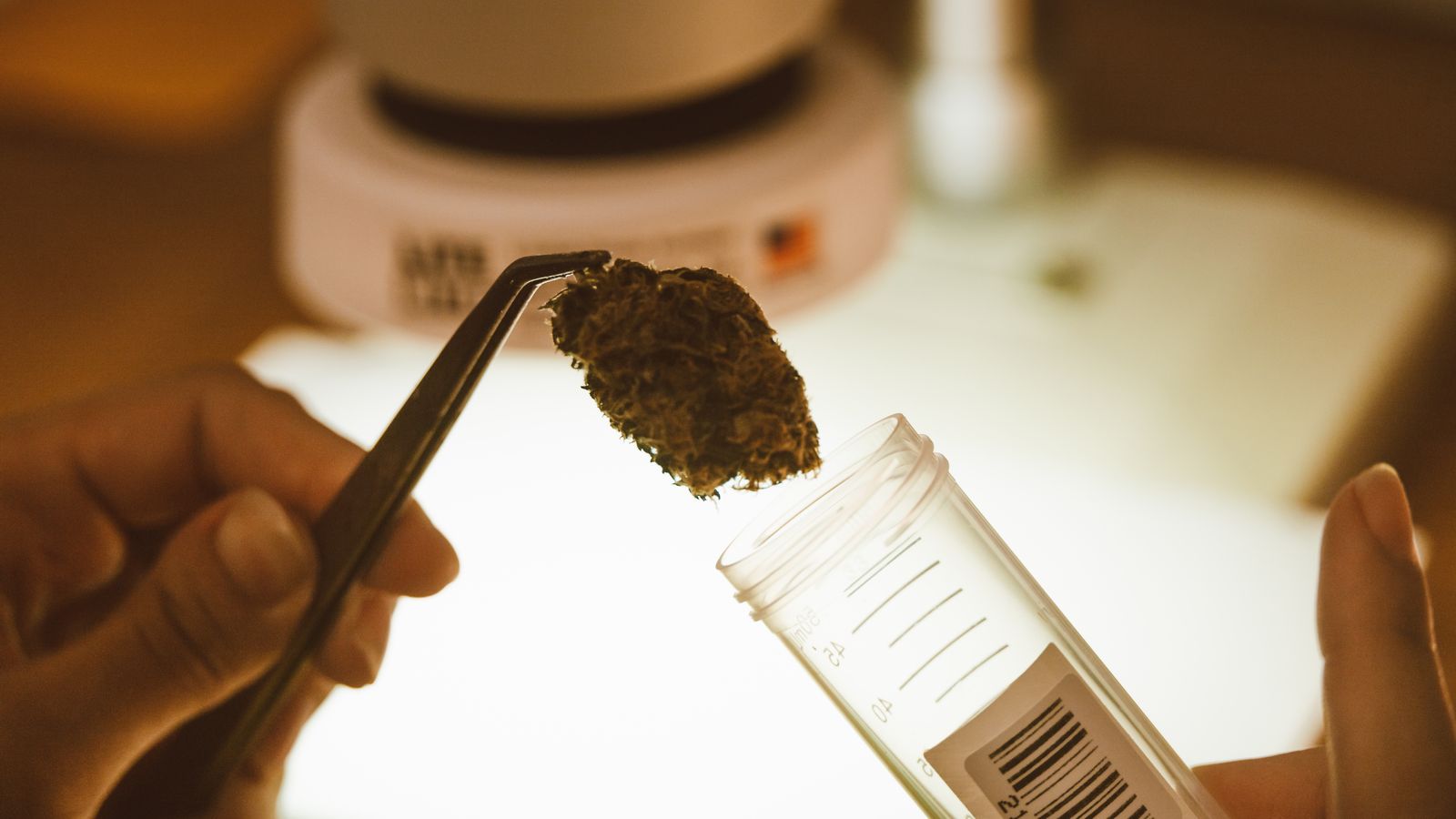
Executive Summary
Cannabis contamination represents one of the most serious public health challenges facing the legal cannabis industry, with recent incidents including suspected overdoses at a Garden River dispensary in June 2026 underscoring the critical need for comprehensive testing and quality control. Contaminated cannabis products can harbor pesticides, heavy metals, mold, bacteria, and in some cases synthetic cannabinoids or other adulterants that pose severe health risks to consumers. As legal markets mature across North America, regulatory frameworks have evolved to mandate extensive testing protocols, yet enforcement gaps, black market competition, and the complexity of cannabis chemistry continue to challenge patient and consumer safety. The stakes are substantial: the legal cannabis industry generated over $33 billion in North American sales in 2025, serving millions of medical patients and adult-use consumers who depend on product safety assurances that remain inconsistent across jurisdictions. This comprehensive guide examines the full spectrum of cannabis contamination risks, the regulatory architecture designed to prevent them, the testing technologies deployed to detect contaminants, and the ongoing challenges that operators, regulators, and consumers face in ensuring product safety. Understanding contamination risks is essential for dispensary operators managing inventory, cultivators implementing quality control, investors evaluating operational risk, and patients making informed treatment decisions.Why Cannabis Contamination Matters
Cannabis contamination directly impacts patient health, operator liability, market integrity, and the legitimacy of legal cannabis as a regulated consumer product competing against unregulated alternatives. For medical cannabis patients, many of whom have compromised immune systems due to cancer treatment, HIV/AIDS, or autoimmune conditions, exposure to mold or bacterial contamination can trigger serious infections. Aspergillus fungi, commonly found in improperly cured cannabis, can cause invasive aspergillosis in immunocompromised patients, a potentially fatal condition. Pesticide residues pose chronic toxicity risks, particularly for patients consuming cannabis daily over extended periods. The economic implications are equally significant. Product recalls due to contamination failures cost operators between $50,000 and $500,000 per incident according to industry data, factoring in destroyed inventory, testing costs, regulatory fines, and reputational damage. In 2024, Colorado regulators ordered recalls affecting over 40,000 units of cannabis products due to pesticide contamination, yeast and mold exceedances, and labeling violations. For state regulatory programs, contamination incidents undermine public confidence in legal markets and provide ammunition to prohibition advocates. The Garden River dispensary closure in June 2026 following suspected overdoses illustrates how contamination events generate negative media coverage that can influence policy debates and consumer behavior across entire regions. Market dynamics create additional pressure. Legal operators investing in compliance face cost disadvantages against black market sellers who bypass testing requirements entirely. Comprehensive testing adds $75 to $150 per pound to production costs, creating economic incentives for corner-cutting that regulators must actively counter through enforcement.Background and History of Cannabis Safety Concerns
Cannabis contamination emerged as a regulatory priority only after legalization created frameworks for testing and oversight, though contamination risks existed throughout prohibition.Pre-Legalization Era (Pre-2012)
During prohibition, cannabis consumers had no legal recourse or regulatory protection against contaminated products. Black market cannabis frequently contained pesticides, as underground cultivators used agricultural chemicals without regard for safety intervals or application restrictions. A 1988 study published in the Journal of Toxicology found that paraquat, a highly toxic herbicide sprayed on cannabis fields by U.S. and Mexican eradication programs, remained present in seized samples and posed serious lung damage risks when smoked. Medical cannabis programs operating in legal gray areas during the 1996-2012 period typically lacked mandatory testing requirements. California's Compassionate Use Act, passed in 1996, established medical cannabis legality but created no testing infrastructure. Dispensaries operated on trust and reputation, with some voluntarily testing products but most relying on visual inspection and supplier relationships.Early Testing Mandates (2012-2016)
Colorado and Washington became the first states to implement mandatory testing for adult-use cannabis following voter approval of legalization in 2012. Colorado's initial rules, effective in 2014, required testing for potency, residual solvents in concentrates, and microbial contamination. Washington established similar requirements through the Washington State Liquor and Cannabis Board. These early programs revealed the scale of contamination issues. In Colorado's first year of testing, approximately 15% of samples failed initial microbial screening, according to state data. Common failures included total yeast and mold counts exceeding action levels, presence of E. coli, and Salmonella detection. The lack of standardized testing methodologies created confusion. Different laboratories using different equipment and protocols produced inconsistent results for identical samples. A 2015 study testing the same cannabis samples across multiple Colorado laboratories found potency results varying by more than 20% between labs, raising questions about testing reliability.Pesticide Crisis (2016-2018)
The pesticide contamination crisis that emerged in 2016 marked a turning point in cannabis safety regulation. Oregon regulators in January 2016 began requiring pesticide testing and immediately found widespread contamination, with early testing showing failure rates exceeding 25% for some pesticide panels. Denver Department of Environmental Health in late 2015 discovered that a commonly used pesticide, myclobutanil (sold as Eagle 20), converted to hydrogen cyanide when combusted. Colorado subsequently banned myclobutanil and expanded pesticide testing requirements in 2016, triggering recalls affecting dozens of cultivators. The crisis exposed a fundamental problem: cannabis-specific pesticide regulations did not exist at the federal level because cannabis remained a Schedule I controlled substance. The Environmental Protection Agency had approved no pesticides specifically for cannabis cultivation. Growers adapted pesticides approved for other crops, often without understanding combustion chemistry or inhalation toxicology.Regulatory Maturation (2018-Present)
State programs gradually adopted more comprehensive testing panels and stricter action levels. California's adult-use regulations, implemented in January 2018, established one of the most rigorous testing regimes, requiring analysis for 66 pesticides, heavy metals, mycotoxins, microbial impurities, residual solvents, and foreign material. Massachusetts, Illinois, Michigan, and other states launching adult-use programs after 2018 incorporated lessons from early-adopter states, implementing mandatory testing from program inception. Testing requirements became a standard component of cannabis legalization frameworks. The COVID-19 pandemic in 2020 introduced new contamination concerns as laboratories faced staffing challenges and supply chain disruptions affecting testing reagents. Some states temporarily relaxed testing timelines, while others maintained requirements despite operational difficulties.Recent Developments (2024-2026)
The June 2026 Garden River dispensary incident represents an ongoing pattern of contamination events that continue despite regulatory maturation. Health Canada in 2024 reported 47 product recalls due to contamination issues, including microbial contamination, unauthorized pesticides, and labeling errors. Synthetic cannabinoid adulteration emerged as a new threat in 2025, with several incidents involving products spiked with synthetic compounds to artificially boost potency test results or create stronger psychoactive effects. New York regulators in March 2025 identified delta-8-THC products contaminated with synthetic cannabinoids, prompting expanded testing protocols.Types of Cannabis Contamination
Cannabis products face contamination risks across multiple categories, each requiring specific testing methodologies and presenting distinct health hazards.Microbial Contamination
Mold, yeast, and bacteria represent the most common contamination category. Cannabis cultivation environments—warm, humid, and nutrient-rich—create ideal conditions for microbial growth. Aspergillus, Penicillium, and Cladosporium fungi commonly colonize improperly dried or stored cannabis. Total yeast and mold (TYMC) testing measures overall fungal load. Most states set action levels between 10,000 and 100,000 colony-forming units per gram (CFU/g). Specific pathogen testing targets E. coli, Salmonella, and Aspergillus species, with zero-tolerance standards for pathogenic organisms. Botrytis cinerea (gray mold) affects plants during cultivation, creating visible fuzzy growth. While cultivators typically discard obviously moldy material, microscopic contamination can persist in finished products. Powdery mildew, caused by various fungal species, appears as white powder on plant surfaces and can survive drying and curing if not completely removed.Pesticide Residues
Pesticide contamination results from application of prohibited chemicals or excessive application of allowed products. State pesticide panels typically test for 60-100 compounds, including fungicides, insecticides, and growth regulators. Common contaminants include myclobutanil, imidacloprid, abamectin, and spiromesifen. Action levels vary by state but typically range from 0.1 to 2.0 parts per million (ppm) depending on the compound's toxicity. Some jurisdictions apply different limits for inhalable versus ingestible products, recognizing that combustion and inhalation create different exposure pathways than oral consumption. Systemic pesticides pose particular challenges because they distribute throughout plant tissue and cannot be washed off. Neonicotinoid insecticides, widely used in conventional agriculture, can persist in cannabis plants for weeks after application.Heavy Metals
Cannabis plants bioaccumulate heavy metals from contaminated soil, water, or nutrients. Lead, arsenic, cadmium, and mercury testing is mandatory in most regulated markets, with action levels typically set at 0.5-2.0 ppm depending on the metal and product type. Indoor cultivation using synthetic nutrients generally presents lower heavy metal risk than outdoor cultivation in contaminated soil. However, some nutrient formulations contain trace heavy metals. Extraction processes can concentrate heavy metals, making concentrates particularly susceptible to failures.Residual Solvents
Hydrocarbon and ethanol extraction processes leave solvent residues in concentrates if not properly purged. Butane, propane, hexane, and ethanol are tested in concentrate products, with action levels based on International Council for Harmonisation (ICH) guidelines for pharmaceutical residual solvents. Class 1 solvents (benzene, methylene chloride) have the strictest limits due to carcinogenicity. Class 2 solvents (butane, propane, ethanol) have higher allowable limits. Butane action levels typically range from 500 to 5,000 ppm across different states.Mycotoxins
Aflatoxins and ochratoxins produced by Aspergillus fungi represent serious health hazards. Aflatoxin B1, B2, G1, and G2 are potent carcinogens, and many states require testing with action levels at 20 parts per billion (ppb) total aflatoxins. Mycotoxin contamination often correlates with visible mold but can occur at levels below visual detection. Storage conditions significantly impact mycotoxin development, with improper humidity control during curing creating risk.Foreign Material
Physical contaminants including hair, insects, packaging fragments, and other foreign material are detected through visual inspection and microscopy. While less toxic than chemical or microbial contaminants, foreign material indicates poor manufacturing practices and quality control failures.Regulatory Framework for Cannabis Testing
Cannabis testing requirements vary dramatically across jurisdictions, creating a patchwork regulatory landscape with no federal oversight due to cannabis's Schedule I status under the Controlled Substances Act (21 U.S.C. § 812).State-Level Regulation
Each state with legal cannabis establishes its own testing requirements, action levels, and laboratory licensing standards. Regulatory authority typically resides with state health departments, cannabis control boards, or departments of agriculture. California's Bureau of Cannabis Control (now Department of Cannabis Control) implemented comprehensive testing under California Code of Regulations Title 16, Division 42. All cannabis products must pass testing for cannabinoids, heavy metals, pesticides, microbial impurities, mycotoxins, residual solvents (for concentrates), and foreign material before retail sale. Colorado's Marijuana Enforcement Division requires testing under 1 CCR 212-3, with mandatory analysis for potency, microbial contamination, pesticides, heavy metals, and residual solvents. Colorado permits remediation of products failing microbial testing through processes like ozone treatment or ethanol extraction, allowing operators to salvage contaminated flower by converting it to concentrates.Laboratory Licensing and Accreditation
States license cannabis testing laboratories separately from cultivation and retail operations, requiring operational independence to prevent conflicts of interest. ISO/IEC 17025 accreditation, the international standard for testing laboratory competence, is mandatory in California, Nevada, and several other states. Accreditation requires laboratories to demonstrate technical competence, implement quality management systems, participate in proficiency testing, and undergo regular audits. The process typically takes 12-18 months and costs $50,000-$150,000, creating barriers to entry that limit laboratory availability in some markets.Testing Methodologies
Regulatory frameworks specify acceptable testing methodologies, though some variation exists. High-performance liquid chromatography (HPLC) and gas chromatography (GC) are standard for cannabinoid potency testing, with HPLC preferred because it measures cannabinoids in their acid forms without decarboxylation. Pesticide analysis typically employs liquid chromatography-mass spectrometry (LC-MS) or gas chromatography-mass spectrometry (GC-MS). Microbial testing uses quantitative polymerase chain reaction (qPCR) for rapid pathogen detection, though some jurisdictions still permit culture-based methods. Heavy metal analysis relies on inductively coupled plasma mass spectrometry (ICP-MS), providing detection limits in the parts-per-billion range necessary for regulatory compliance.Sampling Protocols
Proper sampling is critical for representative testing results. Regulations specify sample sizes, collection methods, and chain-of-custody requirements. California requires 0.5-gram samples for flower testing and 0.25-gram samples for concentrates, collected from homogenized batches. Batch size definitions vary by state, affecting the granularity of testing. Smaller batch sizes increase testing costs but provide more precise quality control. Oregon defines batches as up to 15 pounds of flower from a single harvest lot, while other states permit larger batches.State-by-State Testing Requirements
Testing mandates, action levels, and laboratory standards differ substantially across legal cannabis states, creating compliance challenges for multi-state operators.California
California maintains the most comprehensive testing regime in the United States. Mandatory testing includes cannabinoid potency, 66 pesticides, four heavy metals (lead, arsenic, cadmium, mercury), Category 1 microbial impurities (Aspergillus, Salmonella, E. coli, Shiga toxin-producing E. coli), aflatoxins, ochratoxin A, residual solvents, and foreign material. Testing became mandatory on July 1, 2018, for all commercial cannabis. Action levels: Total yeast and mold at 10,000 CFU/g, total aerobic bacteria at 100,000 CFU/g, zero tolerance for Category 1 pathogens. Heavy metals limits: lead 0.5 ppm, arsenic 0.2 ppm, cadmium 0.2 ppm, mercury 0.1 ppm. ISO/IEC 17025 accreditation required for all testing laboratories.Colorado
Colorado requires testing for potency, microbial contamination, pesticides (26 compounds for flower, expanded panel for concentrates), heavy metals, residual solvents, and mycotoxins. Microbial action levels: total yeast and mold 10,000 CFU/g, bile-tolerant gram-negative bacteria 1,000 CFU/g, zero tolerance for E. coli and Salmonella. Colorado permits remediation of microbial failures, allowing conversion of contaminated flower into concentrates if the final product passes testing. This policy reduces waste but has drawn criticism for potentially allowing contaminated products into the supply chain.Massachusetts
Massachusetts Cannabis Control Commission requires testing for cannabinoids, terpenes, pesticides, heavy metals, microbial impurities, mycotoxins, and residual solvents. The state tests for 65 pesticides with action levels ranging from 0.1 to 2.0 ppm. ISO/IEC 17025 accreditation is mandatory. Microbial limits: total yeast and mold 10,000 CFU/g, total aerobic bacteria 100,000 CFU/g, bile-tolerant gram-negative bacteria 1,000 CFU/g. Zero tolerance for E. coli, Salmonella, and Aspergillus (A. fumigatus, A. flavus, A. niger, A. terreus).Michigan
Michigan requires testing for potency, pesticides, heavy metals, microbial contaminants, mycotoxins, and residual solvents. The state's pesticide panel includes 71 compounds. Microbial action levels: total yeast and mold 10,000 CFU/g, total aerobic bacteria 100,000 CFU/g, coliforms 1,000 CFU/g. Michigan does not require ISO/IEC 17025 accreditation but mandates participation in proficiency testing programs and adherence to quality assurance protocols.Illinois
Illinois tests for cannabinoids, terpenes, pesticides (59 compounds), heavy metals, microbial impurities, mycotoxins, and residual solvents. Microbial limits: total yeast and mold 10,000 CFU/g, total aerobic bacteria 100,000 CFU/g, bile-tolerant gram-negative bacteria 1,000 CFU/g. Zero tolerance for E. coli, Salmonella, and Aspergillus.Oregon
Oregon requires testing for potency, pesticides, solvents, and microbial contamination. The state's pesticide panel includes 59 compounds with action levels from 0.1 to 2.0 ppm. Microbial testing uses qPCR methodology for rapid pathogen detection. Oregon experienced significant pesticide contamination issues in 2016-2017, leading to strengthened testing requirements and increased enforcement.Washington
Washington tests for potency, moisture content, foreign matter, microbiological contaminants, mycotoxins, pesticides, and residual solvents. Microbial limits: total yeast and mold 10,000 CFU/g, total aerobic bacteria 100,000 CFU/g, coliforms 1,000 CFU/g. Washington's testing program has faced criticism for laboratory capacity constraints and inconsistent enforcement, with some operators reporting extended wait times for test results.Canada (Federal)
Health Canada regulates cannabis testing nationally under the Cannabis Act and Cannabis Regulations. Licensed producers must test for THC and CBD potency, with additional testing for pesticides, heavy metals, microbial contaminants, and mycotoxins required based on risk assessment. Microbial limits: total aerobic bacteria 100,000 CFU/g, total yeast and mold 10,000 CFU/g, bile-tolerant gram-negative bacteria 1,000 CFU/g. Zero tolerance for E. coli, Salmonella, and Aspergillus. Health Canada maintains a list of approved pesticides for cannabis cultivation, currently including approximately 30 active ingredients.Market and Business Implications
Contamination testing requirements fundamentally shape cannabis business operations, capital allocation, supply chain management, and competitive dynamics. Testing costs represent a significant operational expense for cultivators and processors. Comprehensive testing panels cost $200-$500 per batch, depending on jurisdiction and product type. For a mid-size cultivation facility producing 100 pounds monthly across 10 batches, annual testing costs reach $24,000-$60,000. Laboratory capacity constraints create bottlenecks in some markets. During peak harvest seasons, testing turnaround times can extend to 10-14 days, tying up inventory and delaying revenue recognition. Operators in California reported losing 15-20% of product value due to degradation during extended testing holds in 2019, prompting investments in larger laboratory networks. Failed tests trigger expensive consequences beyond destroyed inventory. Remediation processes for microbial failures—converting flower to concentrates or applying ozone treatment—add $200-$400 per pound in processing costs. Products that cannot be remediated must be destroyed, representing total loss of cultivation, processing, and testing investments. Multi-state operators (MSOs) face complexity managing different testing requirements across jurisdictions. Standard operating procedures must accommodate varying pesticide panels, action levels, and sampling protocols. Curaleaf, Trulieve, Green Thumb Industries, and other national MSOs maintain jurisdiction-specific compliance teams to navigate this complexity. Insurance implications are substantial. Product liability insurance premiums reflect contamination risk, with carriers requiring documented testing protocols and quality assurance systems. Contamination incidents can increase premiums by 25-50% or result in coverage denial, according to cannabis insurance brokers. Vertical integration provides contamination control advantages. Operators controlling cultivation, processing, and retail can implement quality systems across the supply chain, reducing contamination risk compared to fragmented supply chains where products pass through multiple hands. Capital markets increasingly scrutinize contamination risk in cannabis investments. Due diligence for cannabis M&A transactions includes review of testing failure rates, recall history, and quality management systems. Companies with strong safety records command valuation premiums, while contamination incidents trigger material adverse effect clauses and deal renegotiations. Consumer awareness of contamination issues is growing, creating market differentiation opportunities. Brands emphasizing clean cultivation practices, organic certification, and testing transparency gain market share among health-conscious consumers. Premium brands like Cookies, Jungle Boys, and Wonderbrand market testing results and cultivation practices as quality indicators.What Experts Say
Industry stakeholders, regulators, and public health experts offer diverse perspectives on cannabis contamination challenges and solutions. According to the Cannabis Safety Institute, a research organization focused on product safety, microbial contamination represents the most prevalent testing failure category across legal markets. The organization's analysis of multi-state testing data found that 8-12% of flower samples fail initial microbial screening, with failure rates varying seasonally and correlating with outdoor harvest periods. The American Herbal Products Association, which develops quality standards for botanical products, has advocated for harmonized cannabis testing standards across states. The organization's position is that inconsistent requirements create unnecessary compliance costs without corresponding safety benefits, and that science-based action levels should be adopted nationally. Steep Hill Laboratories, one of the first cannabis testing companies, has emphasized the importance of comprehensive pesticide panels. According to the laboratory's published research, single-compound pesticide testing misses contamination patterns where multiple pesticides are present at levels below individual action thresholds but collectively pose health risks. The Organic Cannabis Association has promoted organic cultivation practices as contamination prevention. The organization's view is that integrated pest management, beneficial insects, and organic inputs eliminate pesticide contamination risk at the source, though organic certification remains unavailable for cannabis under USDA National Organic Program rules due to federal illegality. State regulators have acknowledged ongoing challenges. The Massachusetts Cannabis Control Commission in a 2024 annual report noted that laboratory capacity constraints and testing methodology inconsistencies remain obstacles to optimal safety oversight, despite years of program operation. Public health researchers have raised concerns about inhalation toxicology gaps. A 2023 study published in Chemical Research in Toxicology found that combustion of cannabis containing certain pesticides produces toxic pyrolysis products not captured by current testing protocols, suggesting that action levels based on oral toxicity data may not adequately protect inhalation consumers. Patient advocacy organizations have emphasized the particular vulnerability of medical cannabis users. Americans for Safe Access, a medical cannabis advocacy group, has called for zero-tolerance standards for immunocompromised patients and separate medical-grade testing protocols beyond adult-use requirements.Prevention and Best Practices
Contamination prevention requires integrated approaches spanning cultivation, processing, handling, and storage, with quality management systems embedded throughout operations. Environmental controls in cultivation facilities represent the first line of defense against microbial contamination. Maintaining relative humidity between 45-55% during flowering and below 60% during drying prevents mold growth. HVAC systems with HEPA filtration reduce airborne spore counts. Positive air pressure in cultivation rooms prevents contaminated air infiltration. Integrated pest management (IPM) eliminates reliance on prohibited pesticides. Beneficial insects including Amblyseius cucumeris (predatory mites), Aphidius colemani (parasitic wasps), and Stratiolaelaps scimitus (predatory mites) control common cannabis pests without chemical residues. Biological controls combined with cultural practices reduce pesticide use by 80-90% in well-managed facilities. Water quality management prevents heavy metal and microbial contamination. Reverse osmosis filtration removes dissolved metals and minerals. UV sterilization eliminates waterborne pathogens. Regular water testing ensures input quality. Post-harvest handling protocols minimize contamination introduction. Trimming in controlled environments with HEPA filtration, requiring gloves and hairnets for handlers, and implementing sanitation procedures for equipment reduce foreign material and microbial contamination. Stainless steel contact surfaces that can be sanitized are preferred over porous materials. Curing and storage conditions critically impact final product quality. Proper curing at 60-65°F and 55-62% relative humidity allows enzymatic processes to develop terpene profiles while preventing mold growth. Storage in sealed containers with humidity control packs maintains optimal moisture content. Quality management systems based on Good Manufacturing Practices (GMP) provide systematic contamination prevention. Standard operating procedures, employee training, equipment calibration, environmental monitoring, and documentation create accountability and consistency. Some operators pursue voluntary certification under ASTM D8250-20, the standard practice for quality management systems in the cannabis industry. Supplier qualification programs ensure input quality. Testing nutrients, growing media, and packaging materials for contaminants before use prevents contamination introduction. Vendor audits verify supplier quality systems.Testing Technology and Innovation
Analytical technology advances are improving detection capabilities, reducing costs, and enabling real-time contamination monitoring. Portable testing devices are emerging as screening tools for on-site contamination detection. Handheld spectrometers using near-infrared or Raman spectroscopy can identify some contaminants in minutes, though they lack the sensitivity and specificity of laboratory instruments. These devices serve as preliminary screens, with presumptive positives confirmed through laboratory testing. Blockchain integration creates immutable testing records and supply chain traceability. Several companies have implemented blockchain systems where testing results, batch identifiers, and chain-of-custody data are recorded on distributed ledgers, preventing result manipulation and enabling rapid recall execution. Artificial intelligence and machine learning are being applied to predict contamination risk based on cultivation parameters. Systems analyzing environmental data, cultivation practices, and historical testing results can identify high-risk batches before harvest, allowing preventive interventions. Next-generation sequencing enables comprehensive microbial community analysis beyond targeted pathogen testing. Metagenomic approaches identify all microorganisms present in samples, providing insights into contamination sources and microbiome dynamics that traditional culture or qPCR methods miss. Automation in testing laboratories increases throughput and reduces human error. Robotic sample preparation systems, automated extraction platforms, and integrated analytical workflows allow laboratories to process 200-300 samples daily, compared to 50-100 samples with manual methods.Challenges and Ongoing Issues
Despite regulatory maturation, significant challenges persist in ensuring cannabis product safety across legal markets. Laboratory shopping—the practice of submitting samples to multiple laboratories and selecting favorable results—undermines testing integrity. While most states prohibit the practice and require reporting of all test results, enforcement is difficult. Some operators exploit inter-laboratory variability to obtain passing results after initial failures. Proficiency testing reveals concerning accuracy issues. Studies where identical samples are distributed to multiple laboratories show significant result variation. A 2022 proficiency test found potency results for the same sample ranging from 18% to 28% THC across participating laboratories, indicating methodology or calibration problems. Action level appropriateness remains debated. Some public health advocates argue that current microbial limits are too permissive, particularly for immunocompromised patients. Others contend that overly strict standards increase costs without proportionate safety benefits. Scientific consensus on appropriate action levels for inhaled cannabis products is lacking. Sample size and batch definition affect testing representativeness. Testing a 0.5-gram sample from a 15-pound batch provides limited statistical confidence that the entire batch meets standards. Heterogeneous contamination distribution means small samples may miss localized contamination. Remediation policies vary widely and raise quality concerns. While remediation reduces waste, critics argue that converting contaminated flower into concentrates may concentrate some contaminants while removing others, creating products that pass testing but originated from failed material. Black market competition creates economic pressure for corner-cutting. Unregulated sellers avoid testing costs entirely, offering lower prices that attract cost-sensitive consumers. This dynamic incentivizes some legal operators to minimize testing expenses or seek lenient laboratories. Federal prohibition prevents EPA pesticide approval and USDA organic certification, forcing state-by-state regulatory development without federal scientific resources. The lack of federal research on cannabis-specific pesticide safety leaves states developing policies without adequate toxicological data.What's Next
Cannabis contamination oversight will continue evolving as markets mature, technology advances, and regulatory frameworks adapt to emerging challenges. Federal rescheduling or descheduling could transform safety regulation. If cannabis moves to Schedule III under the Controlled Substances Act or is removed from scheduling entirely, FDA jurisdiction would likely expand, potentially establishing federal testing standards that preempt state requirements. The Drug Enforcement Administration's ongoing review of cannabis scheduling, initiated following a Department of Health and Human Services recommendation in August 2023, may conclude in 2026-2027. Interstate commerce legalization would necessitate harmonized testing standards. The STATES Act and other proposed federal legislation would permit interstate cannabis commerce, requiring consistent safety standards across participating states. Industry groups including the U.S. Cannabis Council are developing model testing regulations for potential federal adoption. Technology adoption will accelerate. Rapid testing technologies, blockchain traceability, and AI-powered risk prediction will become standard in leading operations by 2028, according to cannabis technology analysts. Cost reductions through automation may make more frequent testing economically feasible. Consumer awareness will drive market differentiation. As contamination incidents receive media coverage, consumers will increasingly demand testing transparency and safety certifications. QR codes linking to full test results and blockchain-verified supply chain data will become competitive necessities for premium brands. Medical cannabis programs may adopt stricter standards. Recognition of immunocompromised patient vulnerability could prompt separate medical-grade testing protocols with lower action levels and expanded contaminant panels. Some advocates are calling for pharmaceutical-grade standards for medical cannabis, though implementation costs would be substantial. International harmonization efforts will progress. As more countries legalize cannabis, international organizations may develop harmonized safety standards. The World Health Organization's Expert Committee on Drug Dependence has begun examining cannabis quality and safety issues, potentially leading to international guidance. Climate change impacts on outdoor cultivation may increase contamination risk. Extreme weather events, temperature fluctuations, and changing pest pressures could elevate mold and pesticide contamination in outdoor-grown cannabis, potentially shifting production toward controlled environment agriculture.Further Reading and Primary Sources
- California Department of Cannabis Control - Testing Regulations: https://cannabis.ca.gov/cannabis-laws/dcc-regulations/
- Colorado Marijuana Enforcement Division - Testing Requirements: https://sbg.colorado.gov/med
- Health Canada - Cannabis Testing and Research: https://www.canada.ca/en/health-canada/services/drugs-medication/cannabis/research-data.html
- ASTM International - D37 Committee on Cannabis: https://www.astm.org/committee-d37
- Cannabis Safety Institute - Testing Data and Research: https://cannabissafetyinstitute.org/
- American Herbal Products Association - Cannabis Quality Standards: https://www
Update — September 6, 2026: Nova Scotia Investigates Fentanyl Contamination in Cannabis Product
Nova Scotia health and law enforcement authorities opened an investigation on September 6, 2026, following a report that fentanyl was detected in a cannabis product within the province. Officials did not disclose whether the contaminated product originated from the legal regulated market or illicit sources, nor did they specify the testing method used to identify the synthetic opioid. The investigation remains active as authorities work to determine the contamination source and assess potential public health risks.
This incident marks a rare documented case of opioid cross-contamination in cannabis in Canada's regulated system, which mandates third-party testing for pesticides, heavy metals, and microbial contaminants but does not universally require screening for synthetic opioids. Health Canada's Cannabis Regulations under the Cannabis Act establish mandatory testing protocols, yet fentanyl screening is not among the required analytes for licensed producers. The gap raises questions about whether current testing standards adequately protect consumers from emerging contamination vectors, particularly as illicit fentanyl proliferation continues across North America.
Provincial health officials urged consumers who experience unexpected symptoms after cannabis use to seek immediate medical attention and report adverse events through Health Canada's MedEffect system. Fentanyl exposure can cause respiratory depression, unconsciousness, and death even in trace amounts, according to the Public Health Agency of Canada. The contamination mechanism—whether accidental cross-contact during production, deliberate adulteration, or post-manufacturing tampering—remained undetermined as of the initial report.
For licensed cannabis operators, the incident underscores operational risks associated with supply chain integrity and facility hygiene protocols. If the contaminated product is traced to a legal producer, the company could face license suspension, product recalls, and civil liability under provincial consumer protection statutes. Investors monitoring Canadian cannabis companies may see heightened scrutiny of quality assurance systems and third-party testing partnerships as regulators assess whether additional screening requirements are warranted to prevent similar incidents.
Frequently asked questions
What are the most common contaminants found in cannabis products?
The most prevalent contaminants include pesticides used during cultivation, heavy metals like lead and arsenic absorbed from soil, microbial contaminants such as E. coli, Salmonella, and Aspergillus mold, residual solvents from extraction processes, and synthetic cannabinoids added to increase potency. Mycotoxins produced by mold growth and residual processing chemicals also appear in contaminated products. State-regulated testing programs typically screen for these categories before products reach consumers.
How does cannabis become contaminated during cultivation and processing?
Contamination occurs through multiple pathways: pesticide application during growing, heavy metal uptake from contaminated soil or water, improper drying and curing that promotes mold growth, unsanitary handling during trimming and packaging, and residual solvents from extraction equipment. Cross-contamination can happen in facilities processing multiple products. Outdoor cultivation faces environmental contaminants while indoor operations risk chemical residues from cleaning agents and pest control products used in growing spaces.
What health risks do contaminated cannabis products pose to consumers?
Health consequences range from mild to severe depending on contaminant type and exposure level. Mold and bacteria can cause respiratory infections, particularly dangerous for immunocompromised individuals. Pesticide exposure may lead to neurological symptoms, nausea, and long-term toxicity. Heavy metals accumulate in body tissues causing organ damage. Synthetic cannabinoid adulterants have caused overdoses, seizures, and hospitalizations. Residual solvents like butane can irritate lungs and cause chemical pneumonitis when inhaled.
What testing is required for cannabis products in regulated markets?
Most regulated states mandate testing for microbial contaminants including total yeast and mold, E. coli, and Salmonella; pesticide residues against approved lists; heavy metals including lead, arsenic, cadmium, and mercury; residual solvents from extraction; moisture content and water activity; and potency verification. Testing must be conducted by state-licensed independent laboratories using validated methods. Products failing any category cannot be sold and must be destroyed or remediated per state protocols.
How can consumers identify safe cannabis products?
Purchase only from licensed dispensaries that provide certificates of analysis (COAs) showing third-party lab test results. Examine packaging for batch numbers, testing dates, and laboratory information. Avoid products with visible mold, unusual odors, or discoloration. Check that COAs match product batch numbers and show passing results for all contaminant categories. Research the testing laboratory's accreditation status. Be wary of unusually low prices or products from unlicensed sources, which bypass safety testing entirely.
What is the difference between regulated and unregulated cannabis markets regarding safety?
Regulated markets require mandatory testing, track products from cultivation to sale, enforce facility inspections, and maintain pesticide-approved lists. Licensed operators face penalties for violations and product recalls for contamination. Unregulated markets lack testing requirements, quality controls, and oversight, significantly increasing contamination risks. Studies have found higher rates of pesticides, mold, and adulterants in illicit products. Regulated markets provide consumer recourse through complaint systems and regulatory enforcement unavailable in unregulated channels.
Can contaminated cannabis be remediated or must it be destroyed?
Remediation options depend on contamination type and state regulations. Some jurisdictions allow irradiation or ozone treatment to eliminate microbial contaminants while preserving cannabinoid content. Extraction can sometimes salvage flower contaminated with mold if resulting concentrates pass testing. However, pesticide contamination, heavy metals, and certain mycotoxins cannot be remediated and require product destruction. Regulations vary significantly—some states prohibit all remediation while others permit specific methods under strict protocols and retesting requirements.
What role do pesticides play in cannabis contamination issues?
Pesticides represent a major contamination concern because cannabis plants readily absorb and concentrate these chemicals, which then transfer to consumers through inhalation or ingestion. Many pesticides approved for food crops are prohibited for cannabis due to unknown combustion byproducts. Illegal pesticides like myclobutanil convert to hydrogen cyanide when smoked. State-approved pesticide lists vary widely, creating compliance challenges. Testing detects residues above action levels, but concerns remain about cumulative exposure and synergistic effects of multiple pesticide residues.
How do synthetic cannabinoids end up in cannabis products?
Synthetic cannabinoids are sometimes sprayed onto low-potency cannabis or hemp to artificially boost effects and increase profit margins. This adulteration is more common in unregulated markets and products marketed as legal alternatives. Synthetics produce unpredictable and dangerous effects distinct from natural cannabis. Detection requires specialized testing not included in standard panels. Recent incidents have involved emergency room visits from products contaminated with synthetic compounds, highlighting risks of purchasing from unlicensed sources or unverified online retailers.
What standards exist for cannabis testing laboratories?
Cannabis testing labs must obtain state licenses and typically pursue ISO/IEC 17025 accreditation demonstrating technical competence. Proficiency testing programs verify accuracy by sending blind samples with known contaminant levels. States mandate specific testing methods, detection limits, and quality control procedures. Some jurisdictions require laboratories to participate in inter-laboratory comparison studies. However, standardization remains incomplete—method variations between labs can produce different results for identical samples, prompting ongoing efforts to harmonize testing protocols and establish national standards.
How does mold contamination occur in cannabis and what are the risks?
Mold develops when cannabis is dried or stored improperly with excessive moisture, typically above 65% relative humidity. Aspergillus, Penicillium, and Mucor species commonly contaminate cannabis, producing mycotoxins like aflatoxin and ochratoxin. Immunocompromised patients face severe risks including pulmonary aspergillosis, a potentially fatal lung infection. Even healthy individuals may experience allergic reactions and respiratory irritation. Proper drying to below 10% moisture content, humidity-controlled storage, and facility sanitation prevent mold growth. Visual inspection and laboratory testing detect contamination before consumer exposure.
What happens when contaminated cannabis is discovered in the supply chain?
When testing reveals contamination, products are placed on hold and cannot be sold. Regulators may issue recalls requiring dispensaries to remove products from shelves and notify purchasers. Depending on severity and state rules, contaminated batches face destruction, remediation attempts with retesting, or conversion to non-inhalable products. Cultivators and processors may face fines, license suspensions, or increased inspection frequency. Seed-to-sale tracking systems identify all products from affected batches. Serious or repeated violations can result in license revocation and facility closure.
The cannabis newsletter you forward to your team.
Federal policy, market data, grower alerts, and the one story that matters today. Sent every weekday at 7am. Free.
No spam. Unsubscribe with one click. 21+ only.