Cannabis Advertising Restrictions: Federal, State, and Platform Rules
This hub explains how cannabis advertising is regulated in the United States, where federal prohibition, state licensing rules, and private platform policies all shape what brands and dispensaries can say and where they can say it. It covers state requirements such as audience-composition thresholds, bans on appeals to minors, health-claim limits, and mandatory warnings. It also explains why Google, Meta, and broadcasters restrict cannabis ads, and how proposed congressional legislation to classify cannabis as a 'high-risk' product with added advertising limits fits into the picture. Updated as laws and enforcement change.
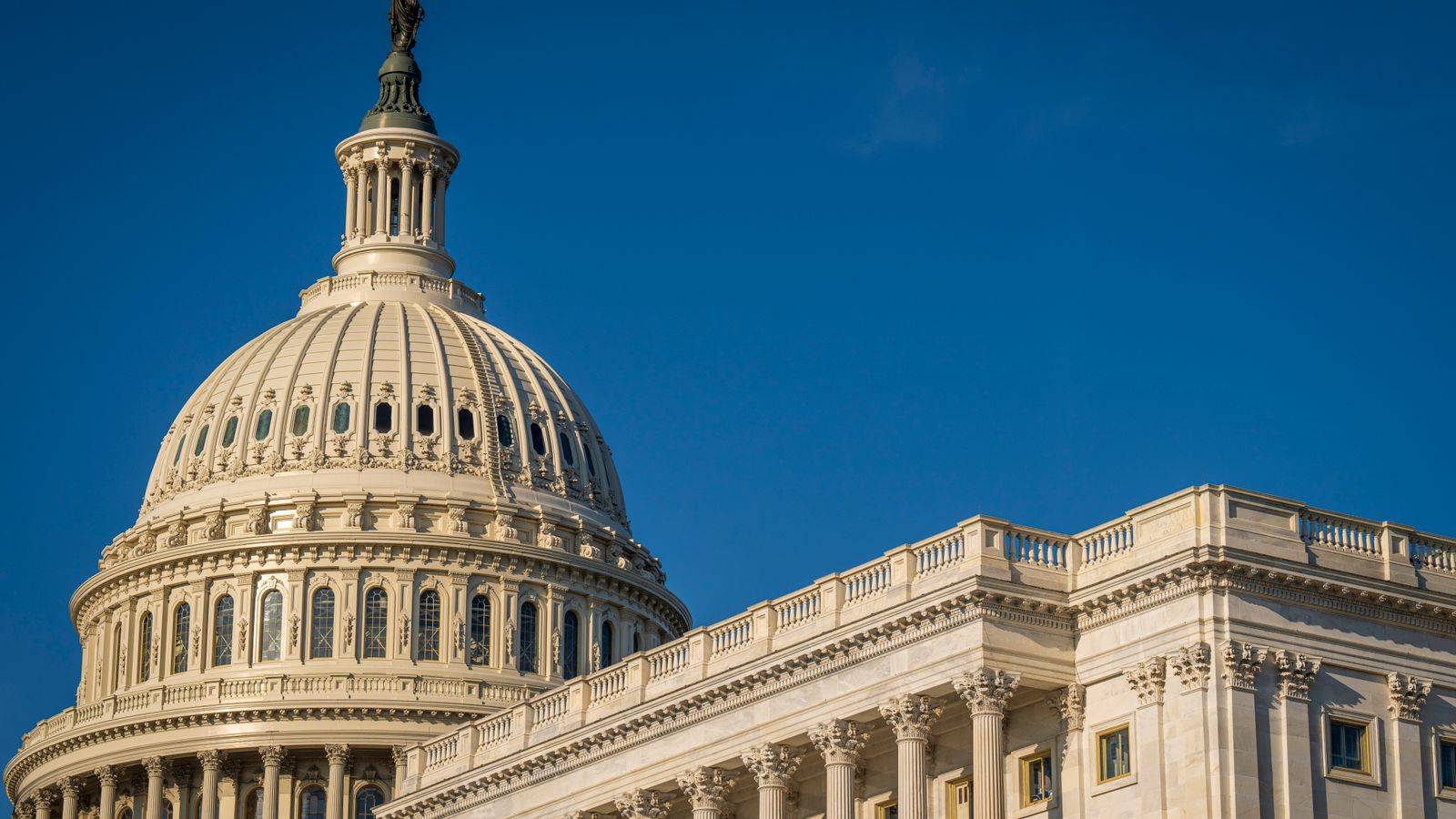
Executive summary
Cannabis advertising in the United States is governed by a patchwork of state audience-composition rules, federal criminal and consumer-protection statutes, and private platform bans, and a new congressional bill would add a federal "high-risk product" layer on top. Marijuana Moment reported on September 23, 2026 that the bill would treat cannabis as a "high-risk" product subject to additional advertising restrictions. This hub describes the framework that bill would sit on top of. Confirm the bill's sponsor, text, enforcement agency, and effective date against Congress.gov before relying on any detail.
Marijuana remains a Schedule I substance under 21 U.S.C. § 812, and 21 U.S.C. § 843(c) bars advertisements offering Schedule I substances for illegal distribution. Federal law has never created a licensed-cannabis advertising code. States filled the gap. California's Proposition 64 set a 71.6% adult-audience standard, and Massachusetts requires 85%. Google and Meta restrict or prohibit plant-touching cannabis ads, so operators rely on owned channels such as menus, SMS, email, loyalty apps, and in-store media.
The "high-risk" label borrows from tobacco, alcohol, gambling, and pharmaceutical advertising. It would affect multi-state operators (MSOs) and single-store licensees differently. Chains with national brand ambitions would lose the most from a uniform federal ceiling. Small operators could gain from a predictable rulebook, but only if it preempts the 24-plus conflicting state regimes rather than adding to them.
The bill also lands while rescheduling toward Schedule III is unresolved, the hemp definition is being narrowed, and the First Amendment commercial-speech test from Central Hudson constrains how far Congress can go. This page covers each of those threads and will be updated as the bill moves.
Why this matters
Advertising rules determine how a legal cannabis brand finds customers, so a federal "high-risk" designation would reshape customer acquisition costs for every licensed operator. Cannabis is a branded, repeat-purchase retail category. It has been denied most mass-media channels, so marginal restrictions hit harder than they would in an unrestricted industry.
Stakeholders
- Licensed operators: cultivators, manufacturers, and dispensaries that depend on digital menus, SMS, email, signage, and events.
- Ad-tech and marketplace firms: listing platforms, e-commerce menu providers, and loyalty vendors whose revenue depends on what operators may say publicly.
- Hemp and CBD sellers: they face FTC and FDA scrutiny on health claims and may be swept into a federal definition of "cannabis."
- Public-health advocates: they focus on youth exposure and on heavy-use products such as high-potency concentrates.
- Patients: medical programs rely on educational materials, and overly broad bans could chill accurate product information.
- Regulators: state agencies like California's Bureau of Cannabis Control and the Massachusetts Cannabis Control Commission would have to reconcile their rules with any federal floor.
The scale problem
Legal cannabis operates in a majority of states, with adult-use programs in roughly two dozen. Each state sets its own advertising rules. A federal standard would be the first nationwide layer of marketing regulation in the history of the legal market. I have not verified current national sales figures here, so operators should consult their own state regulators' latest sales reports for dollar context.
An operator's lens
Three questions determine the real impact of any "high-risk" label:
- Does it preempt state law or stack on top? A floor that adds to 24+ state codes raises compliance costs. A ceiling that replaces them lowers them.
- Which channels are covered? Billboards and broadcast are largely irrelevant to cannabis already, while SMS, social media, and influencer content are the live battleground.
- Who enforces it? The FTC acts through civil penalties and consent orders. A criminal hook would change how aggressively general counsel advise marketing teams.
Background and history
Cannabis advertising law grew from tobacco-style youth-protection concepts layered over a federal prohibition that never contemplated a licensed retail market. The timeline below traces how each regime developed.
1937–1970: Prohibition architecture
The Marihuana Tax Act of 1937 began federal criminalization. The Controlled Substances Act of 1970 placed marijuana in Schedule I under 21 U.S.C. § 812, a classification that still governs. Section 843(c) of the same title makes it unlawful to place advertisements seeking or offering illegal Schedule I transactions. That provision is the reason mainstream media and platforms have treated cannabis ads as legally radioactive for decades.
1996–2012: Medical programs and early restraint
California's Proposition 215 (1996) created the first modern medical program. Early dispensaries advertised in alternative weeklies and directories, and enforcement came mainly through federal raids and warning letters rather than ad-specific rules. When Colorado voters passed Amendment 64 and Washington voters passed Initiative 502 in 2012, regulators adopted ad restrictions modeled on alcohol and tobacco from the start. The core elements were no marketing to minors, limits near schools, and bans on health claims.
1998–2009: The tobacco template
The 1998 Master Settlement Agreement between states and major tobacco companies restricted cartoon characters, billboards, and youth-targeted marketing. The Family Smoking Prevention and Tobacco Control Act of 2009 gave the FDA authority over tobacco marketing. Cannabis regulators and critics have both cited this history, and it is the closest analogue to a "high-risk product" advertising statute. In Lorillard Tobacco Co. v. Reilly (2001), the Supreme Court struck down parts of Massachusetts's outdoor tobacco advertising limits, showing that state and federal ad rules for a lawful-but-harmful product can be curtailed on First Amendment grounds.
2013–2018: Cole Memo and the first state codes
The 2013 Cole Memorandum listed preventing distribution to minors among DOJ's enforcement priorities, which reinforced state rules against youth-oriented marketing. Attorney General Sessions rescinded the memo in January 2018. By then, states had established their own regimes. California's Proposition 64 (2016) barred ads unless the operator had reliable evidence that at least 71.6% of the audience was 21 or older, a number tied to the adult share of the population and used in alcohol industry codes. It also restricted billboards on interstate highways and near schools, day cares, and youth centers.
2018: Farm Bill and Canada
The Agriculture Improvement Act of 2018 (the 2018 Farm Bill) legalized hemp with no more than 0.3% delta-9 THC. That opened a federally lawful CBD market with no dedicated advertising statute, so the FTC Act and the Food, Drug, and Cosmetic Act governed claims. Canada's Cannabis Act took effect on October 17, 2018, with promotion limits far stricter than any U.S. state. That makes it the leading comparative model for a restrictive regime.
2019–2022: Enforcement on health claims
The FDA and FTC issued joint warning letters to CBD sellers that made disease-treatment claims. Platform policies diverged from law. Google allowed limited hemp-derived CBD topical ads in some jurisdictions after certification, while Meta kept broad restrictions. Licensed THC retailers stayed largely excluded from paid social and search, which pushed spending toward listing marketplaces, SMS, and email.
2024–2025: Rescheduling and hemp
In May 2024, the DEA published a notice of proposed rulemaking to move marijuana to Schedule III, citing HHS's recommendation. The proceeding stalled before an administrative law judge hearing. In late 2025, Congress enacted a revised hemp definition within appropriations legislation that was widely reported as targeting intoxicating hemp products, with an effective date about a year out. A December 2025 executive order directed the administration to speed rescheduling. Check each of those against primary sources, as their status continues to change. Schedule III would relieve operators of 280E tax treatment but would not by itself legalize interstate commerce or federal ad rules.
2026: The "high-risk" bill
On September 23, 2026, Marijuana Moment reported that new congressional legislation would classify cannabis as a "high-risk" product with additional advertising restrictions. The headline signals a regulatory framework that treats legal cannabis like other products Congress has deemed hazardous. Details are still being reviewed, and this page will carry updates as the text and committee action become public.
Key players
Regulators, trade groups, and public-health organizations shape the advertising debate, and their incentives rarely align.
Congress
Advertising restrictions could move as a standalone bill or ride on a larger package, such as banking reform, a rescheduling response, or a hemp fix. Committees with jurisdiction would likely include Energy and Commerce in the House and Commerce or Judiciary in the Senate, depending on text. Prior federal cannabis efforts such as the SAFER Banking
Frequently asked questions
Is it legal to advertise cannabis in the United States?
It depends on the state and the medium. Cannabis remains a federally controlled substance, but states with legal markets allow licensed businesses to advertise under rules set by regulators such as California's Department of Cannabis Control or Colorado's Marijuana Enforcement Division. Advertising is generally permitted in state-compliant forms, with limits on content, placement, and audience.
Why is cannabis advertising restricted on Google and Meta?
Both companies prohibit ads that promote the sale of recreational drugs, citing federal law and their own advertising policies. Google Ads and Meta policies bar direct promotion of cannabis products. Dispensaries rely on organic content, business listings, and owned channels such as websites, email, and SMS, subject to each platform's rules.
What would the proposed congressional bill change?
According to Marijuana Moment's reporting, a new congressional bill would treat cannabis as a 'high-risk' product subject to additional advertising restrictions. Details depend on the final bill text, and it must pass both chambers and be signed to take effect. Check the bill text and its status before assuming any new rules apply.
What are audience composition requirements?
Many states require that a set share of a medium's audience be adults 21 or older, based on reliable demographic data, before a cannabis ad can run. The required percentage varies by state. Regulators in states such as California, Washington, and Massachusetts have used these thresholds for broadcast, print, and digital placements.
Can cannabis ads make health or medical claims?
Generally no. Most state rules prohibit unsubstantiated or false health claims, including claims that cannabis cures, treats, or prevents disease. Some medical programs allow limited factual information, but marketing claims are tightly restricted. The FDA and FTC have also acted against CBD and hemp sellers for unsupported health claims.
Are there rules about advertising to minors?
Yes. Virtually every legal state bans ads designed to appeal to people under 21. Common prohibitions include cartoon characters, child-oriented imagery, mascots, and toy-like product depictions. Rules often also restrict ads near schools, playgrounds, and youth-oriented venues, and ban placement in media aimed at minors.
Do cannabis ads need warnings or license information?
In many states, yes. Requirements often include a state-mandated warning statement, a licensee's license number, or language such as 'for adult use only' or 'keep out of reach of children.' Exact wording and format vary by state, so licensees should consult their regulator's current advertising rules.
Can dispensaries advertise on billboards, radio, or TV?
Some states allow it with conditions, while others ban or sharply limit certain media. Common limits include distance from schools, audience-composition thresholds, and restrictions on highway signage. Federal broadcast licensing and station policies mean many TV and radio outlets decline cannabis ads even where state law permits them.
How does CBD and hemp advertising differ from marijuana advertising?
Hemp-derived CBD is federally legal under the 2018 Farm Bill, but marketing is regulated by the FDA and FTC. Sellers cannot make unapproved disease claims or advertise CBD as a dietary supplement or food additive under current FDA positions. Platform policies are also less restrictive for some topical CBD than for THC products.
How can cannabis businesses market compliantly?
Start with your state regulator's current advertising rules, then add platform policies. Common strategies include search-engine optimization, owned email and SMS lists with age verification, loyalty programs, and educational content. Avoid health claims, youth appeal, and giveaways where prohibited, and keep records of audience data used to justify placements.
The cannabis newsletter you forward to your team.
Federal policy, market data, grower alerts, and the one story that matters today. Sent every weekday at 7am. Free.
No spam. Unsubscribe with one click. 21+ only.