Kennesaw State Publishes THC Brain Research, Alzheimer's Drug Studies
University neuroscience team releases two peer-reviewed papers examining THC exposure effects and Alzheimer's therapeutics.
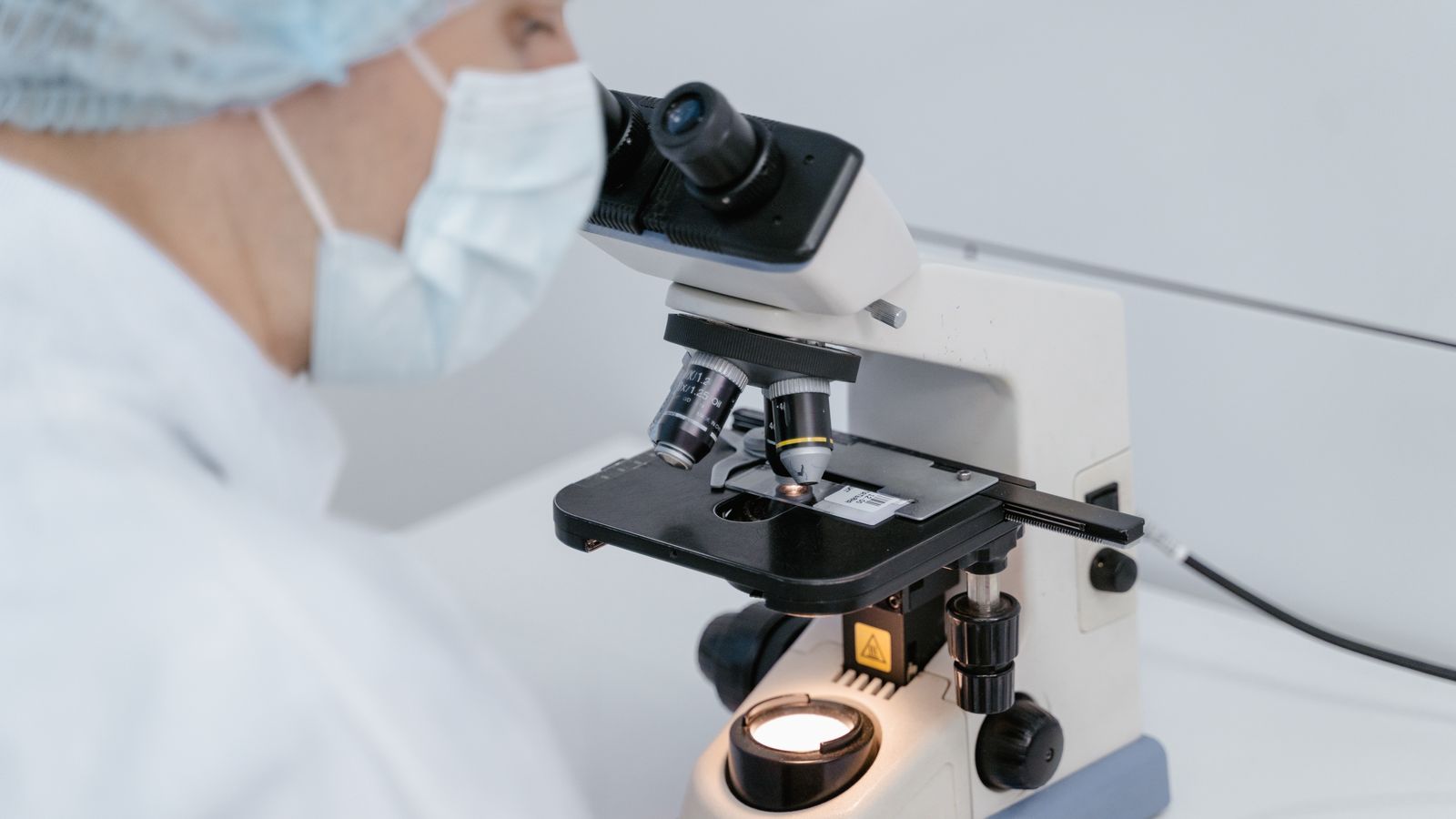
Scientist using a microscope in a laboratory setting, wearing protective gear.
Dual Publication Advances University's Cannabis Neuroscience Profile
Kennesaw State University's neuroscience lab released two separate peer-reviewed papers examining THC brain effects and Alzheimer's drug mechanisms. The research team, based at the university's Marietta campus, focused one study on cannabinoid receptor activity during THC exposure. A second tackled therapeutic targets for Alzheimer's disease progression.
The THC study examined neural pathway responses in controlled exposure scenarios. Researchers tracked receptor binding patterns and synaptic changes across different dosage levels. The Alzheimer's work explored how existing drug candidates interact with beta-amyloid plaques and tau protein tangles, the two hallmark pathologies of the disease.
Both papers underwent standard peer review before publication in neuroscience journals. The university didn't disclose funding sources or pharmaceutical partnerships in its initial announcement.
Research Methodology and Scope
The THC exposure study used in-vitro brain tissue models to isolate cannabinoid receptor responses without confounding variables. This approach lets researchers observe THC's direct neurological effects at the cellular level, separate from systemic metabolic processes.
Key research parameters included:
- Controlled THC concentration ranges from 1 to 50 micromolar
- CB1 and CB2 receptor activation tracking via fluorescent tagging
- Synaptic plasticity measurements over 72-hour exposure windows
- Comparative analysis against CBD and synthetic cannabinoid controls
Different model for the Alzheimer's drug research. That team tested how FDA-approved dementia medications interact with cannabinoid pathways, exploring whether THC or CBD might enhance or interfere with existing treatments.
Implications for Medical Cannabis Research Pipeline
These publications position Kennesaw State as a contributor to the growing body of U.S.-based cannabis neuroscience work, which remains constrained by federal Schedule I restrictions. Universities conducting cannabis research typically rely on NIDA-supplied material or state-licensed partnerships where legal frameworks permit.
Georgia's medical cannabis law allows low-THC oil production but restricts research pathways. Kennesaw State's ability to publish peer-reviewed THC studies suggests either federal DEA research registration or collaboration with institutions holding Schedule I licenses.
The Alzheimer's angle carries commercial weight. Pharmaceutical companies developing dementia therapeutics now routinely screen drug candidates for cannabinoid pathway interactions after several high-profile clinical trial failures linked to unexpected receptor cross-reactivity. Understanding how THC affects Alzheimer's drug efficacy could inform dosing protocols for the 6.7 million Americans living with the disease.
For background on cannabis neuroscience developments, see the CannIntel topic hub on THC brain research.
Frequently asked questions
What did Kennesaw State's THC research study?
The study examined how THC exposure affects cannabinoid receptor activity and synaptic plasticity in brain tissue models. Researchers tracked CB1 and CB2 receptor binding patterns across different THC concentration levels over 72-hour periods, comparing results against CBD and synthetic cannabinoid controls.
How does this research relate to Alzheimer's treatment?
The second study explored interactions between THC, CBD, and existing FDA-approved Alzheimer's medications. Researchers tested whether cannabinoids enhance or interfere with drugs targeting beta-amyloid plaques and tau proteins, the two primary pathologies in Alzheimer's disease progression.
Can universities legally conduct THC research in the U.S.?
Yes, but with restrictions. Universities must obtain DEA Schedule I research registration or partner with federally licensed facilities. Most rely on NIDA-supplied cannabis or work within state medical programs where legal frameworks permit research activities.
What makes these publications significant for the cannabis industry?
Peer-reviewed neuroscience research from accredited U.S. universities adds credibility to medical cannabis applications. The Alzheimer's focus is particularly relevant as pharmaceutical companies now screen drug candidates for cannabinoid pathway interactions after clinical trial setbacks.
Sources
The cannabis newsletter you forward to your team.
Federal policy, market data, grower alerts, and the one story that matters today. Sent every weekday at 7am. Free.
No spam. Unsubscribe with one click. 21+ only.
Related from Medical

Pediatric Cannabis Ingestion Rate Triples Since 2000, Study Finds
New research shows unintentional recreational drug ingestions among children under six surged 1,375% over 23 years.

CDC Proposes Medical Cannabis Question for Federal Health Survey
The Centers for Disease Control and Prevention is seeking to add medical marijuana use to a national health tracking system.

Medical Cannabis Access Cuts Health-Related Work Absences 7%, UGA Study Finds
Analysis of 20 million Census responses links medical cannabis laws to fewer sick days, strongest effect in physical-labor sectors.
More from the newsroom

DEA Finalizes Schedule III Case in August, Marking Key Rescheduling Milestone
The agency closed its administrative record on cannabis reclassification, setting the stage for a final rule.

Marijuana Treatment Admissions Highest in States Where Cannabis Remains Illegal
New federal data shows states without legal cannabis report more drug treatment admissions for marijuana use than legal markets.

Four Twenty launches Thai farm partnership with guaranteed purchases
Cannabis retailer offers cultivation contracts and technical support to local growers in Thailand market expansion.