Victoria Budget Analysis Finds A$1.37B Gain From Legalization
A budget analysis reported Thursday puts the ten-year gain from legalizing marijuana in Victoria at A$1.37 billion, but key assumptions remain unpublished.
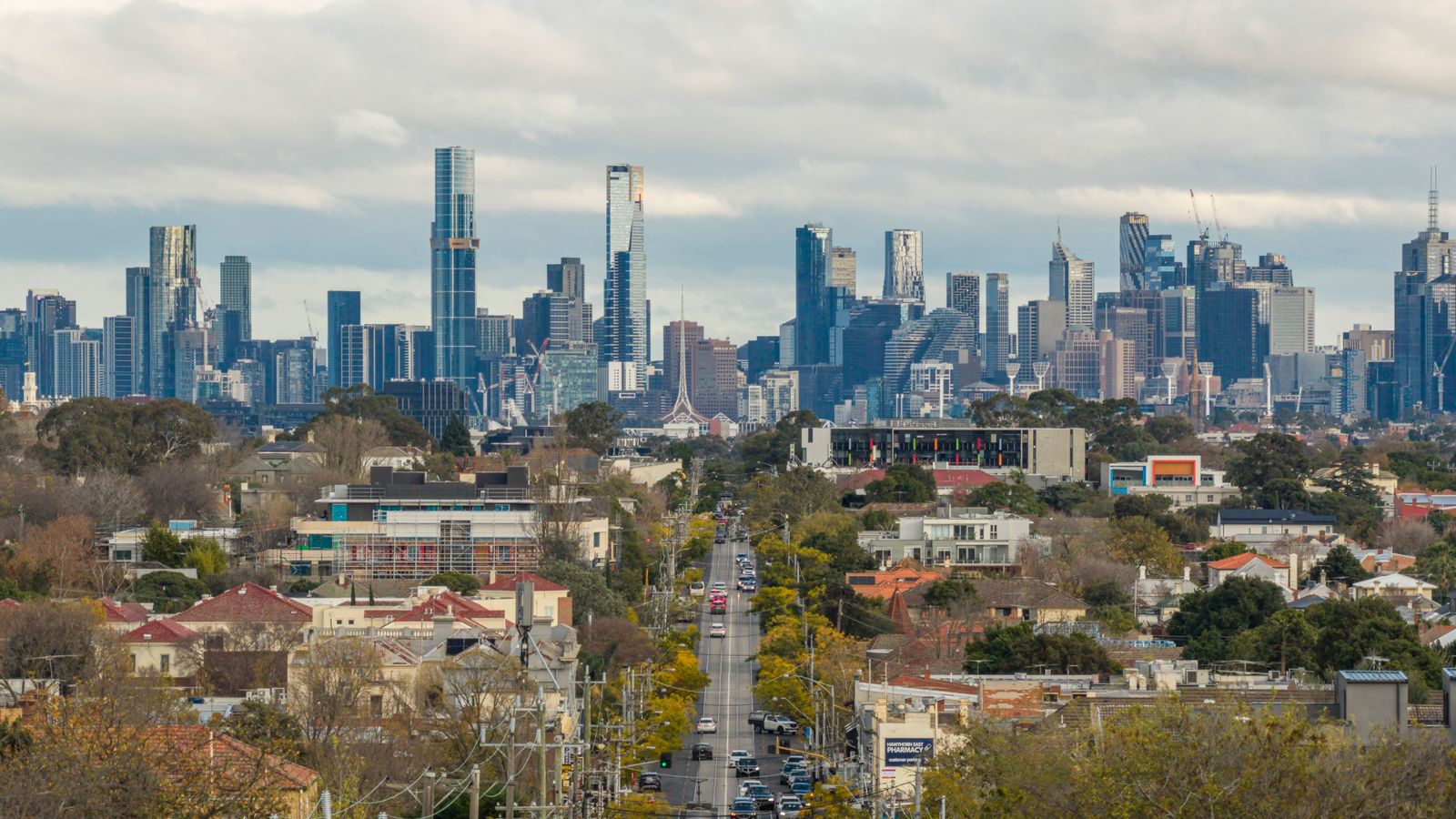
A view of Melbourne's skyline as seen from Hawthorn, showcasing prominent skyscrapers and urban landscape.
What the analysis reports
A budget analysis estimates Victoria would gain A$1.37 billion over 10 years under marijuana legalization, according to The Marijuana Herald.
The Marijuana Herald published the finding Thursday. The headline figure is the only number in the signal CannIntel reviewed.
That's a thin base. We haven't seen the underlying document, and the report summary doesn't identify the agency or author behind the analysis. We also can't say whether the figure is gross tax revenue, net fiscal benefit, or revenue plus enforcement savings.
The arithmetic behind the headline
Spread evenly, A$1.37 billion over a decade works out to roughly A$137 million a year.
That's CannIntel's calculation, not a figure from the analysis. A real market wouldn't produce an even line, since licensing fees and startup costs typically land early while excise-style revenue depends on how fast legal sales displace the illicit market.
Against a state budget of Victoria's size, the annual average is modest. Modest isn't meaningless. A recurring nine-figure line can fund a regulator, treatment services, or both.
The questions the number can't answer
Without the model's assumptions, the A$1.37 billion figure can't be tested.
Four inputs drive any estimate of this kind:
- The tax rate and whether it applies to price, weight or THC content
- Whether sales are retail, home-grow only, or both
- The share of current consumers who switch to licensed supply
- Regulatory and enforcement costs netted against revenue
Change any one and the result moves sharply. Canada's experience, where high taxes and thin margins pushed some consumers back to unlicensed supply, is the standard cautionary example for analysts building these projections.
The legal path is narrower than the budget case
Victoria currently regulates cannabis through the Drugs, Poisons and Controlled Substances Act 1981 and a medicinal scheme under the Access to Medicinal Cannabis Act 2016.
Legalizing adult-use sales would require new state legislation. It would also have to coexist with Commonwealth law, because the federal Therapeutic Goods Administration (TGA) controls the national medicinal pathway and federal drug offenses remain on the books.
Budget analysis doesn't resolve that tension. Neither does the signal.
The ACT is the only domestic precedent
The Australian Capital Territory remains the only Australian jurisdiction to have decriminalized adult possession and home cultivation, effective January 31, 2020.
Under ACT law, adults can possess up to 50 grams of dried cannabis and grow a limited number of plants at home. It doesn't create a legal retail market, so it generates no sales tax.
That gap matters for Victoria. The ACT model costs the government little and raises nothing. A$1.37 billion implies something much larger: a licensed, taxed supply chain. Different policy, different politics.
What operators and investors should read into it
The figure is a signal of fiscal interest, not a market-opening timeline.
No licensing framework exists in Victoria for adult-use cultivators, processors or retailers. Anyone pricing in a near-term opening is guessing. The number gives legalization advocates a revenue argument, and it hands treasury officials a benchmark to challenge.
It's a useful talking point. It isn't a bill.
For full background on this story, see the CannIntel topic hub on Victoria, Australia cannabis legalization.
What to watch next
The credibility of the A$1.37 billion estimate depends on the publication of its methodology and a named author.
Watch first for whether the analysis is released in full, with tax-rate and consumption assumptions visible. Second, watch whether any member of Victoria's Parliament files a bill that would turn the revenue case into statutory text.
CannIntel will update this report when the source document is identified.
Frequently asked questions
How much could Victoria gain from marijuana legalization?
A budget analysis reported by The Marijuana Herald estimates a gain of A$1.37 billion over 10 years. That averages about A$137 million annually. CannIntel has not reviewed the underlying document, so the tax rate, market structure and consumption assumptions are unconfirmed.
Is marijuana legal in Victoria, Australia?
No. Adult-use cannabis remains regulated under the Drugs, Poisons and Controlled Substances Act 1981. Victoria operates a medicinal cannabis scheme under the Access to Medicinal Cannabis Act 2016. The analysis is a fiscal estimate, not an enacted law or a filed bill.
Has any Australian jurisdiction legalized cannabis?
The Australian Capital Territory allows adult possession and limited home cultivation, effective January 31, 2020. It doesn't permit retail sales. No Australian state or territory has created a taxed, licensed adult-use market.
Does the A$1.37 billion figure include enforcement savings?
Unknown. The report summary available to CannIntel doesn't say whether the figure is gross tax revenue, net fiscal benefit, or includes reduced policing and court costs. The full methodology would be needed to answer that.
Sources
The cannabis newsletter you forward to your team.
Federal policy, market data, grower alerts, and the one story that matters today. Sent every weekday at 7am. Free.
No spam. Unsubscribe with one click. 21+ only.
Related from Laws

BillsTax Indicted Again on Marijuana Charges in South Korea
Chosunbiz reported a second indictment of BillsTax on marijuana charges tied to legalization advocacy, though the charging details were not available.
Massachusetts Question 8 sets Nov. 3 vote on ending adult-use sales
Boston 25 News explainer confirms voters will decide whether to eliminate recreational marijuana sales, putting a licensed market that opened in 2018 on the ballot.

Rescheduling Opponents File Final Reply; DEA Judge Is Next
Opponents of moving marijuana to Schedule III filed their last reply under an expedited deadline, putting the record before a DEA administrative law judge.
More from the newsroom
Massachusetts Poll Finds Voters Back Legal Cannabis, Enterprise News Reports
A poll reported by Enterprise News shows Massachusetts voters favor legal weed and see it as a societal positive, a signal operators and investors will weigh.
Talking Joints Memo flags Vivek, Question 8 signature gatherers
A newsletter headline ties 'Vivek' to Question 8 petition circulators, but the underlying text isn't available, so the measure and the claim stay unverified.

Talking Joints Memo Updates List of Officials Opposing Question 8
The running tally of Massachusetts public officials against Question 8 grew again on Oct. 22, with Election Day on Nov. 3 and a federal hemp deadline nine days later.