Massachusetts Question 8 sets Nov. 3 vote on ending adult-use sales
Boston 25 News explainer confirms voters will decide whether to eliminate recreational marijuana sales, putting a licensed market that opened in 2018 on the ballot.
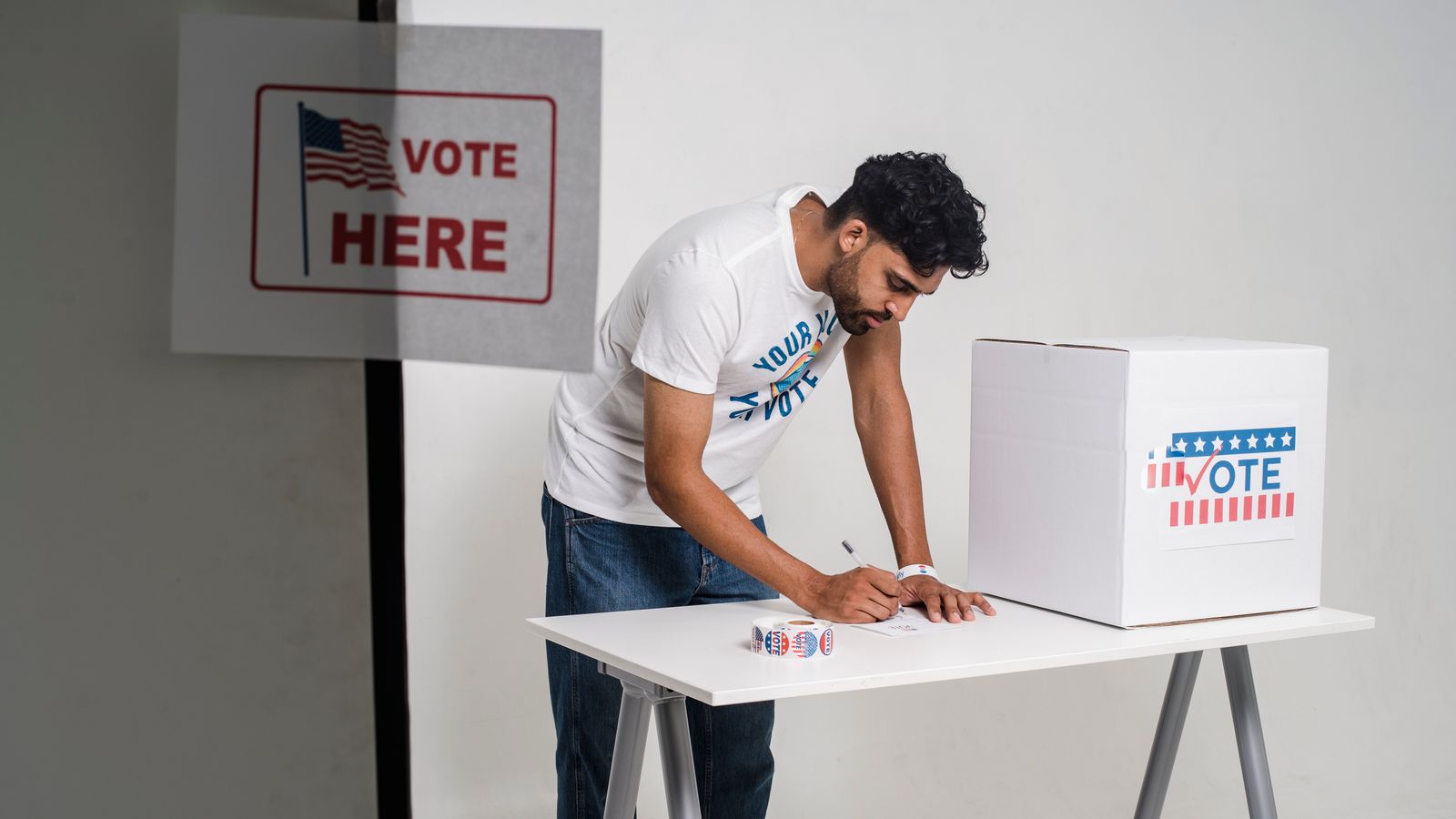
A young man at a polling station voting on election day, symbolizing democracy.
Question 8 puts the licensed retail market to a statewide vote
Massachusetts voters will decide Nov. 3 whether to end recreational marijuana sales in the state. Boston 25 News published an explainer on the measure this week, describing it as a vote on eliminating adult-use sales.
Election Day is less than two weeks away. Early voting is already the practical deadline for many voters.
What the public record supports so far
The only verified fact in the signal is the question's framing: Question 8 asks voters to eliminate recreational sales. The Boston 25 News headline is the primary basis for this report.
CannIntel hasn't independently confirmed the measure's full text, its fiscal estimates or its effective dates. We won't guess at them. That's a thin evidentiary base for a vote this consequential, and readers should treat any secondhand summary, including this one, as a pointer to the official documents.
How Massachusetts got here
Voters created the legal market themselves, through the 2016 Question 4 initiative. Retail sales began in November 2018, regulated by the Cannabis Control Commission.
That makes the 2026 question a direct reversal test. The same electorate mechanism that opened the market now decides whether to close its retail side.
Who is exposed if the market closes
Licensed operators, host municipalities and workers carry the most immediate risk. Operators built stores, cultivation sites and product lines on state-issued licenses. Cities and towns that signed host community agreements built budgets around them.
Patients are a separate category. Massachusetts has a medical marijuana program, and the Boston 25 headline speaks only to recreational sales. Whether medical access changes is a question for the ballot text, not for inference.
For investors, the lens is simple. Any multi-state operator with Massachusetts licenses carries a binary event on its books, and 280E-burdened margins leave little cushion for a forced wind-down.
Questions the ballot text has to answer
A repeal measure lives or dies on its transition details, not its headline. Voters, operators and regulators should check the official summary for these points:
- The effective date and any wind-down period for licensed retailers
- Treatment of personal possession and home cultivation
- What happens to existing licenses and host community agreements
- Whether the medical program is untouched
Each answer changes the financial and legal picture. None is in the signal.
Where to read the primary documents
The Massachusetts Secretary of the Commonwealth publishes the official voter information for every statewide question. That guide includes the full text and the Attorney General's summary, and it is the document that controls.
Boston 25 News framed Question 8 as a plain choice on whether recreational sales continue, but the operative consequences sit in the statutory language.
For full background on this story, see the CannIntel topic hub on Massachusetts Question 8. We'll update it as the official documents and campaign filings are reviewed.
What to watch before and after Nov. 3
The next hard signals are the certified results and any Cannabis Control Commission guidance on implementation. Both matter more than the campaign rhetoric.
Watch the Commission first. If the measure passes, its statements on license status and compliance obligations will tell operators how much time they have, and if it fails, expect the policy fight to move to the legislature.
Next up: certified results from the Secretary of the Commonwealth after Nov. 3. Until the text is read line by line, the headline is all anyone has.
For complete background, history, and our ongoing coverage of this story:
Open the CannIntel topic hub →Sources
The cannabis newsletter you forward to your team.
Federal policy, market data, grower alerts, and the one story that matters today. Sent every weekday at 7am. Free.
No spam. Unsubscribe with one click. 21+ only.
Related from Laws

Utica Firefighters Sue Over Medical Cannabis Suspensions in New York
Two Utica firefighters suspended after urine tests found cannabis metabolites are suing, putting New York's patient protections against public-safety drug testing.

BillsTax Indicted Again on Marijuana Charges in South Korea
Chosunbiz reported a second indictment of BillsTax on marijuana charges tied to legalization advocacy, though the charging details were not available.

Rescheduling Opponents File Final Reply; DEA Judge Is Next
Opponents of moving marijuana to Schedule III filed their last reply under an expedited deadline, putting the record before a DEA administrative law judge.
More from the newsroom

MJBizDaily Flags Facility Design Errors Cultivators Can't Retrofit
An Oct. 22 MJBizDaily report on unfixable build mistakes puts HVAC, dehumidification and electrical sizing back at the center of cultivation capital planning.

Massachusetts Poll Finds Voters Back Legal Cannabis, Enterprise News Reports
A poll reported by Enterprise News shows Massachusetts voters favor legal weed and see it as a societal positive, a signal operators and investors will weigh.
Victoria Budget Analysis Finds A$1.37B Gain From Legalization
A budget analysis reported Thursday puts the ten-year gain from legalizing marijuana in Victoria at A$1.37 billion, but key assumptions remain unpublished.