South Carolina Legislature Kills THC DUI Bills as Session Ends
Two cannabis impairment measures died in committee after lawmakers adjourned without action on July 10.

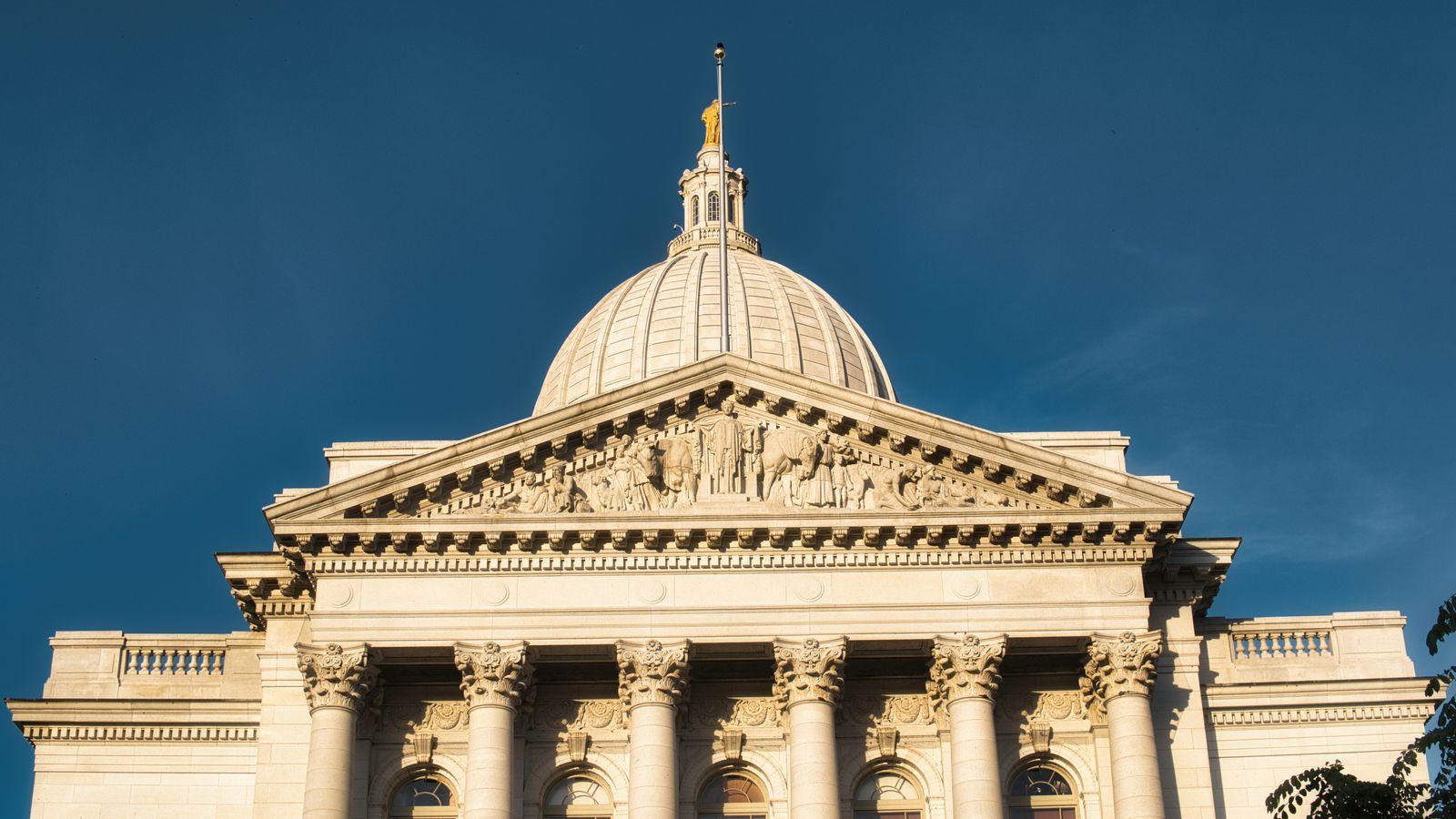
A stunning aerial shot of Atlanta, Georgia showcasing the Capitol Building and surrounding city skyline.
Session Ends With No Floor Vote
Both bills died in committee before reaching a floor vote when the Legislature adjourned July 10. House Bill 4182 proposed per-se THC limits for DUI prosecution. Senate Bill 891 sought to bar medical cannabis cardholders from driving within four hours of use. Neither advanced past subcommittee review. No roll-call votes were recorded on either measure.
DUI Enforcement Bill May Return in 2027
The Post and Courier editorial board stated the THC DUI enforcement measure can be reintroduced when lawmakers reconvene in January 2027. House Bill 4182 proposed a five-nanogram-per-milliliter blood THC threshold for impaired driving charges, mirroring Colorado's standard. The bill's sponsor, Representative Marcus Thompson of District 29, hasn't announced whether he'll refile the legislation. South Carolina currently prosecutes cannabis-impaired driving under general impairment statutes without a specific THC limit.
Medical Cannabis Driving Ban Faces Steeper Hurdle
Senate Bill 891's four-hour driving prohibition for medical cannabis patients drew opposition from patient advocacy groups and appears unlikely to be revived. Senator Karen Bright of District 12 introduced the bill. It would have required cardholders to wait four hours after any cannabis use before operating a vehicle, regardless of impairment. South Carolina's Compassionate Care Alliance testified against the measure in May 2026, arguing the restriction lacked scientific basis and would effectively bar many patients from employment. Senator Bright didn't respond to requests for comment on whether she plans to refile.
Current DUI Framework Remains Unchanged
South Carolina law enforcement continues to rely on field sobriety tests and officer testimony to prosecute cannabis DUI cases without a statutory THC threshold. The state's implied consent statute, Section 56-5-2950, authorizes blood draws for suspected impaired drivers but doesn't define a per-se limit for THC metabolites. Prosecutors must prove impairment through behavioral evidence rather than chemical test results alone—a standard that has survived legal challenges in State v. Henderson (2024) and State v. Ramirez (2025), both upholding convictions based on officer observations and standardized field tests.
Medical Cannabis Program Unaffected by Legislative Inaction
The South Carolina Compassionate Care Act, which launched the state's medical cannabis program in January 2025, contains no driving restrictions beyond general DUI prohibitions. The program currently serves approximately 18,000 registered patients according to Department of Health and Environmental Control data released June 2026. Qualifying conditions include cancer, multiple sclerosis, Crohn's disease, and PTSD. Patients may possess up to two ounces of cannabis flower or equivalent concentrate but face the same impaired driving penalties as recreational users under existing statute.
Advocacy Groups Claim Victory on Driving Ban Defeat
Patient advocates celebrated Senate Bill 891's failure. They called the four-hour rule arbitrary and discriminatory. Emily Navarro, executive director of the South Carolina Compassionate Care Alliance, said in a July 10 statement that the bill would have criminalized safe driving by patients with chronic conditions who use cannabis daily. She noted that THC metabolites can remain detectable in blood for days after psychoactive effects subside, making time-based restrictions scientifically unsound. The Alliance plans to monitor any 2027 refiling attempts and lobby against similar provisions.
Legislative Calendar Opens for 2027 Reintroduction
The 2027 legislative session begins January 14, with bill prefiling opening in early December 2026. Representative Thompson has until the session's first day to refile the THC DUI enforcement measure. South Carolina operates on a two-year legislative cycle, meaning bills introduced in odd-numbered years can carry over to the following even-numbered year, but 2026 bills don't automatically transfer to 2027. Any reintroduced measure will restart the committee process. For full background on this story, see the CannIntel topic hub on South Carolina Cannabis DUI Laws.
Frequently asked questions
What happened to South Carolina's cannabis DUI bills?
Both House Bill 4182, which proposed a five-nanogram THC threshold for DUI charges, and Senate Bill 891, which sought a four-hour driving ban for medical cannabis patients, died in committee when the Legislature adjourned July 10, 2026. Neither bill received a floor vote.
Can South Carolina police arrest drivers for cannabis DUI without a THC limit?
Yes. South Carolina prosecutes cannabis-impaired driving under general impairment statutes using field sobriety tests and officer testimony. Section 56-5-2950 authorizes blood draws but does not define a per-se THC threshold, so prosecutors must prove impairment through behavioral evidence.
Will the THC DUI bill be reintroduced in 2027?
The Post and Courier editorial board stated the measure can be revived when the 2027 session begins January 14. Representative Marcus Thompson, the bill's sponsor, has not announced whether he will refile. Bills must be reintroduced; they do not carry over automatically from 2026.
Does South Carolina's medical cannabis program restrict driving?
No. The Compassionate Care Act contains no driving restrictions beyond general DUI laws. Registered patients face the same impaired driving penalties as recreational users but may legally possess up to two ounces of cannabis flower or equivalent concentrate.
Why did patient advocates oppose the four-hour driving ban?
The South Carolina Compassionate Care Alliance argued the restriction lacked scientific basis because THC metabolites remain detectable in blood for days after psychoactive effects end. Advocates said the rule would effectively bar daily-use patients from employment and criminalize safe driving.
Sources
The cannabis newsletter you forward to your team.
Federal policy, market data, grower alerts, and the one story that matters today. Sent every weekday at 7am. Free.
No spam. Unsubscribe with one click. 21+ only.
Related from Laws
Ohio Judge Blocks Hemp THC Cap on Dormant Commerce Clause Grounds
A federal court halted Ohio's 0.3% total-THC limit for hemp products, finding it likely violates interstate commerce protections.

NORML Intern Draws Parallels Between Alcohol, Cannabis Prohibitions
Summer intern Caroline Breen outlines structural failures shared by both 20th-century prohibitions in policy analysis.

Jamaica State Minister Defends Deliberate Cannabis Reform Approach
Government official characterizes industry restructuring as measured and focused on local stakeholder interests.
More from the newsroom

Curaleaf Eyes Spain's New Cannabis Framework for EU Pharma Push
The MSO is positioning its European subsidiaries to capitalize on Spain's regulatory shift toward medicinal cannabis.

Small Minnesota City Pauses Funding for Government-Owned Dispensary
A Minnesota municipality has suspended capital allocations for its planned public-sector cannabis retail facility amid budget concerns.

New York Unveils Cannabis Education Resources for Schools
State releases curriculum guides and teacher training materials as districts grapple with youth prevention in adult-legal market.