Small Minnesota City Pauses Funding for Government-Owned Dispensary
A Minnesota municipality has suspended capital allocations for its planned public-sector cannabis retail facility amid budget concerns.

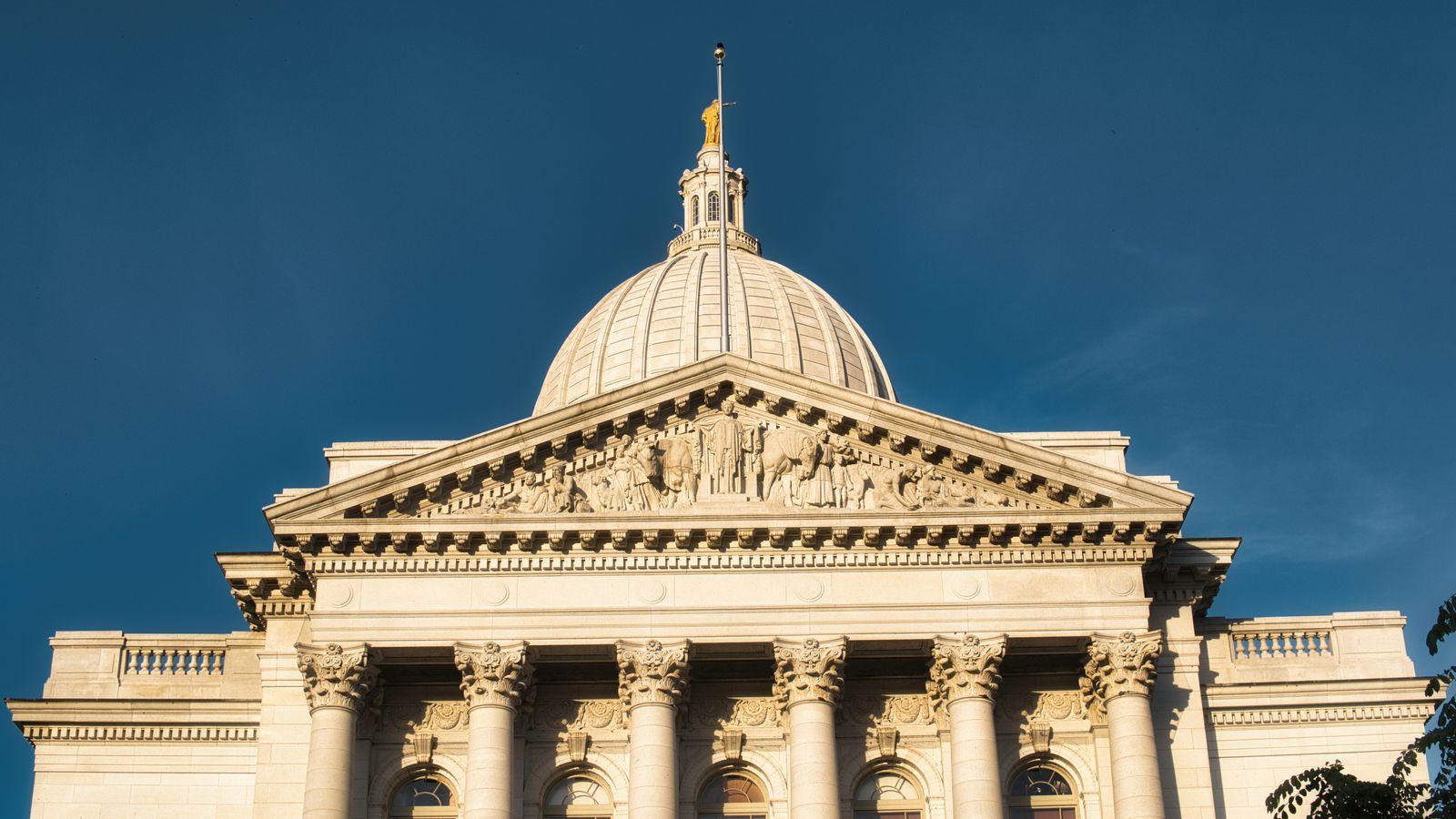
Captivating view of Minneapolis City Hall from underneath a waterfall, showcasing its architectural beauty.
Budget Concerns Drive Funding Freeze
The city council voted to suspend capital allocations for the dispensary project during its July meeting, citing unresolved budget questions and revenue projections that failed to meet initial estimates. The city hasn't abandoned the project outright. Officials indicated they'd revisit the funding decision in the next fiscal quarter after completing a revised feasibility study.
The pause comes less than six months after the municipality first announced plans to establish a government-run retail facility under Minnesota's 2023 cannabis legalization framework. That statute permits local governments to operate dispensaries as municipal enterprises, a provision unique among adult-use states.
Minnesota's Municipal Dispensary Model Under Scrutiny
Minnesota is the only adult-use state that explicitly authorizes cities to own and operate cannabis retail stores, a structure designed to capture tax revenue directly rather than relying on private-sector license fees. Proponents argued the model would generate stable municipal income. It would also allow tighter local control over product selection and pricing.
This city was among the first wave of municipalities to pursue the public-ownership option. Its decision to pause funding raises questions about the financial viability of government-run dispensaries in smaller markets, where startup costs and operational overhead may outweigh revenue potential.
The revenue projections that justified the initial capital outlay haven't materialized in neighboring jurisdictions that opened earlier this year, creating doubt about the city's ability to recoup its investment on the proposed timeline.
Startup Costs and Revenue Uncertainty
Municipal dispensary projects in Minnesota typically require $500,000 to $1.2 million in upfront capital for buildout, inventory, security infrastructure, and licensing compliance. The city had allocated approximately $750,000 in the current budget, drawn from a combination of general-fund reserves and anticipated state cannabis-tax rebates.
Council members cited two specific concerns during the July session. First: neighboring cities that opened government dispensaries in early 2026 reported first-quarter revenues 30 to 40 percent below initial projections, largely due to competition from tribal dispensaries operating under separate regulatory frameworks. Second, the state Office of Cannabis Management hasn't finalized retail-packaging standards yet, creating uncertainty about shelf-ready inventory costs.
Political and Operational Complications
The decision also reflects broader political tension over whether local governments should compete directly with private-sector applicants in the cannabis market. Several business groups in Minnesota have challenged the municipal-ownership provision, arguing it creates an uneven playing field and discourages private investment in smaller communities.
Officials haven't disclosed whether they'll pivot to a traditional licensing model or continue pursuing the government-owned option after the budget review. A revised feasibility study is expected by October 2026, with a council vote scheduled for the fourth quarter.
Implications for Minnesota's Retail Rollout
The funding pause is the first public retreat from the municipal-dispensary model since Minnesota legalized adult-use cannabis in 2023. If other small cities follow suit, the state could see a slower retail rollout in rural areas, where private operators have been reluctant to enter due to population density and competition from tribal stores.
For full background on Minnesota's rollout and municipal-ownership framework, see the CannIntel topic hub on Minnesota Cannabis Program. The state's Office of Cannabis Management has issued 47 provisional retail licenses to date. Only three are held by municipal entities.
The next signal: whether the revised feasibility study identifies a path to profitability or whether the city formally abandons the project in favor of private licensing. That decision will set a precedent for dozens of other Minnesota municipalities weighing the same choice.
For complete background, history, and our ongoing coverage of this story:
Open the CannIntel topic hub →Sources
The cannabis newsletter you forward to your team.
Federal policy, market data, grower alerts, and the one story that matters today. Sent every weekday at 7am. Free.
No spam. Unsubscribe with one click. 21+ only.
Related from Business

Curaleaf Eyes Spain's New Cannabis Framework for EU Pharma Push
The MSO is positioning its European subsidiaries to capitalize on Spain's regulatory shift toward medicinal cannabis.

Michigan Cannabis Market Matures Into Consumer Products Play
Wholesale prices and margin compression signal the end of cultivation-led growth in the state's $3.2 billion market.

Cannabis Council Shuts Down, Exposing Canada's Fractured Industry
The national trade group's closure leaves Canadian operators without unified federal advocacy as provincial fragmentation deepens.
More from the newsroom
Ohio Judge Blocks Hemp THC Cap on Dormant Commerce Clause Grounds
A federal court halted Ohio's 0.3% total-THC limit for hemp products, finding it likely violates interstate commerce protections.

NORML Intern Draws Parallels Between Alcohol, Cannabis Prohibitions
Summer intern Caroline Breen outlines structural failures shared by both 20th-century prohibitions in policy analysis.

New York Unveils Cannabis Education Resources for Schools
State releases curriculum guides and teacher training materials as districts grapple with youth prevention in adult-legal market.