Oklahoma THC Potency Inflation Persists as State Lab Opening Stalls
Lab shopping and inflated cannabinoid results continue unchecked while Oklahoma's regulatory testing facility remains unopened.
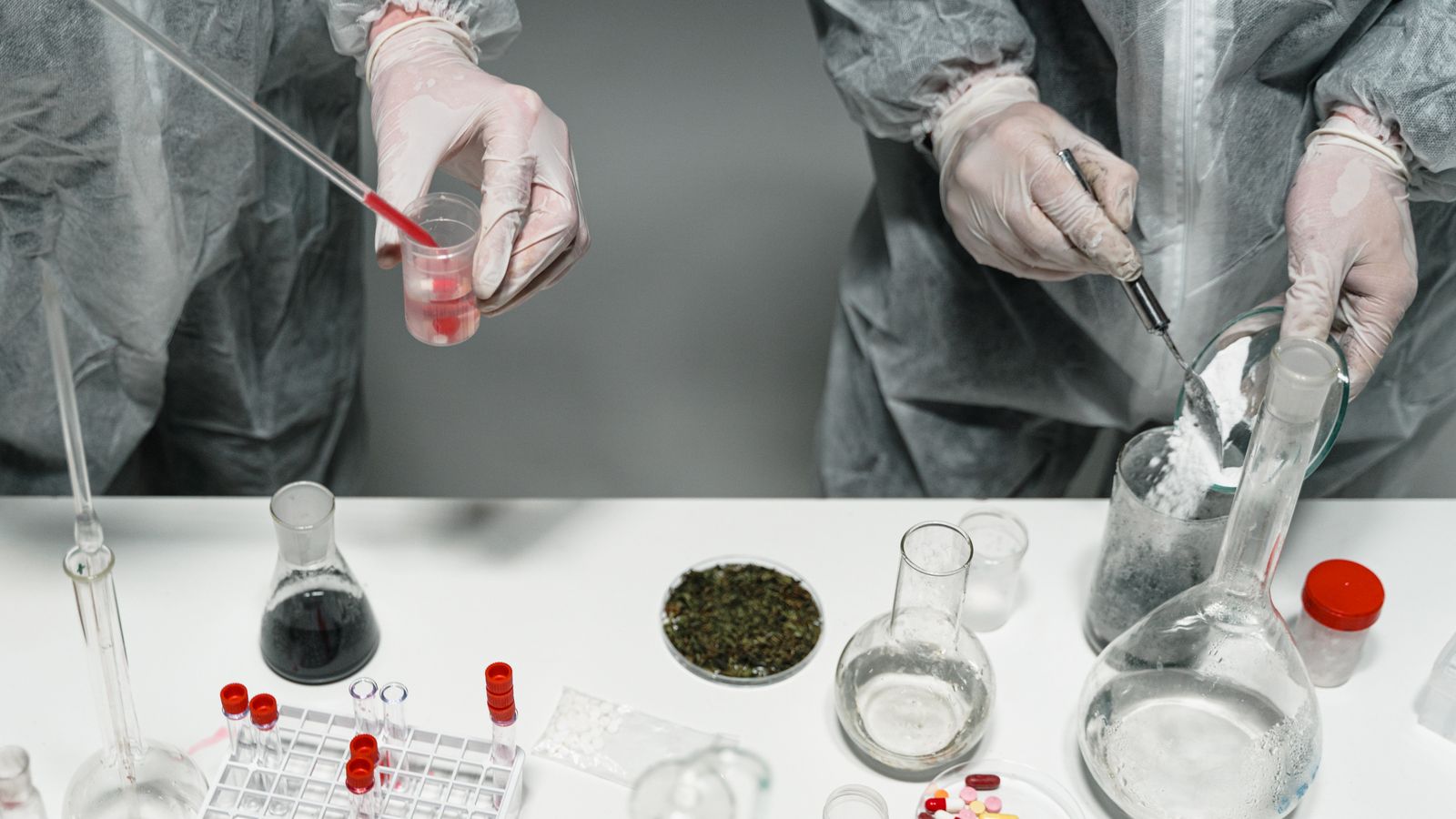
Scientists in protective gear conducting experiments in a modern laboratory setting.
State Lab Remains Offline Despite Multi-Year Timeline
Oklahoma's cannabis regulatory lab has missed its opening target, leaving no state-controlled testing capacity online as of July 2026. The Oklahoma Medical Marijuana Authority announced plans for the facility in 2024 as a direct response to audits showing systematic THC inflation by private testing labs. The delay? Bureaucratic. Procurement, staffing, and accreditation timelines stretched beyond initial projections.
Without the state lab operational, Oklahoma's medical cannabis supply chain relies entirely on the same private testing labs that state auditors flagged for issuing results showing flower samples testing above 35% THC. That's a biological threshold experts say is commercially unattainable without concentration or fraud. The authority hasn't announced a revised opening date.
Lab Shopping and Potency Inflation Continue Unchecked
Cultivators and processors continue to route samples to labs known for favorable results, a practice called lab shopping that inflates shelf appeal and wholesale pricing. Oklahoma doesn't require random state testing or split-sample verification. Operators choose which lab tests their product. No penalty exists for switching labs after an unfavorable result.
The economic incentive is direct and powerful. Flower labeled 30% THC commands a retail premium of 20-40% over flower at 18% THC, even when the chemical composition is functionally identical. Processors use inflated potency claims to justify higher wholesale pricing to dispensaries, who in turn market the numbers to patients, and the cycle perpetuates itself because Oklahoma law doesn't mandate independent verification of private lab results.
State auditors documented the pattern in a 2024 report. Three private labs accounted for 68% of all tests above 30% THC, while two other accredited labs in the same market reported zero samples above 28% THC. The statistical divergence pointed to methodology differences or result manipulation, but the authority lacked enforcement tools to compel corrective action without a state lab to conduct retests.
What Happens Next
The state lab's eventual opening will give Oklahoma the capacity to conduct random compliance checks and retest disputed results. But the authority hasn't indicated whether it'll mandate state retesting for high-potency claims. Other states with similar problems — including Michigan and Oregon — implemented mandatory state retesting for any flower sample above 30% THC or any concentrate above 85% total cannabinoids. Oklahoma hasn't announced comparable rules.
For full background on this story, see the CannIntel topic hub on Oklahoma Cannabis Testing Standards.
The next signal: whether the Oklahoma Medical Marijuana Authority sets a firm opening date and publishes draft rules for state retesting authority. Until then, the market operates under the same voluntary compliance framework that auditors said was failing in 2024.
Frequently asked questions
Why does Oklahoma's cannabis testing system allow lab shopping?
Oklahoma law lets cultivators and processors choose which accredited lab tests their product, with no requirement for random state testing or split-sample verification. Operators can resubmit samples to different labs after unfavorable results, and no penalty exists for switching labs. The state lab was intended to provide independent retesting capacity but hasn't yet opened.
What is THC potency inflation in cannabis testing?
THC potency inflation occurs when testing labs report cannabinoid percentages higher than the sample's actual chemical composition, either through flawed methodology or intentional result manipulation. Experts say flower samples testing above 30-35% THC are biologically implausible without concentration or fraud, yet some Oklahoma labs routinely report results in that range.
When will Oklahoma's state cannabis testing lab open?
Oklahoma cannabis authorities haven't announced a revised opening date. The lab was announced in 2024 with an implied 2025-2026 timeline, but procurement, staffing, and accreditation processes have延迟d the launch. No firm date has been published as of July 2026.
How much does inflated THC labeling affect cannabis pricing?
Flower labeled 30% THC commands a retail premium of 20-40% over flower at 18% THC in Oklahoma's medical market, even when the chemical composition is functionally identical. Processors use inflated potency claims to justify higher wholesale pricing, creating direct economic incentives for favorable lab results.
Sources
The cannabis newsletter you forward to your team.
Federal policy, market data, grower alerts, and the one story that matters today. Sent every weekday at 7am. Free.
No spam. Unsubscribe with one click. 21+ only.
Related from Laws

Nebraska Medical Cannabis Commission Sets Application, Licensing Fees
The commission advanced a fee structure for cultivators, processors, and dispensaries as the state prepares to launch its medical program.

D.C. Circuit Weighs Whether DEA Rescheduling Violated Separation of Powers
Oral arguments today revisit a 2015 Yale Law Journal warning that executive control over drug scheduling had eroded constitutional boundaries.
Rantoul Places Cannabis Dispensary Question on November Ballot
Illinois village residents will vote on whether to permit adult-use cannabis retail alongside governance structure changes.
More from the newsroom

Cannabist Co. Closes Denver Facility, Lays Off 50 Workers
The multi-state operator shuttered its Colorado cultivation site as part of ongoing operational restructuring.
Cannabis Legalization Falls Short Without Expungement, Equity Programs
Legal markets leave thousands with records while new operators profit from reforms that bypass restorative justice.

Pentagon Bars Military Cannabis Use Despite Federal Rescheduling
Defense Department reaffirms zero-tolerance policy for service members even as DEA moves marijuana to Schedule III.