Cannabis Legalization Falls Short Without Expungement, Equity Programs
Legal markets leave thousands with records while new operators profit from reforms that bypass restorative justice.
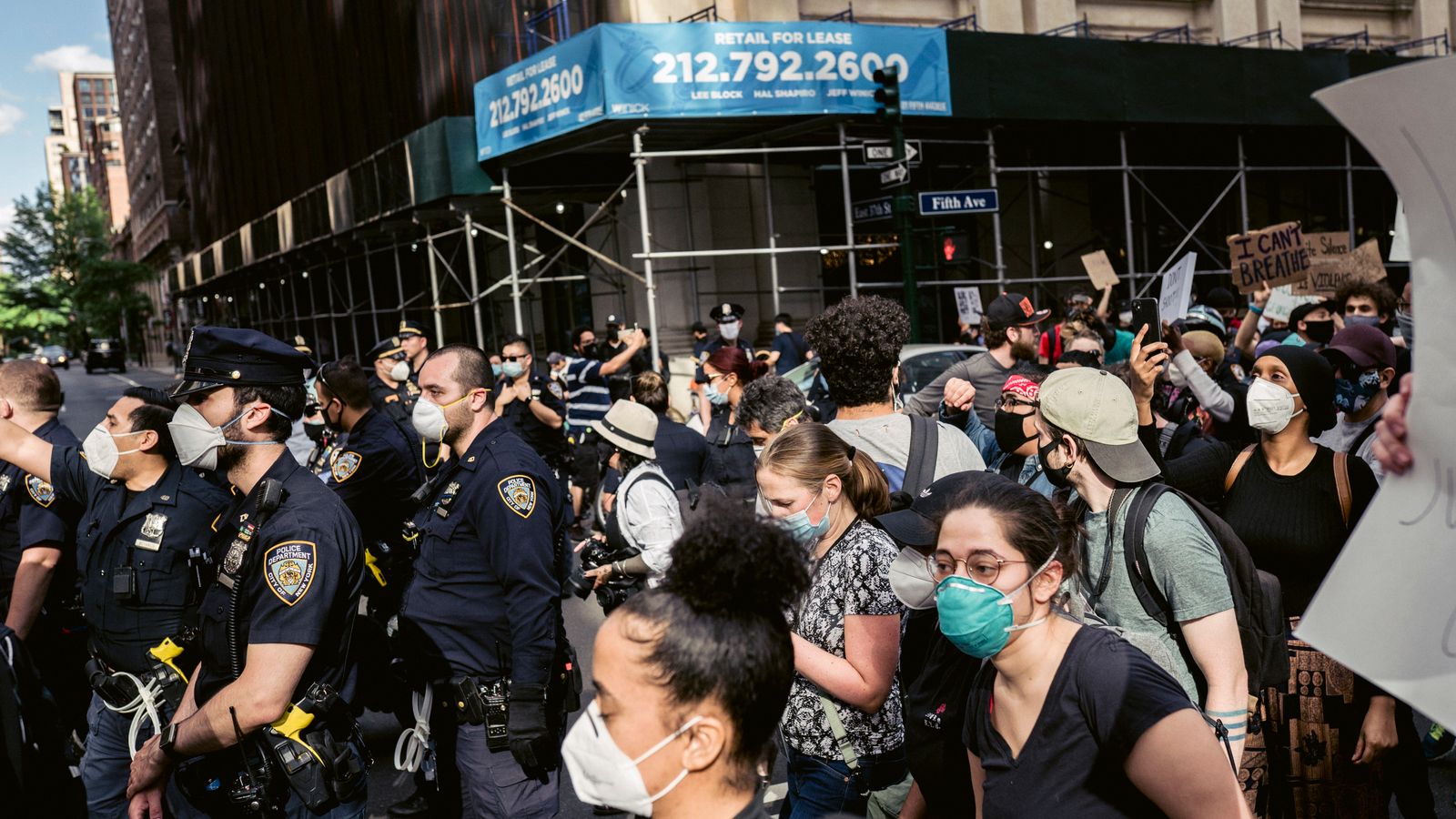
Demonstrators with face masks gather for a protest against racial injustice.
The Expungement Gap
Fewer than 15 states with adult-use legalization have enacted automatic expungement statutes, and manual petition processes remain prohibitively slow. California's automatic expungement law, passed in 2018, cleared over 200,000 convictions by 2024. Illinois, New York, and New Jersey? They still process applications at rates that leave tens of thousands in legal limbo. Ohio legalized in 2023 but included no expungement mechanism in the ballot measure, forcing advocates to lobby the legislature separately.
The result is a two-tier system. Entrepreneurs with clean records access capital and licenses. Those with possession or low-level distribution convictions remain locked out by background-check requirements in most state licensing regimes.
Social Equity Programs Underfunded or Abandoned
Only six states have funded social-equity programs at levels exceeding $10 million annually, and several jurisdictions scrapped equity provisions after industry lobbying. Massachusetts launched its Social Equity Program in 2018 with technical assistance and priority licensing, but by 2025 fewer than 12% of licensed operators qualified as equity applicants. Michigan's equity framework was gutted in 2022 amendments that removed residency and ownership requirements.
New York's Office of Cannabis Management allocated $200 million for equity applicants, yet fewer than 40 equity dispensaries had opened by mid-2026, compared to over 150 provisional licenses issued to Conditional Adult-Use Retail Dispensaries.
For context on how these programs fit into broader reform efforts, see the CannIntel topic hub on Cannabis Social Justice and Equity.
Economic Barriers Persist Despite Legal Access
Lack of access to banking, 280E tax penalties, and high licensing fees create structural barriers that equity programs rarely address. Federal Schedule I classification under the Controlled Substances Act means equity applicants can't secure SBA loans, conventional mortgages, or business lines of credit. Illinois application fees for adult-use licenses exceeded $200,000 in 2020, pricing out most equity candidates despite a lottery system intended to level the playing field.
Even when equity applicants win licenses, they face operational costs 30-40% higher than established MSOs. Why? Lack of vertical integration and economies of scale.
Inconsistent Enforcement Complicates Equity Goals
Arrests for unlicensed sales and possession over legal limits continue to disproportionately impact Black and Latino communities in legal states. ACLU data shows that Black Americans are still arrested for cannabis offenses at 3.6 times the rate of white Americans in states with adult-use laws. New York City made over 1,200 arrests for unlicensed sales in 2025, most in neighborhoods where legal dispensaries remain scarce.
This remains unsettled. Some jurisdictions are moving toward civil penalties rather than criminal charges, but enforcement stays inconsistent across county lines.
What Advocates Are Demanding
National reform groups are pushing for federal expungement tied to rescheduling and mandatory equity funding in state legalization bills. The Last Prisoner Project estimates over 40,000 people remain incarcerated for federal cannabis offenses. Another 250,000 carry state-level convictions that block employment and housing. Advocates want automatic expungement language in any federal rescheduling or descheduling legislation, plus a 10% tax earmark for restorative justice programs.
Without these measures, legalization remains incomplete — a market reform that profits new entrants while leaving the War on Drugs' casualties behind.
Frequently asked questions
What is automatic expungement in cannabis legalization?
Automatic expungement clears prior cannabis convictions without requiring individuals to file petitions. California's law cleared over 200,000 records by 2024, but most states still use slow manual processes that leave applicants waiting years.
Why do social-equity programs fail to help most applicants?
Underfunding, lack of access to capital, and structural barriers like 280E tax penalties and banking restrictions prevent equity applicants from competing. High licensing fees and operational costs also price out most candidates despite lottery systems.
Are arrests for cannabis still happening in legal states?
Yes. Arrests for unlicensed sales and possession over legal limits continue, disproportionately impacting Black and Latino communities. New York City made over 1,200 arrests for unlicensed sales in 2025, mostly in underserved neighborhoods.
What is 280E and how does it affect equity applicants?
280E is an IRS code that prohibits cannabis businesses from deducting normal business expenses, raising effective tax rates to 70% or higher. Equity applicants without vertical integration or economies of scale face 30-40% higher operational costs as a result.
Sources
The cannabis newsletter you forward to your team.
Federal policy, market data, grower alerts, and the one story that matters today. Sent every weekday at 7am. Free.
No spam. Unsubscribe with one click. 21+ only.
Related from Laws

Nebraska Medical Cannabis Commission Sets Application, Licensing Fees
The commission advanced a fee structure for cultivators, processors, and dispensaries as the state prepares to launch its medical program.

Oklahoma THC Potency Inflation Persists as State Lab Opening Stalls
Lab shopping and inflated cannabinoid results continue unchecked while Oklahoma's regulatory testing facility remains unopened.

D.C. Circuit Weighs Whether DEA Rescheduling Violated Separation of Powers
Oral arguments today revisit a 2015 Yale Law Journal warning that executive control over drug scheduling had eroded constitutional boundaries.
More from the newsroom
Rantoul Places Cannabis Dispensary Question on November Ballot
Illinois village residents will vote on whether to permit adult-use cannabis retail alongside governance structure changes.

Cannabist Co. Closes Denver Facility, Lays Off 50 Workers
The multi-state operator shuttered its Colorado cultivation site as part of ongoing operational restructuring.

Pentagon Bars Military Cannabis Use Despite Federal Rescheduling
Defense Department reaffirms zero-tolerance policy for service members even as DEA moves marijuana to Schedule III.