Morris County Announces Arrests in Large-Scale Smoke Shop Sweep
Law enforcement arrested multiple individuals following coordinated raids on unlicensed retailers across New Jersey's Morris County.
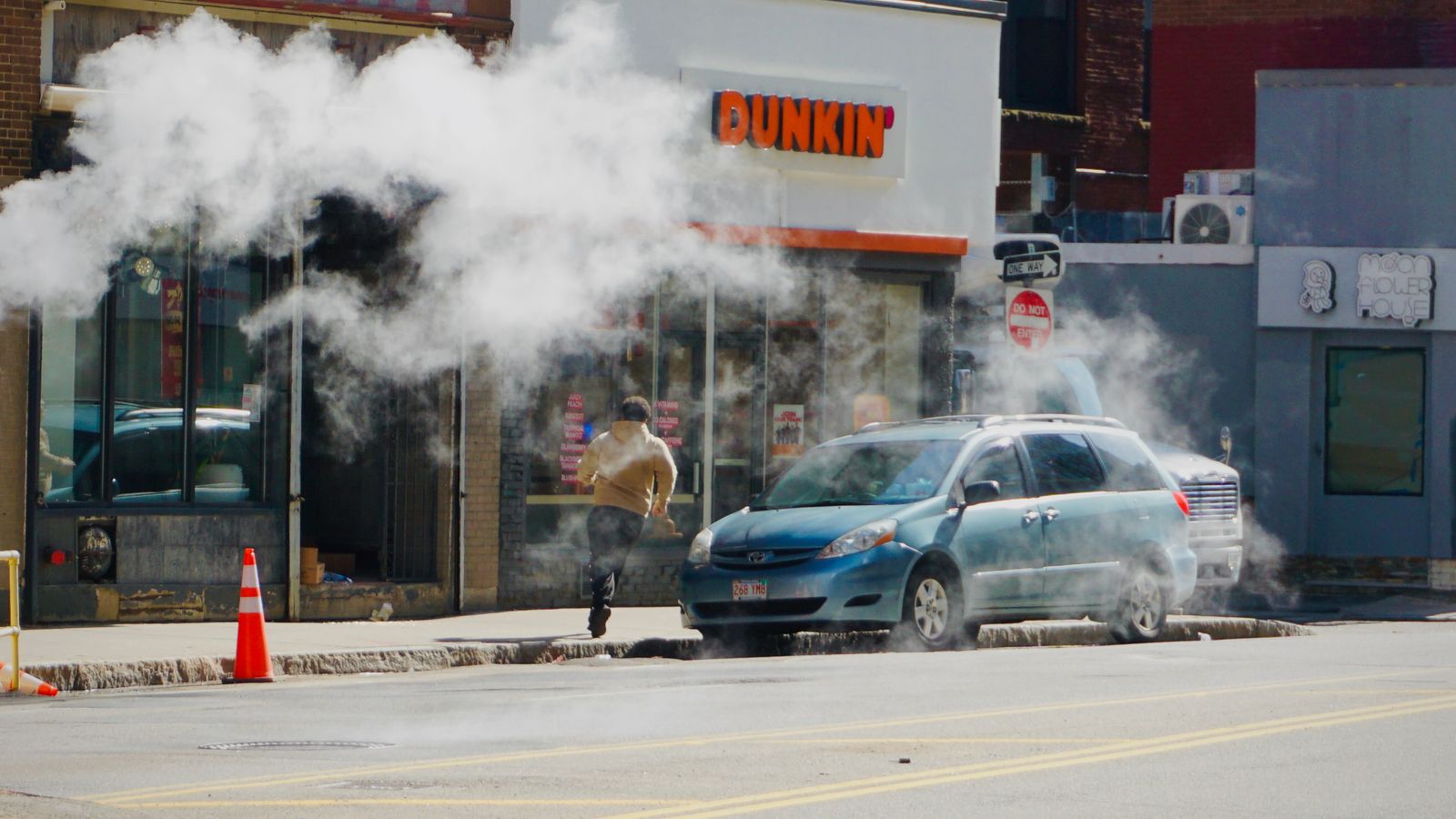
Urban street scene showing steam rising near a parked car by a Dunkin' shop, person walking away.
Coordinated Enforcement Action
Morris County authorities executed a multi-location operation targeting unlicensed smoke shops selling cannabis products outside New Jersey's regulated market. The announcement came July 13 from county law enforcement. It marks one of the larger coordinated actions against illicit retailers in the region this year.
Officials didn't release the names of arrested individuals or the number of locations raided. The lack of detail is consistent with ongoing investigations where prosecutors typically withhold specifics until formal charges are filed in Superior Court.
New Jersey's Unlicensed Retail Problem
New Jersey has struggled with widespread unlicensed cannabis sales since adult-use legalization took effect in April 2022. Smoke shops and convenience stores across the state have openly sold delta-8 THC, THCA flower, and unregulated vape cartridges—products that exist in a legal gray area or violate state cannabis statutes outright.
Only state-licensed dispensaries may sell adult-use cannabis, according to repeated statements from the New Jersey Cannabis Regulatory Commission. Enforcement, however, falls to local police and county prosecutors. Morris County's action follows similar sweeps in Bergen County and Hudson County earlier this year.
Regulatory and Criminal Exposure
Operators of unlicensed smoke shops face both civil penalties from the CRC and criminal charges including distribution of controlled substances. New Jersey statute 2C:35-5 criminalizes the distribution of marijuana outside the licensed framework, carrying penalties up to 18 months in county jail for smaller-scale operations.
Civil fines can reach $10,000 per violation, and prosecutors have increasingly pursued criminal charges rather than administrative penalties alone.
Whether seized products will be tested for contaminants or mislabeling remains unclear. The Morris County Prosecutor's Office hasn't indicated its plans, though testing is a common step in similar cases.
Industry and Consumer Impact
Licensed cannabis operators have pushed for aggressive enforcement. They argue that unlicensed retailers undercut compliant businesses and expose consumers to untested products. New Jersey's legal market generated $314 million in sales during Q1 2026, but industry groups estimate unlicensed sales remain two to three times larger.
Consumer safety is the other concern. Unregulated vape cartridges have been linked to lung injuries in multiple states. THCA flower sold in smoke shops is rarely lab-tested for pesticides or heavy metals.
What Happens Next
Morris County authorities are expected to release formal charging documents within 48 hours. For background on New Jersey's enforcement landscape and the legal framework around unlicensed sales, see the CannIntel topic hub on smoke shop enforcement.
Watch for this: whether prosecutors pursue felony distribution charges or settle for misdemeanor possession-with-intent. That distinction will set the tone for future enforcement statewide.
Frequently asked questions
What charges do unlicensed smoke shop operators face in New Jersey?
Operators face criminal distribution charges under N.J.S. 2C:35-5, carrying up to 18 months in county jail, plus civil fines up to $10,000 per violation from the Cannabis Regulatory Commission. Prosecutors increasingly pursue criminal charges rather than administrative penalties alone.
Why are smoke shops targeted if they sell delta-8 and THCA?
Delta-8 THC and THCA flower occupy a legal gray area, but New Jersey law restricts all cannabis sales to state-licensed dispensaries. Many products sold in smoke shops are unregulated, untested, and marketed in ways that violate state cannabis statutes.
How large is New Jersey's unlicensed cannabis market?
Industry groups estimate unlicensed sales are two to three times larger than the legal market, which generated $314 million in Q1 2026. Unlicensed retailers undercut licensed operators and avoid the testing, tax, and compliance costs required in the regulated system.
What happens to products seized in smoke shop raids?
Seized products are typically held as evidence and may be tested for contaminants, mislabeling, or controlled substances. In past cases, prosecutors have used lab results to support criminal distribution charges and demonstrate consumer-safety violations.
Sources
The cannabis newsletter you forward to your team.
Federal policy, market data, grower alerts, and the one story that matters today. Sent every weekday at 7am. Free.
No spam. Unsubscribe with one click. 21+ only.
Related from Laws

Ohio Judge Blocks Hemp THC Cap on Dormant Commerce Clause Grounds
A federal court halted Ohio's 0.3% total-THC limit for hemp products, finding it likely violates interstate commerce protections.

NORML Intern Draws Parallels Between Alcohol, Cannabis Prohibitions
Summer intern Caroline Breen outlines structural failures shared by both 20th-century prohibitions in policy analysis.

Jamaica State Minister Defends Deliberate Cannabis Reform Approach
Government official characterizes industry restructuring as measured and focused on local stakeholder interests.
More from the newsroom

Curaleaf Eyes Spain's New Cannabis Framework for EU Pharma Push
The MSO is positioning its European subsidiaries to capitalize on Spain's regulatory shift toward medicinal cannabis.

Small Minnesota City Pauses Funding for Government-Owned Dispensary
A Minnesota municipality has suspended capital allocations for its planned public-sector cannabis retail facility amid budget concerns.

New York Unveils Cannabis Education Resources for Schools
State releases curriculum guides and teacher training materials as districts grapple with youth prevention in adult-legal market.