Medical Cannabis Inhalation Bans Remain in Seven States Despite Evidence
Seven states prohibit medical cannabis patients from smoking flower, forcing reliance on costlier alternatives.
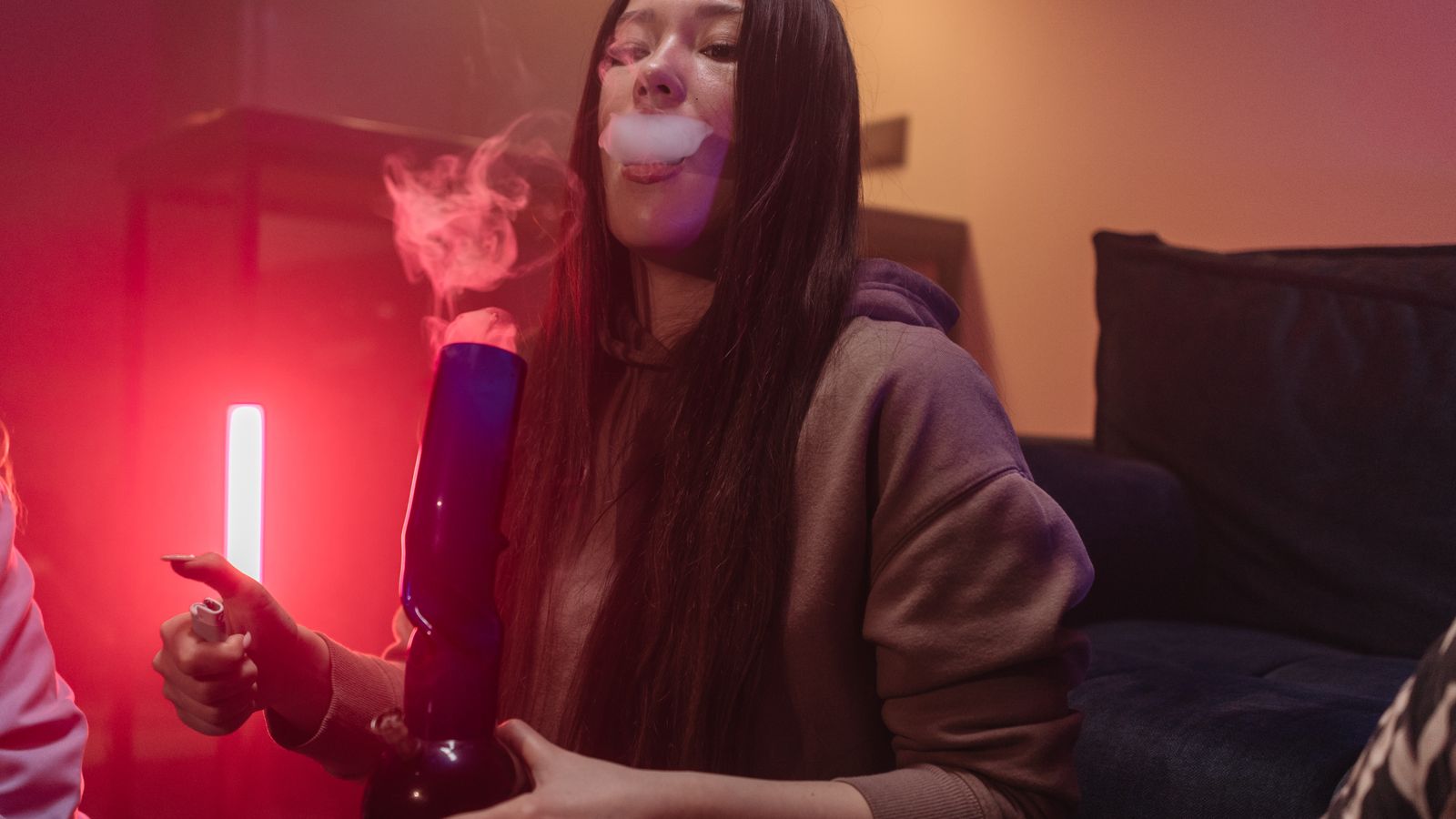
A young woman smokes with a bong in a dimly lit room featuring neon lighting.
States Maintain Inhalation Bans Amid Cost Disparities
Seven states—Arkansas, Florida, Louisiana, Minnesota, Ohio, Pennsylvania, and West Virginia—prohibit medical cannabis patients from purchasing or possessing smokable flower under current statute. The bans were enacted during initial program rollouts, often as political compromises to secure legislative passage. Arkansas voters approved medical cannabis in 2016 via ballot initiative, but the implementing statute restricted consumption to non-smokable forms. Florida's constitutional amendment, also passed in 2016, was interpreted by the legislature to exclude smoking until a 2019 statute partially lifted the ban for non-pulmonary routes.
Pennsylvania's Medical Marijuana Act, signed in 2016, explicitly lists approved forms—pills, oils, topicals, tinctures, and liquids for vaporization—but excludes "plant form for smoking." Ohio's 2016 law similarly omitted combustible flower from its approved product list. Louisiana restricts patients to metered-dose inhalers and non-smokable preparations under rules finalized in 2019.
Minnesota's Office of Medical Cannabis has maintained a no-combustion policy since the program launched in 2015, citing workplace and public-health concerns. West Virginia's Medical Cannabis Act, effective 2019, allows vaporization. It bars smoking.
Price Gap Forces Patients Toward Gray Markets
Patients in ban states pay 40-70% more for equivalent doses compared to flower, according to dispensary price surveys conducted in Q3 2026. In Pennsylvania, a 30-day supply of THC via cartridges or tinctures averages $420, versus $180 for flower in neighboring New Jersey. Ohio patients report similar disparities: a 500mg vape cartridge retails for $55-70, while an eighth-ounce of flower (roughly equivalent in total cannabinoid content) costs $30-40 in Michigan dispensaries.
The cost differential isn't trivial for patients on fixed incomes or managing chronic conditions requiring daily use. Many report rationing doses or turning to unregulated sources.
Advocacy groups including the Marijuana Policy Project and NORML have documented patient complaints in legislative testimony. In Arkansas, the Department of Health received 1,200 public comments in 2023 requesting smokable flower access; the agency declined to amend rules, citing statutory language.
Legislative Efforts to Lift Bans Stall
Bills to authorize smokable flower have been introduced in five of the seven ban states since 2022, but none have reached a floor vote. Pennsylvania House Bill 1024, filed in March 2025 by Rep. Dan Frankel (D-Allegheny), would add "dried flower" to the approved forms list. The bill remains in the Health Committee. Ohio Senate Bill 9, introduced in January 2026 by Sen. Steve Huffman (R-Tipp City), proposed similar language but died in committee in June.
Florida's partial lift in 2019—allowing smoking for patients who opt in and whose physicians certify it—resulted from a lawsuit filed by patients and advocacy groups. The settlement permitted smoking but maintained a 2.5-ounce biweekly purchase cap and required separate physician authorization. Minnesota lawmakers considered a smoking provision in 2024 but removed it from the final omnibus health bill after opposition from the Minnesota Medical Association.
Regulatory Arguments Against Combustion
State health agencies cite workplace safety, secondhand exposure, and federal scheduling as rationales for maintaining bans. Pennsylvania's Department of Health stated in 2023 that "combustion introduces carcinogens and particulates inconsistent with a medical program." The Ohio Board of Pharmacy has referenced federal DEA guidance discouraging smoked botanical cannabis in clinical settings.
Patient advocates counter that vaporization and edibles carry their own risks. Delayed onset with edibles complicates dosing, and cartridge hardware failures have led to product recalls in multiple states. Flower allows patients to titrate doses in real time and avoids additives used in some concentrate formulations.
What Comes Next for Inhalation Access
No state legislature has scheduled a vote on inhalation-ban repeal for the remainder of 2026. Advocates in Pennsylvania and Ohio are focusing on 2027 session filings, with renewed emphasis on cost equity and patient choice. Minnesota's newly appointed Cannabis Management Office director has signaled openness to revisiting the combustion ban as part of a broader program review scheduled for Q1 2027.
For full background on this story, see the CannIntel topic hub on medical cannabis inhalation laws. The next legislative test will come in January when Pennsylvania's House Health Committee reconvenes and decides whether to advance HB 1024.
Sources
The cannabis newsletter you forward to your team.
Federal policy, market data, grower alerts, and the one story that matters today. Sent every weekday at 7am. Free.
No spam. Unsubscribe with one click. 21+ only.
Related from Laws
Idaho lawmakers advance constitutional amendment blocking cannabis
Proposed ballot measure would enshrine prohibition in state constitution, requiring supermajority to reverse.

New York's Highest Court to Hear Marijuana Odor Search Case Next Week
The Court of Appeals will decide whether cannabis odor alone justifies warrantless vehicle searches under state law.

Florida Proposes $146,000 License Fee in Permanent MMTC Framework
State regulators released draft rules setting five-day application windows and six-figure entry costs for medical cannabis operators.
More from the newsroom
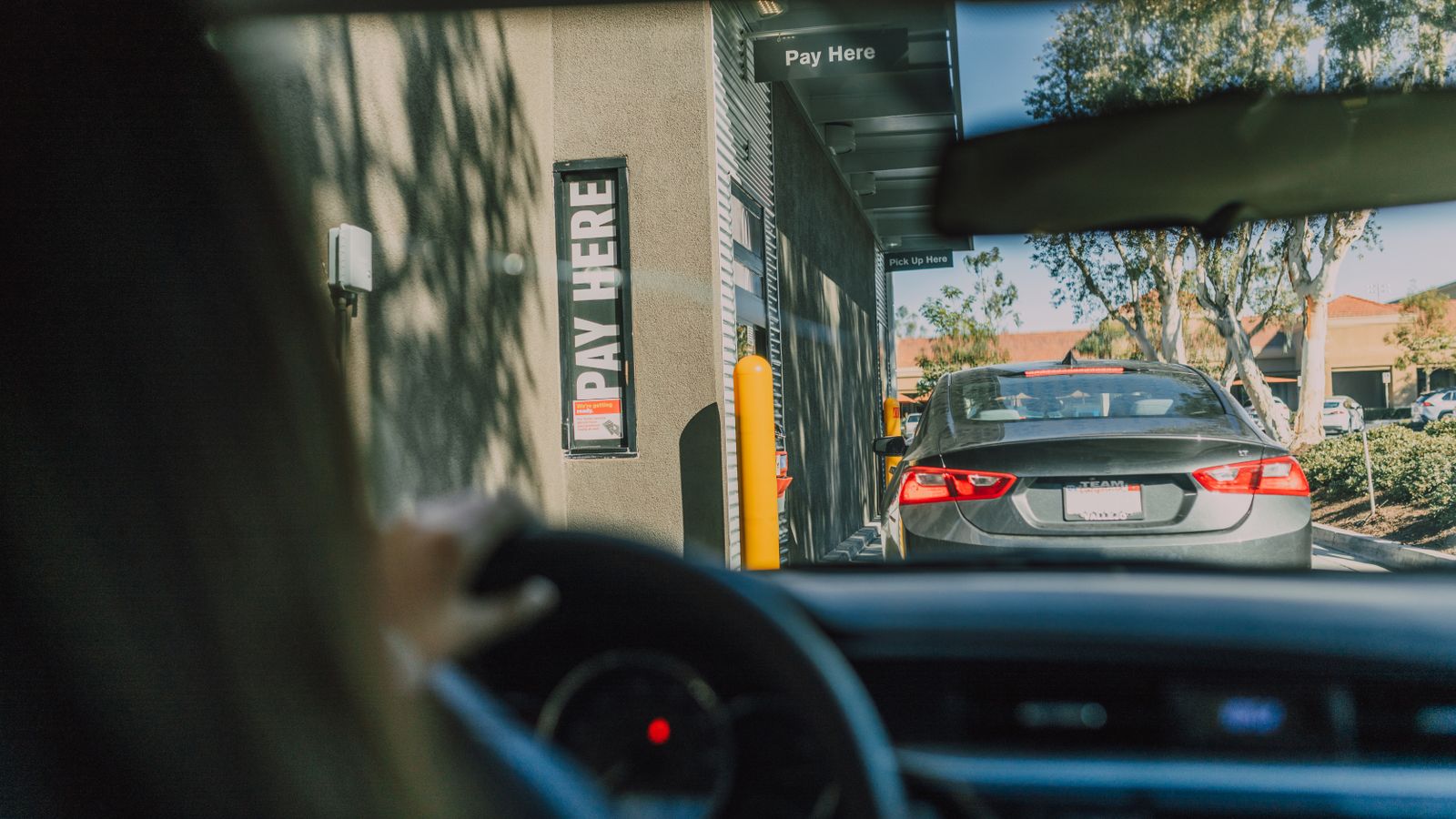
Woodstock Dispensary Launches Drive-Thru After Illinois Law Change
A Woodstock cannabis retailer became one of Illinois's first drive-thru operators after state lawmakers authorized the service model in 2026.
Netherlands Cannabis Experiment Lowers Prices, Adds Variety Without Increasing Use
Government report finds regulated supply chain reduced coffeeshop prices by 25% while consumption rates held steady.

Lagos food-safety agency partners with NDLEA on cannabis edibles
LASCOPA and Nigeria's narcotics bureau launch joint enforcement targeting THC-infused snacks and beverages.