Idaho lawmakers advance constitutional amendment blocking cannabis
Proposed ballot measure would enshrine prohibition in state constitution, requiring supermajority to reverse.
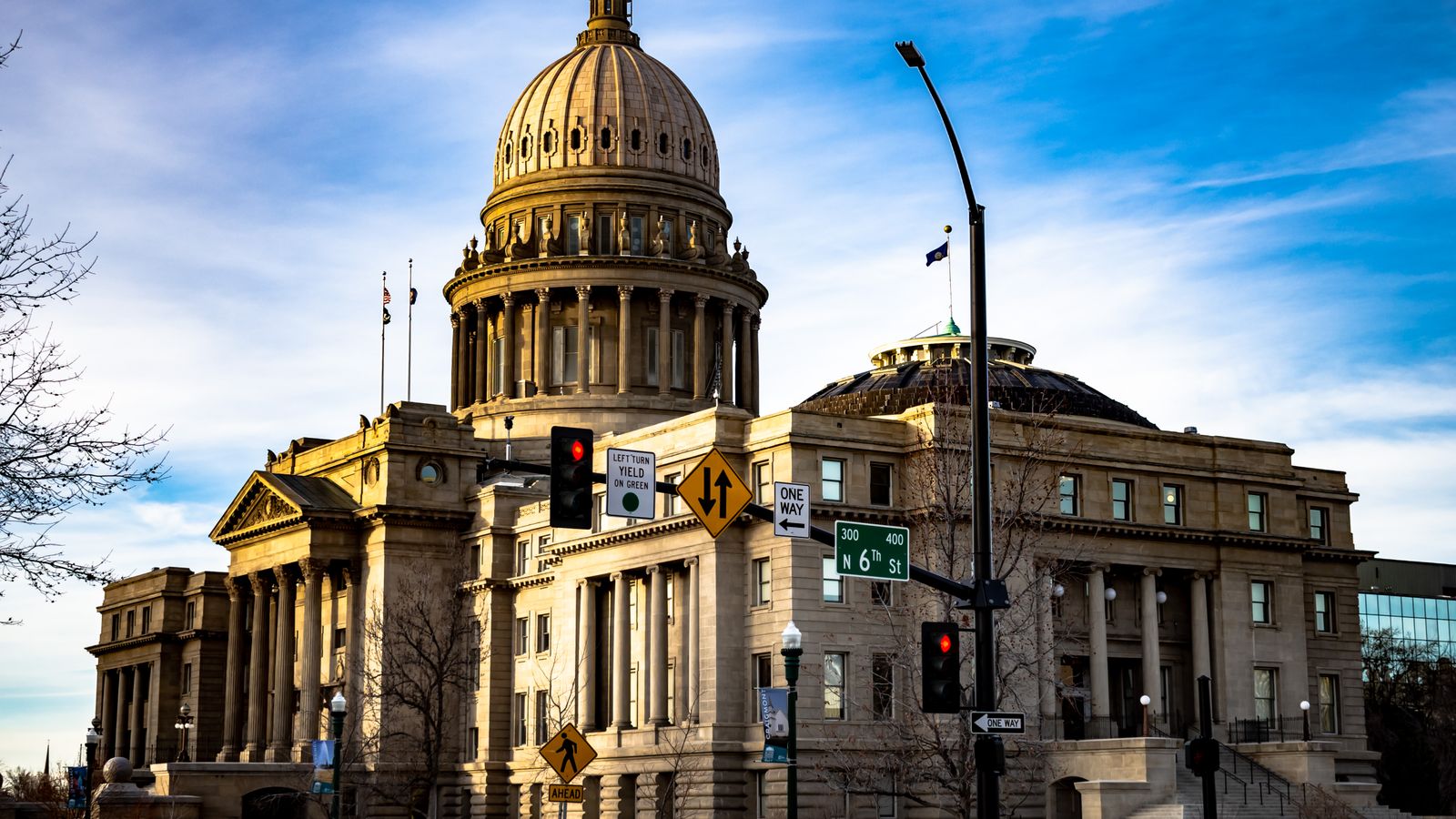
The Idaho State Capitol building in Boise captured during the day with clear skies.
Constitutional Lock on Cannabis Prohibition
The proposed amendment would elevate Idaho's cannabis ban from statute to constitutional text, making future legalization efforts exponentially harder. Under current Idaho law, cannabis remains a Schedule I controlled substance prohibited for all uses. The constitutional amendment would codify that prohibition at the foundational governance level, requiring not just a simple legislative majority but a two-thirds supermajority in both chambers plus statewide voter approval to undo.
Read it as preemption. Idaho lawmakers watch neighboring states—Montana, Oregon, Washington, Nevada—operate regulated adult-use markets while Idaho arrests residents for possession. Rather than defend the statutory ban session after session, the legislature's attempting to lock the door constitutionally.
Political Calculus Behind the Amendment
Proponents frame the measure as protecting Idaho values; opponents call it an overreach that strips future voters of policy flexibility. The amendment doesn't appear on the November 2026 ballot. Earliest possible vote: 2027 or 2028, depending on legislative session timing and referral deadlines.
Idaho remains one of three states with no legal cannabis pathway whatsoever. No medical program. No CBD carve-out beyond federal hemp law. No decriminalization. Possession of any amount is a misdemeanor; repeat offenses and larger quantities trigger felony charges.
Border-State Pressure and Revenue Leakage
Idaho residents are crossing state lines to purchase cannabis legally in neighboring jurisdictions, bleeding consumer dollars and tax revenue out of state. Oregon's eastern counties report significant Idaho customer traffic at dispensaries near the Snake River border. Washington's Spokane-area retailers serve Coeur d'Alene and Lewiston shoppers. Montana legalized adult use in 2020 and launched sales in 2022.
Revenue argument's straightforward. Idaho forgoes an estimated $45 million to $60 million in annual cannabis tax revenue that neighboring states collect. That figure's based on per-capita consumption models applied to Idaho's 1.9 million population and adjusted for cross-border leakage.
Supermajority Threshold Raises Reversal Bar
A two-thirds legislative vote is a materially higher bar than the simple majority required to pass or repeal a statute. Idaho's legislature leans conservative, but polling data from 2024 showed 58 percent of Idaho voters support medical cannabis legalization. Adult-use legalization polled at 48 percent support statewide, with higher support in urban counties.
This constitutional amendment strategy mirrors tactics used in other prohibition states. Nebraska voters in 2022 rejected a similar constitutional lock. South Dakota has fought multiple ballot-measure battles over cannabis, with courts invalidating one citizen-led constitutional amendment on procedural grounds.
For full background on this story, see the CannIntel topic hub on Idaho Cannabis Prohibition.
What Happens Next
The amendment must clear committee, pass both legislative chambers by two-thirds, and then go to voters for ratification. Legislative session calendar will determine the earliest possible ballot date. If the amendment reaches voters and passes, Idaho's constitution would explicitly prohibit cannabis, making the state an outlier even among conservative states that've adopted medical programs.
Next signal: whether the amendment secures the two-thirds vote in committee. If it does, expect a floor vote by late 2026 or early 2027. If it fails in committee, the statutory ban remains in place but vulnerable to future legislative reversal by simple majority.
Sources
The cannabis newsletter you forward to your team.
Federal policy, market data, grower alerts, and the one story that matters today. Sent every weekday at 7am. Free.
No spam. Unsubscribe with one click. 21+ only.
Related from Laws

Medical Cannabis Inhalation Bans Remain in Seven States Despite Evidence
Seven states prohibit medical cannabis patients from smoking flower, forcing reliance on costlier alternatives.

New York's Highest Court to Hear Marijuana Odor Search Case Next Week
The Court of Appeals will decide whether cannabis odor alone justifies warrantless vehicle searches under state law.

Florida Proposes $146,000 License Fee in Permanent MMTC Framework
State regulators released draft rules setting five-day application windows and six-figure entry costs for medical cannabis operators.
More from the newsroom

Woodstock Dispensary Launches Drive-Thru After Illinois Law Change
A Woodstock cannabis retailer became one of Illinois's first drive-thru operators after state lawmakers authorized the service model in 2026.
Netherlands Cannabis Experiment Lowers Prices, Adds Variety Without Increasing Use
Government report finds regulated supply chain reduced coffeeshop prices by 25% while consumption rates held steady.

Lagos food-safety agency partners with NDLEA on cannabis edibles
LASCOPA and Nigeria's narcotics bureau launch joint enforcement targeting THC-infused snacks and beverages.