Massachusetts CCC advances overhaul of cannabis testing rules
The Cannabis Control Commission moved forward on revisions to lab testing requirements after sustained pressure from licensed operators; details of the changes remain limited.

Scientist in protective gear handling powder sample in a sterile lab environment.
What the commission did
The Massachusetts Cannabis Control Commission advanced a rewrite of its cannabis testing rules on Nov. 12, according to State House News Service.
The report described the move as a response to an industry push for changes. The headline and summary available to CannIntel don't specify the vote count, the individual commissioners who spoke, or the regulatory text under review.
That gap matters. Until the commission posts the draft language, nobody can fully measure the scope of the overhaul.
Why testing rules are a pressure point
Testing requirements sit at the center of cost, speed and product quality for every licensed cultivator and manufacturer in the state.
Under the CCC's framework, independent testing laboratories analyze flower and infused products before they reach retail shelves. Operators have long argued that inconsistent lab results, failed batches and retesting delays tie up inventory and inflate costs.
Labs see it differently. They've defended strict protocols as the backstop for consumer safety. Both sides have a stake in how this rulemaking lands.
The industry push behind the move
State House News Service attributed the commission's action to pressure from the cannabis industry.
The source material doesn't name which operators, trade groups or laboratories pressed for the changes. CannIntel hasn't independently confirmed who lobbied the commission or what specific provisions they sought.
Industry petitions of this kind typically target potency variance between labs, action limits for contaminants and the procedures for retesting failed lots. Whether any of those are in play here hasn't been established by the available reporting.
What advancing a rule means procedurally
In Massachusetts, a commission vote to advance proposed regulations typically opens a path toward public comment and a final vote, not immediate enforcement.
Operators shouldn't treat the Nov. 12 action as a change to current obligations. Existing testing requirements remain in force until the commission finalizes any revisions and sets an effective date.
Watch for the filing of draft regulatory text, a public comment window and any scheduled hearing. Those documents will show what the CCC actually proposes to change.
What operators and labs should do now
Licensees and testing labs have a narrow window to shape the rules before they harden.
Compliance teams should pull the commission's posted agenda and meeting materials, then compare any draft language against current testing protocols. Labs should assess whether proposed method or limit changes would require new validation work or equipment.
Cultivators and product makers should flag batch-release timelines and retesting costs in any comment submission. Specific, documented operational data tends to carry more weight than general objections.
The broader regulatory picture
Massachusetts isn't alone in revisiting lab oversight, and testing integrity has drawn scrutiny in several mature adult-use markets.
States including California and Colorado have adjusted testing standards over time as labs, regulators and operators have contested accuracy and consistency. A Massachusetts rewrite would add to that patchwork and could influence how other regulators approach potency and contaminant rules.
Divergent state testing regimes add compliance overhead for multistate operators. A more predictable Massachusetts standard would be welcome news for them. Whether this overhaul delivers that? Unknown.
What remains unconfirmed
The core details of the overhaul, including the vote tally, the specific rule changes and the timeline, were not available in the source material reviewed.
CannIntel won't fill those gaps with speculation. This story will be updated when the commission releases its draft text and meeting records.
For full background on how the state's lab framework has evolved, see the CannIntel topic hub on Massachusetts cannabis testing rules.
The next signal is publication of the draft regulations and the opening of the public comment period. That's when the overhaul stops being a headline and becomes a compliance question.
Frequently asked questions
What did the Massachusetts Cannabis Control Commission do on Nov. 12?
According to State House News Service, the commission advanced an overhaul of its cannabis testing rules following an industry push. The reporting available to CannIntel did not detail the vote count or specific provisions.
Do the new testing rules take effect immediately?
No. Advancing proposed regulations typically starts a process that includes public comment and a final vote. Current testing requirements stay in force until the commission finalizes changes and sets an effective date.
Who pushed for the changes to testing rules?
State House News Service attributed the action to industry pressure, but the available reporting did not name specific operators, trade groups or laboratories. CannIntel has not independently confirmed who lobbied for the revisions.
How could the overhaul affect Massachusetts cannabis businesses?
Testing rules influence batch-release timelines, retesting costs and lab compliance. Until the draft text is published, the exact effects on cultivators, manufacturers and testing labs can't be determined.
Sources
The cannabis newsletter you forward to your team.
Federal policy, market data, grower alerts, and the one story that matters today. Sent every weekday at 7am. Free.
No spam. Unsubscribe with one click. 21+ only.
Related from Laws

Illinois moves to enforce new THC product rules, consumer protections
State action targets intoxicating hemp-derived THC products sold outside the licensed system, but the signal leaves the enforcing agency and penalties unspecified.

Illinois THC drink ban takes effect, leaving Evanston shelves bare
A state restriction on hemp-derived THC beverages is now in force, and Evanston retailers are reporting empty coolers where the products used to sit.
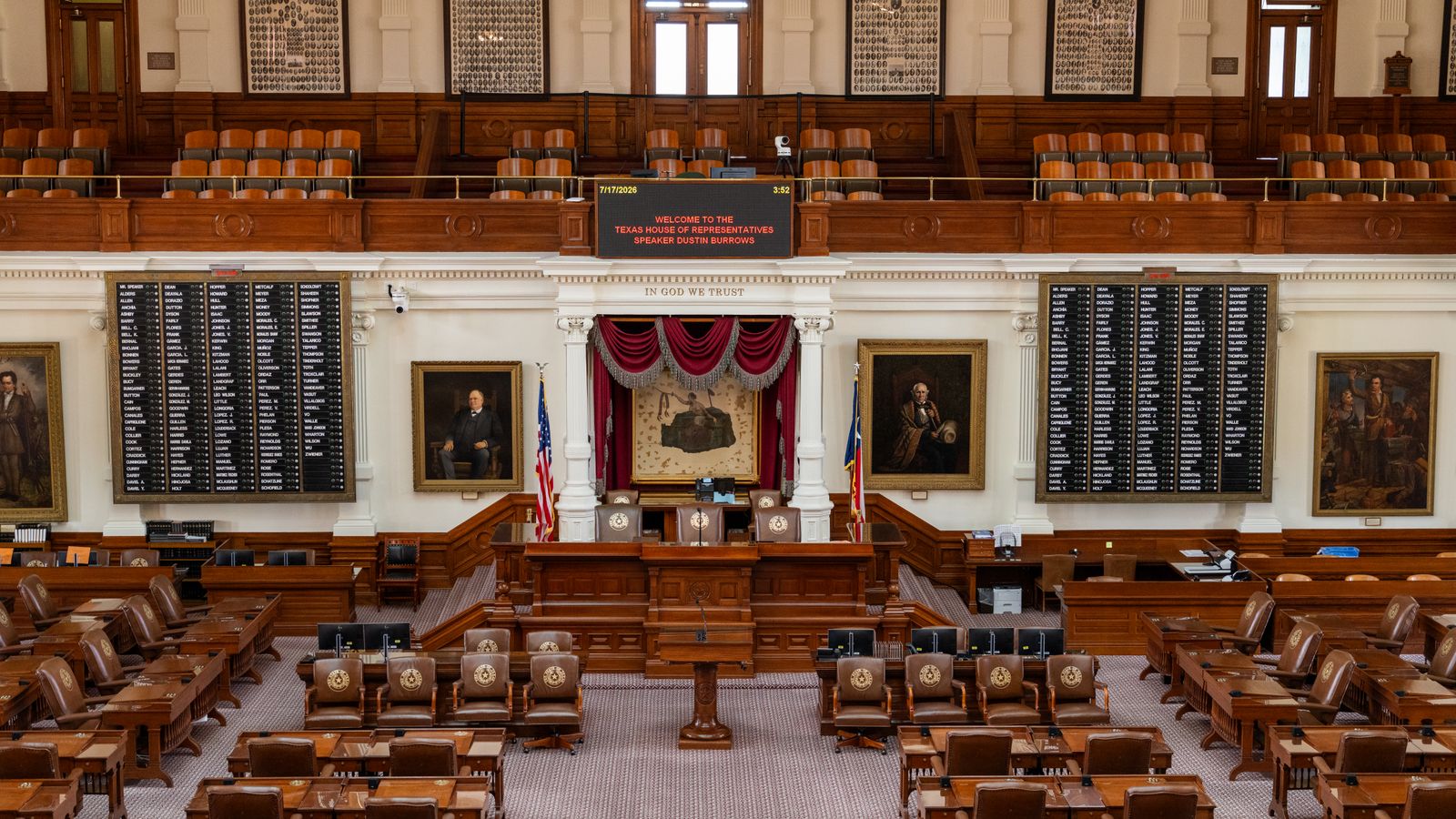
Texas Marijuana Legalization Gains Talk After Blue Wave, Obstacles Loom
Houston Public Media reports a Democratic surge has revived Texas legalization talk, but the legislative and constitutional math still stands in the way.
More from the newsroom

Maine caregivers report confusion over DEA cannabis reclassification
Licensed medical caregivers in Maine say federal rescheduling has left them without clear answers on what, if anything, changes for their operations.

Hinshaw's Chargo Weighs Cannabis M&A After Rescheduling
A Hinshaw & Culbertson partner is walking dealmakers through how a Schedule III move could reshape valuations, diligence and deal structure in the cannabis sector.

Wiz Khalifa to Headline MJBizCon 2026 With Keynote, Concert
The rapper-turned-brand-builder will speak on cannabis branding and perform live December 2 on MJBizCon's new expo-floor stage in Las Vegas.