Illinois THC drink ban takes effect, leaving Evanston shelves bare
A state restriction on hemp-derived THC beverages is now in force, and Evanston retailers are reporting empty coolers where the products used to sit.
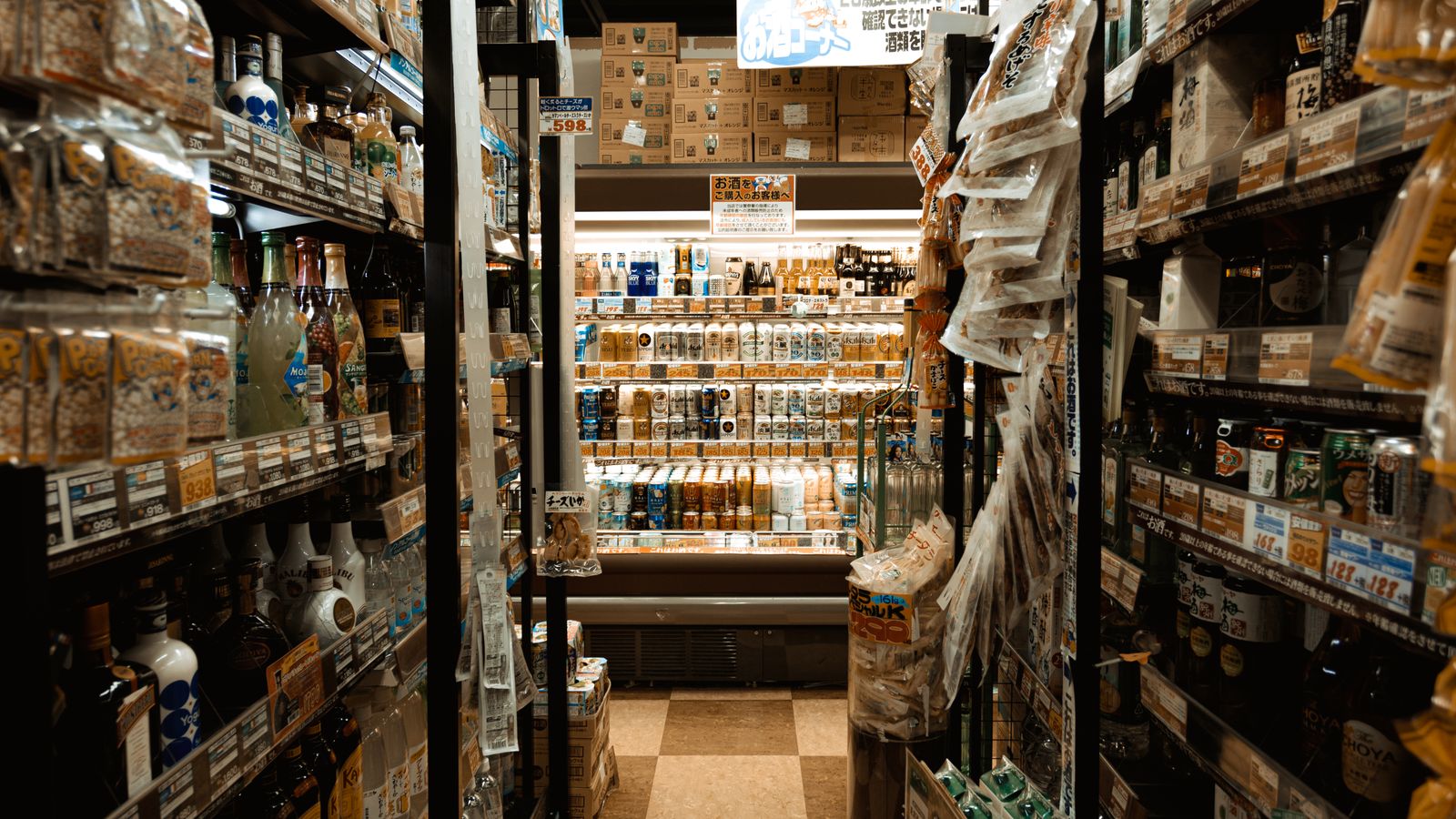
Explore a bustling Tokyo convenience store aisle packed with diverse products and merchandise.
Evanston coolers go empty as the state ban takes hold
Hemp-derived THC drinks have disappeared from Evanston retail shelves now that Illinois' statewide ban on the products is in effect.
The Evanston RoundTable reported on Nov. 12, 2026, that shelves that recently held the beverages stood empty as the restriction began. It's the clearest ground-level picture so far of how the rule is landing outside a state capitol.
A caveat on sourcing. The signal underlying this story is a headline and a short syndicated summary, not the full text of the RoundTable's reporting. CannIntel has not independently confirmed individual retailer names, inventory counts or sales figures, and none are cited here.
What the ban covers and who it reaches
The Illinois restriction targets hemp-derived THC beverages sold outside the state's licensed adult-use cannabis system.
These drinks are typically made with delta-9 THC extracted or synthesized from hemp, a crop legalized federally under the 2018 Farm Bill. They were sold at grocery stores, liquor stores, convenience stores and gas stations, so they reached shoppers who never set foot in a licensed dispensary.
The signal doesn't identify the statute, bill number or enforcing agency behind the Illinois action, and CannIntel won't guess at them. Readers tracking the legal mechanics should watch for the enforcing agency's guidance and any published compliance deadlines. We are updating the CannIntel topic hub on the hemp THC beverage ban as those details surface.
Why a local shelf check matters
Empty Evanston coolers show the ban is being obeyed at the retail level, not merely sitting on the books.
Compliance decides whether a ban changes a market or just changes its paperwork. Retailers pulling inventory without waiting for enforcement action suggests they judge the legal risk to outweigh the margin on the product.
That calculation isn't trivial. THC beverages carried strong margins for small retailers, and the drinks were among the fastest-moving additions to the cooler aisle in recent years. Losing the category costs those stores revenue they had built into their plans.
The Illinois adult-use channel stands to benefit
Licensed Illinois dispensaries are the obvious winners if consumers who bought hemp drinks shift to regulated products.
Illinois runs one of the larger adult-use markets in the Midwest, with a licensed supply chain subject to testing, packaging and tax rules that hemp-derived products largely avoided. Operators have long argued that the unlicensed hemp channel undercut them on price while skirting the compliance costs they carry.
Will displaced buyers actually migrate? Nobody knows yet. A shopper picking up a drink at a neighborhood store isn't the same customer as one who plans a dispensary trip, and some of that demand may simply vanish. Dispensary sales data over the coming quarters will be the test.
The federal backdrop keeps this unsettled
The Illinois ban lands amid a broader national reckoning over intoxicating hemp products that Congress has not resolved.
The 2018 Farm Bill defined hemp by a 0.3 percent delta-9 THC limit measured by dry weight. Beverage makers exploited that definition because a drink's total weight, mostly liquid, keeps the percentage low even when a can carries a meaningful milligram dose.
States have responded with a patchwork of bans, caps and licensing schemes rather than waiting on Washington. Illinois joins that group, and its move adds pressure on federal lawmakers who have yet to settle the product category. For producers shipping across state lines, that patchwork is hard to defend as sound policy.
What retailers and producers should do now
Retailers should treat the ban as binding and confirm exactly which products fall inside it before restocking anything.
Store owners who stocked hemp-derived drinks need written guidance from the enforcing agency, not rumor, on disposal, returns and any penalties for existing inventory. Producers with Illinois distribution face stranded product and contracts to unwind.
For now, the Evanston shelves tell the story plainly. The product is gone.
The next signal to watch is the enforcing agency's published guidance and any first enforcement actions, which will show how strictly Illinois intends to police the line.
Frequently asked questions
What happened to THC drinks in Evanston?
Hemp-derived THC beverages disappeared from Evanston retail shelves as Illinois' statewide ban took effect, according to the Evanston RoundTable's Nov. 12, 2026 report, which described the coolers as empty.
Are hemp-derived THC drinks the same as dispensary cannabis products?
No. Hemp-derived drinks were sold outside Illinois' licensed adult-use system, often at ordinary retail stores. Dispensary products come through a regulated supply chain with testing, packaging and tax requirements.
Why were hemp THC drinks legal before the ban?
The 2018 Farm Bill legalized hemp with no more than 0.3 percent delta-9 THC by dry weight. Because beverages are mostly liquid, drinks could meet that percentage while still delivering an intoxicating dose.
Does the ban affect licensed Illinois dispensaries?
The restriction targets hemp-derived products outside the licensed system. Dispensaries could see added demand if hemp-drink buyers shift to regulated products, though that shift is unconfirmed and depends on consumer behavior.
Sources
The cannabis newsletter you forward to your team.
Federal policy, market data, grower alerts, and the one story that matters today. Sent every weekday at 7am. Free.
No spam. Unsubscribe with one click. 21+ only.
Related from Laws
Texas Marijuana Legalization Gains Talk After Blue Wave, Obstacles Loom
Houston Public Media reports a Democratic surge has revived Texas legalization talk, but the legislative and constitutional math still stands in the way.

Sherrill Signs Bill Pushing NJ Intoxicating Hemp Ban Back a Month
New Jersey's Gov. Mikie Sherrill signed legislation delaying the state's ban on intoxicating hemp beverages by one month, according to Heady NJ, shifting a compliance deadline for retailers and brands.

Federal Rule Bars THC-O and Other Synthetic Cannabinoids in Hemp
Hemp products containing unnatural cannabinoids like THC-O are now federally prohibited, closing a gap that let acetylated and converted compounds ride the 2018 Farm Bill.
More from the newsroom

Hinshaw's Chargo Weighs Cannabis M&A After Rescheduling
A Hinshaw & Culbertson partner is walking dealmakers through how a Schedule III move could reshape valuations, diligence and deal structure in the cannabis sector.

Wiz Khalifa to Headline MJBizCon 2026 With Keynote, Concert
The rapper-turned-brand-builder will speak on cannabis branding and perform live December 2 on MJBizCon's new expo-floor stage in Las Vegas.

Verano Opens 88th Florida Dispensary at MÜV Daytona Beach
The MSO's Nov. 13 grand opening brings its Volusia County footprint to six stores and its national retail count to 165.