Texas Marijuana Legalization Gains Talk After Blue Wave, Obstacles Loom
Houston Public Media reports a Democratic surge has revived Texas legalization talk, but the legislative and constitutional math still stands in the way.
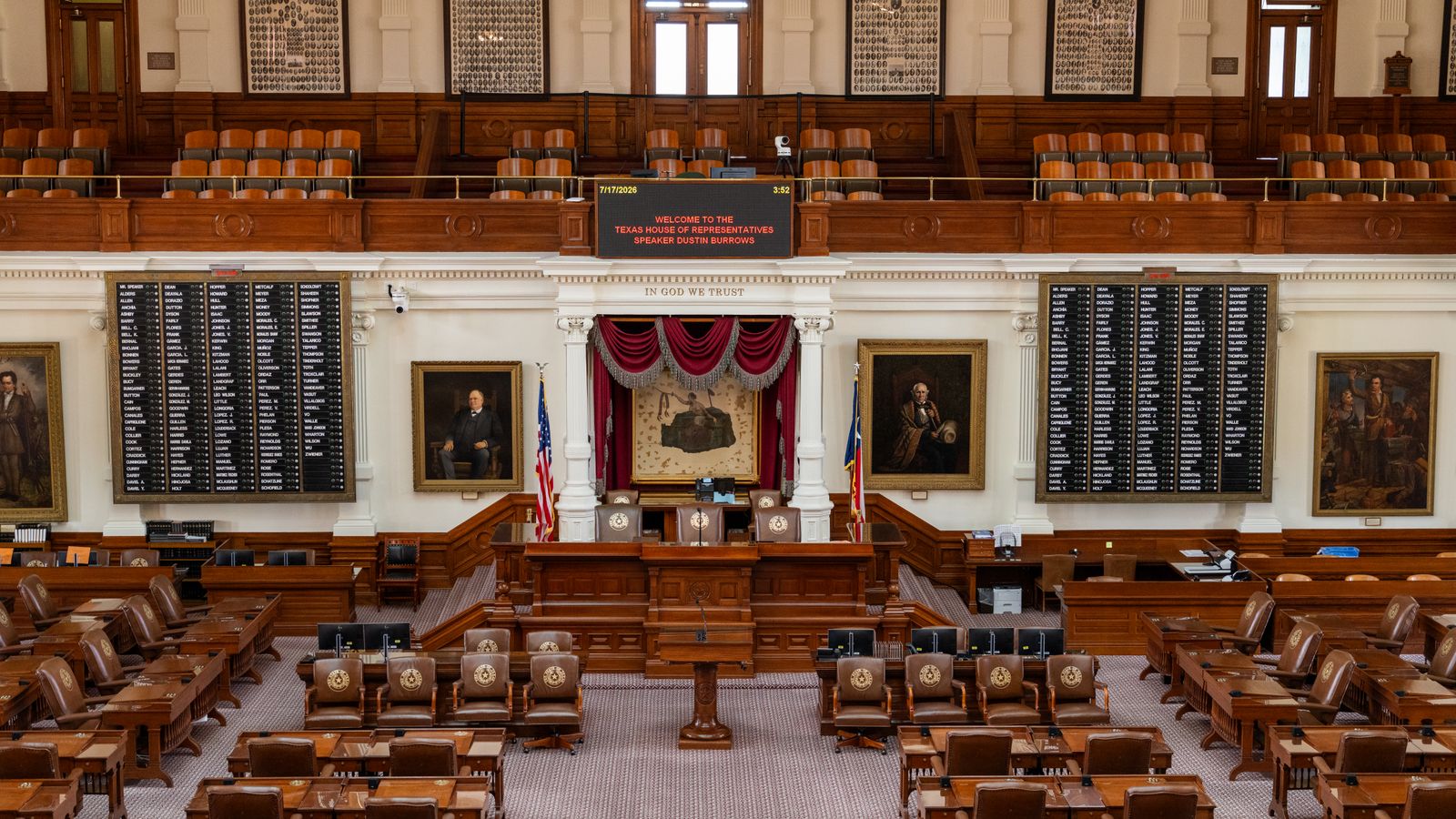
The Texas House of Representatives chamber, featuring legislative seats and historical portraits.
Election results reopen a long-shut door
A Democratic surge in November has revived the question of whether Texas could legalize adult-use cannabis, according to Houston Public Media.
The outlet's Nov. 12 report frames the shift as a possibility, not a done deal. That distinction matters. Texas has spent years as the largest state with no adult-use pathway, and a single election doesn't undo that history.
Here's the cleanest read on the story: momentum is not a mechanism. An election result changes the conversation. It doesn't change the statute book.
Texas still has no recreational market
Texas remains one of the biggest untapped cannabis markets in the country, with no adult-use sales on the books.
Any change would have to move through the Legislature. Unlike California or Colorado, Texas has no citizen ballot initiative process that voters can use to legalize cannabis directly. That structural fact shapes everything that follows.
The legislative path runs through Austin
Legalization would require a bill to clear both chambers and reach the governor, a sequence that has repeatedly stalled.
Texas lawmakers meet in regular session only every other year. Leadership controls the calendar and the committee gates, which means a bill can die without ever getting a floor vote. Operators eyeing the state should treat the biennial schedule as a hard constraint on any timeline.
Why the hurdles outlast the headlines
Political wins at the ballot box don't automatically translate into committee chairs, calendar control, or votes.
Houston Public Media's headline itself flags that hurdles remain. Those obstacles are procedural and political at once. Reaching a majority is one thing. Getting a bill to the floor is another matter entirely.
Not yet.
What it means for operators and investors
For multi-state operators, Texas is a watch-list market, not a budget line.
Capital put toward Texas adult-use buildouts ahead of statutory change would be speculative. The state's existing cannabis framework is narrow, and growing it into a full recreational market would take new licensing rules, a regulator and a tax structure. None of those exist today. Investors should price in years, not quarters. For full background on this story, see the CannIntel topic hub on Texas recreational marijuana legalization.
Neighboring states set the comparison
Texas would enter a regional landscape already shaped by adult-use programs in places such as New Mexico and Oklahoma's large medical market.
Border dynamics add pressure. Texans can already cross into New Mexico, where adult-use sales are legal. That leakage is a standard argument legalization advocates make. Whether it moves votes in Austin is the open question, and the signal data doesn't answer it.
Watch for bill filings ahead of the next regular session, and for whether leadership assigns any cannabis measure to a committee willing to hear it.
For complete background, history, and our ongoing coverage of this story:
Open the CannIntel topic hub →Frequently asked questions
Is recreational marijuana legal in Texas?
No. Texas has no adult-use cannabis market. Houston Public Media reported on Nov. 12, 2026 that legalization talk has grown after Democratic election gains, but hurdles remain and no change has been enacted.
Can Texas voters legalize marijuana through a ballot initiative?
No. Texas lacks a citizen initiative process for statutory changes, so legalization would have to pass through the Legislature and be signed by the governor.
When could Texas legalize recreational cannabis?
No timeline exists. Texas lawmakers meet in regular session every other year, and any bill must clear both chambers. Houston Public Media says hurdles remain even after the election shift.
Why does a Democratic blue wave matter for Texas cannabis policy?
It shifts the political conversation and could affect legislative dynamics. But it doesn't alter statute. Committee control, floor calendars, and the governor's signature still decide whether legalization advances.
Sources
The cannabis newsletter you forward to your team.
Federal policy, market data, grower alerts, and the one story that matters today. Sent every weekday at 7am. Free.
No spam. Unsubscribe with one click. 21+ only.
Related from Laws

Sherrill Signs Bill Pushing NJ Intoxicating Hemp Ban Back a Month
New Jersey's Gov. Mikie Sherrill signed legislation delaying the state's ban on intoxicating hemp beverages by one month, according to Heady NJ, shifting a compliance deadline for retailers and brands.

Federal Rule Bars THC-O and Other Synthetic Cannabinoids in Hemp
Hemp products containing unnatural cannabinoids like THC-O are now federally prohibited, closing a gap that let acetylated and converted compounds ride the 2018 Farm Bill.

Texas Officials Name Cannabis Reform a 2027 Session Priority
State officials told Marijuana Moment cannabis reform is a priority for the 2027 Texas legislative session and called hemp a 'saving grace' for farmers.
More from the newsroom

True Terpenes Opens Vape Safety Program to Outside Expert Review
The terpene supplier built a toxicology program for vape ingredients without a regulatory mandate, then invited an outside expert to audit it.

Cultivate Newsletter Questions Whether Capital Decides Consolidation Winners
A Nov. 12 MGRetailer newsletter item says an executive's restructuring experience points to factors beyond capital and technology in determining which cannabis firms survive.
Redecan to close Fenwick cannabis site in early 2027
The Ontario licensed producer plans to shut its Fenwick facility in early 2027, adding to a pattern of Canadian cultivation capacity being cut rather than built.