Iowa Governor-Elect Backs Alcohol-Style Cannabis Legalization
Iowa's incoming governor is pushing regulated adult-use cannabis modeled on alcohol and projecting hundreds of millions in yearly revenue, a sharp break for a state with no legal market.
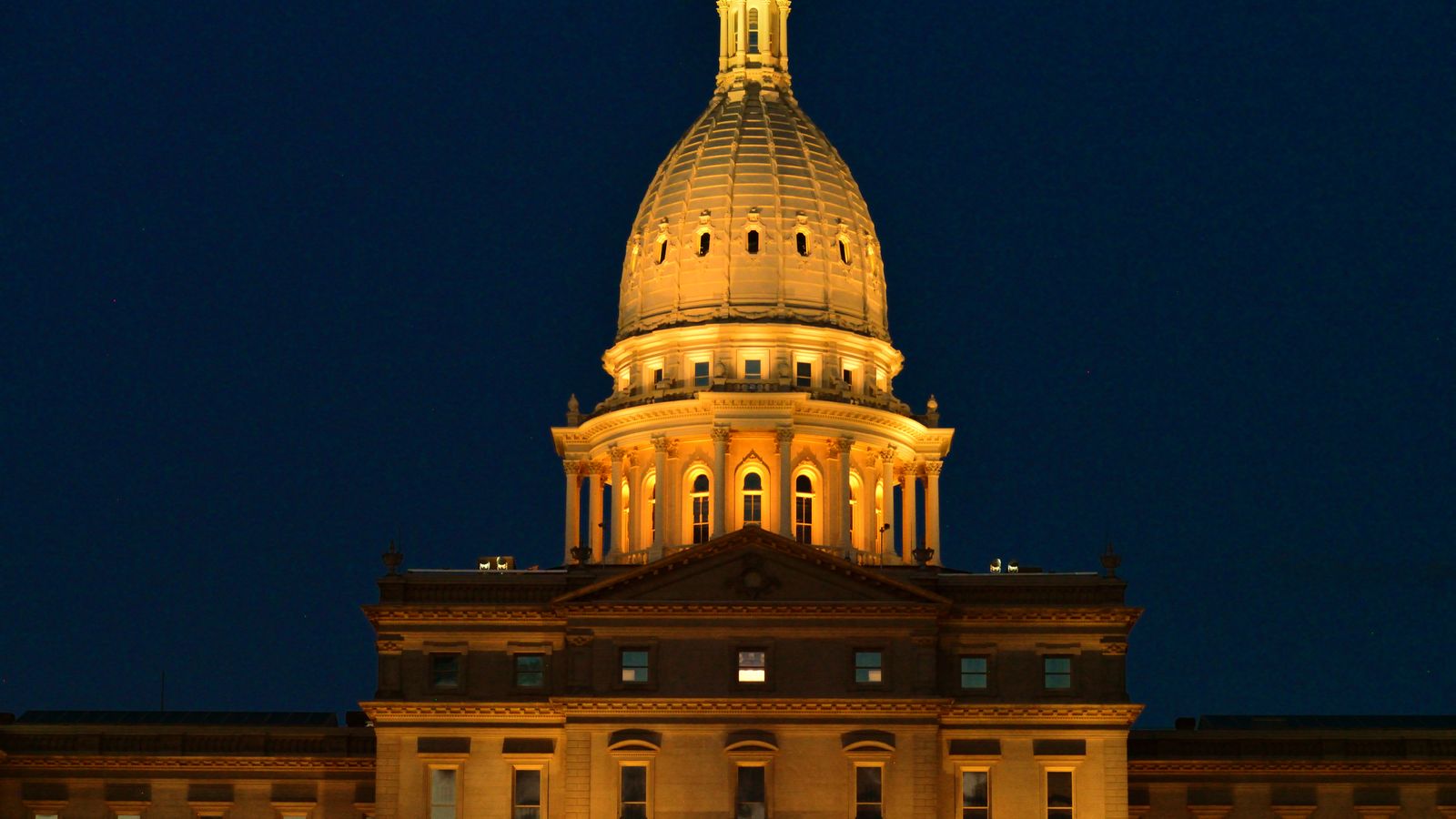
Night view of the beautifully lit Michigan State Capitol in Lansing, highlighting its architectural splendor.
The proposal and what's actually on the table
Iowa's governor-elect is publicly urging adult-use legalization under an alcohol-style regulatory model, with revenue projections in the hundreds of millions of dollars a year.
The signal, reported by The Marijuana Herald on Nov. 12, 2026, carries two verifiable claims: the call to legalize "like alcohol," and a revenue estimate described only as hundreds of millions annually. The report doesn't supply a bill number, a tax rate, or a licensing blueprint.
That gap matters. A headline revenue figure is a campaign-style talking point until it's tied to a tax structure, a license cap, and a retail footprint. The cleanest read on this announcement: it's a policy signal, not a policy.
CannIntel hasn't independently confirmed the revenue model behind the projection. Treat the figure as the governor-elect's framing until a modeled fiscal note exists.
Why the alcohol model is the tell
"Like alcohol" points toward a conventional licensed-retail structure, not a state-run monopoly or a home-grow-first approach.
To operators and investors, that phrasing usually signals three things:
- A tiered license system (cultivation, processing, retail) rather than vertical-only integration.
- Excise and sales taxes layered on top of existing state tax infrastructure.
- Regulation housed in an existing agency, likely the one that already oversees alcohol, rather than a new standalone cannabis authority.
Each of those choices shapes who profits. Alcohol-style systems tend to favor established distributors and well-capitalized entrants, and small craft operators get squeezed unless the statute carves out room for them.
It's also a messaging play. Alcohol is the one regulated vice Iowa voters already accept, and framing cannabis the same way lowers the temperature with skeptical lawmakers. Smart politics.
The hurdle: Iowa's legislature and its current program
Iowa has no adult-use market today, and a governor can propose legalization but cannot enact it without the legislature.
Iowa isn't a voter-initiative state for statutory changes, so adult-use legalization has to move through lawmakers. The governor-elect's leverage is real but limited. There's the bully pulpit, the budget request, and the veto. There aren't the votes.
Iowa's existing medical cannabis program is among the more restrictive in the country, and neighboring states have moved faster. Illinois and Minnesota both run adult-use markets, which gives reformers a cross-border argument: Iowa dollars are already funding other states' tax bases.
That argument is the strongest one in the revenue case. Border leakage is measurable, and it's the kind of data a fiscal note can actually quantify. For the full state-level history, see the CannIntel topic hub on Iowa cannabis legalization.
What operators and investors should watch next
The next signals are a draft bill, a fiscal note, and committee assignments, not the governor-elect's rhetoric.
Until those exist, there's nothing to underwrite. MSOs eyeing the Midwest will watch for a few specifics:
- License caps. A hard cap concentrates value in a few winners; an open-entry model compresses margins fast.
- Tax stack. Excise rates decide whether the legal market can undercut the illicit one. Overshoot and you replicate California's problem.
- 280E exposure. Any new state market still sits under the federal 280E tax penalty until rescheduling or reform changes the math for plant-touching operators.
- Social equity and local opt-outs. Municipal opt-out provisions can hollow out a market on paper.
Revenue is the headline that draws attention, but the statutory details will decide whether Iowa becomes a viable market or a cautionary tale about a thin program with high taxes and few stores.
Watch for the first filed bill and whether it carries a fiscal note. Until a number gets a tax rate attached, hundreds of millions is a ceiling, not a forecast.
Frequently asked questions
What did Iowa's governor-elect propose on cannabis?
According to The Marijuana Herald, the governor-elect called for legalizing cannabis and regulating it like alcohol, with projected annual revenue in the hundreds of millions of dollars. The report doesn't specify a bill number, tax rate, or license structure.
Can the governor legalize cannabis in Iowa on their own?
No. Adult-use legalization in Iowa has to pass through the legislature. The governor can propose policy, shape the budget, and veto bills, but cannot create an adult-use market unilaterally.
What does legalizing cannabis 'like alcohol' usually mean?
It typically means licensed cultivators, processors, and retailers, taxed through excise and sales taxes, and overseen by an existing regulator. It generally implies a conventional retail market rather than a state monopoly.
Is the hundreds-of-millions revenue estimate verified?
CannIntel hasn't independently verified it. The figure comes from the governor-elect's framing as reported by The Marijuana Herald, and no fiscal note or tax model has been published alongside it.
Sources
The cannabis newsletter you forward to your team.
Federal policy, market data, grower alerts, and the one story that matters today. Sent every weekday at 7am. Free.
No spam. Unsubscribe with one click. 21+ only.
Related from Laws

Illinois regulators begin enforcing new intoxicating THC limits
State enforcement of new restrictions on intoxicating hemp-derived THC products has started, putting retailers outside Illinois' licensed cannabis system on notice.

Massachusetts CCC advances overhaul of cannabis testing rules
The Cannabis Control Commission moved forward on revisions to lab testing requirements after sustained pressure from licensed operators; details of the changes remain limited.

Illinois moves to enforce new THC product rules, consumer protections
State action targets intoxicating hemp-derived THC products sold outside the licensed system, but the signal leaves the enforcing agency and penalties unspecified.
More from the newsroom

Maine caregivers report confusion over DEA cannabis reclassification
Licensed medical caregivers in Maine say federal rescheduling has left them without clear answers on what, if anything, changes for their operations.

Illinois THC drink ban takes effect, leaving Evanston shelves bare
A state restriction on hemp-derived THC beverages is now in force, and Evanston retailers are reporting empty coolers where the products used to sit.

Hinshaw's Chargo Weighs Cannabis M&A After Rescheduling
A Hinshaw & Culbertson partner is walking dealmakers through how a Schedule III move could reshape valuations, diligence and deal structure in the cannabis sector.