DEA Urges Judge to Wrap Up Marijuana Rescheduling Process
The DEA asked the judge overseeing marijuana rescheduling to finish the process and avoid side fights, Cannabis Business Times reported, as the Schedule III proposal nears its third year.

A view of a neoclassical government building with an American flag and cherry blossoms in Washington, DC.
DEA wants the rescheduling record closed, not widened
The DEA asked the judge handling the marijuana rescheduling case to wrap up the process, according to Cannabis Business Times.
That's the headline we can verify today. Cannabis Business Times reported Thursday that the agency is urging the judge to finish the proceeding and steer clear of what the outlet described as "prohibitionist bait." CannIntel hasn't independently reviewed the underlying filing. Details such as proposed deadlines or specific rulings requested sit with the original reporting.
The cleanest read on the move is that the DEA sees delay as the main threat to its own proposal. Detours keep marijuana in Schedule I.
Nothing about the proposal is new. The Justice Department and DEA published the notice of proposed rulemaking (NPRM) on May 21, 2024, to move marijuana to Schedule III of the Controlled Substances Act. That followed an August 2023 recommendation from the Department of Health and Human Services (HHS) to do the same.
More than two years on, the process is still open.
Why a fight over "bait" is really a fight over scope
The more issues a hearing takes on, the longer it runs, and opponents of rescheduling benefit from every extra month.
During its 2024 comment period, the rulemaking drew more than 40,000 public comments. A hearing before a DEA administrative law judge was meant to test the proposal, but it stalled in January 2025 before testimony began, amid disputes over who could participate and how.
The signal doesn't define "prohibitionist bait," so what follows is our interpretation. The likeliest meaning is that the DEA wants to keep the judge from reopening questions about marijuana's medical value and abuse potential, which HHS already weighed in its recommendation. Take those questions on and the record balloons. Leave them alone and the case stays narrow.
That's a sensible instinct for an agency that wants a final rule. It also underscores that the DEA, not the judge, largely controls how tightly it frames its own case. Opponents will argue a narrow record is a thin one, and that argument could resurface in court after any final rule.
For the broader timeline and prior filings, see the CannIntel topic hub on DEA rescheduling.
What Schedule III would and wouldn't change for operators
Schedule III would end Section 280E exposure for state-licensed marijuana businesses but wouldn't legalize adult-use sales or interstate commerce.
The money is in 280E. The Internal Revenue Code provision bars deductions for businesses trafficking in Schedule I and II substances. Move marijuana to Schedule III and multistate operators (MSOs) in states like California, Colorado and Ohio could deduct ordinary expenses for the first time, which would materially lower effective tax rates for many of them. Plenty of operators have already priced that relief into their forecasts.
What it wouldn't do matters just as much:
- State-licensed adult-use and medical programs would still conflict with federal law.
- Interstate transfers would remain barred.
- Banking relief wouldn't arrive automatically.
So the DEA's push is about speed, not finality. A final rule would still likely face legal challenges, and each month of delay is another month of 280E bills for operators.
Watch next for the judge's response to the DEA's request, and for whether the agency can move the case toward a final rule published in the Federal Register.
For complete background, history, and our ongoing coverage of this story:
Open the CannIntel topic hub →Frequently asked questions
What did the DEA ask the judge to do?
According to Cannabis Business Times, the DEA urged the judge overseeing marijuana rescheduling to wrap up the process and avoid what the outlet called "prohibitionist bait." CannIntel has not independently reviewed the filing, so specific deadlines or procedural requests are not confirmed here.
What is the DEA proposing for marijuana?
The DOJ and DEA proposed moving marijuana from Schedule I to Schedule III of the Controlled Substances Act in an NPRM published May 21, 2024. The proposal followed an August 2023 recommendation from the Department of Health and Human Services.
Would Schedule III make marijuana federally legal?
No. Schedule III would still treat marijuana as a controlled substance. State-licensed sales would remain in conflict with federal law, interstate commerce would stay barred, and the change would not automatically fix banking access.
Why does 280E matter to cannabis companies?
Section 280E of the tax code bars deductions for businesses trafficking in Schedule I or II substances. Moving marijuana to Schedule III would remove that bar, letting licensed operators deduct ordinary business expenses and lowering their effective tax rates.
Sources
The cannabis newsletter you forward to your team.
Federal policy, market data, grower alerts, and the one story that matters today. Sent every weekday at 7am. Free.
No spam. Unsubscribe with one click. 21+ only.
Related from Laws
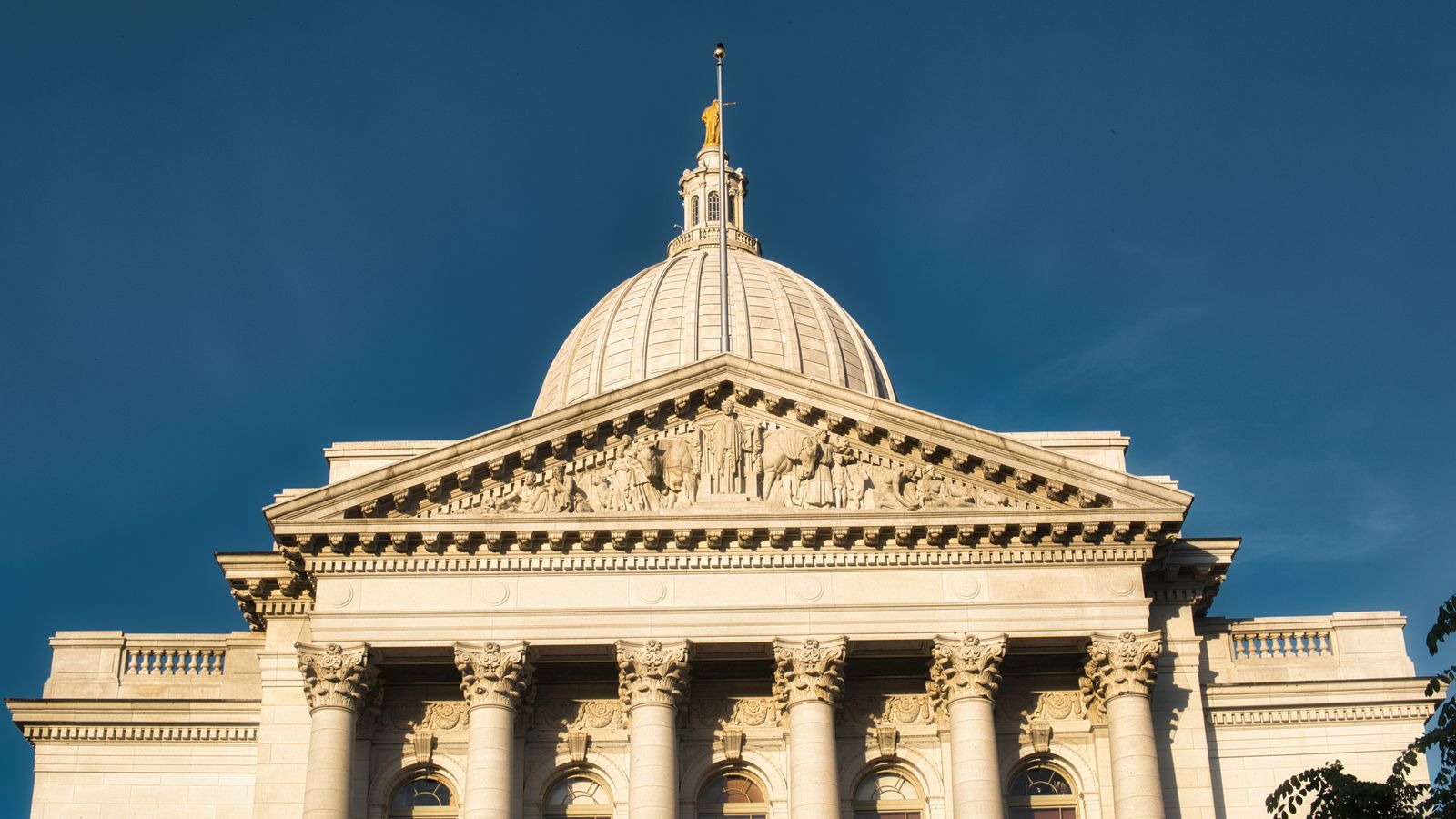
Wisconsin Governor Nominees Crowley, Tiffany Back Legalization in Debate
Democrat David Crowley and Republican Tom Tiffany both endorsed some form of marijuana legalization on the debate stage, but split on how far and how fast Wisconsin should go.

DEA Asks Judge to Reject Motion to Reopen Rescheduling Hearing
The agency wants the presiding judge to deny a bid for new testimony and discovery, a request that could add months to the Schedule III timeline.

Utica Firefighters Sue Over Medical Cannabis Suspensions in New York
Two Utica firefighters suspended after urine tests found cannabis metabolites are suing, putting New York's patient protections against public-safety drug testing.
More from the newsroom

Survey of 7,913 German Patients Finds Pharmacy Cannabis Preferred
A survey of 7,913 German medicinal cannabis patients, nearly 90% with experience of both channels, points to the illegal market as a major source of stress.
Virginia Sen. L. Louise Lucas indicted in marijuana business case
The Washington Post reported the indictment of Virginia's Senate president pro tempore, a figure in state cannabis debates. The charging details were not in the initial report.

Vireo Growth acquires Palatka cannabis facility for $21M
The multistate operator paid $21 million for a Palatka site, a hard-asset bet on Florida's medical market while Canada and Germany show the cost of overbuilding.