Trichome Harvest Timing: Reading Amber, Milky, Clear
A $20 microscope tells you when cannabinoid production peaks. Here's how to read trichome color, what the ratios mean, and where growers get it wrong.

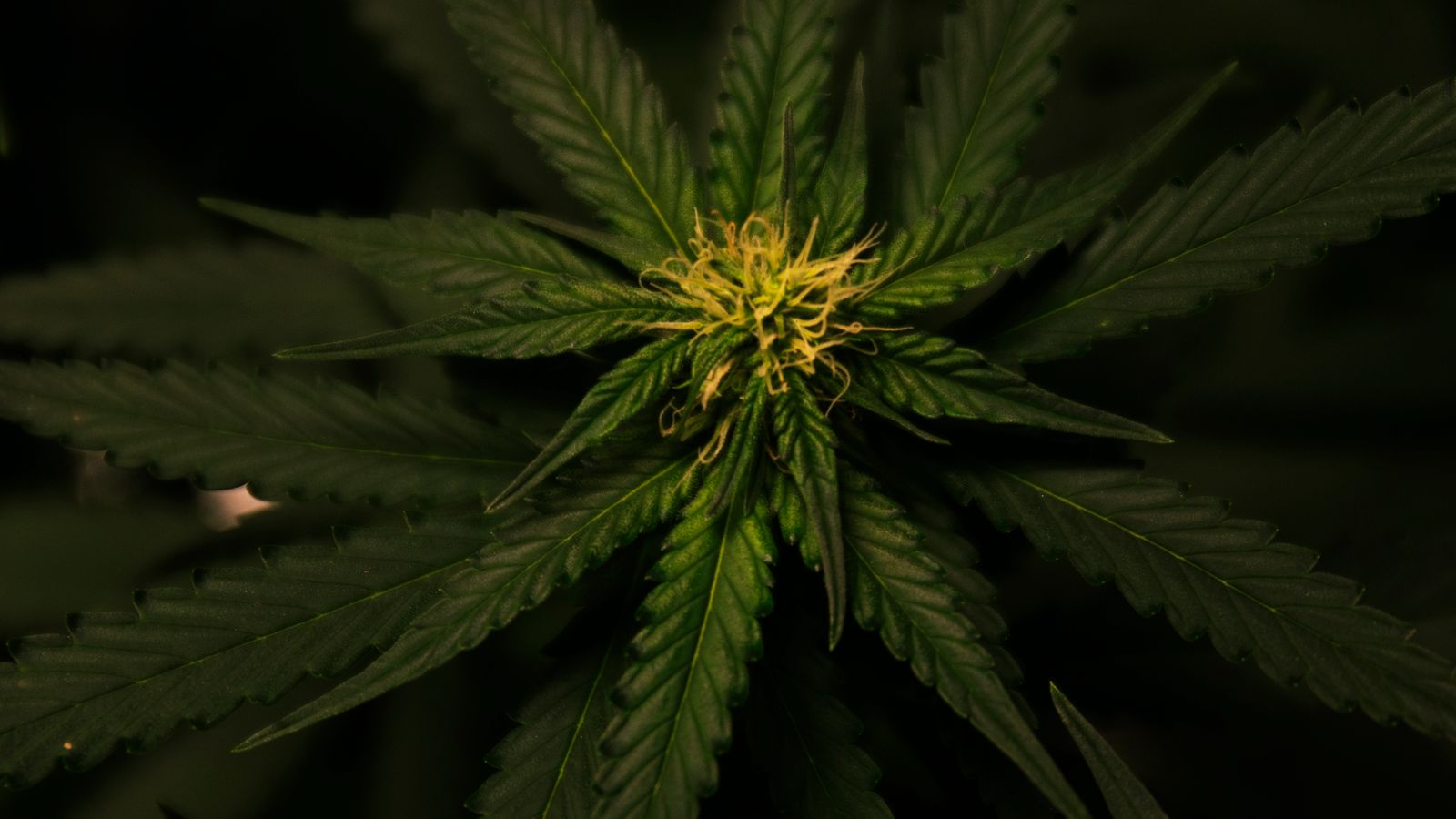
Macro shot of cannabis plant bud showing detailed leaves and trichomes.
Most growers wait too long. They watch pistils brown, they count days from flip, they follow breeder timelines that assume perfect conditions. Then they check trichomes once, see some amber, and chop. The result is inconsistent potency, unpredictable effects, and money left on the table because they harvested a week early or a week late.
Trichome observation is not subjective. The color shift from clear to milky to amber corresponds to measurable chemical changes in the glandular head. Clear trichomes are still synthesizing cannabinoids. Milky trichomes have reached peak concentration. Amber trichomes are degrading THC into CBN through oxidation and UV exposure. If you want repeatable results, you need to understand what drives those changes, where to sample, and how to interpret mixed signals across different parts of the plant.
Why Trichome Color Matters More Than Pistil Color or Breeder Dates
Pistil color is a rough indicator, nothing more. A plant can show 70% brown pistils and still have weeks of cannabinoid accumulation ahead. Environmental stress, genetics, and even airflow patterns affect pistil timing independently of resin maturity. Breeder flowering times are averages taken under specific light schedules, temperatures, and nutrient regimens. Your room is not their room. A 63-day strain might finish in 56 days under high-intensity LED with elevated CO2, or it might need 70 days under lower light with cooler nights.
Trichomes are the production site. Capitate-stalked trichomes, the large mushroom-shaped glands visible at 60x magnification, contain the highest concentrations of cannabinoids and terpenes. The glandular head is where biosynthesis happens. Enzymes convert geranyl pyrophosphate and olivetolic acid into cannabigerolic acid, the precursor to THCA, CBDA, and CBGA. As the trichome matures, those acids accumulate until the head is fully distended and the stalk begins to swell. That is peak production. After that, oxidation and UV degradation convert THCA into CBNA, which decarboxylates into CBN during curing or consumption.
Clear trichomes are transparent or slightly translucent. The head is small, the stalk is thin, and the resin inside has not reached full density. Milky trichomes are opaque white, sometimes with a faint yellow or cream tint depending on terpene content. The head is fully swollen, and the resin is at maximum concentration. Amber trichomes are yellow, orange, or brown. The head may appear slightly collapsed or wrinkled, and the resin has begun to oxidize. The ratio of these three states across your sample determines cannabinoid profile and effect.
Equipment: What Works and What Doesn't
You do not need a lab microscope. A 60x jeweler's loupe costs $8 to $15 and works fine if you have steady hands and good lighting. A USB digital microscope with 50x to 200x magnification costs $15 to $30 and connects to a laptop or phone. The digital option is easier for documentation and side-by-side comparison across harvest dates, but the image quality at the low end is poor. Anything above 100x magnification is overkill for trichome observation. You are looking at structures 50 to 100 microns in diameter. Higher magnification reduces field of view and makes it harder to survey a representative sample.
Avoid clip-on phone lenses marketed for trichome inspection. The optics are inconsistent, the magnification is often exaggerated, and the working distance is too short to get a clear image without damaging the flower. Avoid handheld microscopes with built-in LED rings that produce harsh white light. The glare washes out color detail and makes it difficult to distinguish milky from clear. Natural light or a diffused warm LED works better.
For commercial operations, a stereo microscope with 20x to 40x magnification and a boom stand allows faster sampling and better ergonomics. Expect to spend $200 to $400 for a used unit. The investment pays off if you are inspecting multiple rooms or running quality control on large harvests. You can train less experienced staff to make consistent observations, and you can archive images for compliance or customer transparency.
Where to Sample: Bud Structure and Microclimate Variation
Trichomes do not mature uniformly across the plant. The top colas receive more light and finish faster. Lower buds in the shade lag by days or even a full week. If you sample only the top of the canopy, you will harvest the lower third underripe. If you sample only the lower buds, you will let the top oxidize into CBN-heavy material that sells poorly or tests below label.
Take samples from three zones: upper canopy, mid-canopy, and lower canopy. For each zone, select a bud from the outer edge and one from the interior. Outer buds get more airflow and direct light, so they mature faster. Interior buds are shaded and retain more moisture, which slows resin development. Inspect the calyx, not the sugar leaves. Sugar leaves finish earlier because they have thinner cuticles and more surface area relative to resin volume. If you judge harvest by sugar leaf trichomes, you will chop early every time.
Use a clean pair of tweezers or a toothpick to gently separate a calyx from the bud. Place it on a dark, non-reflective surface. A piece of black construction paper or a silicone mat works well. Position your loupe or microscope so the light source is angled, not directly overhead. You want to see the three-dimensional structure of the trichome head, not just a flat reflection. Scan across the surface and count the ratio of clear, milky, and amber trichomes in a small area, roughly 20 to 30 heads. Repeat for each sample location.
Recording and Interpreting Ratios
Most growers aim for 10% to 30% amber, 60% to 80% milky, and 10% to 20% clear at harvest. That range maximizes THC while introducing enough CBN to round out the effect. But the ideal ratio depends on your target market and the strain's terpene profile. High-myrcene indicas benefit from slightly more amber because the sedative effect of CBN complements the terpene profile. High-limonene sativas lose their edge if you let them go too amber. The energetic, clear-headed effect comes from THC and limonene together, and both degrade with extended flowering.
If your sample shows 80% clear and 20% milky, you are at least a week out. The plant is still building resin, and cannabinoid concentration is climbing. If you see 50% milky and 50% clear, you are three to five days from peak, depending on environmental conditions. If you see 70% milky, 20% amber, and 10% clear, you are in the harvest window. If you see 50% amber, you have waited too long for a high-THC product, but the material may still work for extracts or edibles where CBN content is desirable.
Document your observations. Use a spreadsheet or a notebook to record the date, the sample location, and the trichome ratio. Take photos if you have a digital microscope. Over multiple harvests, you will build a reference library that shows how your specific genetics respond to your specific environment. That data is worth more than any breeder's flowering time or any forum post about when to chop.
The Science: What Happens Inside the Trichome Head
Cannabinoid biosynthesis occurs in the secretory cells at the base of the trichome head. These cells produce and secrete cannabinoid acids into the storage cavity between the cell layer and the outer cuticle. As the cavity fills, the cuticle expands and the head swells. The clear stage is early accumulation. The resin is thin, the cuticle is not fully distended, and the concentration of THCA is still increasing. The milky stage is peak accumulation. The cuticle is fully expanded, the resin is dense, and the concentration of THCA has plateaued. The amber stage is oxidation. The cuticle begins to degrade, oxygen penetrates the storage cavity, and THCA converts to CBNA.
This process is driven by light, temperature, and time. High-intensity light accelerates oxidation, especially in the blue and UV spectrum. Temperatures above 80°F increase the rate of enzymatic degradation. Extended flowering time allows more oxidation even under ideal conditions. If you run a long-flowering sativa under high-wattage HPS in a hot room, you will see amber trichomes earlier than the same strain under LED at 75°F. If you run a fast-flowering indica under low light, you may never see significant amber even at 70 days.
Terpene content also affects trichome appearance. High concentrations of myrcene, caryophyllene, and other sesquiterpenes give the resin a yellow or amber tint even when THC levels are still climbing. This is especially common in strains like Chemdog or Sour Diesel, where the terpene profile is complex and the resin is naturally darker. In these cases, you cannot rely on color alone. You need to cross-reference trichome color with other indicators like calyx swell, pistil recession, and fade progression in the fan leaves.
Common Mistakes and How to Avoid Them
The most common mistake is sampling too early in the flowering cycle. Growers check trichomes at day 50, see mostly clear, and then do not check again until day 60. In that 10-day window, the plant goes from 20% milky to 80% milky, and they miss the peak. Check every three days starting two weeks before the breeder's estimated finish date. More frequent observation gives you a better sense of how fast the plant is moving and reduces the risk of overshooting.
The second mistake is sampling only the top colas. The upper canopy finishes first, and if you harvest based on those trichomes, the lower buds will be underripe. Either accept a mixed harvest and sort by maturity during trim, or plan a staggered harvest where you take the tops first and let the lowers go another week. Staggered harvests add labor, but they improve overall quality and yield because the lower buds have time to bulk up after the tops are removed and light penetration increases.
The third mistake is confusing cloudy with milky. Cloudy trichomes have a faint translucence, like frosted glass. Milky trichomes are opaque, like whole milk. Cloudy is the transition stage between clear and milky. If you harvest at cloudy, you are leaving 10% to 15% of potential THC on the table. Wait until the majority of heads are fully opaque before you consider the window open.
The fourth mistake is ignoring strain-specific variation. Some genetics never go fully amber, even with extended flowering. Others start showing amber two weeks before peak THC. White Widow and other resin-heavy hybrids tend to stay milky longer. Haze-dominant sativas often show amber earlier because the trichome heads are smaller and more exposed to light. If you are running a new strain, do not assume the same harvest indicators apply. Run a test plant to full maturity, document the trichome progression, and use that as your baseline for future runs.
Environmental Factors That Affect Trichome Maturation
Light spectrum matters. Blue light (400-500 nm) drives vegetative growth and trichome initiation. Red light (600-700 nm) drives flowering and resin production. Far-red light (700-750 nm) accelerates flowering but can reduce trichome density if overused. UV-B light (280-315 nm) increases trichome production as a stress response, but it also accelerates THC degradation into CBN. If you are running UV supplementation in late flower, monitor trichomes more closely. The window between peak THC and excessive CBN is shorter.
Temperature swings affect resin viscosity and oxidation rate. Cool nights (65-70°F) slow trichome maturation and preserve terpenes. Hot days (85°F and above) speed up maturation and increase terpene volatilization. If your room runs hot, expect faster trichome progression and a shorter harvest window. If your room runs cool, expect slower progression and a longer window. Adjust your inspection schedule accordingly.
Humidity affects trichome structure indirectly by influencing transpiration and nutrient uptake. Low humidity (below 40% RH) increases transpiration, which can stress the plant and trigger early senescence. High humidity (above 60% RH) in late flower increases the risk of mold, which forces early harvest before trichomes are fully mature. The sweet spot for late flower is 45% to 55% RH, which balances trichome development with mold prevention.
Nutrient availability also plays a role. Phosphorus and potassium drive resin production in mid to late flower. If you cut nutrients too early, trichome development slows and you end up with smaller heads and lower cannabinoid concentration. If you push nutrients too late, you get nutrient lockout, burnt tips, and off flavors in the final product. A controlled fade, where you reduce nitrogen and maintain P and K through the last two weeks, supports trichome maturation without overfeeding.
Harvest Windows for Different Goals
If your goal is maximum THC, harvest when trichomes are 80% milky, 10% clear, and 10% amber. This is the peak of cannabinoid concentration before oxidation begins. The effect will be energetic, cerebral, and potentially racy depending on the strain. This window is narrow, often 48 to 72 hours, so plan your harvest logistics in advance.
If your goal is a balanced effect with some body relaxation, harvest when trichomes are 70% milky, 20% amber, and 10% clear. The increased CBN content softens the edge of the THC and adds sedative qualities. This is the most common target for commercial flower because it appeals to a broader customer base and the effect is more predictable.
If your goal is heavy sedation or sleep aid, harvest when trichomes are 50% milky and 50% amber. The CBN content will be high, and the effect will be couch-lock. This material works well for evening products, edibles, or patients dealing with insomnia or chronic pain. Be aware that THC potency will test lower, which can affect retail pricing and customer perception.
If your goal is extraction, the harvest window is more flexible. Concentrates and distillates can be adjusted post-harvest through chromatography or fractional distillation, so minor variations in trichome maturity are less critical. However, starting with high-quality, properly timed flower improves yield and reduces the need for remediation. Aim for 70% milky and 20% amber as a baseline, and adjust based on your extraction method and target cannabinoid profile.
Post-Harvest Considerations: How Drying and Curing Affect Cannabinoid Profiles
Trichome maturity at harvest is only part of the equation. Drying and curing conditions determine how much THC converts to CBN after the plant is cut. Fast drying at high temperatures (above 75°F) accelerates oxidation and increases CBN content. Slow drying at cool temperatures (60-65°F) preserves THC and terpenes. If you harvest at peak THC but dry too fast, you will end up with a product that feels more sedative than the trichome ratio suggested.
Curing also matters. Proper curing at 60°F and 60% RH allows enzymatic processes to continue, which can improve flavor and smoothness, but extended curing (beyond 90 days) increases CBN content as THC oxidizes. If you plan a long cure, harvest slightly earlier in the trichome window to account for post-harvest degradation. If you plan a short cure or immediate sale, harvest at the upper end of the window to maximize potency.
Strain-Specific Examples and What to Expect
Short-flowering indicas like Northern Lights or Blueberry typically show clear trichomes until day 45, transition to milky between day 50 and 55, and start showing amber by day 58 to 60. The harvest window is tight, often three to five days, because these strains finish fast and oxidize quickly once they hit peak maturity.
Long-flowering sativas like Haze or Durban Poison stay clear longer, often until day 65 or 70, and then transition slowly over two weeks. The harvest window is wider, but the risk is that growers get impatient and chop early. These strains benefit from patience and close observation in the final weeks.
Hybrid strains like OG Kush or Girl Scout Cookies fall somewhere in between. They typically show milky trichomes by day 56 to 60 and start going amber by day 63 to 65. The harvest window is moderate, five to seven days, and the trichome progression is predictable if environmental conditions are stable.
High-CBD strains like Charlotte's Web or ACDC follow similar trichome maturation patterns, but the effect profile is less sensitive to CBN content because CBD does not degrade into a sedative compound the way THC does. You can afford to let these strains go slightly more amber without sacrificing the desired effect.
Building a Harvest Protocol for Consistency
Consistency requires documentation and repetition. For each strain you run, create a harvest checklist that includes breeder flowering time, your observed flowering time under your conditions, target trichome ratios, and sample locations. Use the same microscope, the same lighting, and the same sampling method every time. Train your staff to follow the protocol exactly, and spot-check their observations until you are confident they can make accurate calls independently.
Track your results. After each harvest, record the trichome ratio at chop, the dry weight, the potency test results, and customer feedback. Over time, you will identify patterns. You might find that your room consistently finishes strains five days faster than the breeder's estimate, or that your lower canopy always lags by a week. Use that data to refine your protocol and improve your timing.
Invest in training. Trichome observation is a skill, and it takes practice to distinguish milky from cloudy or to recognize the early signs of amber. Run side-by-side comparisons where multiple people inspect the same sample and compare notes. Use photos or video to create a reference library that shows what each stage looks like under your specific equipment and lighting. The more consistent your observations, the more consistent your harvests.
Frequently asked questions
Can I use my phone camera instead of a microscope to check trichomes?
Phone cameras lack the magnification and optical clarity to distinguish clear from milky trichomes reliably. Clip-on macro lenses are inconsistent and often exaggerate magnification specs. A $15 jeweler's loupe or USB microscope provides the 60x magnification needed to see trichome head structure clearly.
Why do my sugar leaves show amber trichomes before the buds are ready?
Sugar leaves have thinner cuticles and more surface area relative to resin volume, so they mature faster and oxidize sooner than calyx trichomes. Always sample calyxes from the bud itself, not the surrounding leaves, to get an accurate read on cannabinoid maturity.
How much does harvest timing affect final THC percentage?
Harvesting one week early can reduce <a href='/glossary/thc'>THC</a> content by 10% to 15% because cannabinoid synthesis is still active. Harvesting one week late can reduce <a href='/glossary/thc'>THC</a> by 5% to 10% as oxidation converts it to <a href='/glossary/cbn'>CBN</a>. The peak window is narrow, often 48 to 72 hours for fast-finishing strains.
Should I harvest the whole plant at once or take the tops first?
Staggered harvests improve quality if your lower canopy is significantly behind the tops. Take the upper colas when they hit your target trichome ratio, then let the lowers go another week. This adds labor but increases overall yield and potency because the lower buds bulk up with better light penetration after the tops are removed.
Do trichomes keep maturing after I cut the plant?
No. Cannabinoid synthesis stops when you cut the plant, but oxidation continues during drying and curing. Fast drying at high temperatures accelerates <a href='/glossary/thc'>THC</a> degradation into <a href='/glossary/cbn'>CBN</a>, so harvest timing must account for post-harvest handling. Slow drying at 60-65°F preserves <a href='/glossary/thc'>THC</a> and terpenes.
Why do some strains never show much amber even at 70 days?
Genetics, light intensity, and temperature all affect oxidation rate. Some sativas and resin-heavy hybrids stay milky longer because their trichome heads are larger and less exposed to UV. If a strain does not show amber by the breeder's finish date, check for other maturity signs like calyx swell and pistil recession before extending flowering further.
Can I rely on breeder flowering times instead of checking trichomes?
Breeder times are averages based on specific conditions that likely differ from your setup. Light intensity, spectrum, temperature, and nutrients all affect flowering speed. A 63-day strain might finish in 56 days under high-intensity LED or need 70 days under lower light. Trichome observation is the only reliable way to determine actual maturity in your environment.
What trichome ratio should I target for sleep or pain relief?
Higher <a href='/glossary/cbn'>CBN</a> content increases sedative effects, so target 50% milky and 50% amber for sleep aids or heavy pain relief. Be aware that <a href='/glossary/thc'>THC</a> potency will test lower, which can affect pricing. This material works best for evening products, edibles, or patients specifically seeking couch-lock effects.
Sources
The cannabis newsletter you forward to your team.
Federal policy, market data, grower alerts, and the one story that matters today. Sent every weekday at 7am. Free.
No spam. Unsubscribe with one click. 21+ only.
Related from Grow

Corn Earworm Infestations Threaten U.S. Hemp Crops as Growers Deploy IPM
Helicoverpa zea populations surge across commercial hemp acreage, prompting growers to adopt integrated pest management protocols mid-season.
Yellow Fan Leaves on Cannabis: Five Causes, Ranked by Likelihood
Nitrogen deficiency tops the list, but light burn, pH lockout, overwatering, and natural senescence all produce yellowing. Here's how to diagnose each.

Clones vs Seeds in 2026: HpLVd Changes the Math
Speed and uniformity made clones the default. Now hop latent viroid is forcing growers to recalculate the real cost of mother plants and tissue culture.
More from the newsroom
Louisiana Joins Multi-State Lawsuit to Block DEA Marijuana Rescheduling
Attorney General Liz Murrill adds Louisiana to coalition challenging federal reclassification from Schedule I to Schedule III.

Curaleaf Loses Challenge to New Jersey Labor-Peace Mandate
Federal court upholds state requirement forcing cannabis operators to sign neutrality pacts with unions.

Bloom Cannabis Cites Ohio Hemp Ban as Validation for Licensed Market
Ohio MSO says state's intoxicating-hemp prohibition underscores regulatory advantage of adult-use dispensaries.