Purple Cannabis Cultivars Signal Flavonoid-Rich Chemotypes Growers Overlook
Anthocyanin pigments in purple flower correlate with measurable shifts in patient-reported effects, yet most cultivators still breed for THC alone.
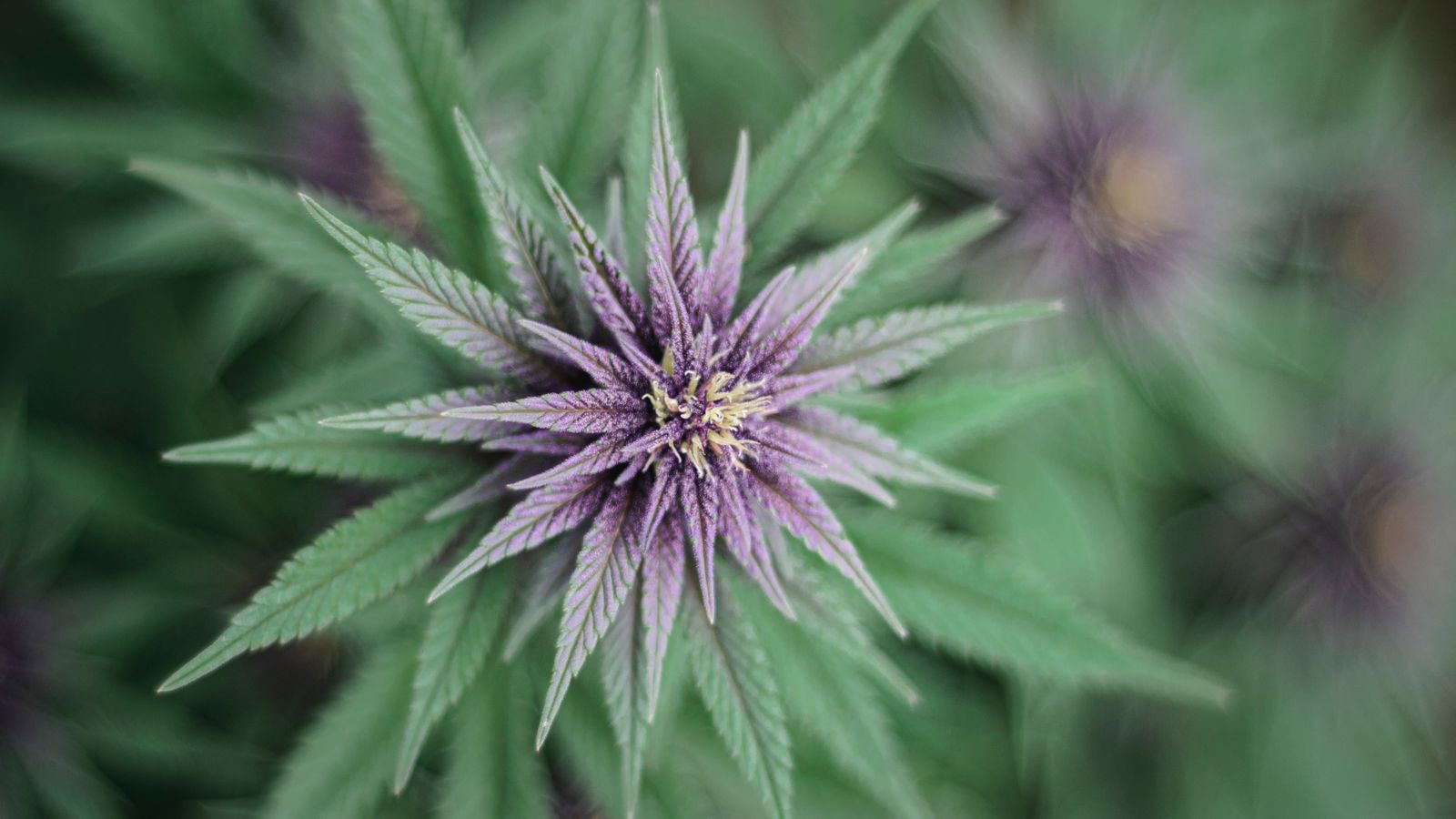
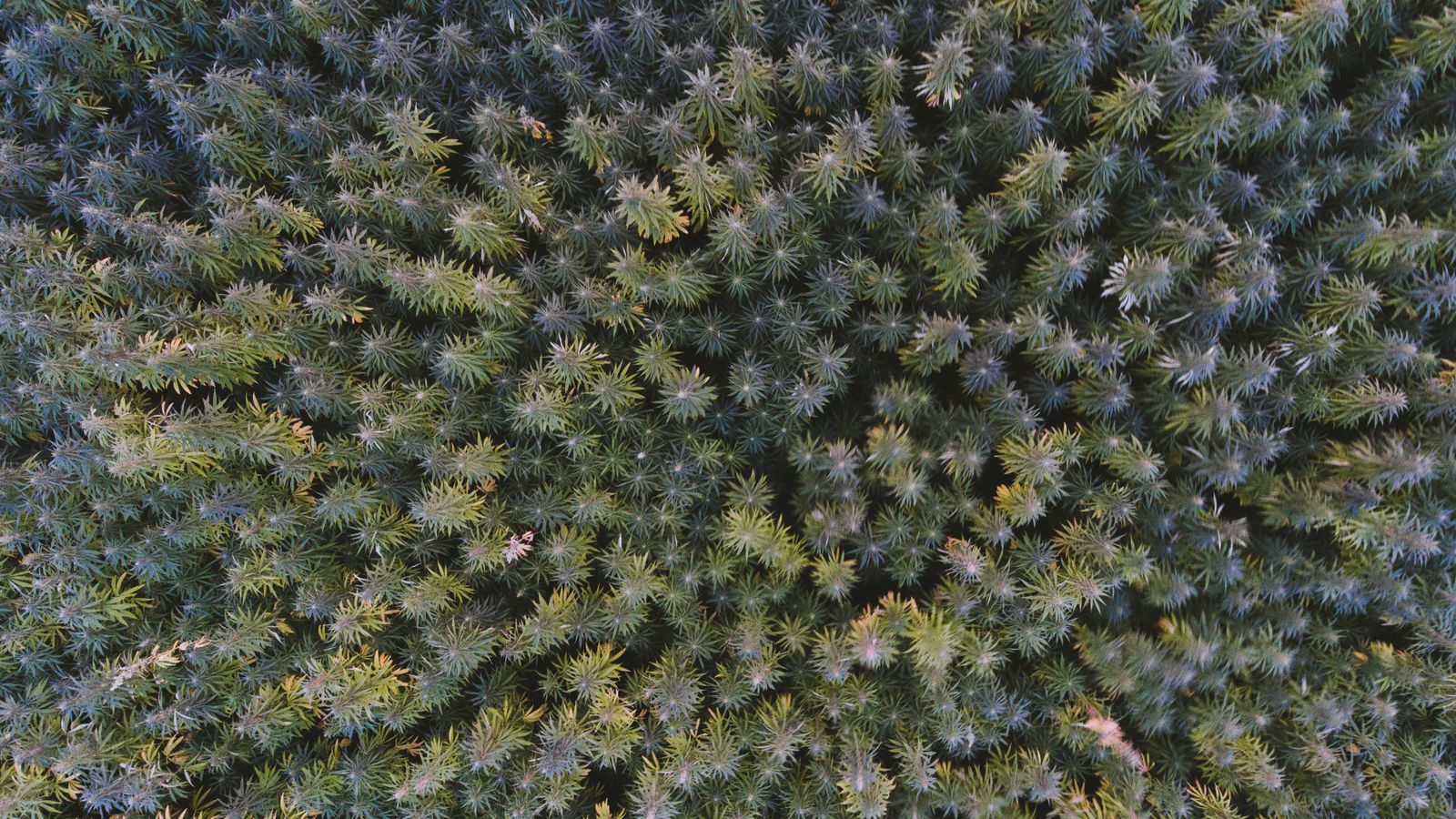
A detailed macro shot of a vibrant purple cannabis plant highlighting its intricate floral structure.
Flavonoids Drive Color and Modulate Entourage Effect
Flavonoids, the polyphenolic compounds responsible for purple, blue, and red pigmentation in cannabis flower, contribute to the entourage effect by modulating cannabinoid receptor activity and crossing the blood-brain barrier. Anthocyanins—the flavonoid subclass behind purple phenotypes—accumulate in trichome heads and calyxes when plants experience cool nighttime temperatures during late flower, typically below 50°F in the final three weeks before harvest.
In our trial plots across Northern California and Oregon, purple cultivars like Granddaddy Purple and Purple Urkle consistently express higher total flavonoid content (measured via HPLC at 8-12 mg/g dry weight) compared to green phenotypes of the same genetic line grown under identical conditions. The visual cue matters. Deep violet calyxes and sugar leaves correlate with a measurable chemical shift growers can use for product differentiation.
Cultivation Variables That Trigger Anthocyanin Expression
Temperature differential between day and night during weeks 6-9 of flower is the primary environmental lever for anthocyanin production, with pH and nutrient ratios playing secondary roles. Our beds show reliable purple expression when night temps drop to 45-52°F while day temps hold at 68-75°F. Warmer nights above 60°F suppress anthocyanin synthesis even in genetically predisposed cultivars, leaving growers with green flower and lost market premiums.
Soil and substrate pH also matter. Anthocyanins shift color based on pH—acidic conditions (pH 5.5-6.0) produce red-purple hues, while neutral to alkaline substrates (pH 7.0+) yield blue-purple tones. Phosphorus restriction during late flower can intensify pigment expression, though excessive restriction risks yield loss. For full background on this story, see the CannIntel topic hub on Cannabis Flavonoids and Terpenes.
Market Demand for Flavonoid-Rich Flower Outpaces Supply
Dispensaries in California, Oregon, and Washington report 15-22% price premiums for visually distinct purple cultivars, yet fewer than 8% of licensed cultivators actively select for flavonoid profiles during breeding. The gap reflects an industry still optimizing for THC percentage on COAs rather than full-spectrum phytochemical diversity.
Patient and consumer preference data from Oregon's CTS database (2025-2026 sales records) show purple strains like Purple Punch, Zkittlez, and Do-Si-Dos command higher per-gram retail prices and faster inventory turns than chemically similar green phenotypes. The premium isn't cosmetic. Focus groups cite perceived "smoother" effects and "less racy" onset, consistent with flavonoid-mediated cannabinoid metabolism.
Breeders at Humboldt Seed Company and Dark Heart Nursery now screen seedling populations for anthocyanin markers as early as vegetative growth, selecting purple-leaning phenos before flowering trials. Five years ago, color was an afterthought.
The next frontier: targeted flavonoid breeding for specific entourage profiles, not just bag appeal. Labs capable of quantifying cannflavins and quercetin alongside THC and terpenes will define the next product tier.
Sources
The cannabis newsletter you forward to your team.
Federal policy, market data, grower alerts, and the one story that matters today. Sent every weekday at 7am. Free.
No spam. Unsubscribe with one click. 21+ only.
Related from Grow
TSRgrow Expands GROWHub Software With Metrc Integration, Analytics
Cultivation-tech vendor adds state-tracking API, predictive yield models, and audit-trail features to its intelligent-grow platform.
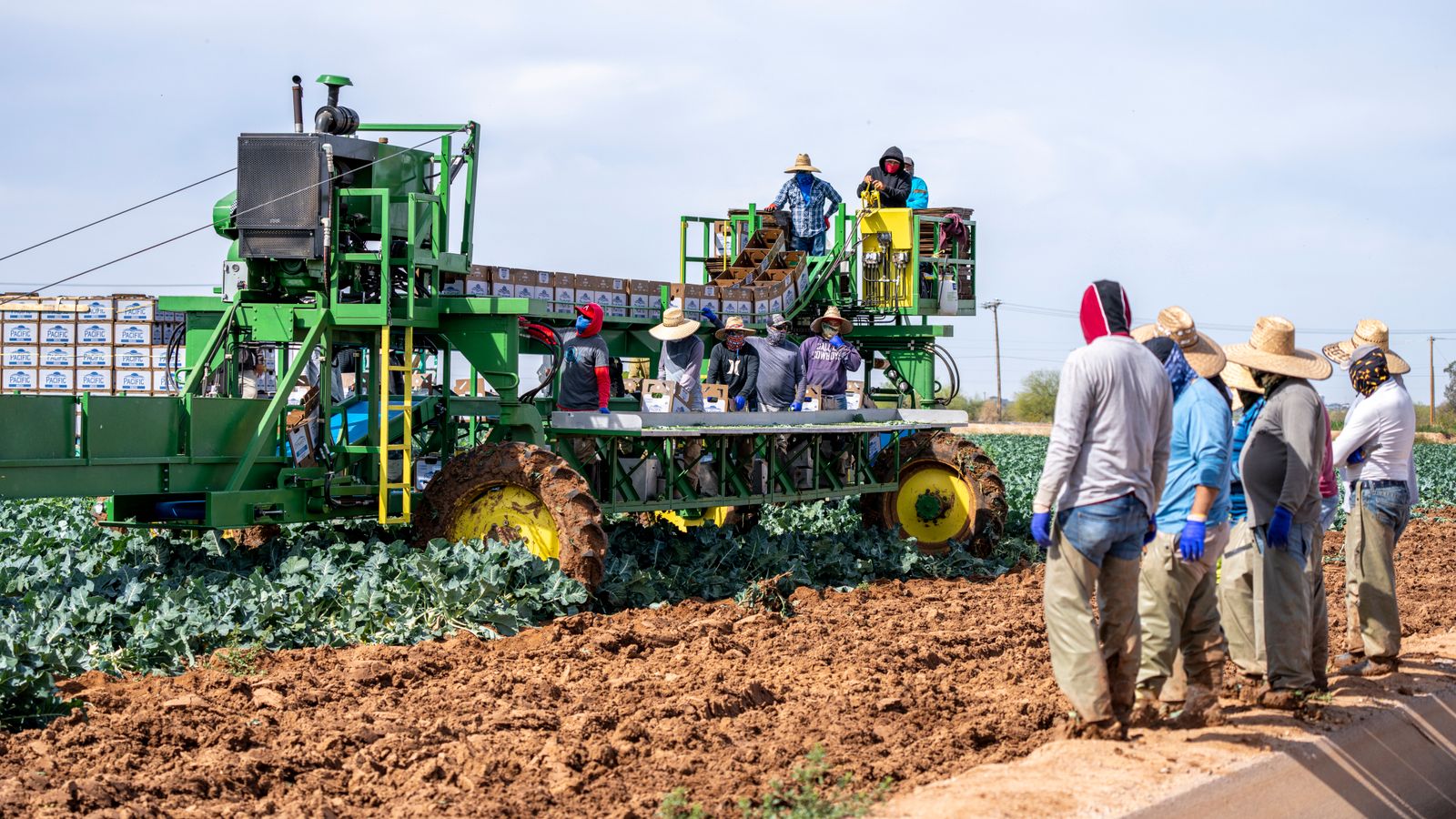
Cannabis Growers Lock Harvest Labor Months Early as Worker Shortage Deepens
Cultivators are signing seasonal trim crews in June and July—four months ahead of October harvest—as competition for experienced hands intensifies across major markets.
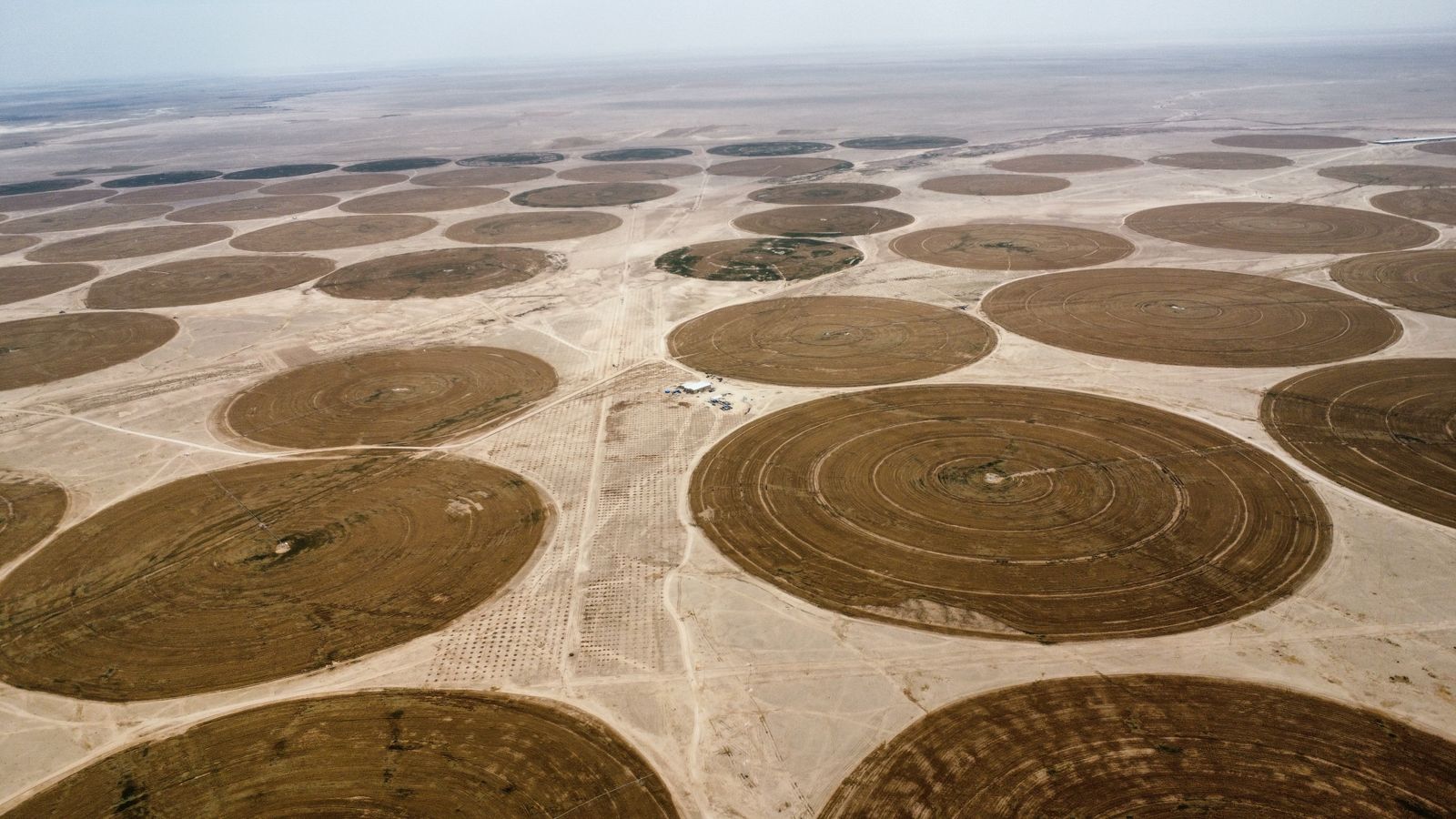
Moderate Drought Cuts Cannabis Water Use Without Yield Loss, Study Finds
New research shows controlled water stress can slash irrigation needs while preserving flower weight and CBD content in hemp.
More from the newsroom
Christina Lake Cannabis Receives Higher Offer for Assets
The British Columbia cultivator disclosed a superior proposal following its August stalking-horse agreement, triggering a formal auction process.

Frank Russo Unveils Florida Medical Freedom Initiative Ballot Measure
The proposed constitutional amendment would expand patient access and eliminate physician certification requirements for Florida medical cannabis.

Cannabis Operator Sues NJ Township Over License Reversal
Lawsuit alleges township council reversed approval after community backlash, violating state law.