Wisevoter Data: Daily Cannabis Use Passes Alcohol for Under-50s
A Wisevoter analysis reports daily cannabis use now outpaces daily drinking among Americans under 50, a generational shift that could reshape hospitality, retail and tourism.

Young adults enjoying a casual indoor gathering with snacks and drinks, featuring a relaxed and diverse atmosphere.
The crossover, and what Wisevoter reported
Wisevoter, a data-aggregation site, reported on November 23, 2026 that daily cannabis use now exceeds daily alcohol use among adults under 50.
The headline is the crossover itself. For decades, a daily drink was ordinary adult behavior and a daily joint was a fringe habit. Wisevoter's analysis says that ordering has flipped for younger cohorts.
We haven't independently verified the underlying figures, and the signal we reviewed carries only the headline and publisher. Readers should treat the specific percentages as Wisevoter's until the full methodology and dataset are checked against primary survey sources.
Why the under-50 line matters
The under-50 cutoff captures the cohorts that came of age during the state-by-state legalization wave, which is exactly where consumption habits are most fluid.
Millennials and Gen Z grew up watching California, Colorado and Washington normalize adult-use sales. Older drinkers formed their habits when cannabis was a felony in most places. A crossover in the younger bracket says more about where the market is heading than about where it has been.
It's not a total replacement. A daily-use milestone is a narrow measure, and plenty of people still drink socially a few times a week without ever hitting a daily threshold.
The scene on the ground: bars, lounges and the night out
Operators who sell social experiences are the first to feel a drift in what their customers want to put in their bodies.
Walk through any legal-state downtown on a Friday and the change shows up in small ways. Dispensaries stay lit late. Bars add non-alcoholic menus and, in some markets, hemp-derived THC drinks. Consumption lounges, where licensed, pitch themselves as a calmer alternative to the bar crawl.
The pitch is less about getting high and more about the ritual: a place to gather, an activity to share. That framing is what separates a lounge from a smoke shop. Operators keep returning to it when they describe the customer they want.
A daily-use crossover is less a story about intoxication than about habit, price and access: cannabis is now easier to find, easier to afford and easier to talk about than at any point in modern memory.
Tourism: the destination cannabis traveler
Cannabis tourism depends on legal access, and the strongest demand sits in precisely the age band Wisevoter flagged.
Destination markets such as Colorado and California already court visitors with guided dispensary tours, infused-dining events and licensed-lounge experiences. If the under-50 crossover is real, those travelers aren't a novelty segment. They're the mainstream customer for the next decade of leisure spending.
The constraint is legal, not demand-driven. Federal prohibition still blocks interstate commerce and airline transport, so the visitor has to buy and consume locally. That keeps the economics inside each state's borders.
What it means for alcohol and hospitality
For alcohol producers the data reinforces a slow-moving threat: younger drinkers are moderating, and some are substituting.
Beer, wine and spirits companies have spent years talking about moderation trends and the rise of no- and low-alcohol products. A cannabis crossover gives that conversation a sharper edge, and hospitality groups are already hedging by pairing traditional bars with cannabis-adjacent products where state law allows.
That math is hard to argue with if the Wisevoter trend holds. Shelf space, tap handles and event budgets follow customer behavior. Not nostalgia.
Caveats: daily use is not the whole picture
Daily-use metrics can overstate cultural change, because they capture frequency rather than the share of people who ever partake.
Alcohol is still used by far more adults overall, even if fewer drink every day. Survey wording, self-reporting bias and the legal status of cannabis all complicate comparisons. Public-health researchers also point out that heavier, more frequent use carries its own risks, a counterweight to any celebratory reading of the headline.
For full background on this story, see the CannIntel topic hub on cannabis use versus alcohol trends.
What to watch next
The next test is whether federal survey data confirms the crossover Wisevoter describes.
Operators and investors should look to national household drug-use surveys and state-level sales reports for corroboration. If those sources line up, expect more hospitality brands to build cannabis and cannabinoid beverages into their lineups. If they don't, the Wisevoter figure may prove more headline than trend.
Frequently asked questions
Did daily cannabis use really pass alcohol among under-50s?
Wisevoter reported that it did in an analysis published November 23, 2026. CannIntel has not independently verified the underlying figures, so the specific percentages should be treated as Wisevoter's until checked against primary survey data.
Does this mean more people use cannabis than alcohol?
No. The finding concerns daily use, not overall participation. Alcohol is still used by far more adults at least occasionally, even if fewer people drink every single day.
Why does the under-50 age group matter?
Adults under 50 came of age as states legalized adult-use cannabis, so their habits reflect normalized access. Consumption shifts in this group are an early signal for where the broader market and hospitality industry are heading.
How could this affect bars and tourism?
Operators are adding non-alcoholic menus, hemp-derived THC drinks and, where licensed, consumption lounges. Cannabis tourism also leans on this demographic, though federal law limits interstate transport and keeps spending inside each state.
Where can readers find more on this trend?
CannIntel maintains a topic hub tracking cannabis use versus alcohol trends, with ongoing coverage of survey data, sales reports and industry response.
Sources
The cannabis newsletter you forward to your team.
Federal policy, market data, grower alerts, and the one story that matters today. Sent every weekday at 7am. Free.
No spam. Unsubscribe with one click. 21+ only.
Related from Culture

Green Wednesday Grows Into Cannabis Retail's Second 4/20
The Wednesday before Thanksgiving has become a fixture on the dispensary calendar, driven by holiday gatherings and shoppers stocking up before stores close.

Op-Ed Says New Poll Shows Police Turning on Marijuana Prohibition
A Marijuana Moment op-ed argues that law enforcement is shifting against cannabis prohibition, but the underlying poll data isn't yet public in the signal CannIntel reviewed.

Dasheeda Dawson: Blue Wave Won't Fix Cannabis Equity
In a Marijuana Moment op-ed after the 2026 midterms, Dasheeda Dawson argues that Democratic wins won't deliver equity without a new operating model.
More from the newsroom
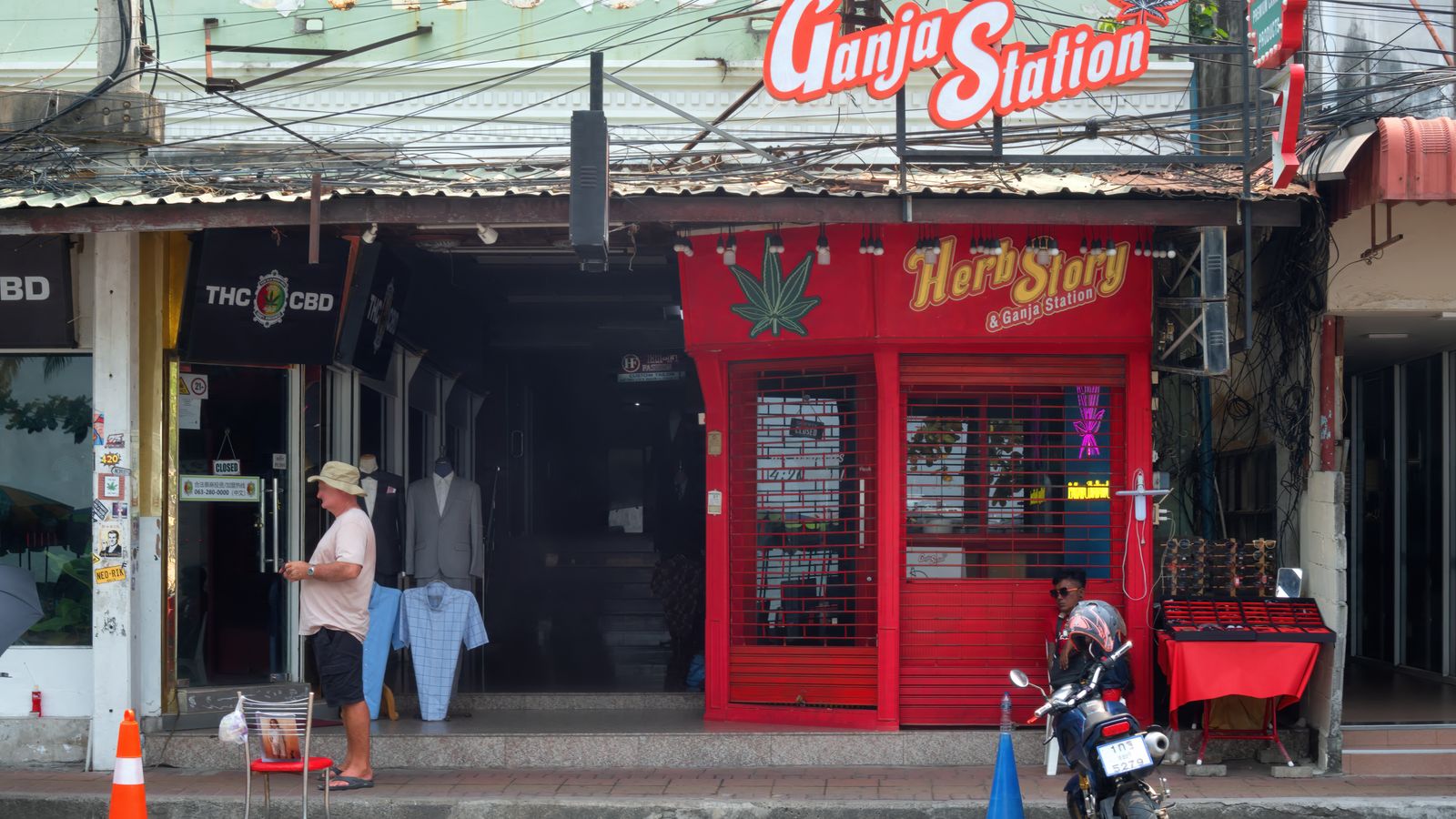
Thailand inspections suspend 105 cannabis licences, revoke 24
A nationwide inspection sweep ended with 105 suspensions and 24 revocations, though the signal leaves open who ran it, what it cost operators, and what triggered each penalty.

Quincy marijuana drive-thru reopens Monday after CCC vote
A Massachusetts Cannabis Control Commission vote clears a Quincy dispensary to resume drive-thru sales, keeping a rare retail format in play.

Thailand Revokes 24 Cannabis Licences, Suspends 105 More
A regulatory sweep removes 24 operators from Thailand's cannabis market and sidelines 105 more, tightening a framework that has been under pressure since decriminalization.