Thailand inspections suspend 105 cannabis licences, revoke 24
A nationwide inspection sweep ended with 105 suspensions and 24 revocations, though the signal leaves open who ran it, what it cost operators, and what triggered each penalty.
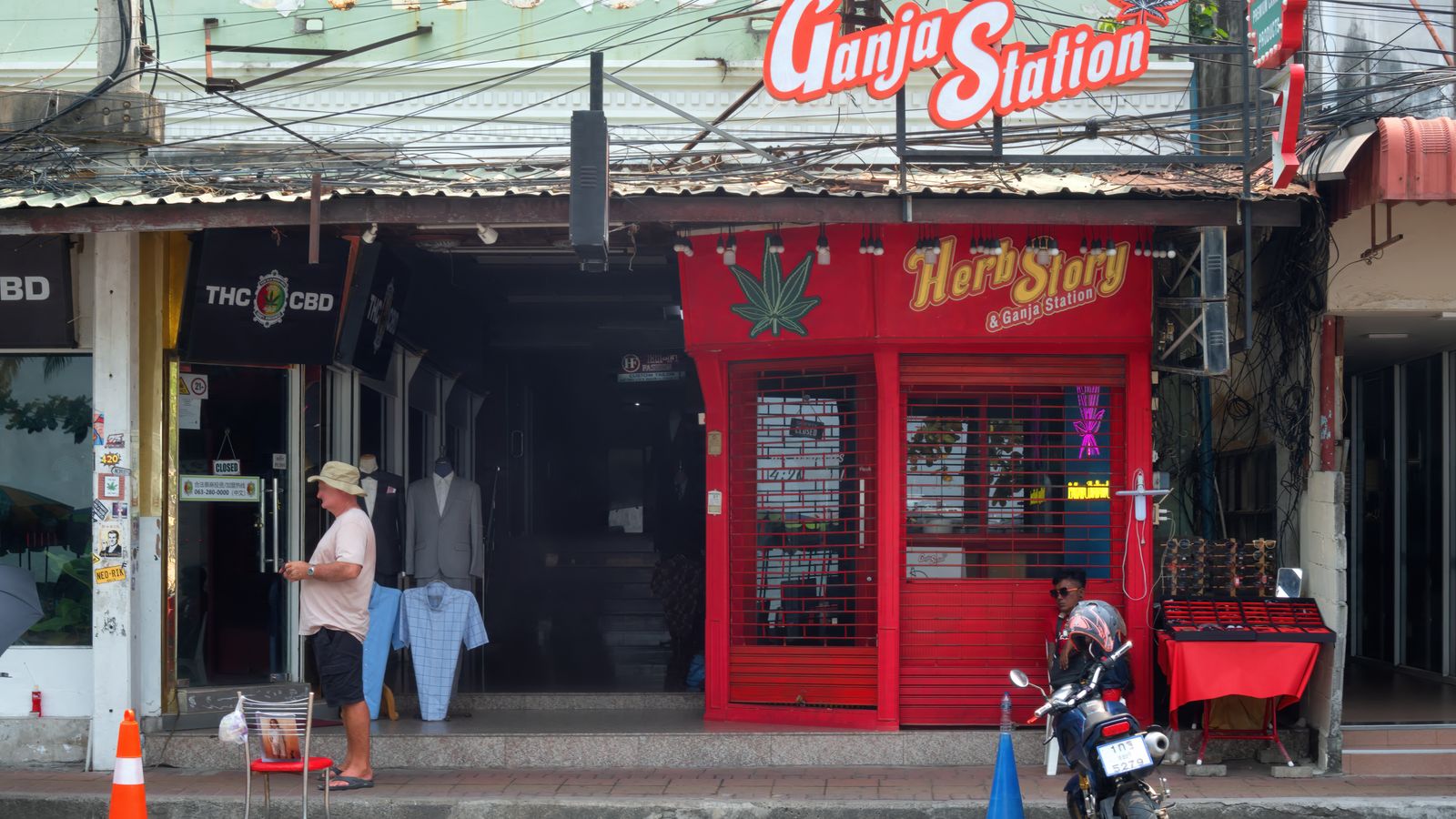
Front view of a Ganja Station store in Pattaya, showcasing cannabis-themed signage and street vendors.
The numbers, and what the signal does not say
Thai inspectors suspended 105 cannabis licences and revoked 24 in a nationwide sweep, according to a Phuket News report published November 23, 2026. That is 129 adverse licensing actions in a single enforcement cycle.
The source material is thin. The signal supplied to CannIntel consists of a headline and a publication stamp. It doesn't name the agency that ran the inspections, the date range of the sweep, the number of premises visited, or the violations that triggered each penalty. A fair reading of the headline supports the two figures and nothing more.
That matters because the ratio of actions to inspections is the number that would tell operators how worried to be. A sweep that touched 500 premises and produced 129 actions is a very different story from one that touched 5,000. Until the denominator surfaces, treat the totals as a floor, not a trend line.
Suspension and revocation are different outcomes
A suspension is a pause that can be cured; a revocation ends the licence, and the 105-to-24 split suggests most operators were given a path back. Roughly four in five of the adverse actions were suspensions.
For an operator, the gap between the two is the gap between a compliance project and a closure. A suspended dispensary can, in principle, fix its paperwork, retrain staff or correct a labelling or sales problem, then reapply for reinstatement. A revoked licence generally means starting over, if starting over is even permitted. Neither the reinstatement terms nor any appeal process appears in the signal, so confirm those details against the licensing authority's own notices before anyone builds a business plan around them.
The skew toward suspensions is consistent with a regulator trying to clean up the market without gutting it. That's an inference, not a documented policy position. Nobody on the record has said so.
The context: a licence regime built fast and policed late
Thailand removed cannabis from its narcotics list in June 2022, producing a retail boom that outran the rules meant to govern it. Dispensaries spread across Bangkok, Phuket and Chiang Mai within months. Many operated under light-touch registration.
Since then, Thai authorities have repeatedly signalled a shift from liberalisation toward tighter control, including moves to restrict recreational sales and require prescriptions. It tracks the broader arc covered on the CannIntel hub for Thailand cannabis regulation, where the pattern has been loosened access first and enforcement second. A sweep of this size reads as the enforcement phase arriving in earnest.
What we can't say from the signal is whether this sweep reflects a new rule set or simply stricter application of existing conditions. The distinction determines whether operators were caught breaking known rules or caught off guard by a moving target.
Where the exposure sits for operators and investors
The 129 actions concentrate regulatory risk on licence-dependent businesses, from retail storefronts to cultivation and extract suppliers that sell into them. A suspended retailer stops buying. That pain travels upstream.
For foreign-linked investors, the more pressing question is nominee and ownership structures, which have drawn scrutiny in Thailand's cannabis sector. The signal doesn't say whether any of the 129 actions involved ownership violations, and we won't speculate. But a sweep that closes or freezes more than a hundred licences is the kind of event that prompts counsel to re-audit corporate structures and compliance files.
The headline figures are verifiable only to the extent that Thai authorities publish the underlying inspection data, and that publication is the missing piece.
Skeptical readers should hold that line. A single secondary-outlet headline is a lead, not a record.
What to verify next
The 105 and 24 figures should be reconciled against a primary document from the responsible Thai health authority before they are treated as settled. Three items would turn this from a headline into a finding.
Start with the issuing agency and the inspection period. Next, the violation categories behind the suspensions versus the revocations. Last, the base number of premises inspected. Without those, the story is a count of penalties without a cause.
Watch for whether Thailand's licensing authority releases a breakdown of the sweep by province and violation type, and whether a second inspection round follows. If the numbers repeat or grow, the market should price in sustained enforcement rather than a one-off.
For complete background, history, and our ongoing coverage of this story:
Open the CannIntel topic hub →Sources
The cannabis newsletter you forward to your team.
Federal policy, market data, grower alerts, and the one story that matters today. Sent every weekday at 7am. Free.
No spam. Unsubscribe with one click. 21+ only.
Related from Laws

Thailand Revokes 24 Cannabis Licences, Suspends 105 More
A regulatory sweep removes 24 operators from Thailand's cannabis market and sidelines 105 more, tightening a framework that has been under pressure since decriminalization.

Bosnia and Herzegovina Medical Cannabis Legalization Stalls
Sarajevo Times reports the push to legalize medical cannabis in BiH is on hold, leaving patients and would-be licensees without a legal pathway.

Drive-Through Cannabis Draws Local Praise as Rules Take Shape
A local report quotes the drive-through cannabis concept as a 'wonderful step forward,' but the signal supplies no statute, docket, or vote count to confirm the rule behind it.
More from the newsroom

Quincy marijuana drive-thru reopens Monday after CCC vote
A Massachusetts Cannabis Control Commission vote clears a Quincy dispensary to resume drive-thru sales, keeping a rare retail format in play.

Rhode Island Issues Hemp Quarantine Guidance Before Federal THC Limits
State regulators issued quarantine guidance for hemp products as federal THC restrictions approach, leaving licensees with open questions on inventory, taxation and disposal.

Report links cannabis use disorder to higher odds of suicidal thoughts
An Earth.com report ties cannabis use disorder to elevated suicidal ideation, adding a mental-health data point to the legalization debate as dispensaries and regulators weigh messaging.