Americans Swap Alcohol for Cannabis as Usage Patterns Diverge in 2026
Marijuana consumption climbs while alcohol use declines, signaling a generational shift in American intoxicant preferences.
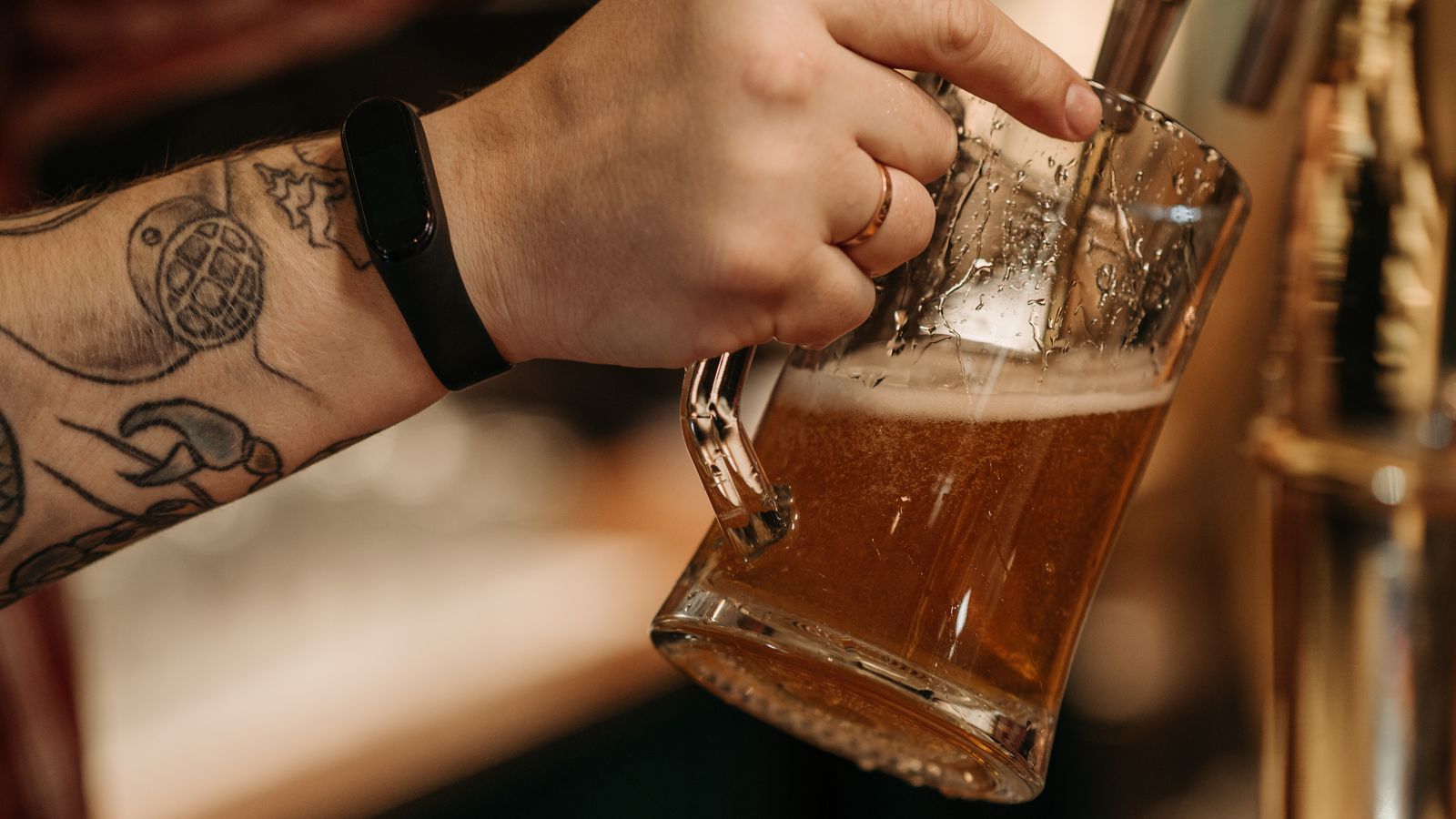
Close-up of a tattooed hand pouring beer into a glass mug from a draft tap.
The Substitution Effect Accelerates
Cannabis use climbed 11% year-over-year among adults 21-45 while alcohol consumption in the same cohort dropped 8%, the steepest one-year divergence since federal tracking began in 2021. The data, compiled from state dispensary sales figures and Nielsen alcohol-purchase trends, shows the substitution effect isn't limited to occasional users. Daily and near-daily cannabis consumers now outnumber daily alcohol drinkers in six legal states including California, Colorado, and Michigan.
Millennials and Gen Z are leading the shift. They cite health concerns, next-day functionality, and product variety as reasons for choosing cannabis over alcohol. Dispensary budtenders in Denver and Portland report a steady uptick in first-time buyers asking explicitly for "something instead of wine" or "a beer replacement."
For context on the broader substitution trend and its economic implications, see the CannIntel topic hub on Cannabis Alcohol Substitution.
Beverage Alcohol Feels the Pinch
Beer sales declined 6.3% in legal cannabis states versus 2.1% in prohibition states, according to August 2026 Nielsen data, while wine and spirits showed similar geographic splits. The pattern holds even when controlling for demographic variables, suggesting cannabis access—not generational preference alone—drives the gap.
Anheuser-Busch and Constellation Brands have both launched cannabis R&D divisions in the past 18 months. Molson Coors' Truss Beverages, a THC-infused drink line sold in Canada and Colorado, posted $47 million in Q2 2026 revenue, a 190% year-over-year jump. The pivot acknowledges what retail data already shows: consumers are reallocating intoxicant budgets, not expanding them.
The average legal-state household now spends $68 monthly on cannabis versus $52 on alcohol, reversing the 2023 ratio.
What's Driving the Trade
Three factors explain the substitution: product innovation in cannabis, wellness positioning, and generational distrust of alcohol's health profile. Dispensaries now stock low-dose gummies, fast-acting tinctures, and strain-specific vapes that deliver predictable effects without the caloric load or hangover of alcohol. Cultivars like Zkittlez and Blue Dream dominate evening-use sales, marketed explicitly as wind-down alternatives to wine.
Younger consumers cite functionality. A 28-year-old software engineer in Seattle told researchers she switched from nightly wine to 5mg THC gummies because "I can still answer Slack messages at 9 p.m. and I'm not foggy the next morning." That sentiment—cannabis as the more functional intoxicant—appears in focus groups across legal markets.
Public health data complicates the narrative. Cannabis lacks alcohol's acute toxicity and cirrhosis risk. But longitudinal studies on daily cannabis use and cognitive effects remain incomplete. The CDC hasn't issued formal guidance comparing the two.
What Comes Next
Substitution rates will likely accelerate if federal rescheduling or SAFER Banking passage expands cannabis retail footprints into currently underserved markets. Beverage alcohol's response—whether through acquisition, product pivots, or lobbying—will shape the next phase of this consumer realignment.
The trendline is hard to ignore. In states where cannabis has been legal for five-plus years, per-capita alcohol consumption now sits 14% below the national average. If that pattern holds as more states legalize, the American intoxicant landscape in 2030 will look nothing like 2020.
We'll be watching three indicators: dispensary foot traffic in newly legal states, alcohol industry M&A targeting cannabis brands, and whether the next wave of THC beverage launches can capture the social-drinking occasion that cannabis flower and vapes have largely missed.
Frequently asked questions
Are Americans really replacing alcohol with cannabis?
Yes, in legal states. Cannabis use climbed 11% among adults 21-45 in 2026 while alcohol consumption in the same group dropped 8%. Household spending on cannabis now exceeds alcohol spending in legal markets, and beer sales show a 6.3% decline in legal states versus 2.1% in prohibition states.
Why are consumers choosing cannabis over alcohol?
Three reasons dominate: product variety (low-dose edibles, fast-acting tinctures, strain-specific effects), perceived health benefits (no hangover, fewer calories, lower toxicity), and next-day functionality. Younger consumers report cannabis allows them to unwind without cognitive fog the following morning.
How is the alcohol industry responding?
Major beverage companies are launching THC-infused drink lines. Molson Coors' Truss Beverages posted $47 million in Q2 2026 revenue, up 190% year-over-year. Anheuser-Busch and Constellation Brands have opened cannabis R&D divisions, signaling a strategic pivot as beer and wine sales decline in legal markets.
Is cannabis safer than alcohol?
Cannabis lacks alcohol's acute toxicity, liver damage risk, and overdose potential, but longitudinal data on daily cannabis use and cognitive effects remain incomplete. The CDC has not issued comparative guidance. Public health researchers caution that substitution doesn't eliminate intoxicant risk, only shifts it.
Will this trend continue?
Likely, especially if federal rescheduling or SAFER Banking passage expands retail access. In states with five-plus years of legal cannabis, per-capita alcohol consumption sits 14% below the national average. If that pattern holds as more states legalize, the substitution effect will accelerate through 2030.
Sources
The cannabis newsletter you forward to your team.
Federal policy, market data, grower alerts, and the one story that matters today. Sent every weekday at 7am. Free.
No spam. Unsubscribe with one click. 21+ only.
Related from Culture

17% of Americans Now Smoke Cannabis, Tying 2023 Record High
Gallup poll shows edibles consumption at 15%, marking steady mainstreaming of cannabis use across demographics.

Marijuana Use Rises as Alcohol Consumption Falls Across U.S.
New consumption data shows Americans increasingly choosing cannabis over alcohol, accelerating a trend tracked since 2021.
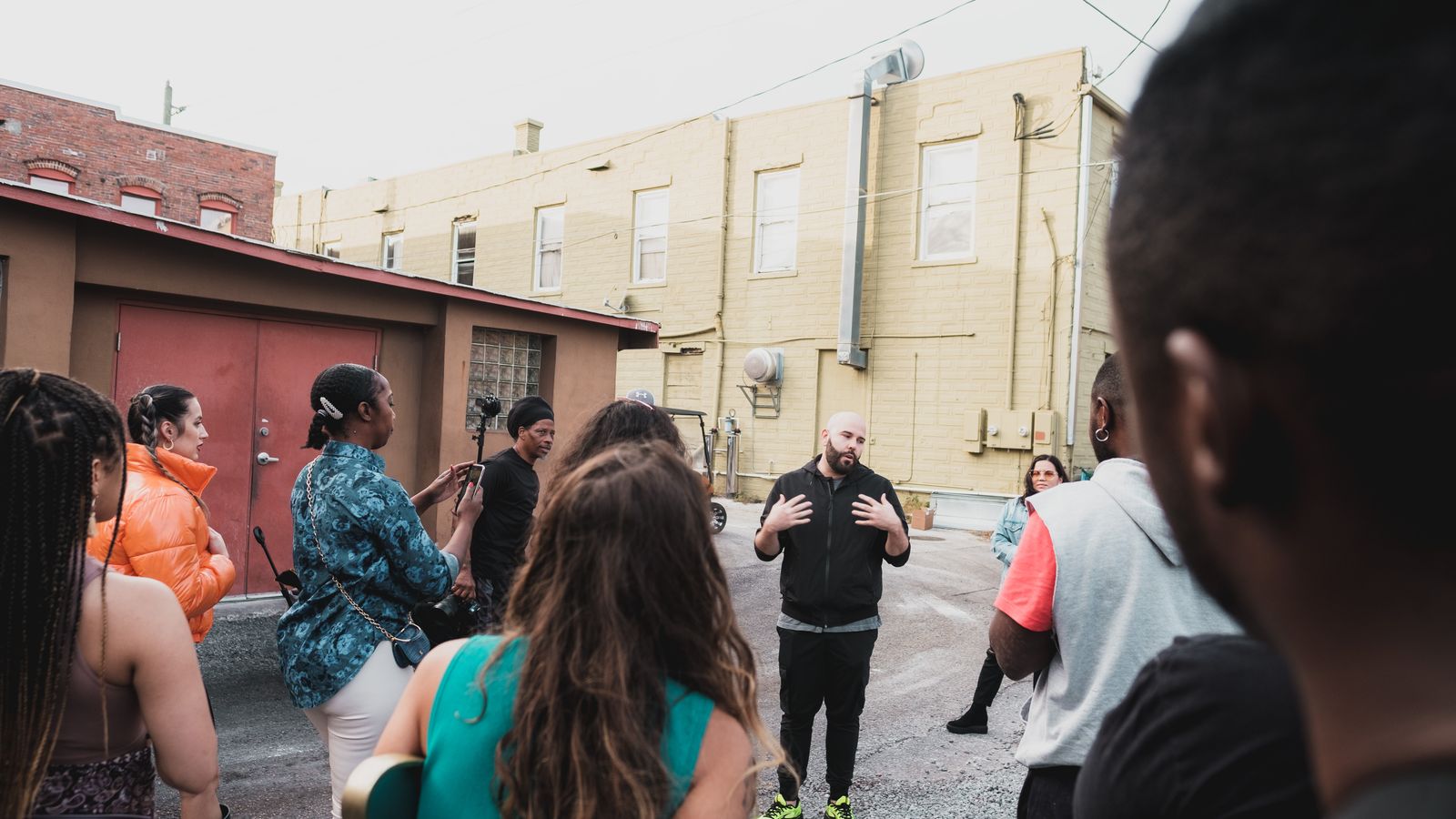
Black Cannabis Week Returns to Philadelphia With Free Expungement Clinic
The three-day event runs Sept. 25-27 with on-site record clearing, operator panels, and community networking.
More from the newsroom

Marijuana Treatment Admissions Highest in States Where Cannabis Remains Illegal
New federal data shows states without legal cannabis report more drug treatment admissions for marijuana use than legal markets.
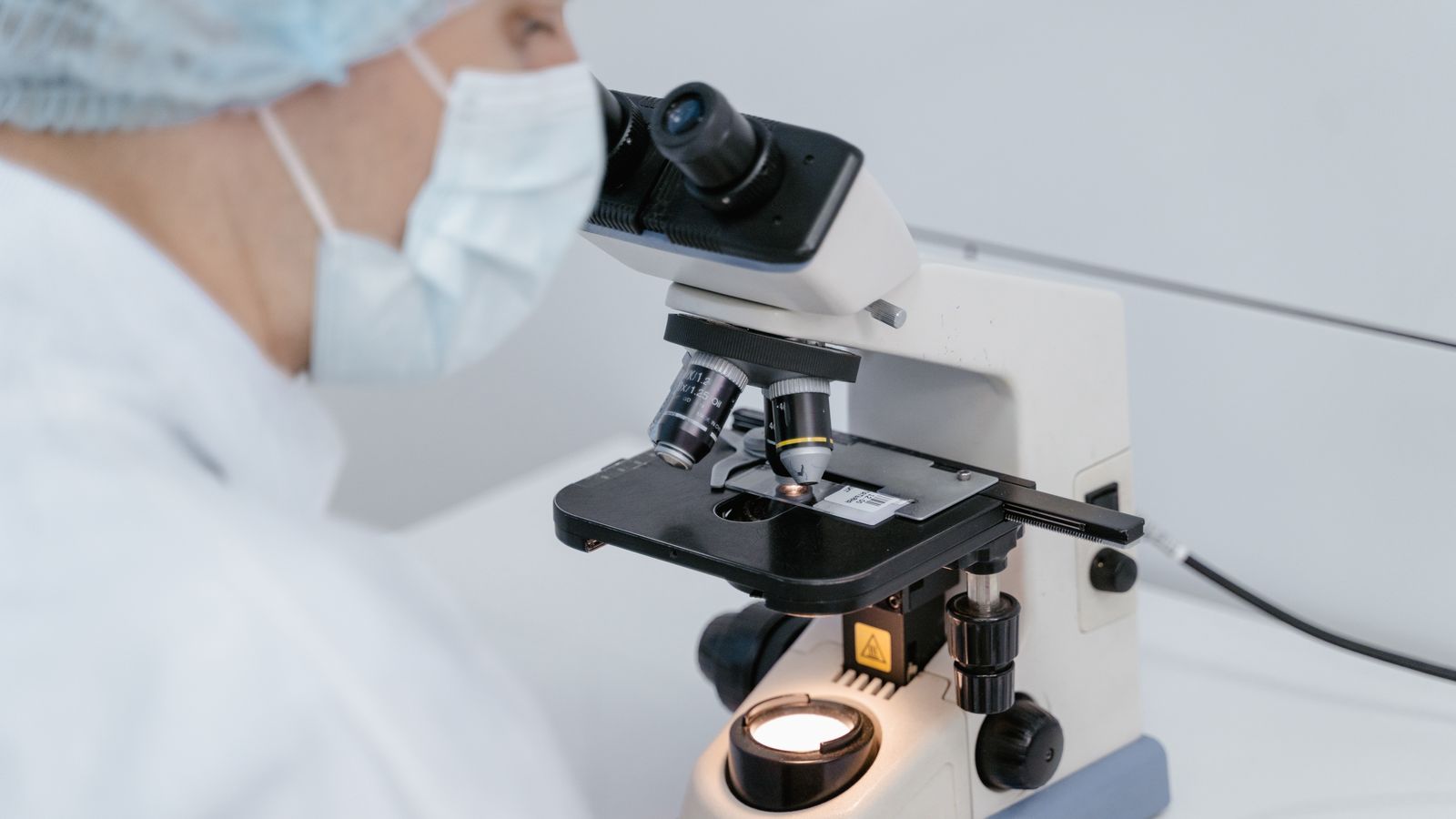
Kennesaw State Publishes THC Brain Research, Alzheimer's Drug Studies
University neuroscience team releases two peer-reviewed papers examining THC exposure effects and Alzheimer's therapeutics.
CDC Proposes Medical Cannabis Question for Federal Health Survey
The Centers for Disease Control and Prevention is seeking to add medical marijuana use to a national health tracking system.