The craft cannabis economics that the MSOs cannot match
Small-batch cultivators are gaining share in mature markets. Here's the cost structure behind why.
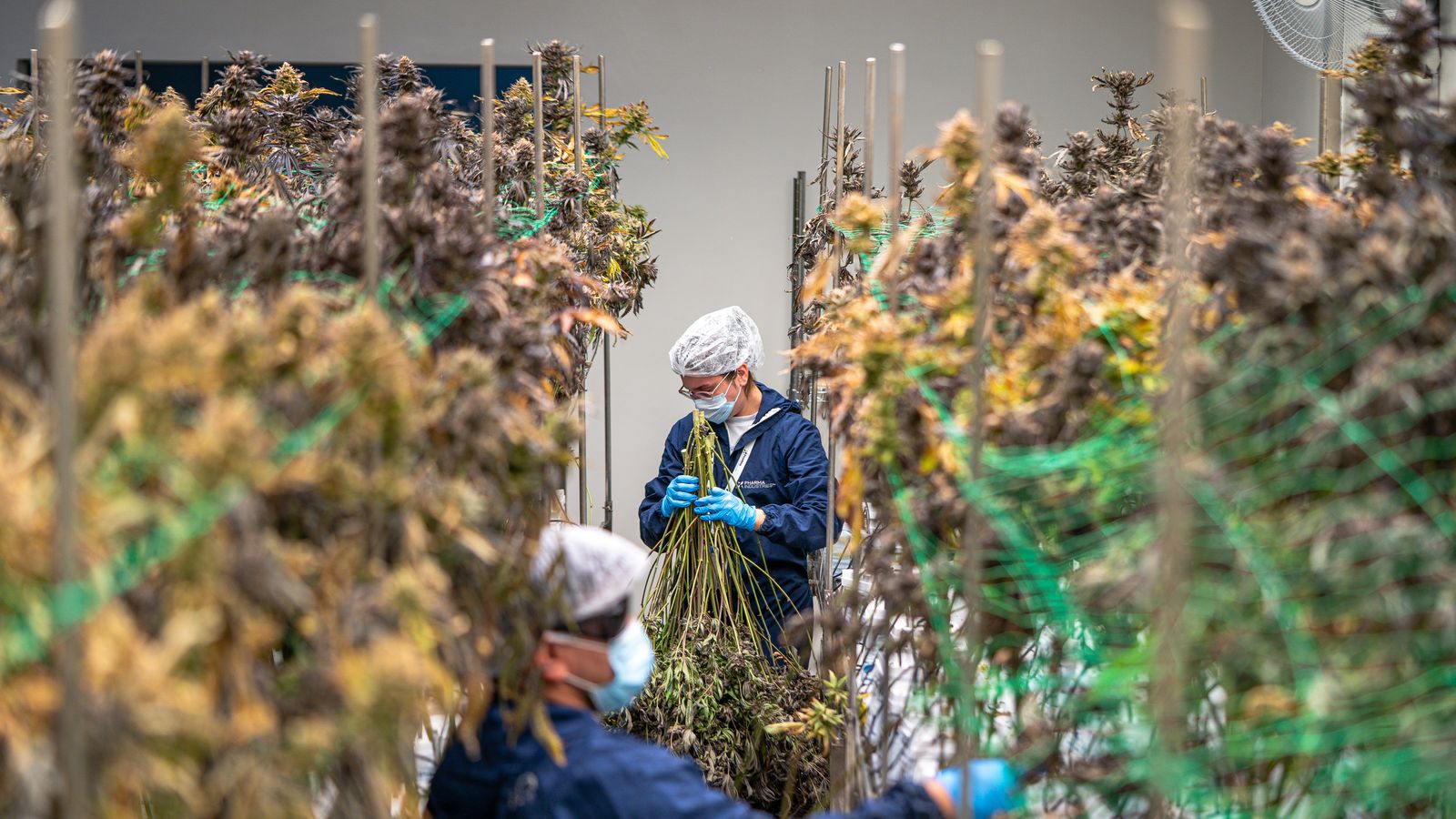
Hand trimming cannabis flower at a craft cultivation operation
The wholesale price compression story is real and unrelenting at the commodity end of the market. The story that gets told less often: at the craft end of the market, prices have not compressed. Single-strain, hand-trimmed, small-batch flower in mature markets continues to trade at $1,800 to $3,000 per pound while commodity wholesale grinds toward $600 to $800.
The cost structure that explains it
Small-batch operators are running labor-intensive production: hand trimming, slow drying in environmental rooms instead of forced drying, individual phenotype selection, single-strain batches sized to actual demand rather than cultivation capacity utilization. That labor model is genuinely uneconomic at MSO scale — the throughput compromises required to industrialize it eliminate the quality differential that drives the premium price.
Consumer willingness to pay
The premium-price segment has held through three years of commodity-flower compression. Consumer behavior in mature markets has bifurcated: a value-seeking segment that buys on price-per-gram, and a quality-seeking segment that buys on cultivator reputation and terpene profile. Those two segments do not appear to be substitutes for each other.
The strategic constraint
Where small-batch cultivators lose is distribution. They cannot reliably win shelf presence across a 50-store retail chain operated by a vertically integrated MSO competitor. The operators we see scaling are the ones who have figured out a distribution strategy — direct-to-dispensary relationships with independent retail, exclusive partnerships with high-quality MSO retail concepts, or vertical models of their own.
Kira covers the publicly-traded cannabis sector, MSO earnings, M&A activity, and wholesale pricing trends. Previously a junior equity analyst on a cannabis-focused fund.
The cannabis newsletter you forward to your team.
Federal policy, market data, grower alerts, and the one story that matters today. Sent every weekday at 7am. Free.
No spam. Unsubscribe with one click. 21+ only.
Related from Business

More from the newsroom

Where DEA cannabis rescheduling actually stands in 2026
The administrative law judge process, the public comment record, and the political calendar between now and a final rule.

Hop latent viroid is now the costliest pathogen in commercial cannabis
How to detect it, why bleach is not enough, and the tissue-culture clean stock pipeline reshaping the industry.
Northern Lights: the original outdoor workhorse, profiled
Genetic background, terpene structure, yield benchmarks, and why this strain is still the default beginner outdoor pick in 2026.