Hop latent viroid is now the costliest pathogen in commercial cannabis
How to detect it, why bleach is not enough, and the tissue-culture clean stock pipeline reshaping the industry.
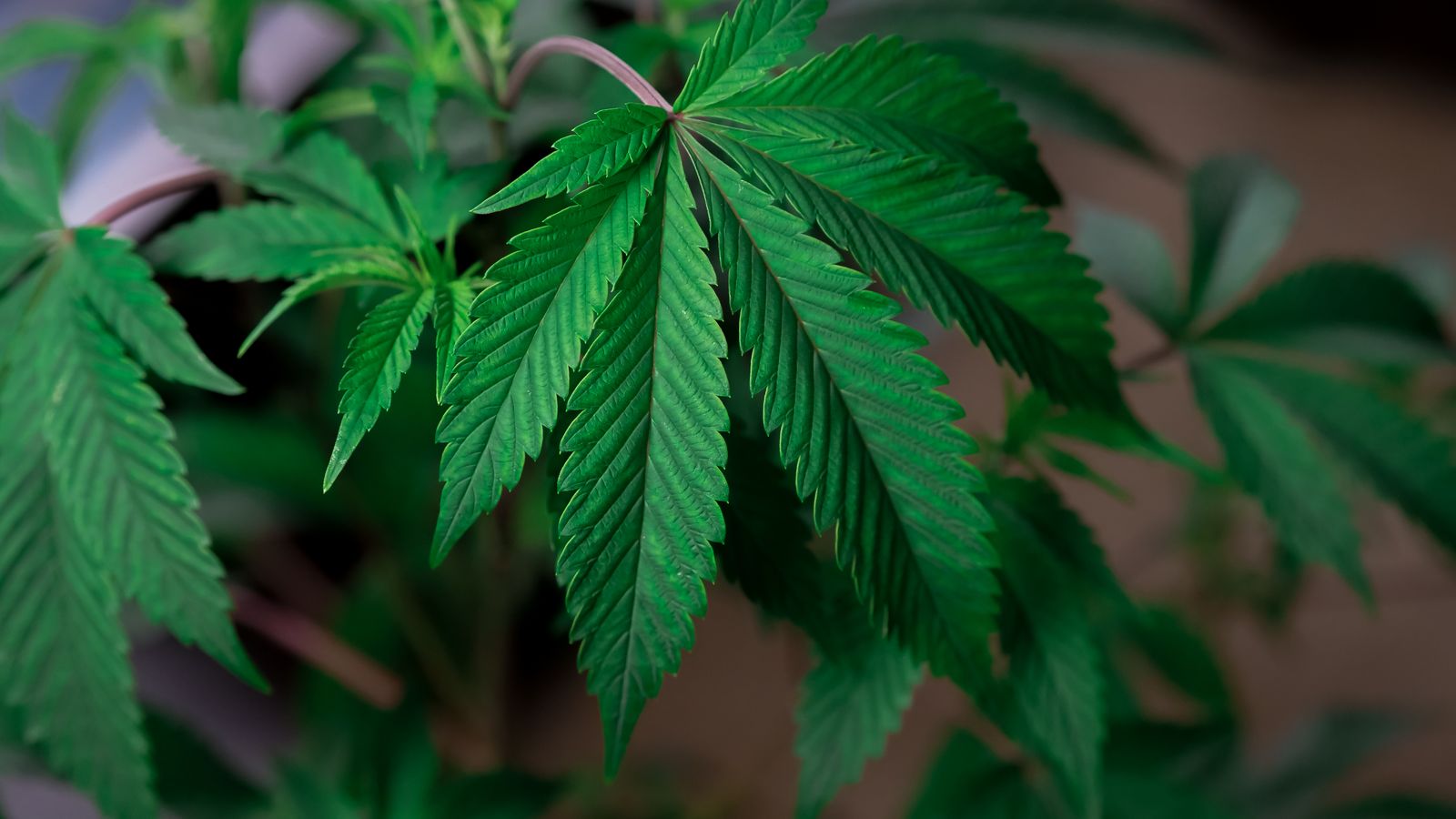
Cannabis plant leaves in commercial cultivation
If you run a commercial cannabis operation in 2026 and you haven't tested for hop latent viroid, your library is statistically likely to be infected. Independent surveys of certified testing labs put U.S. prevalence in commercial gardens somewhere between 30 percent and 90 percent depending on the region — and most cultivators carrying it have no idea.
What HLVd actually is
Hop latent viroid is not a fungus, not a bacterium, and not a virus in the conventional sense. It's a 256-nucleotide circular single-stranded RNA — among the smallest pathogens known. It replicates inside plant cells, spreads systemically, and is transmitted primarily through mechanical means: blades, hands, and infected clones. It does not require an insect vector.
The symptoms that should put you on alert
The clinical picture varies by cultivar, but the consistent indicators are:
- Yield drops of 30 to 50 percent on plants that previously produced normally.
- Reduced terpene expression — flowers smell flat or unfamiliar.
- Loose, airy bud structure compared to historical phenotype expression.
- Brittle stems, abnormal leaf morphology, and stunted lateral development.
By the time you can see these symptoms walking the canopy, the viroid is already widespread. That is the central operational problem with HLVd: clinical presentation lags infection by months.
Sanitation that actually works
Most cannabis sanitation protocols were written for fungal pathogens. They do not work on viroids. Bleach at the dilutions cultivators typically use, isopropyl alcohol, and quaternary ammonium compounds will not reliably inactivate viroid RNA on tools or surfaces.
The protocols that do work are RNase-active: trisodium phosphate solutions at appropriate concentrations and dwell times, and the commercial products specifically validated against HLVd by independent labs. The dwell time matters as much as the chemistry — most cleaning failures we see in commercial settings are speed-of-work failures, not product failures.
The tissue-culture clean-stock pipeline
Once a library is contaminated, the only durable path back is meristem tissue culture combined with PCR validation. The meristem — the tiny actively dividing tissue at the growing tip — is functionally too small and too active for the viroid to colonize at the same rate as mature tissue. Excised and cultured under sterile conditions, that meristem can be regenerated into a clean plant. PCR testing then confirms the absence of viroid RNA before the line is reintroduced to production.
Several U.S. labs and tissue-culture services now offer this as a paid pipeline. Expect 12 to 16 weeks from sample submission to a returned clean clone, and budget accordingly.
What we would do this week
- Test five to ten asymptomatic mothers from each cultivar line by PCR.
- If anything tests positive, isolate aggressively and assume cross-contamination on tools.
- Replace shears with a dedicated set per room and validate your disinfection product against viroid claims, not just bacterial ones.
- Identify your two or three highest-value cultivars and begin tissue-culture cleaning on those first.
Treat HLVd the way the wine industry treats phylloxera or the citrus industry treats greening. It is not a campaign you finish — it is a permanent operational discipline.
Frequently asked questions
What is hop latent viroid?
A 256-nucleotide circular single-stranded RNA pathogen that infects cannabis. It is not a virus or a fungus — it is a viroid, transmitted mechanically by tools, hands, and infected clones.
How do I test for HLVd?
Send leaf or root tissue samples to a certified plant pathology lab for PCR testing. Test asymptomatic mothers; visible symptoms appear only after widespread infection.
Does bleach kill HLVd?
Not reliably at home-grower concentrations. RNase-active disinfectants — trisodium phosphate solutions and commercially validated products — are required.
Can an infected plant be cleaned?
Yes, via meristem tissue culture combined with PCR validation. Expect 12–16 weeks from sample submission to a returned clean clone.
Sources
Rio has run commercial cannabis cultivation operations across three states and now reports on growing science, genetics, and emerging plant pathologies — including hop latent viroid.
The cannabis newsletter you forward to your team.
Federal policy, market data, grower alerts, and the one story that matters today. Sent every weekday at 7am. Free.
No spam. Unsubscribe with one click. 21+ only.
Related from Grow
LED vs HPS in 2026: the calculation has changed
Modern high-efficacy LEDs hit 3.0 µmol/J. Here's how that recasts the economics versus 1000W HPS.

The germination method that consistently pops 95% of seeds
Four steps, 48 to 72 hours, and every mistake we've made so you don't have to.

Outdoor soil prep for 2026: amend the holes, not the transplants
What to mix, when to mix it, and why the week before transplant matters more than the day of.
More from the newsroom

Where DEA cannabis rescheduling actually stands in 2026
The administrative law judge process, the public comment record, and the political calendar between now and a final rule.

The Q1 2026 MSO earnings: who's surviving compression, who isn't
Wholesale prices keep grinding lower. We read every earnings call so you don't have to.
Northern Lights: the original outdoor workhorse, profiled
Genetic background, terpene structure, yield benchmarks, and why this strain is still the default beginner outdoor pick in 2026.