Review Finds CBD May Shield Brain From Meth Injury, Trials Absent
A review reported Oct. 31 says cannabidiol may protect against methamphetamine-related brain damage through several pathways, but no human trial data is cited in the report.
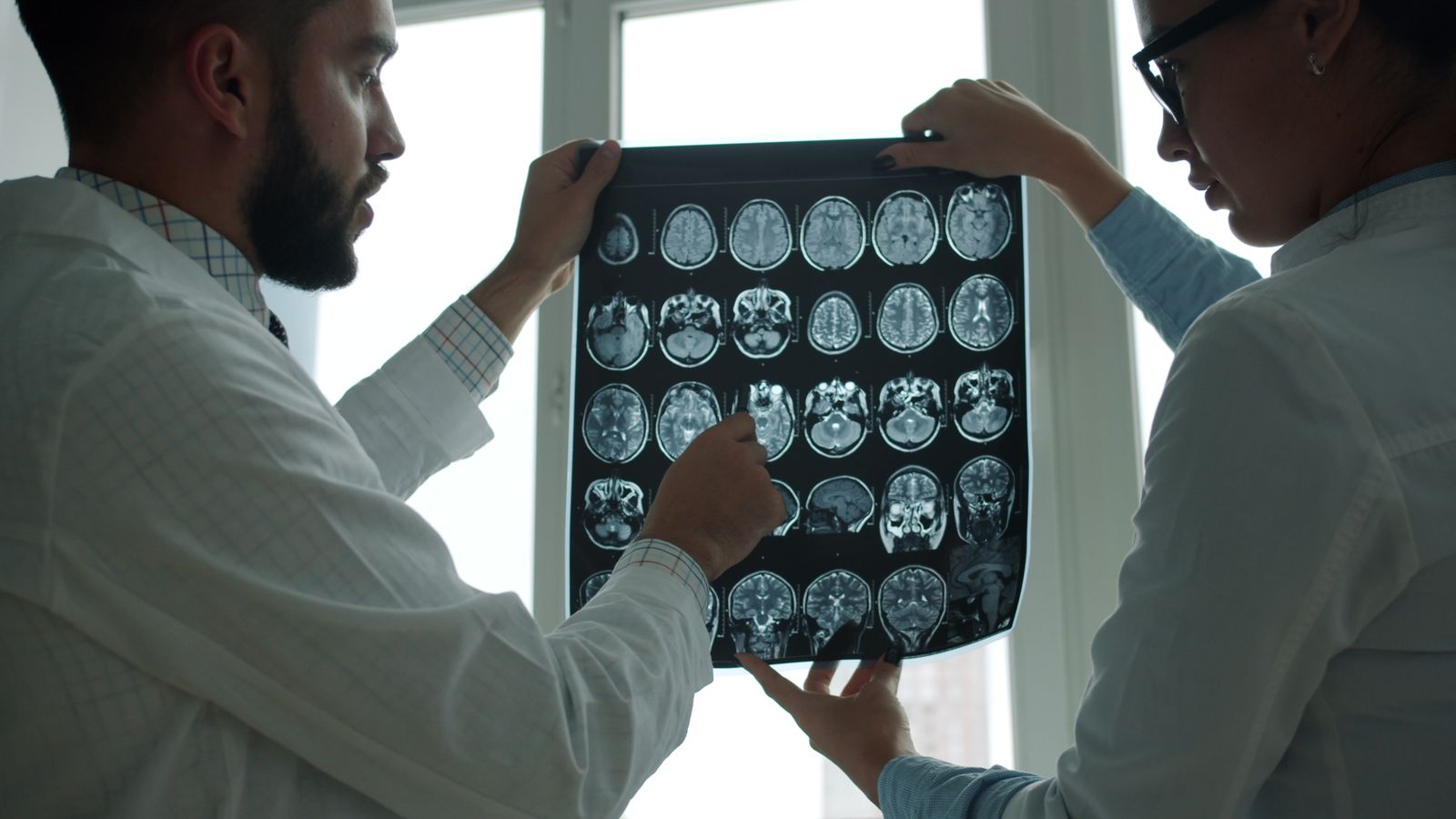
Two doctors examining MRI brain scans in a well-lit hospital room.
What the review says, and what it doesn't
The Marijuana Herald reported on Oct. 31 that a scientific review found CBD may protect against methamphetamine-related brain injury through multiple biological pathways.
That headline is the extent of what CannIntel could verify from the signal. The report as available to us doesn't identify the journal, the authors, the studies included or the specific pathways. We won't guess at them.
The operative word is "may." Hedged language is standard in this kind of literature, and it should anchor how the finding is read.
A review is a map, not a trial
A review synthesizes prior studies, so it can't establish that CBD helps people who use methamphetamine.
Reviews pull together existing evidence and look for patterns, but whether this one leaned on cell and animal work, human data or a mix isn't clear from the report. A "multiple pathways" conclusion is a mechanistic argument: it says CBD touches several processes tied to the injury. It doesn't say patients recover.
What would upgrade the evidence:
- A randomized, controlled human trial with defined dose and formulation
- Prespecified cognitive or imaging endpoints rather than mechanistic markers
- A named sponsor with an investigational new drug application on file at the FDA
None of those appear in the signal.
The bull case and the bear case
The bull case rests on an unmet medical need; the bear case rests on the absence of clinical proof.
Start with the bull case, which is simple. The FDA hasn't approved a medication for methamphetamine use disorder, so any credible neuroprotective angle gets attention. If later work holds up, it would give CBD a therapeutic story beyond wellness positioning.
Bear arguments run longer. There's no trial in the report, no sponsor and no dose. Hemp-derived CBD has also struggled commercially since the 2018 Farm Bill opened the market, so a mechanistic paper doesn't fix weak unit economics.
A headline isn't a catalyst.
Who actually has exposure
Nothing in the signal ties this review to a public company, so there's no clean ticker read-through.
Epidiolex, owned by Jazz Pharmaceuticals, remains the only FDA-approved CBD-derived drug, and it's indicated for certain seizure disorders, not stimulant injury. Jazz is the closest comparable for a prescription CBD pathway, but the review gives it no label expansion.
Consumer CBD sellers are in a different position:
- They can't market products as treating brain injury or addiction-related conditions
- The FDA hasn't cleared CBD as a food or dietary supplement ingredient
- A weak preclinical signal could invite aggressive marketing, and with it enforcement risk
Not an investable thesis. Not yet.
The regulatory path from here
Any company pursuing this indication would need to file an investigational new drug application with the FDA and run controlled human trials.
That process takes years and real capital, and it also requires a defined formulation, which is a hurdle for a market where product quality varies widely.
For full background on the evidence base, see the CannIntel topic hub on CBD neuroprotection research. The hub tracks how preclinical findings have, and haven't, translated into trials.
Methamphetamine-related neurotoxicity is a serious public health problem in states from California to Ohio. That raises the stakes for rigorous work, and it raises the cost of overselling weak work.
What to watch
Three markers will show whether this review is a footnote or the start of a development program.
- Identification of the full paper, including journal, authors and the studies reviewed
- A trial registration on ClinicalTrials.gov that names a sponsor and endpoints
- Any company disclosure, in a filing or earnings call, that cites the research as part of a pipeline
Until one of those shows up, this is a science story, not a market story. The next signal is a registered human trial, and we'll flag it when it appears.
Sources
The cannabis newsletter you forward to your team.
Federal policy, market data, grower alerts, and the one story that matters today. Sent every weekday at 7am. Free.
No spam. Unsubscribe with one click. 21+ only.
Related from Medical

Study Finds CBC-Derived Compounds Trigger Prostate Cancer Cell Death
A study reported Oct. 31 says compounds derived from cannabichromene killed prostate cancer cells, but the data is preclinical and the details are thin.

University of Florida Study Finds 81% Cut Opioids With Medical Cannabis
A University of Florida study reports 94% of chronic pain patients saw relief and 81% reduced or stopped opioids, though key methodology details remain unreported.

Study Finds No Overall Rise in Impairment Among Frequent Users
A study reported Oct. 31 says legalization wasn't tied to higher overall impairment among frequent users, but the underlying methodology hasn't been published in the initial report.
More from the newsroom
High Times Flags December Start for Federal Hemp Redefinition
A Nov. 1 High Times consumer guide puts the federal hemp redefinition in December. CannIntel lays out what is confirmed and what buyers should verify.

UL Lawyers Publishes Explainer on Ontario Illegal Cannabis Crackdown
A law-firm explainer revives scrutiny of Ontario's enforcement against unlicensed cannabis shops. Here is the legal framework operators need to read it against.

Retired Cops Urge Massachusetts Voters to Keep Marijuana Sales Legal
Law Enforcement Action Partnership authors Diane Goldstein and Karen Hawkes argue in an op-ed that renewed cannabis enforcement would burden Massachusetts police.