True Terpenes Opens Vape Safety Program to Outside Expert Review
The terpene supplier built a toxicology program for vape ingredients without a regulatory mandate, then invited an outside expert to audit it.

An array of laboratory glassware showcasing scientific experiment setups in a modern lab.
A voluntary program faces its first outside audit
True Terpenes built a toxicology program for vape ingredients without being required to, then asked an outside expert to review the team's work.
That detail comes from Cannabis Now's November 12 report. The outlet's summary didn't name the reviewer or publish findings in the excerpt available to CannIntel, so the review's conclusions remain unreported here.
Sequence matters. Companies usually commission safety work after a regulator or a lawsuit forces the question. Building first and auditing second reverses that order.
Why ingredient oversight is the gap
Vape ingredient safety in U.S. cannabis markets still rests largely on a patchwork of state rules and supplier self-policing.
Terpenes sit squarely in that gap. Producers add them to distillate to restore flavor and aroma, and the blends often come from third parties. Buyers frequently rely on a certificate of analysis and the supplier's word. Not much else.
A voluntary toxicology program tries to close that distance before a regulator does, but it leaves a question hanging: who verifies the verifier? An external review is one answer, though its value depends on the reviewer's independence and on whether the results are made public.
A supplier auditing its own safety work is a start; publishing what an independent expert found is what would turn it into a standard buyers can compare.
The import angle: Latin American flower, U.S. flavor
Ingredient safety standards set in the U.S. vape market ripple outward to the Latin American producers eyeing export.
Colombia, Uruguay and Brazil's growing medical cannabis sector all watch U.S. product rules closely. Operators in Colombia already licensed for extract exports know that a buyer in a regulated American market will ask what went into the cartridge, not just what came out of the plant. Terpene sourcing is part of that conversation.
A published supplier-level toxicology framework gives those exporters something concrete to match. Without one, each buyer invents its own spec, and smaller producers bear the compliance cost.
For full background on this story, see the CannIntel topic hub on Cannabis Vape Ingredient Safety. The next thing to watch is whether True Terpenes releases the reviewer's findings, and whether other suppliers follow with audits of their own.
Frequently asked questions
What did True Terpenes do?
According to Cannabis Now, True Terpenes built a toxicology program for vape ingredients without being required to, then invited an outside expert to review the team's work.
Who reviewed the True Terpenes program?
The excerpt of the Cannabis Now report available to CannIntel did not name the outside expert or detail the review's conclusions. Readers should consult the full Cannabis Now article for those specifics.
Is toxicology testing of vape ingredients required by law?
The Cannabis Now report describes True Terpenes' program as voluntary, built without a requirement. Vape ingredient rules vary by state, and CannIntel did not verify specific statutory mandates for this story.
Why do terpenes matter for vape safety?
Terpenes are commonly added to vape distillate for flavor and aroma. Because blends are often sourced from third-party suppliers, the safety of those additives depends on the supplier's own testing and disclosure.
Sources
The cannabis newsletter you forward to your team.
Federal policy, market data, grower alerts, and the one story that matters today. Sent every weekday at 7am. Free.
No spam. Unsubscribe with one click. 21+ only.
Related from Business

Cultivate Newsletter Questions Whether Capital Decides Consolidation Winners
A Nov. 12 MGRetailer newsletter item says an executive's restructuring experience points to factors beyond capital and technology in determining which cannabis firms survive.
Redecan to close Fenwick cannabis site in early 2027
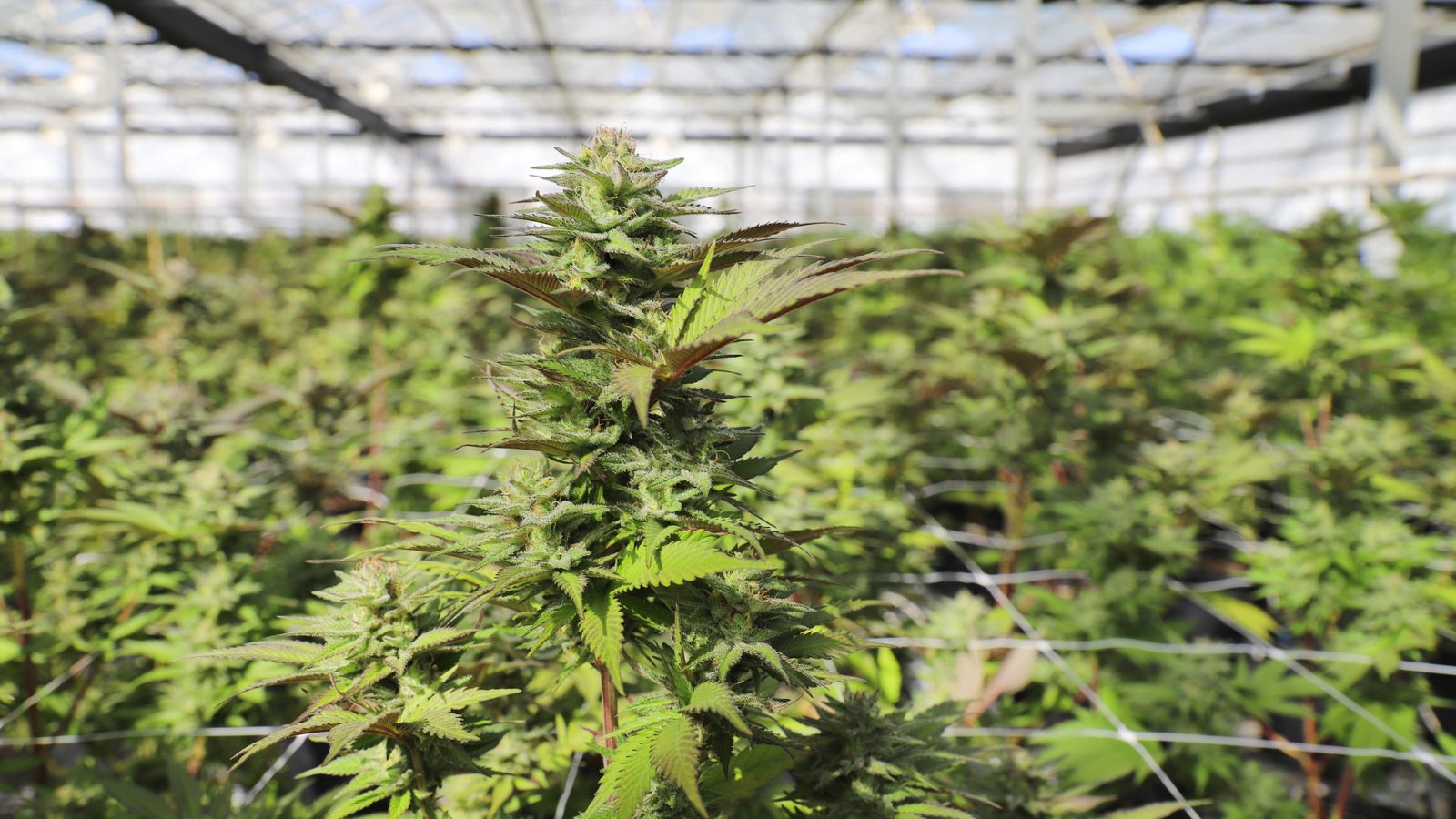
The Ontario licensed producer plans to shut its Fenwick facility in early 2027, adding to a pattern of Canadian cultivation capacity being cut rather than built.

Brazil's Medical Cannabis Market Hits $90M a Year as Prescriptions Surge
High Times reports Brazil's prescription-driven medical cannabis market has reached roughly $90 million annually, but the signal leaves key tax and regulatory questions unanswered.
More from the newsroom
Texas Marijuana Legalization Gains Talk After Blue Wave, Obstacles Loom
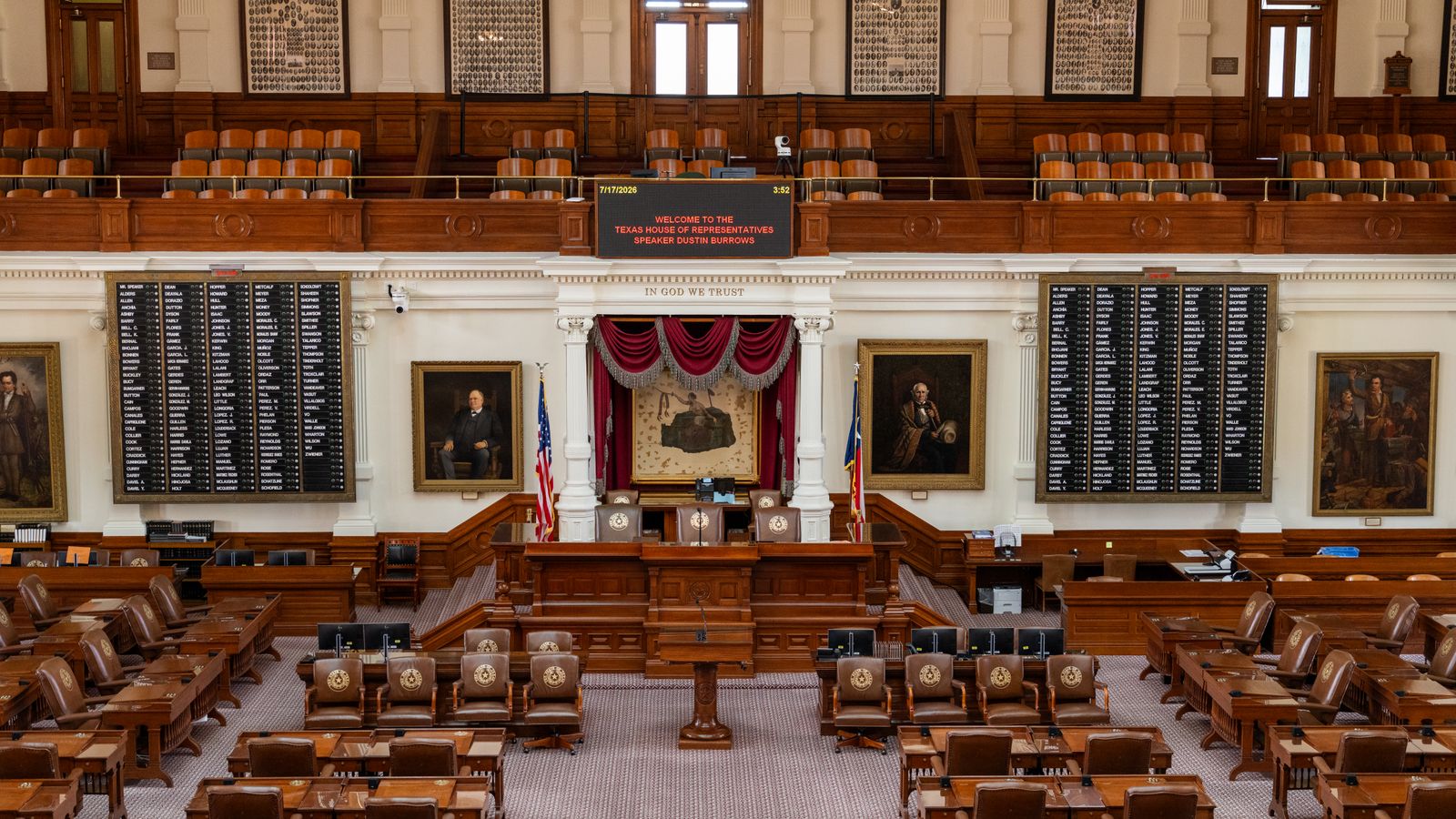
Houston Public Media reports a Democratic surge has revived Texas legalization talk, but the legislative and constitutional math still stands in the way.

Sherrill Signs Bill Pushing NJ Intoxicating Hemp Ban Back a Month
New Jersey's Gov. Mikie Sherrill signed legislation delaying the state's ban on intoxicating hemp beverages by one month, according to Heady NJ, shifting a compliance deadline for retailers and brands.

Federal Rule Bars THC-O and Other Synthetic Cannabinoids in Hemp
Hemp products containing unnatural cannabinoids like THC-O are now federally prohibited, closing a gap that let acetylated and converted compounds ride the 2018 Farm Bill.