Supreme Court Petition Challenges State Cannabis Residency Rules
Petitioners ask SCOTUS whether the Commerce Clause bars states from requiring cannabis-license applicants to be in-state residents.
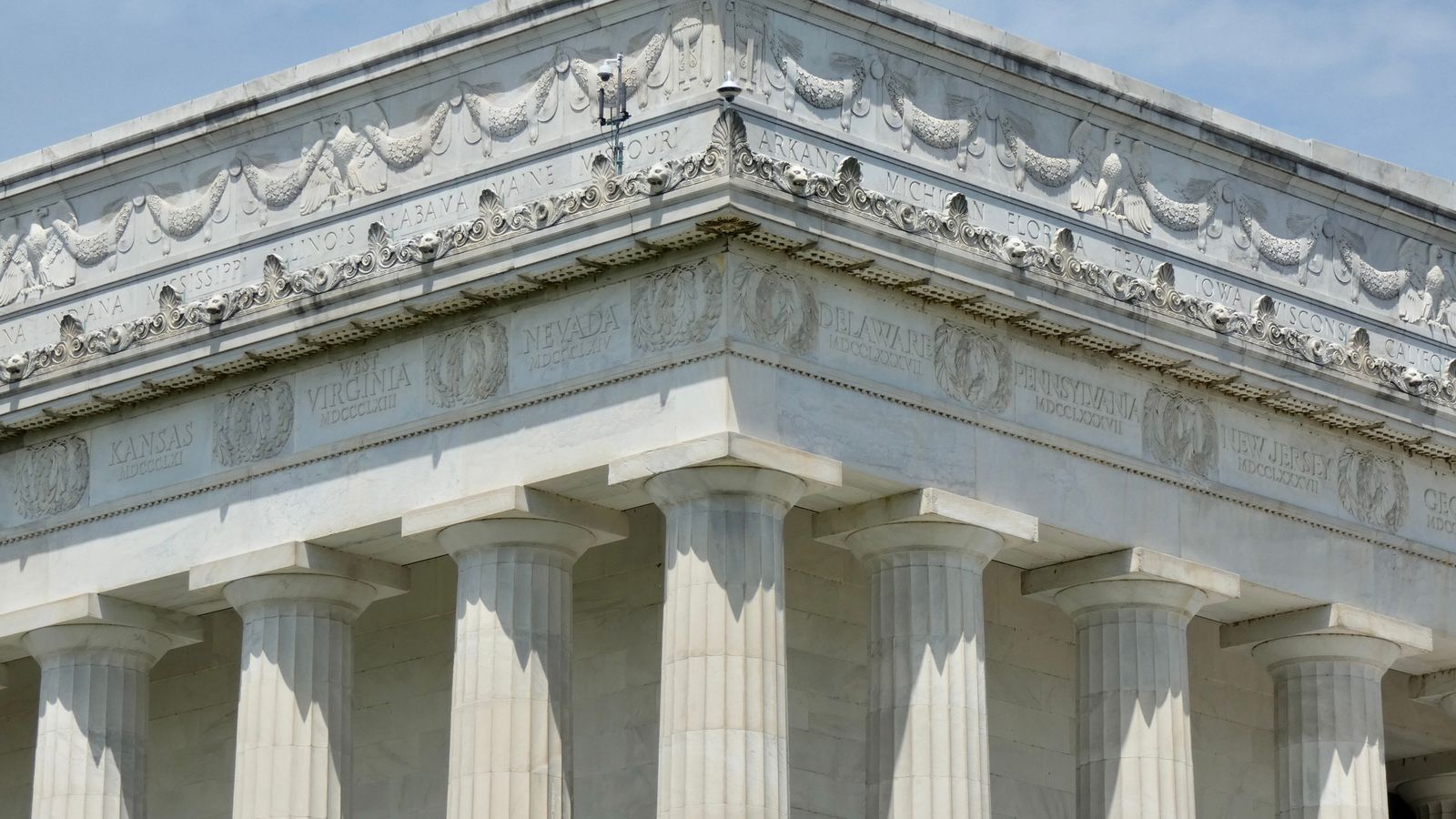
Close-up view of the Lincoln Memorial's columns highlighting neoclassical design in Washington, DC.
The Constitutional Question at the Heart of State Licensing
The petition centers on whether state residency mandates for cannabis licenses violate the dormant Commerce Clause, which bars states from discriminating against interstate commerce. Roughly 24 states impose some form of residency or in-state ownership requirement for dispensary, cultivation, or manufacturing licenses. Proponents say these rules protect local entrepreneurs and prevent out-of-state MSOs from monopolizing markets. Critics call them unconstitutional barriers that favor in-state actors over equally qualified out-of-state applicants.
The dormant Commerce Clause doctrine holds that states can't enact protectionist laws that favor local businesses at the expense of interstate competition—even when federal legislation is silent. Courts have struck down residency rules in industries ranging from alcohol wholesale to municipal bonds. But cannabis sits in a legal gray zone. It remains federally illegal under the Controlled Substances Act, and some courts have said there's no "interstate commerce" in a Schedule I substance to protect.
That's the tension the petitioners want SCOTUS to resolve. If the Court agrees to hear the case and rules that the Commerce Clause does apply, states would likely have to scrap residency caps, opening licensing to national operators and potentially accelerating consolidation. If the Court declines or rules the other way, states retain broad latitude to wall off their markets.
Why This Matters: Licensing, Consolidation, and Market Access
A Supreme Court ruling in favor of petitioners would invalidate residency requirements in states like Illinois, New Jersey, Massachusetts, and New York—markets where local-ownership mandates have been central to social-equity and anti-monopoly policy. Illinois requires that 51% of a dispensary's ownership be held by Illinois residents for at least one year before application. New Jersey's social-equity program prioritizes in-state applicants. New York's OCM has reserved conditional licenses for state residents with prior cannabis convictions.
If residency walls come down, expect a wave of M&A as MSOs snap up equity-license holders who no longer need to maintain in-state ownership stakes.
The financial stakes are significant. MSOs have spent years navigating state-by-state ownership structures, often partnering with local groups or setting up complex management agreements to comply with residency rules. A Commerce Clause win would let them own outright. Smaller operators could face stiffer competition and faster market saturation. Consumers might see lower prices and more product variety—or fewer locally rooted businesses, depending on your vantage point.
States counter that cannabis is still federally illegal, so there's no legitimate "interstate commerce" to invoke the Commerce Clause. The Tenth Circuit adopted this view in a 2020 case involving Oklahoma's residency rule, holding that the Commerce Clause doesn't protect commerce in contraband. But the Ninth Circuit has hinted at a different read. The circuit split makes SCOTUS review more likely.
What Happens Next and What to Watch
The Court will decide in the coming months whether to grant certiorari—accept the case for argument—or deny the petition and leave the circuit split unresolved. If the justices take the case, oral arguments would likely occur in early 2027, with a decision by June. Deny it? Residency rules stay on the books. States continue to set their own ownership standards.
Even if SCOTUS doesn't act, the petition puts pressure on state legislatures. Several states—including Connecticut and Rhode Island—have already softened or eliminated residency requirements in recent licensing rounds, anticipating legal challenges. Expect more states to revisit these provisions as the petition generates headlines and as MSOs lobby for broader market access.
For hemp and THCA operators, the implications are indirect but real. If the Court opens cannabis licensing to interstate players, the same logic could eventually apply to state attempts to restrict hemp-derived intoxicants by residency. The Commerce Clause doesn't care whether the cannabinoid is delta-9 THC or THCA—if it's legal under federal law (as hemp is under the 2018 Farm Bill), states have less room to discriminate. This case is a bellwether for how courts will treat state protectionism in all cannabinoid markets.
We'll be watching the Court's docket in October for a grant or denial. If granted, expect amicus briefs from the Cannabis Trade Federation, NCIA, state attorneys general, and social-equity coalitions. The legal terrain remains unsettled until the Court speaks—or declines to.
For complete background, history, and our ongoing coverage of this story:
Open the CannIntel topic hub →Frequently asked questions
What is the dormant Commerce Clause?
The dormant Commerce Clause is a constitutional doctrine that prohibits states from enacting laws that discriminate against or unduly burden interstate commerce, even without explicit federal legislation. Courts have used it to strike down protectionist state rules in industries from alcohol to bonds.
Which states have cannabis residency requirements?
Roughly 24 states impose some form of residency or in-state ownership mandate for cannabis licenses, including Illinois, New Jersey, Massachusetts, New York, Oklahoma, and Michigan. Requirements vary—some demand 51% in-state ownership, others prioritize residents in scoring or cap out-of-state stakes.
How does federal prohibition affect the Commerce Clause argument?
Some courts have held that because cannabis is federally illegal, there's no legitimate "interstate commerce" for the Commerce Clause to protect. Others have suggested the Clause still applies. The circuit split on this question is why petitioners are asking SCOTUS to resolve it.
What happens if the Supreme Court rules residency requirements are unconstitutional?
States would have to eliminate or revise residency mandates, opening licensing to out-of-state applicants. This would likely trigger a wave of M&A as MSOs acquire equity-license holders and expand into previously restricted markets, accelerating consolidation.
When will the Supreme Court decide whether to hear the case?
The Court typically acts on certiorari petitions within a few months. If granted, oral arguments would likely occur in early 2027, with a decision by June. If denied, residency rules remain in place and states retain broad control over licensing criteria.
Sources
The cannabis newsletter you forward to your team.
Federal policy, market data, grower alerts, and the one story that matters today. Sent every weekday at 7am. Free.
No spam. Unsubscribe with one click. 21+ only.
Related from Laws
Massachusetts Adult-Use Cannabis Sales Face Legislative Threat
Industry coalition mobilizes as lawmakers consider restrictions on recreational marijuana program.

House Reintroduces Cannabis Insurance Safe Harbor in Fourth Attempt
Federal lawmakers filed legislation to shield insurers serving state-legal cannabis operators from federal prosecution.
Massachusetts Cannabis Control Commission Announces Major Regulatory Overhaul
The state regulator signals comprehensive changes to licensing, compliance, and operational rules for adult-use and medical cannabis operators.
More from the newsroom

New Jersey Dispensaries Push Back on THC Potency Obsession
Retailers and budtenders say customer fixation on high-THC flower is distorting the market and sidelining quality cultivars.

Story Cannabis Bans Arizona Testing Lab Products After Repeat Failures
MSO's 11-store Arizona footprint bars products vetted by unnamed lab, signaling tightening supply-chain quality control.

New York cannabis retailers owe $3.9M as sales stall
Licensed dispensaries in New York have racked up nearly $4 million in unpaid taxes as the state's adult-use market struggles to gain traction.